Newsletters


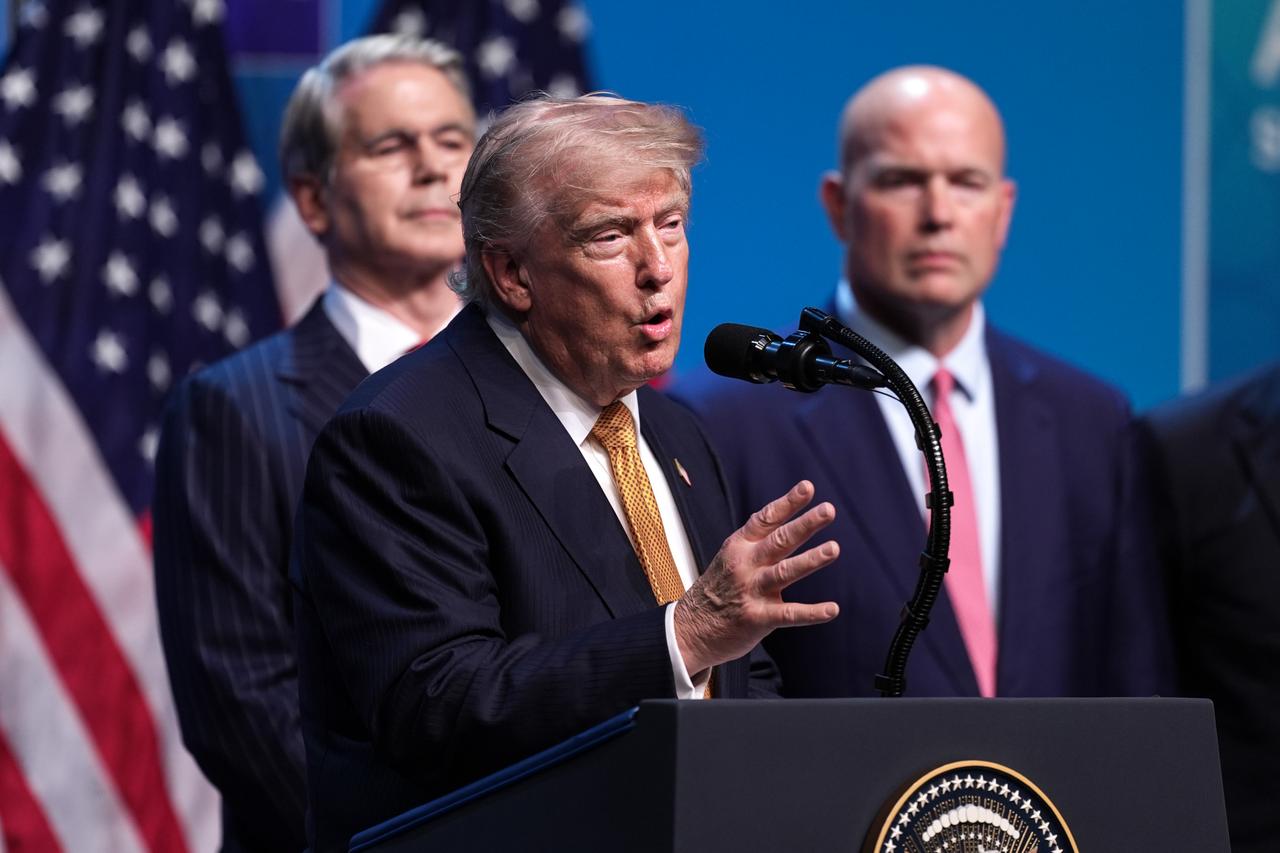


The allies arrived in Ankara on edge. Since taking office, Trump had repeatedly attacked NATO's members—most recently over their lack of support during the Iran war—and this summit, many feared, would give him another chance to fracture the alliance.
Many feared that his potentially unpredictable statements and actions at the summit would deepen the transatlantic divide and project an image of a weakened and divided NATO to its adversaries.
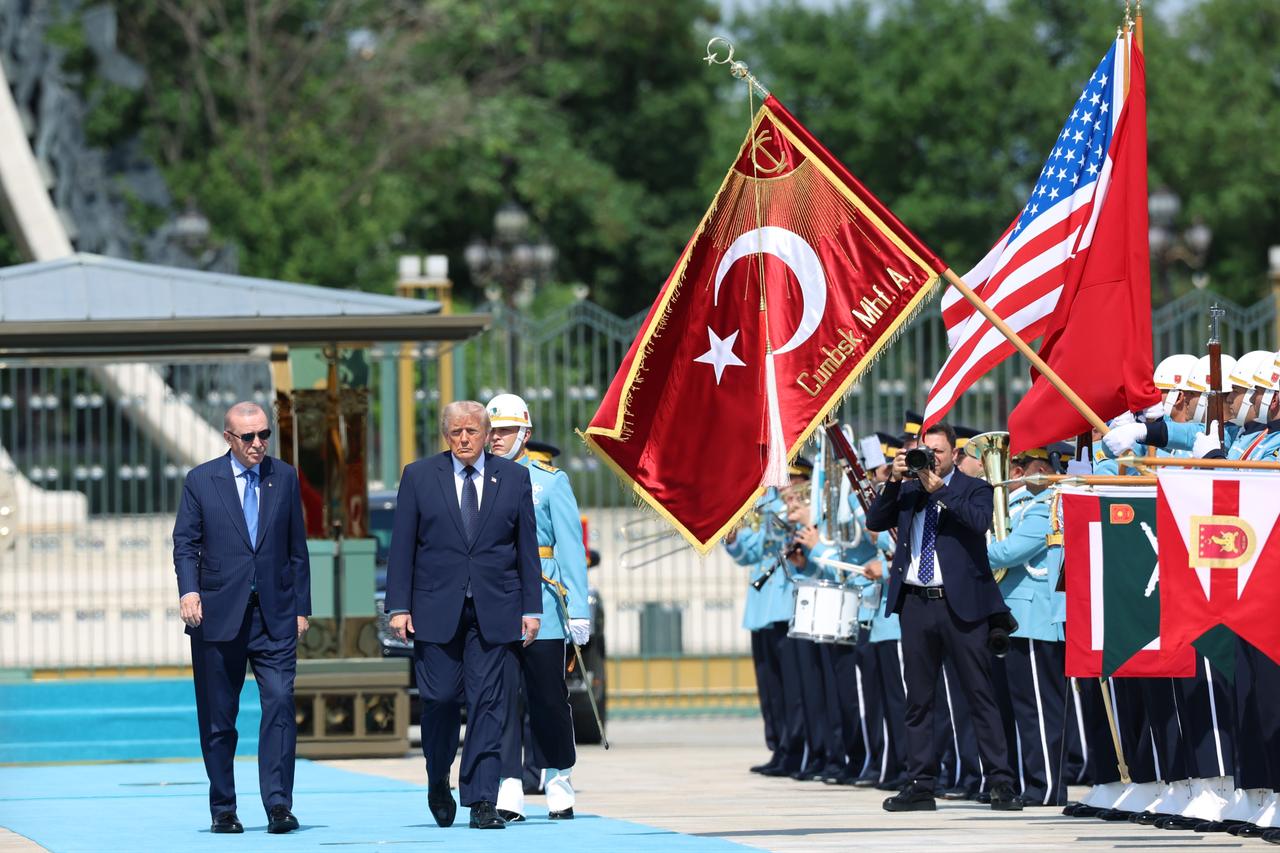
In fact, President Trump’s announcement shortly before the summit that he would attend only because Türkiye and President Erdogan were hosting it underscored the seriousness of those concerns. A NATO summit without the U.S. president would have projected one of the worst possible images of the alliance.
Although Trump reiterated in Ankara the U.S. desire to acquire Greenland and complained that many allies had failed to provide sufficient support during the Iran war, he performed far better than expected at the summit.
He engaged extensively with fellow leaders and, at his post-summit press conference, repeatedly praised the “love” and “unity” at the North Atlantic Council meeting, describing the summit as highly successful.
The summit focused on four main issues: defense spending, defense industrial production, support for Ukraine, and NATO 3.0. Discussions centered on implementing the commitments made at The Hague to raise Allied defense spending to 5% of gross domestic product (GDP) by 2035, translating those investments into military capabilities, providing multi-year support for Ukraine, and advancing NATO 3.0—a model in which Europe and Canada assume greater responsibility for Europe’s conventional defense.
These discussions took place against the backdrop of repeated U.S. announcements over the past month on troop reductions in Europe, reported cuts to the aircraft and warships allocated to NATO operations, and, most recently, U.S. European Command’s decision to reduce the forces and capabilities available to NATO during a crisis.
Another major concern increasingly voiced in Allied capitals in recent months was whether the United States remained genuinely committed to Article 5, the Alliance’s founding principle of collective defense.
Recent reports, citing Western intelligence sources, that Russia could stage a limited provocation against Poland or the Baltic states to test NATO’s commitment to Article 5 drew considerable attention.
Given the current crisis in transatlantic relations, even the Ankara summit declaration’s reaffirmation of the alliance’s ironclad commitment to Article 5 should be regarded as a significant achievement.
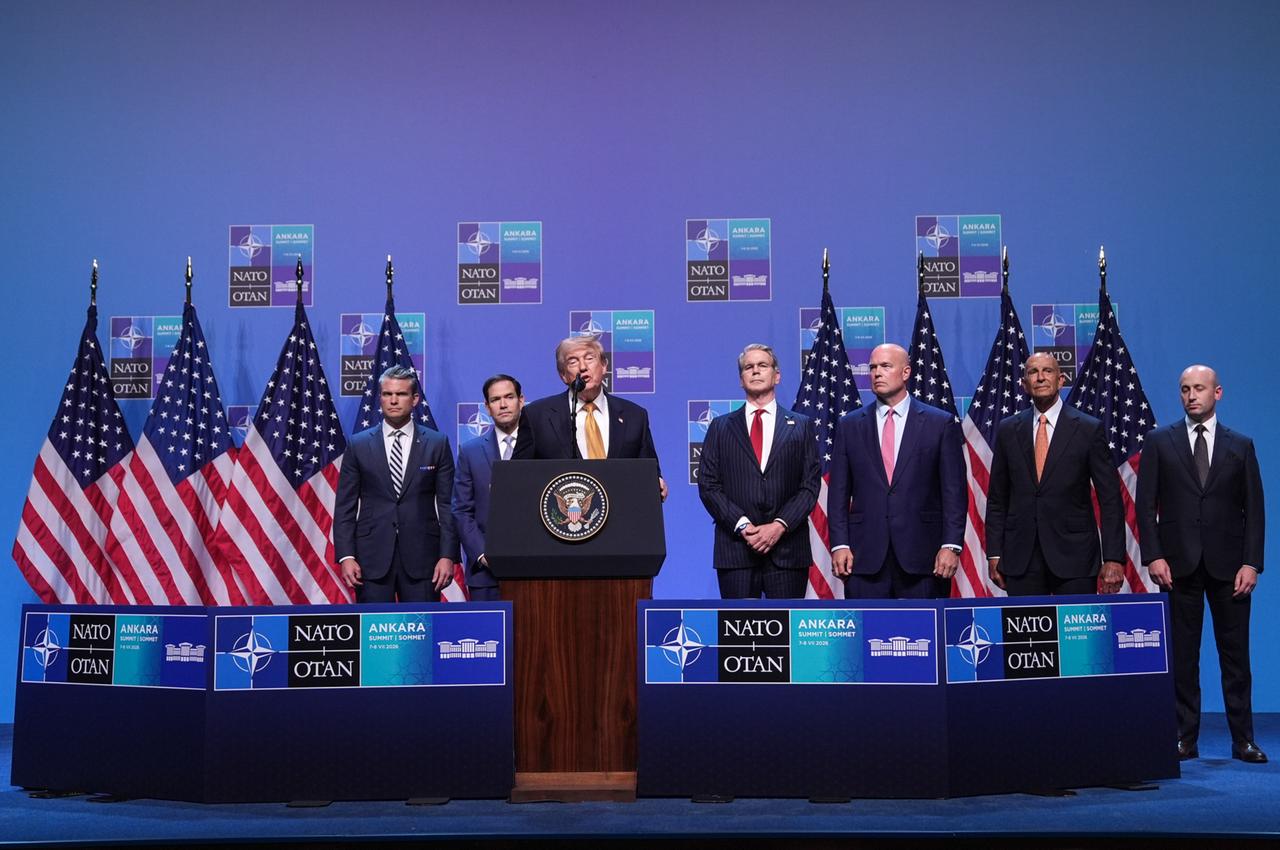

On defense spending, NATO Secretary-General Mark Rutte said the alliance had made remarkable progress over the past year in implementing the commitments made at The Hague.
Overall, allies are collectively spending around 3.5% of combined GDP on core defense and a further 0.5% on defense-related investments, bringing overall allied defense spending to around 4% of GDP.
Rutte also stated that, taken together, 2025 and 2026 would see European allies and Canada make an additional $258 billion in defense investments, while spending $139 billion on core defense requirements in 2025 alone.
The Defense Industry Forum on the first day was significant for efforts to translate increased spending into capabilities and strengthen Europe’s defense industrial base, which has been severely tested by the war in Ukraine.
Key outcomes included $50 billion in new procurement investment and commitments to expand collective manufacturing capacity and accelerate innovation with industry.
Regarding support for Ukraine, although a multi-year assistance plan was not announced, European allies and Canada committed to providing at least €70 billion ($80.05 billion) annually in 2026 and 2027 for Ukrainian military equipment, assistance, and training.
After Trump took office, the United States largely ended the military assistance it had provided in previous years to Ukraine, prompting Europe to increase its military aid by 67% in 2025 and partially fill the gap left by the United States.
Compared with the €35 billion support package announced by Rutte at The Hague for 2025, the 2026–2027 commitments represent a significant increase.
Beyond financial commitments, the Ankara summit declaration gave Ukraine far greater attention than the previous year’s Hague summit declaration, with allies reaffirming their unwavering support for Ukraine’s freedom, sovereignty, and territorial integrity.
With expanded medium- and long-range drone capabilities, Ukraine has altered the course of the war in recent months, successfully striking Russian energy facilities and critical infrastructure deep inside Russian territory.
As President Volodymyr Zelenskyy stated in Ankara, Ukraine’s most urgent need is anti-ballistic systems and missiles. While Ukraine has been largely successful in countering Russian drone attacks, it still requires Patriot systems and interceptors against ballistic missiles.
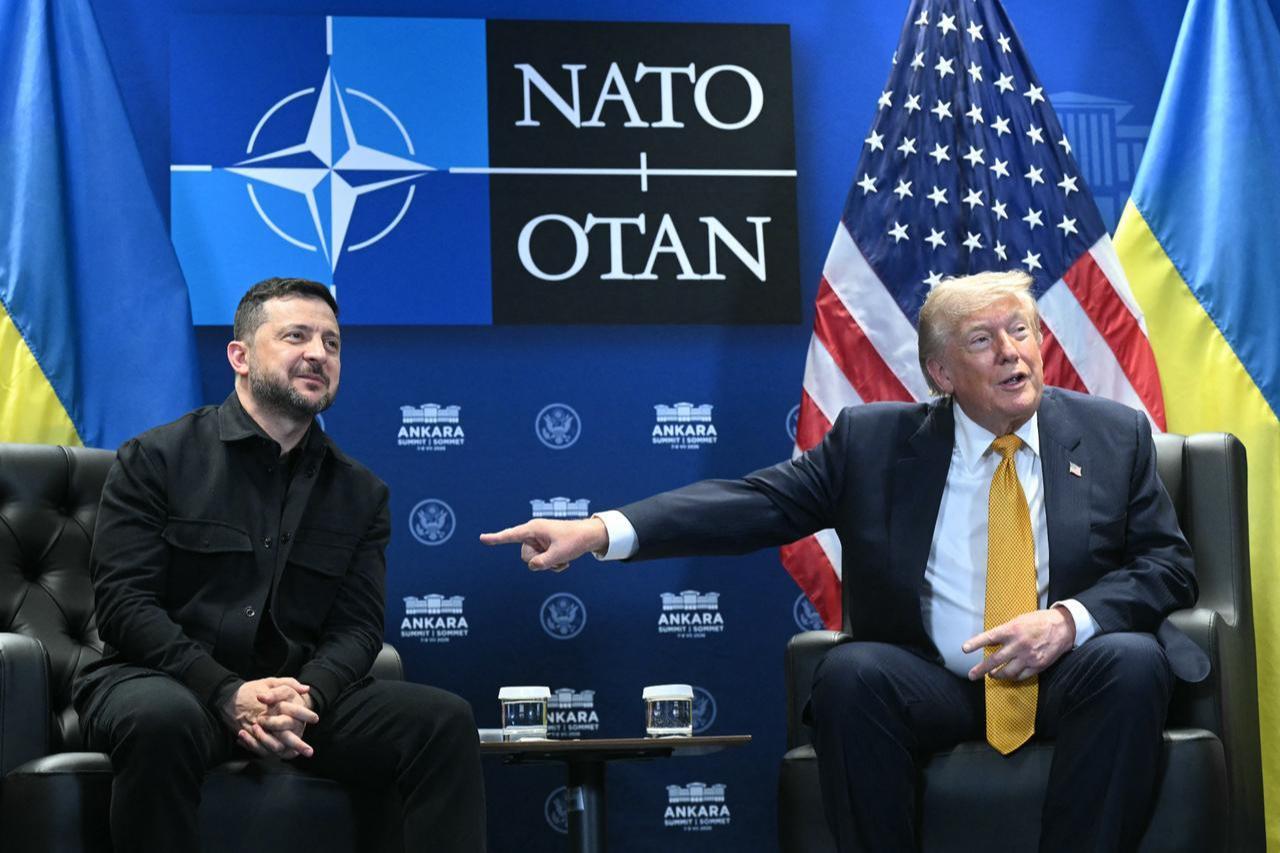
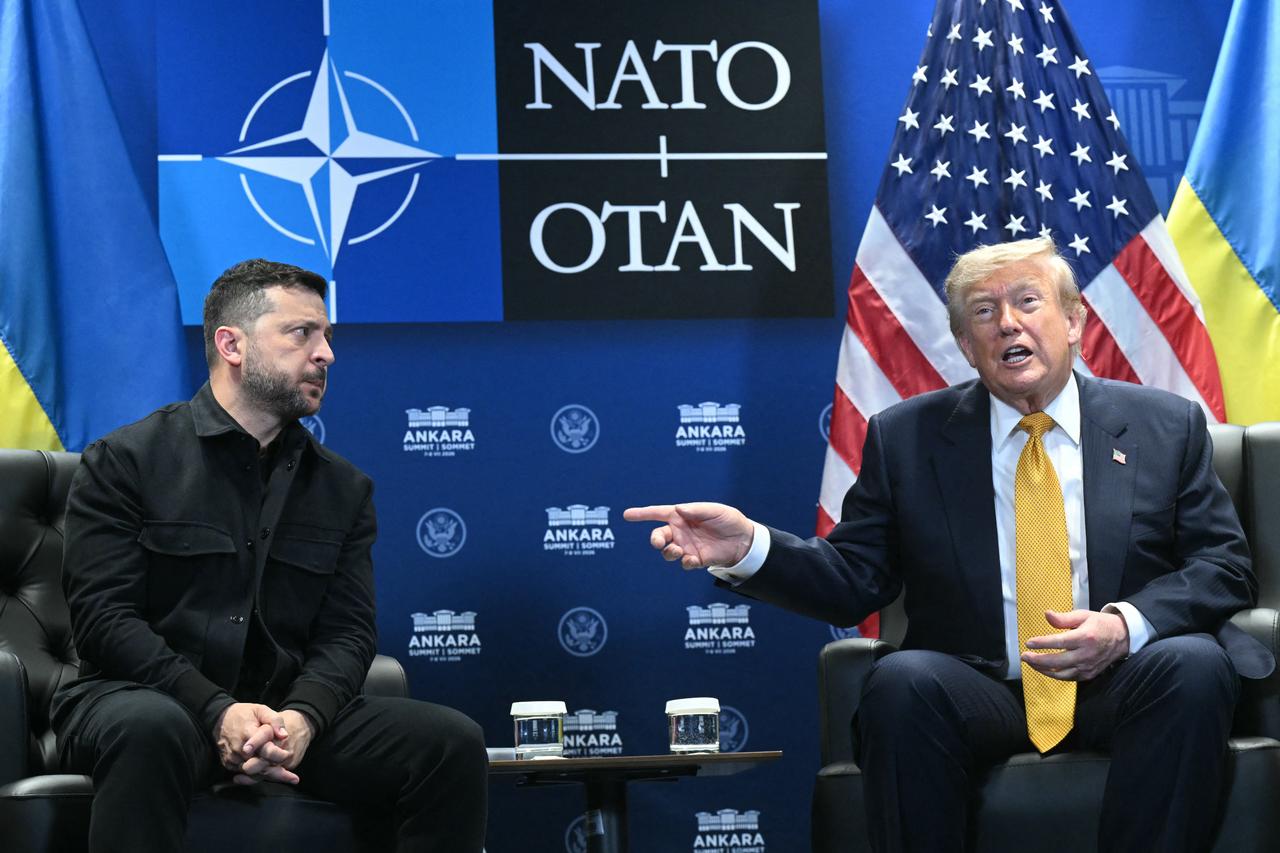
Zelenskyy noted that U.S. Patriot production is too slow to meet Ukraine’s needs and requested licenses allowing Patriot interceptors to be produced in Ukraine. Following their bilateral meeting, Trump said such licenses could be granted, emphasizing that Patriots are defensive systems.
This marked a significant shift in Trump’s approach toward Zelenskyy and Ukraine compared with their tense White House meeting the previous year.
Although the United States largely suspended military assistance to Ukraine in 2025, NATO-U.S. cooperation after The Hague led Allies to launch the Prioritized Ukraine Requirements List (PURL) to fund vital U.S. equipment, primarily air defense systems.
Under PURL, allies pledged more than $5.5 billion in military equipment and munitions for Ukraine in 2025 and 2026. Erdogan also announced at the Ankara summit that Türkiye would contribute to PURL.
Regarding NATO 3.0, the summit declaration was primarily a statement of intent.
The allies announced their commitment to making the alliance stronger and more capable by increasing European and Canadian responsibility for defense, thereby strengthening transatlantic burden-sharing.
However, no concrete timeline was announced regarding how the allies intend to compensate for the future reductions in U.S. troops and capabilities.
Perhaps in an effort to satisfy Trump, who had sharply criticized NATO and the allies for failing to provide the support he expected during the Iran war, the summit declaration included a special statement on Iran.
It reiterated that Iran must never acquire nuclear weapons and called on Iran to fully respect freedom of navigation in the Strait of Hormuz.
In his post-summit remarks, Rutte stated that although Iran remains outside NATO territory, this does not mean NATO would never intervene there.
However, when questioned further on the issue, he did not repeat those remarks and instead reiterated that Iran lies outside NATO’s area of responsibility.
Although it was not one of the summit’s main agenda items, host Türkiye also sought to draw attention to the security crisis in the Gulf created by the Iran war and to revive the Istanbul Cooperation Initiative, NATO’s partnership framework with the GCC countries—the UAE, Qatar, Kuwait, and Bahrain—which was launched at the 2004 NATO Summit in Istanbul.
Accordingly, the foreign ministers or representatives of these countries also attended this year’s summit.
In his opening remarks at the North Atlantic Council meeting, President Erdogan highlighted Türkiye’s achievements and commitments in defense spending, military capabilities, and the defense industry.
He announced that Türkiye would fulfill, before 2030, the commitment made at The Hague to allocate 3.5% of GDP to core defense by 2035 and had already achieved the additional 1.5% target for defense-related expenditures.
Erdogan also stated that Türkiye would meet all 361 Capability Targets within three years and announced an additional $24 billion allocation for the indigenous Steel Dome air defense network to address Türkiye’s most significant capability gap in air defense.
Stressing that restrictions among allies—particularly in defense industrial cooperation—must be lifted if NATO 3.0 is to be implemented rapidly and effectively, he also reminded participants that the European Union’s defense initiatives should not duplicate NATO’s efforts.
One can only hope that the “unity” and “love” demonstrated during the leaders’ meeting will prove lasting, and that NATO 3.0 will be implemented through a well-planned and smooth transition among the allies, rather than being driven by sudden U.S. force and capability reductions.


 Set as preferred source
 Set as preferred source


 3 min read
 1 min read