Newsletters


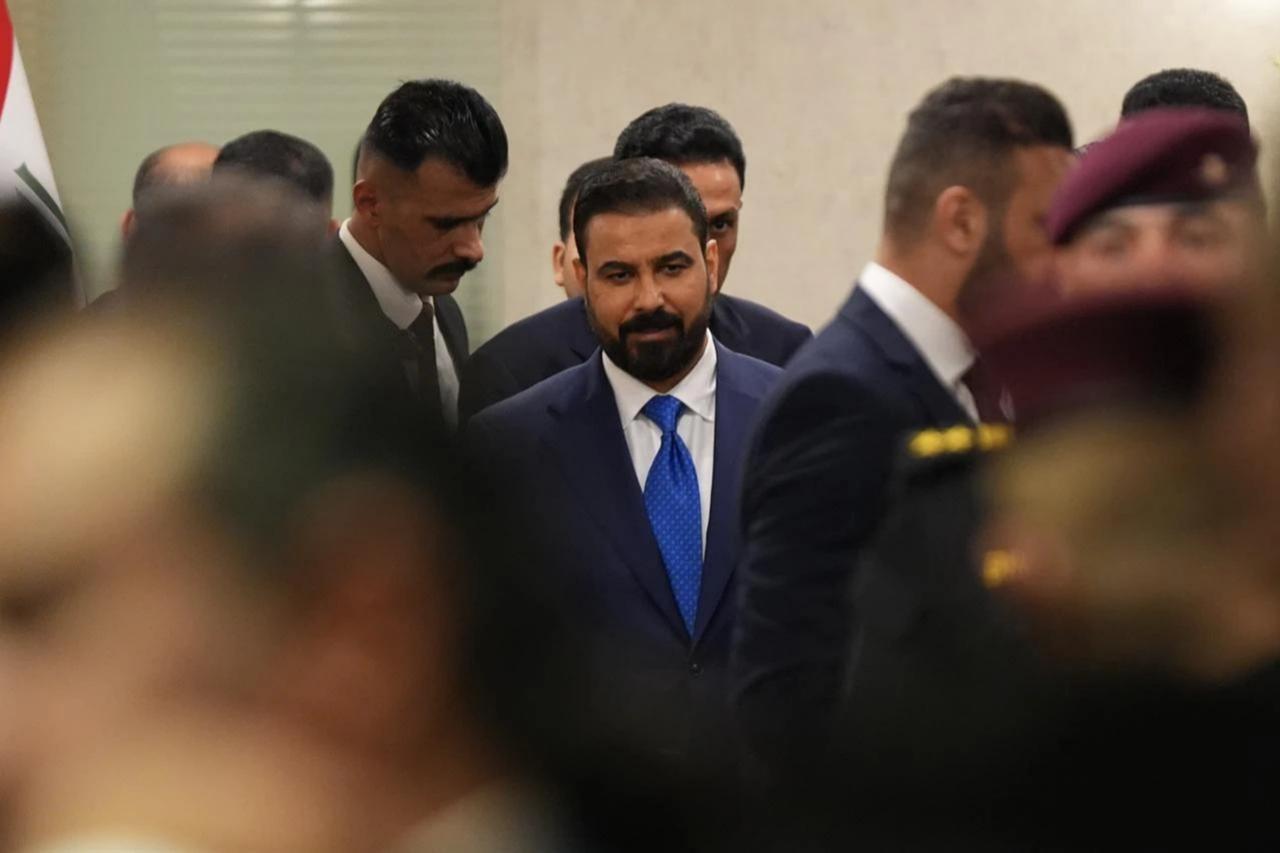


Iraq entered a new phase with the formation of a new government under Prime Minister Ali al-Zaidi on May 14, roughly six months after the country’s November 2025 elections.
Although Zaidi’s cabinet still has notable gaps—with nine of 23 ministers yet to be approved—the steps he has taken so far appear to have overshadowed these shortcomings for the time being.
In a bold move, Zaidi first launched a process aimed at disarming groups operating outside state control, most of them Shia militia groups.
He then initiated what has been described as perhaps the largest and most wide-ranging anti-corruption operation since the overthrow of Saddam Hussein.
The starting point was the confessions of former Deputy Oil Minister Adnan al-Jumaili, who was arrested in late May 2026.
His statements reportedly opened files in the oil and electricity ministries and exposed a chain extending from there to members of parliament, ministry officials, former governors, former government advisers and party-linked figures.
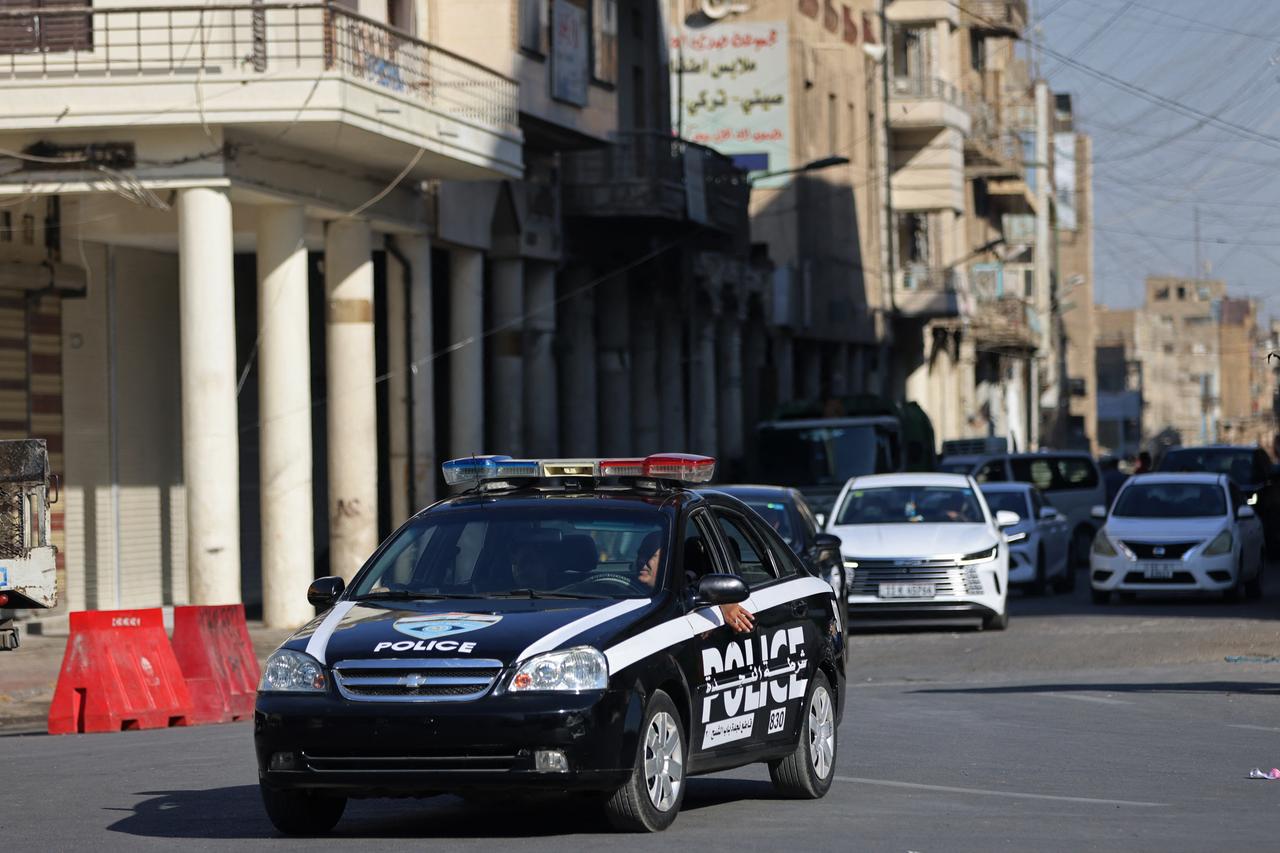
On June 28, Iraqi security forces launched simultaneous raids in Baghdad, as well as in Anbar, Nineveh, Babil, Salah al-Din, Basra, Wasit and Erbil, as part of an operation named “Dawn.”
Around 50 people were arrested or detained. There is also talk that the arrests and detentions could expand to a list of 128 people allegedly provided by Jumaili. Among the assets seized were millions of dollars in cash, billions of dinars, gold, luxury vehicles, numerous properties and foreign-linked accounts.
Perhaps the most important aspect of the operation, however, is the profile of those targeted. Among them are politically influential figures such as Azm Coalition leader Muthanna al-Samarrai and MPs Aliya Nasif, Ziyad al-Janabi, Mohammed al-Mayahi and Ali al-Bahadli.
Some sources claim that the files extend to the circle of former Prime Minister Shia al-Sudani, and even to his brother Abbas al-Sudani. In this respect, the nature of Operation Dawn also changes.
Corruption is not a new issue for Iraq. In fact, it has been one of the country’s most problematic issues in the post-2003 period. While unofficial estimates suggest that public funds lost to corruption in Iraq are approaching $1 trillion, Prime Ministerial Legal Adviser Munir Haddad has claimed that the figure exceeds $2 trillion.
Iraq’s ranking of 136th among 181 countries in Transparency International’s 2025 Corruption Perceptions Index is also striking in this regard.
By declaring war on corruption—Iraq’s greatest problem—Zaidi is sending society three messages.
The first is that no one is untouchable. The second is the promise that stolen money will be returned to the people; it is said that a special account will be opened at the Ministry of Finance for recovered funds.
The third is the claim of a “new Iraq”—presenting the operation not merely as a criminal investigation, but as a reform move that will rebuild the state’s reputation and its relationship with citizens.
For now, this discourse appears to be resonating. A significant segment of the public seems to believe that, for the first time, even powerful figures are being targeted.
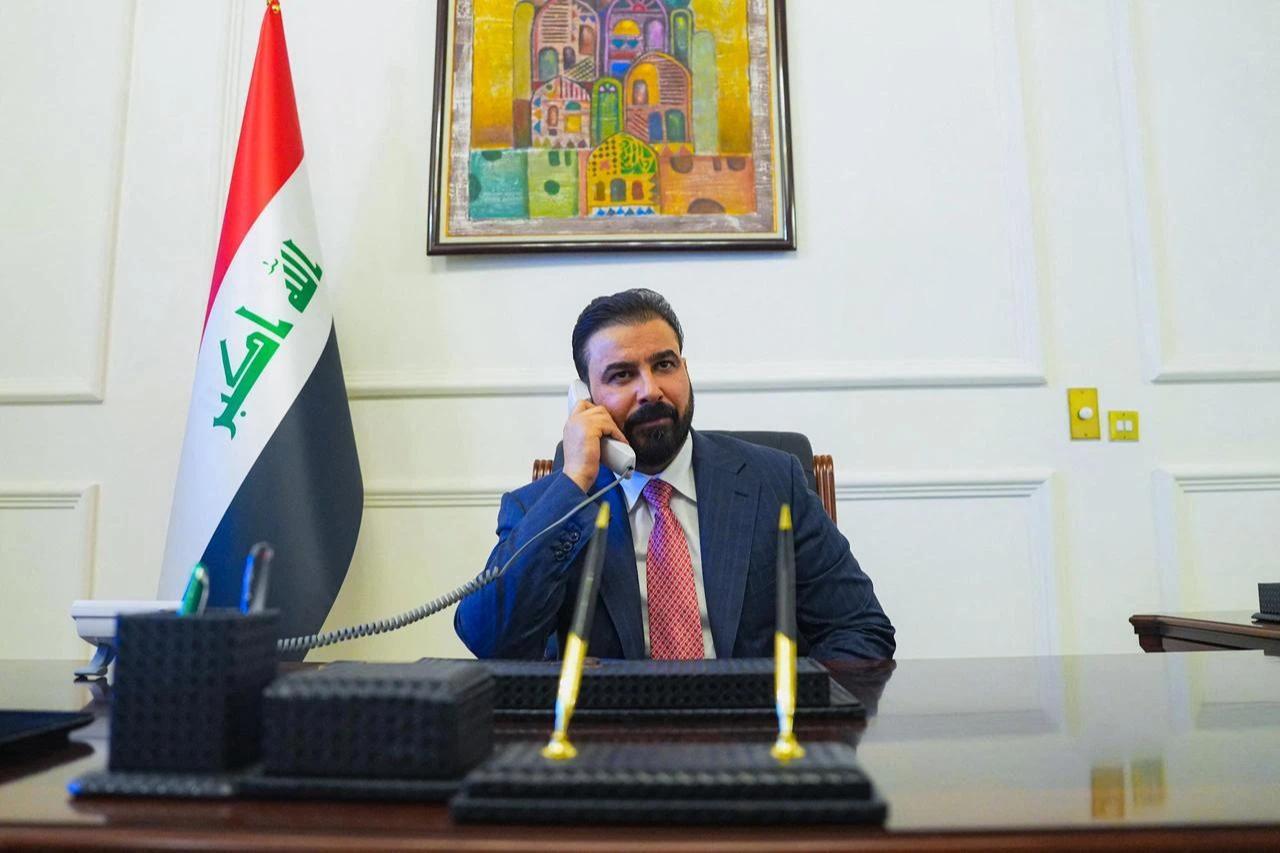

Still, it is clear in every respect that Operation Dawn is not an ordinary anti-corruption operation. At this point, the question of who the real target of the operation is gains importance.
On the surface, the operation is said to target an oil- and electricity-centered corruption network revealed by Jumaili’s statements. Yet the fact that, for now, only figures close to Sudani and the Azm Alliance appear to be in the crosshairs creates the impression that this is also a power struggle.
The immediate support given to the operation by entrenched figures within the system, such as Nouri al-Maliki, also creates the perception that the campaign is not aimed at dismantling the system itself, but rather at protecting the system while clearing out rivals.
The essential question here is whether Jumaili’s confessions can open the door to a wider network involving public tenders, oil and electricity contracts, money laundering and the covert financing of election campaigns.
The continued divisions among Shia groups, Ammar al-Hakim’s support for the reform process and the possibility that networks close to the Qais al-Khazali line could come under pressure if the files expand are all important signs that a new power bargain may begin within the Coordination Framework.
Muqtada al-Sadr’s strong involvement in the process after a long period of relative absence is also particularly noteworthy. Sadr’s support for the reform campaign, and the fact that his base has embraced the process, have provided Zaidi with street support and legitimacy beyond the fragile balances in parliament.
This support also means that the anti-corruption moral high ground in Shia politics is being reclaimed by the Sadrist line. Therefore, Zaidi may be able to consolidate his initially weak political position through Sadr’s social support, using corruption and security reform as his main instruments.
However, it should not be forgotten that if the operations turn into a selective purge, or if they lose momentum through bargaining with powerful actors, Sadr’s support may cease to be an advantage for the government and instead become a source of pressure.
 2 min read
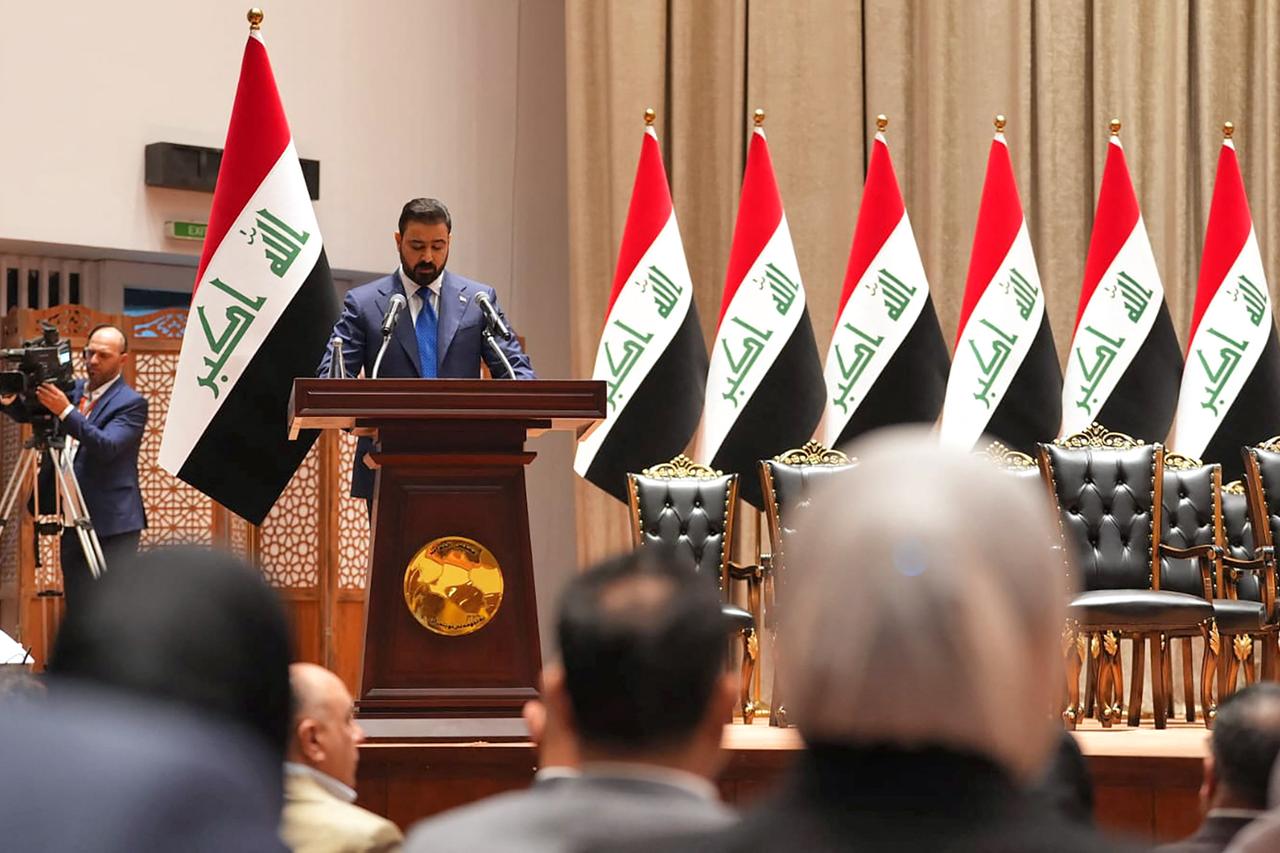
Another dimension of the issue concerns where Iraq will stand in the U.S.-Iran equation. Zaidi is expected to visit Washington in mid-July. The fact that the operation began shortly before this visit can also be read as Baghdad’s effort to present a concrete message to the United States.
Washington’s expectations from Baghdad are not limited to the fight against corruption. The U.S. wants the financing channels of armed groups close to Iran to be dried up, money-laundering mechanisms to be shut down, weapons to be brought under the monopoly of the state and public revenues to be prevented from flowing into the militia economy.
Operation Dawn could acquire the character of a genuine turning point for Iraq. However, the success of Operation Dawn will not be measured by how many people are arrested.
The real criteria will be whether the operation reaches the major power brokers, whether stolen money can be recovered, whether militia financing networks are genuinely touched and whether the judiciary can remain independent of political bargaining.
If the process remains limited to the Sudani circle, the Azm line or a number of mid-level actors, al-Zaidi may strengthen his position in the short term, but the system itself will not change.
Moreover, if the cases remain inconclusive, if defendants are released through political bargaining, or if only rival groups are targeted, public disappointment could be far deeper this time.
If the operation can break the link between oil, electricity, election financing, public tenders and the armed-group economy, Iraq may, for the first time in the post-2003 period, seize an opportunity to limit the patronage economy produced by the muhasasa power-sharing system.
Otherwise, Operation Dawn will be condemned to remain another selective purge, another temporary wave of reform, in Iraq’s long political history marked by continuing social decline.


 Set as preferred source
 Set as preferred source


 1 min read