Newsletters


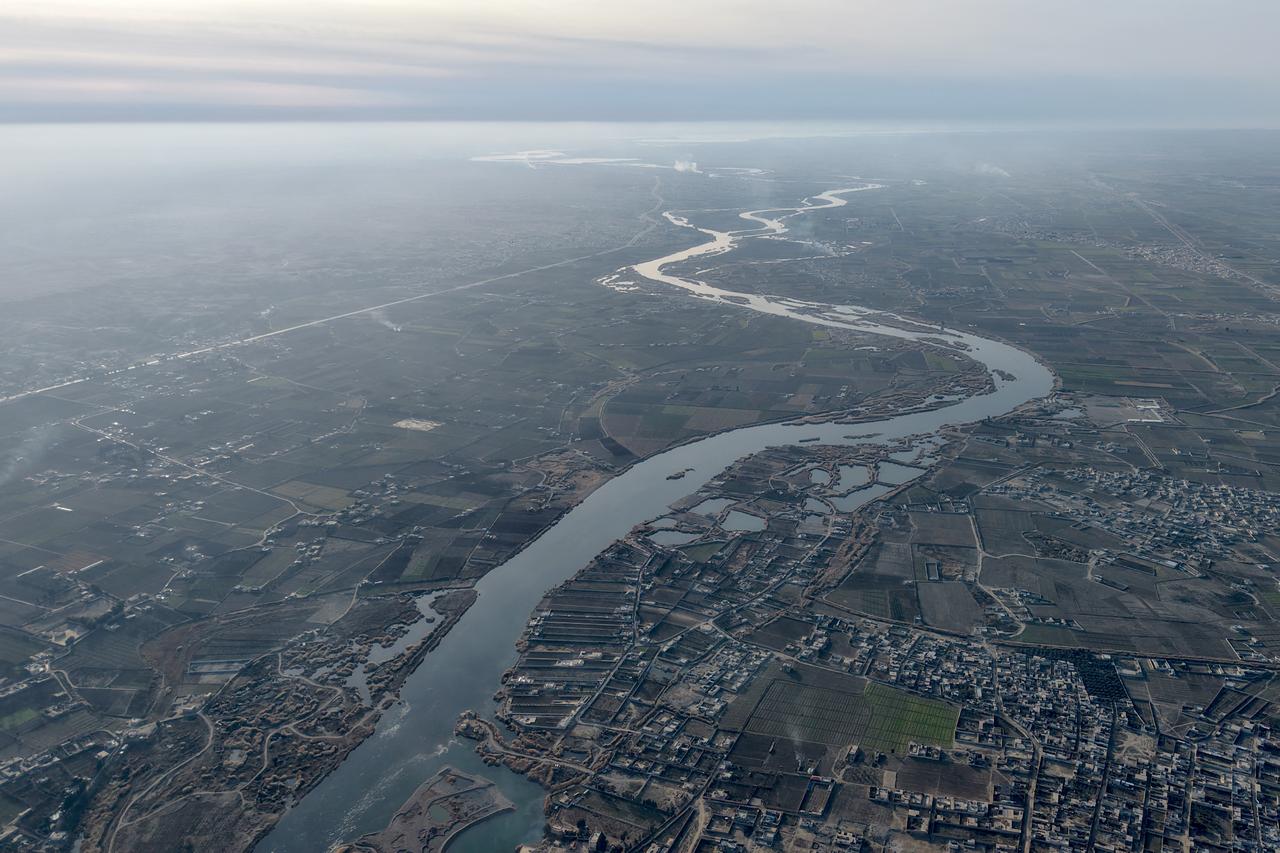


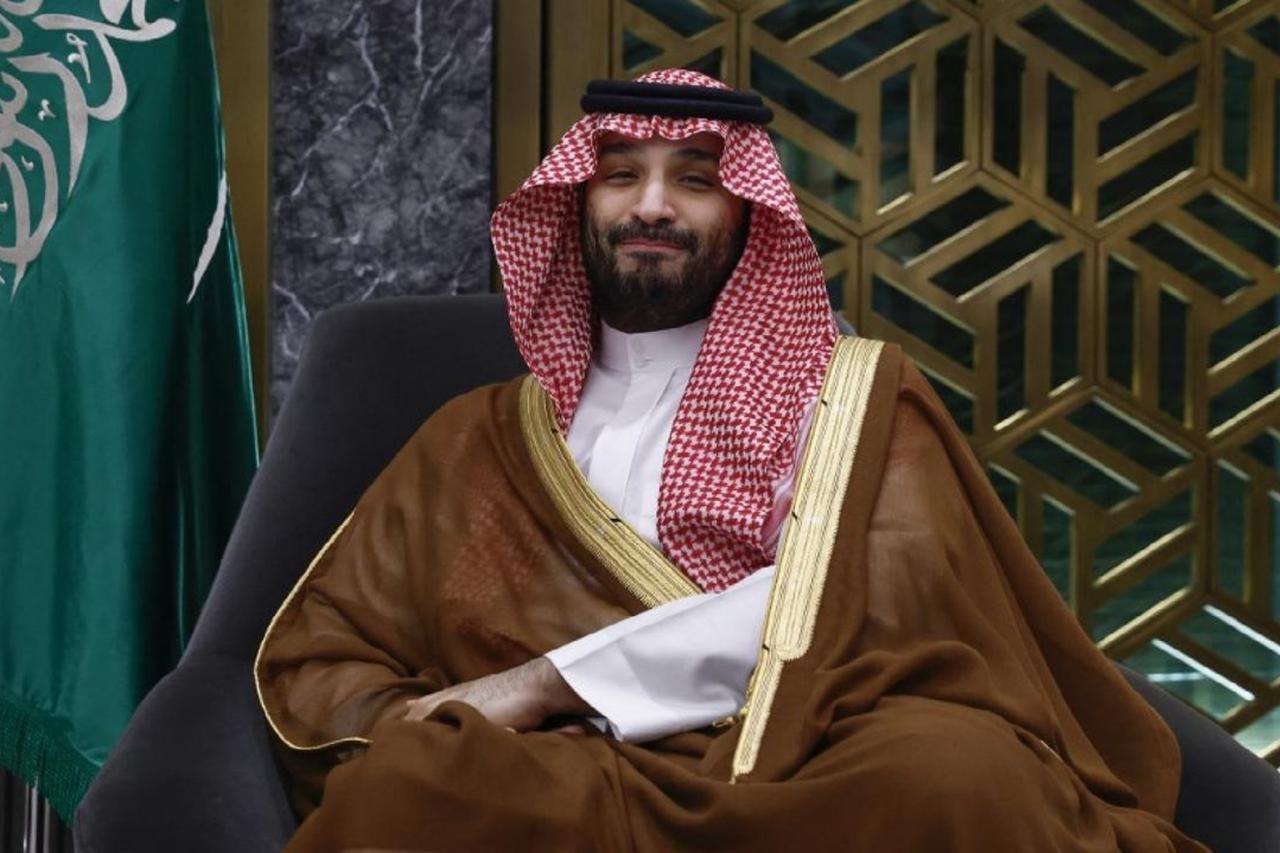
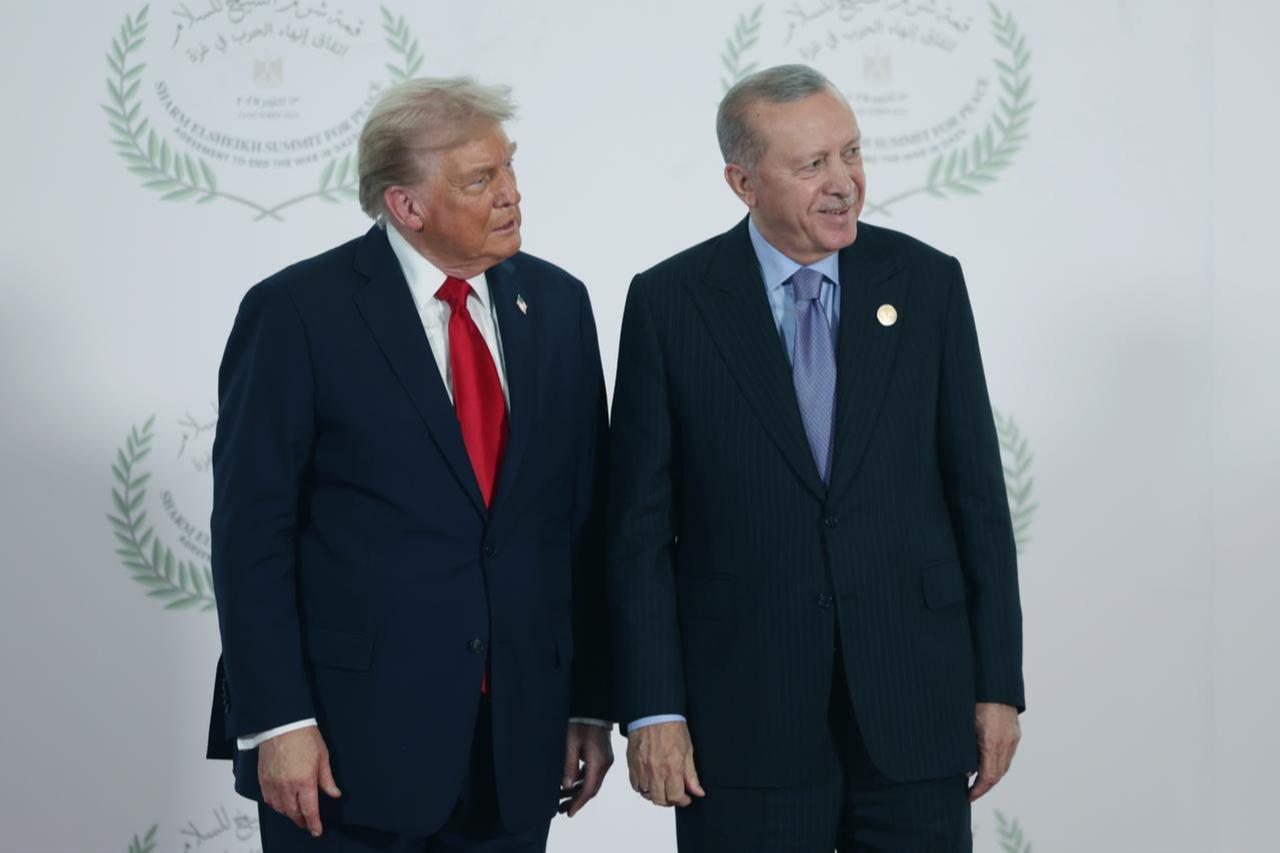
“Trump had two leaders in the Middle East he genuinely liked: Turkish President Erdogan and Saudi Crown Prince Mohammed bin Salman. Now, he has found a third—Syrian President Ahmad al-Sharaa.”
These words were shared with me by a Syrian official months ago. Recent developments now appear to confirm them. Trump’s latest phone call with President Sharaa signals clear U.S. backing for Damascus in its effort to extend state authority over all of northeastern Syria. Notably, this call came after Trump met Sen. Lindsey Graham and dismissed his push to sanction Syria. Together, these signals point to one conclusion: the temporary, transactional, and tactical U.S. partnership with the YPG in Syria is coming to an end.
We are witnessing the start of a new phase in U.S. policy.
A full American withdrawal from northeastern Syria is increasingly likely, along with my personal expectation of the opening of negotiations for a US presence in Damascus.
While largely absent from media coverage, U.S. officials involved in mediation proved far less patient with the YPG-dominated SDF than Syrian negotiators. During three separate negotiation rounds, American officials walked out in frustration, and Syrians continued to talk.
On one occasion, even a CENTCOM general—long viewed as sympathetic to the SDF—left the room and apologized to the Syrian president for the SDF’s conduct. Thomas Barrack reportedly erupted in two loud confrontations with the SDF delegation. Alienating the U.S. president's special envoy, especially when one is fully dependent on Washington, is rarely a wise strategy.
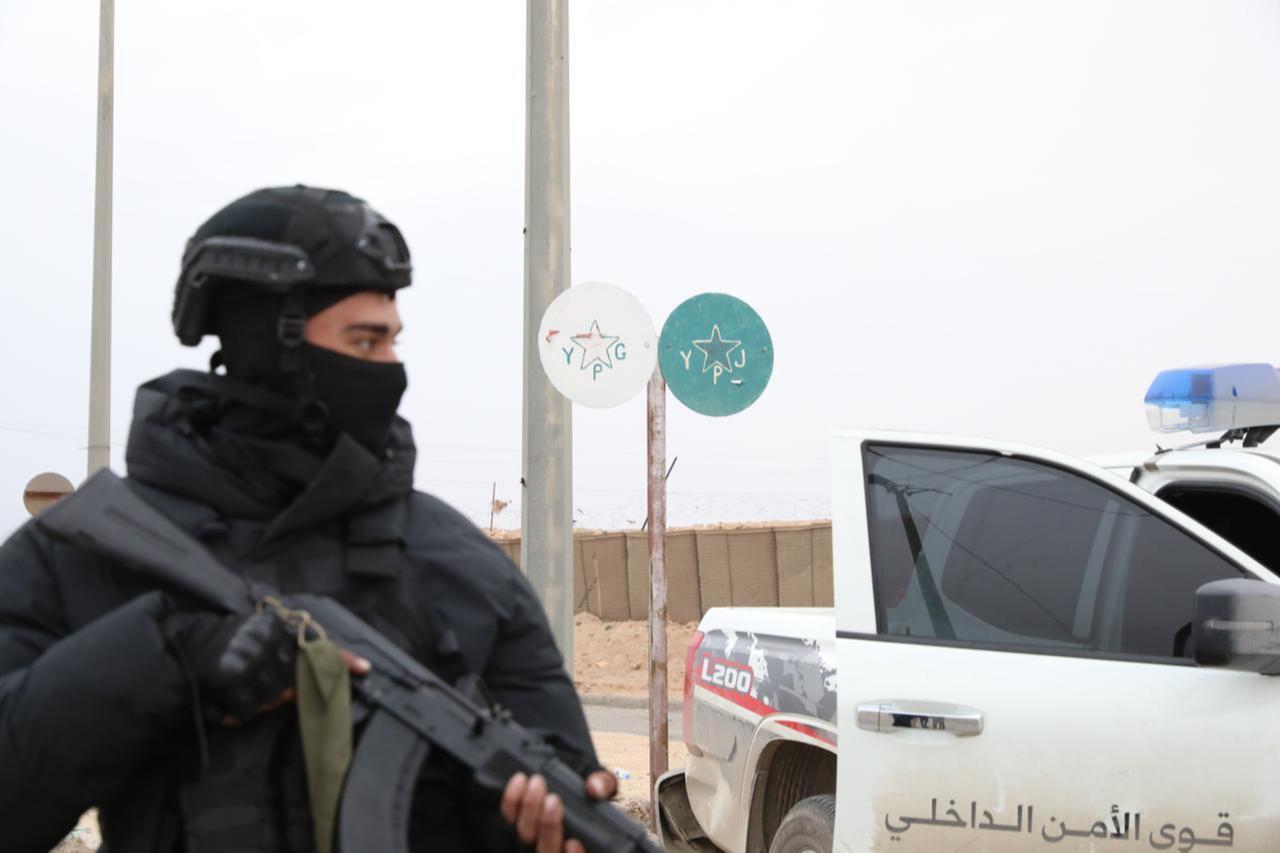
The YPG now stands at a critical crossroads. As I argued in my previous column, it must either accept U.S.-brokered integration into the Syrian state or face military defeat. Mazloum Abdi requested four days to consult the PKK leadership in Qandil—a request that was granted. Yet instead of agreeing, the YPG presented an unrealistic counterproposal.
Under normal circumstances, this would have triggered the next phase of military action by Damascus. However, Washington’s priority to evacuate Daesh detainees led to a 15-day ceasefire extension. This ceasefire is not meant to protect the YPG, but to serve US operational needs. It is unlikely to hold for the full duration, and the Syrian army will likely move forward in coordination with the evacuation process.
The clock is ticking. The YPG has gained only a few extra days to accept what is likely its last viable deal.


 Set as preferred source
 Set as preferred source


 1 min read
 1 min read