Newsletters


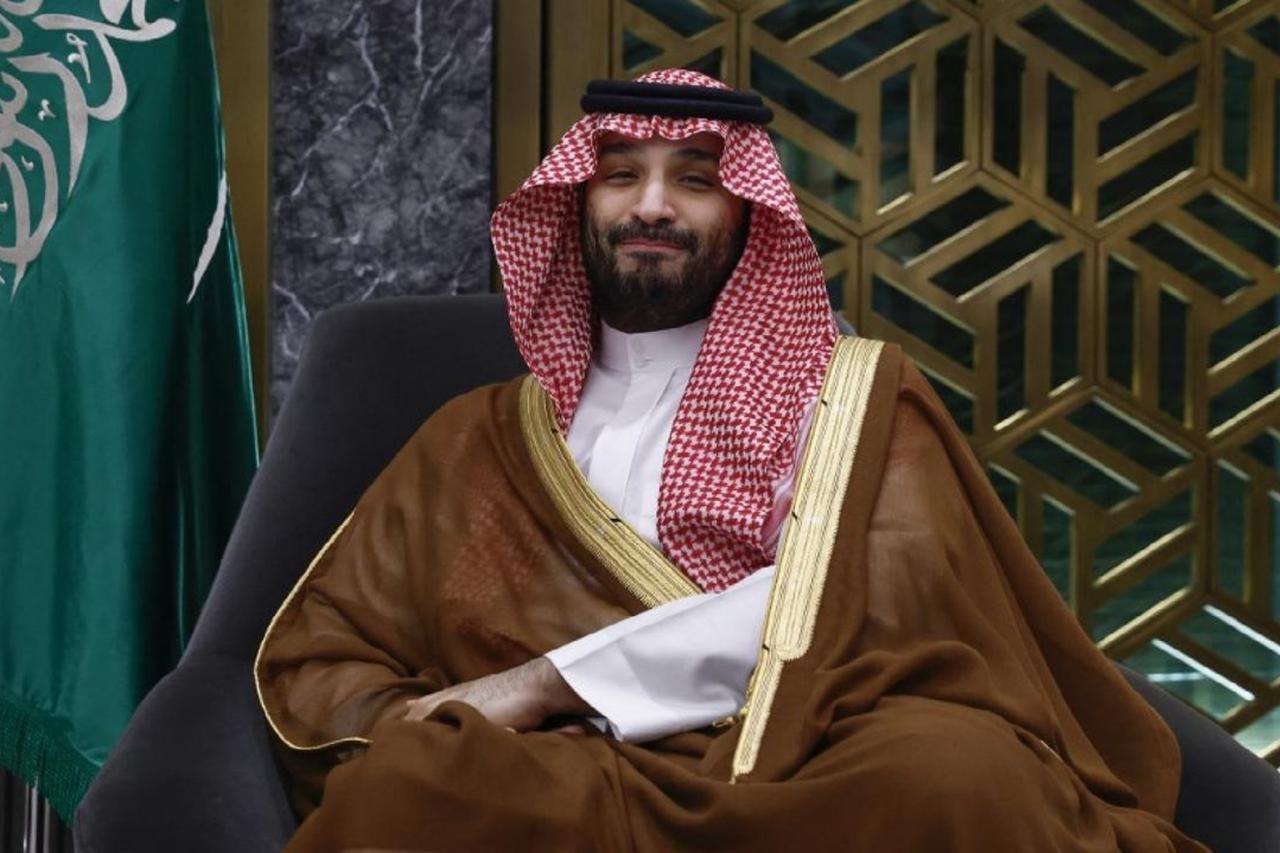


In less than a decade, Türkiye-Saudi Arabia relations have undergone a whiplash-inducing transformation—evolving from a cold war of ideological friction to a high-stakes strategic embrace. While today’s momentum suggests a pragmatic burial of the hatchet that few saw coming, in the 2010s, Türkiye approached the "Arab file" primarily through the lens of its relationship with Qatar;
This created a blind spot, in which the Saudi perspective, a crucial factor in strategic matters, was largely bypassed. Yet, Saudi Arabia remains a cornerstone of the region; historical, social, and, perhaps most importantly, religious interaction is impossible to conceptualize without it. Conversely, Türkiye is the other critical heavyweight; the reality of the last decade has proven that Arab geopolitics cannot achieve stability in an equation where Türkiye is absent.
It is clear that the convergence of the region's two major powers around shared goals, philosophies, and actions has created a new center of gravity. Whether this will evolve into a formal security pact remains to be seen, but the current trajectory points toward a new geopolitical reality. The key takeaway from this recent period is the intersection of Turkish and Saudi interests in the Middle East and, more importantly, the vocal call for cooperative structures to advance them.
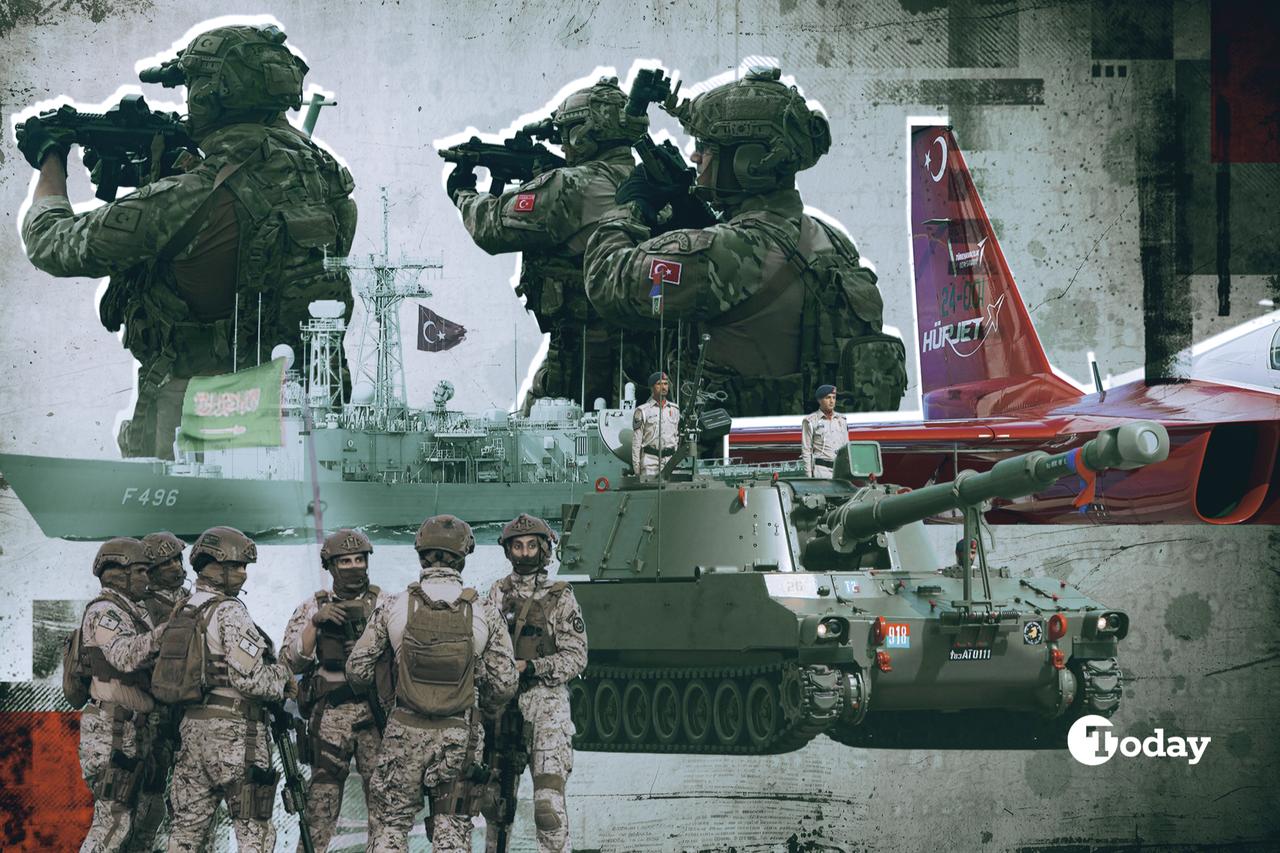
The recent events in Syria can be summarized as a manifestation of this shared understanding, consensus, and actionable cooperation. It is fair to say that the emerging administration in Syria has been strengthened by a trifecta of positive factors: Saudi Arabia’s financial resources, the United States' diplomatic openings, and Türkiye’s defense umbrella. This cooperation is underscored by the historic defense contract signed in 2023, in which Saudi Arabia agreed to purchase Turkish drones valued at over $3 billion, signaling deep strategic trust.
Integrating the center with the periphery in Syria was never going to be easy. The civil war conditions starting in 2011 deeply exacerbated the country's geographical and social fragmentation. While the collapse of the Assad regime provided an opportunity to repair these societal rifts and geographical divisions, the struggle for unity revealed that fragmentation was not solely due to internal factors -external influences were equally pivotal. Syria’s social formation is split along distinct ethnic, religious, and cultural lines.
Consequently, speaking of a unified Syrian nation in the conventional sense is difficult. Before the conflict, Sunni Arabs constituted roughly 74% of the population. Yet, the governance structure was heavily dominated by the Alawite minority, creating a structural imbalance that external powers easily exploited.
When analyzing Syria, seeking a trajectory similar to that of the West's social formation can be misleading. It is far more critical to understand the tribal structures that dominate the interior. In this regard, Saudi Arabia’s role is undeniable. The Saudi state has deep historical and lineage ties to major tribal confederations in the Syrian desert. Meanwhile, other groups have their own cross-border dynamics, such as the Alawites in the coastal regions or the interactions between certain Druze factions and Israel. It is a reality of the Middle East that social rifts can very easily become the agents of geopolitical conflict or, at the very least, heightened tension.
The rise of a new administration in Syria coincides with a broader effort to curtail Iran's regional influence and reshape its domestic political landscape. This geopolitical window incentivizes key actors to prioritize a strong, unified, and centralized state structure in Syria.
These factors are, of course, directly linked to the positive role Saudi Arabia has played in the country from the beginning. It is crucial to underline that Türkiye’s partnership with Saudi Arabia is not limited to the Syrian theater.
There is a tangible alignment of Turkish and Saudi interests in Sudan, Libya, and Yemen. The reason is simple: there is no desire for revisionist ventures or radical changes in the regional balance of power. On the contrary, the primary strategic goal of these two nations is to preserve the nation-state system and manage the regional status quo.
Türkiye does not want a country spiraling out of control on its borders -especially given that it already hosts approximately 3.1 million Syrian refugees. Saudi Arabia, for its part, wants to avoid developments that would negatively impact energy markets or trigger a new wave of regional chaos, as it requires oil prices to remain stable—ideally above $80/barrel—to fund its massive Vision 2030 economic diversification projects.
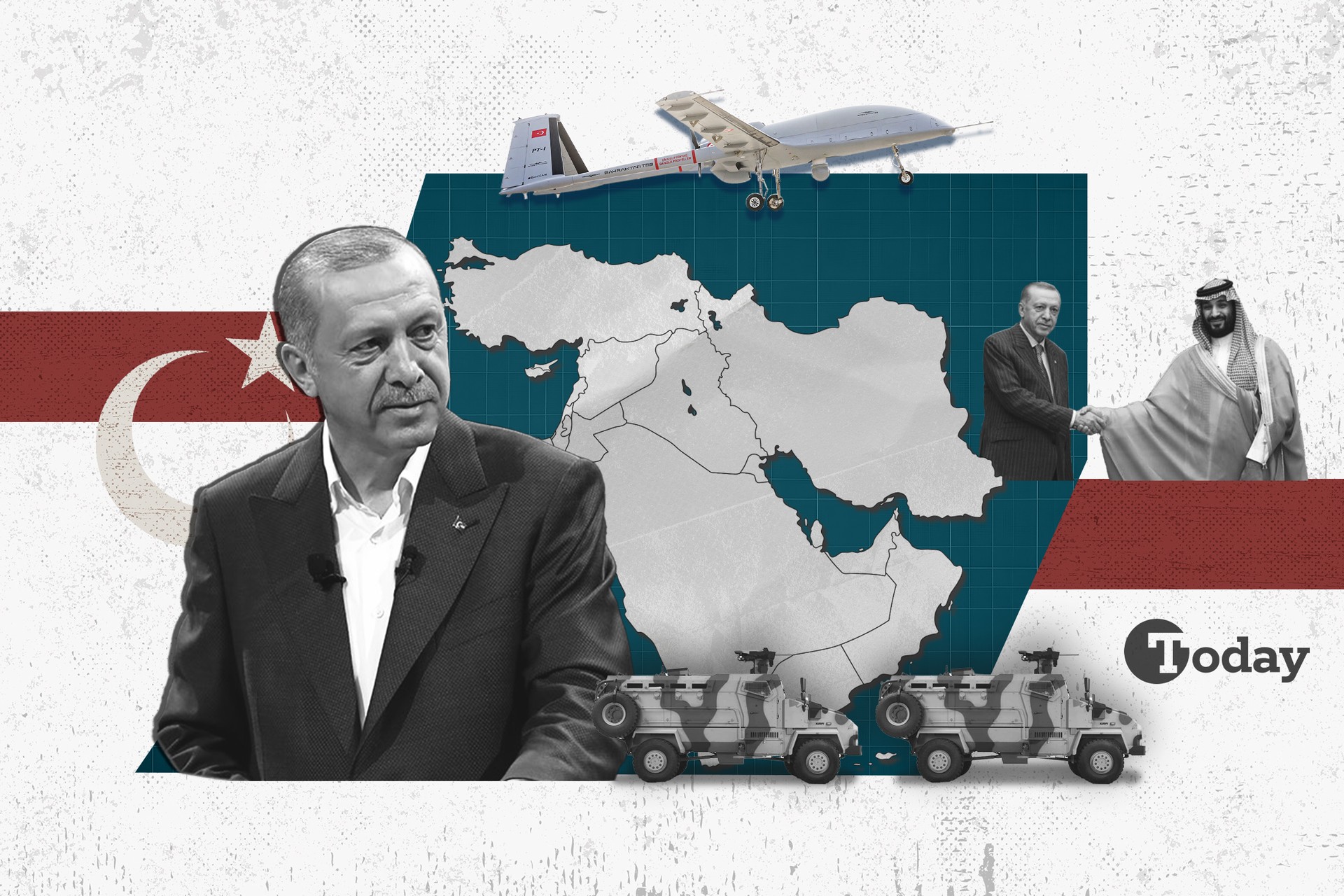
The main reason for President Erdogan's visit to Saudi Arabia next week on Feb. 3 is to strengthen cooperation between the two countries in strategic sectors, as mentioned earlier. Such a high-level preliminary agreement will help improve coordination within Türkiye's security system with its Saudi counterparts.
The cooperation between Saudi Arabia and Türkiye has the potential to reshape the regional power dynamics. The first test of this will likely be in Iraq and Iran.


 Set as preferred source
 Set as preferred source


 2 min read
 1 min read