Newsletters


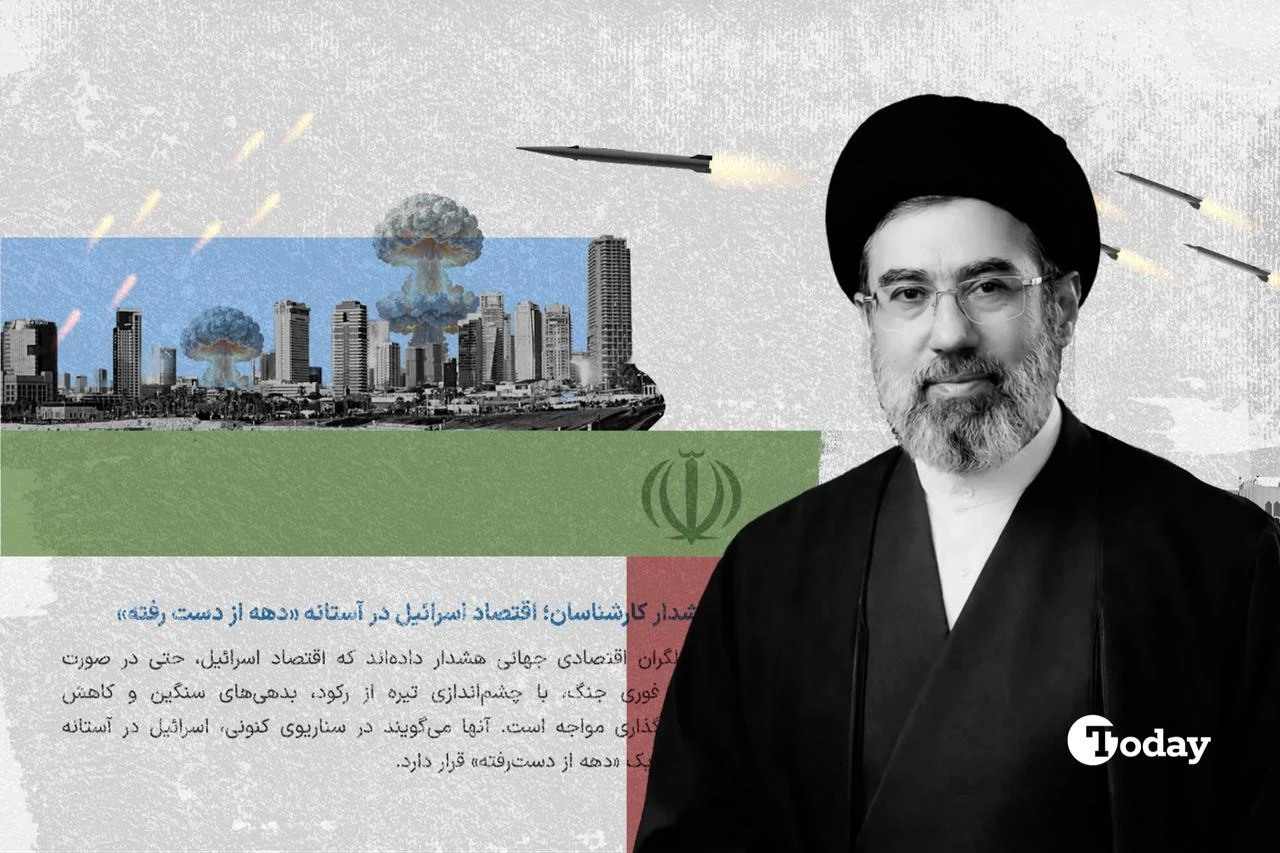


For Iran’s new political elite, the deck might be stacked just as badly as it was for the Iranian football team during the recent World Cup.
Still, by the time you read this article, the U.S. and Iran may have worked out some of the sticking points in their peace negotiations based on the 14-point Islamabad Memorandum of Understanding (MoU) they had signed on June 17. A final peace deal appears down the road, and it may not be too distant, unless Israel’s best efforts bear fruit.
That means not only Iran’s Islamic Republic form of government—whose elimination U.S. President Donald Trump had declared as the main objective at the beginning of the war—survives, but Tehran is going to come out of the war as having accomplished its broader strategic goals: Lifting international sanctions and ending its financial and economic isolation.
But ending Iran’s status as a pariah through a ceasefire and peace with the United States may be easier than normality at home and in the region.
Iran’s new political actors would have to come to terms with many challenges: A devastated infrastructure, food and fuel rationing, a population with deep memories of oppression and poor standards of living unbecoming of Iran’s natural riches and cultural heritage caused by a deeply unpopular system of rule.
Iran’s neighbors, many of which found themselves on the receiving end of Iranian missiles and drones during the recent war, might look at Tehran with even more skepticism in the future.
Can Iranian leaders balance all these challenges?
Only five days before the 40-day U.S.-Israel war on Iran had started on Feb. 28, I had predicted that “if a new war begins, its operational dynamics and political outcomes will undoubtedly be messy and unpredictable.”
When the war came on Feb. 28, the U.S. and Israel pounded infrastructure, assassinated Iran’s top-level leaders, and occasionally went after the country’s civilians, including children at a school in Minab.
For the regime, U.S.-Israeli attacks on civilian targets—especially a Minab elementary school—served as a unifying factor that revealed the brutality and unethical behavior of the enemy. However, when the war memories slowly fade away, the regime will have to come face to face with its people and their demands.
The brutality of the attacks also silenced a sizeable chunk of Iran's diaspora, who vocally demanded regime change and worked against it for decades. Many were shocked to see devastation in their home nation despite advocating for a U.S. campaign in Iran to change the regime.
Tehran’s use of AI-generated videos parodying U.S. and Israeli officials (adroitly tying them to Jeffrey Epstein’s networks) garnered a lot of likes and sympathy even among those who dislike Iran’s Islamic Republic system. The regime was able to show how the "little and great" satan are capable of doing heinous acts.
However, when the dust settles, if the younger generation of Iranian guards remains in power and dictates social policies, the possibility of public unrest will remain Iran's soft belly.
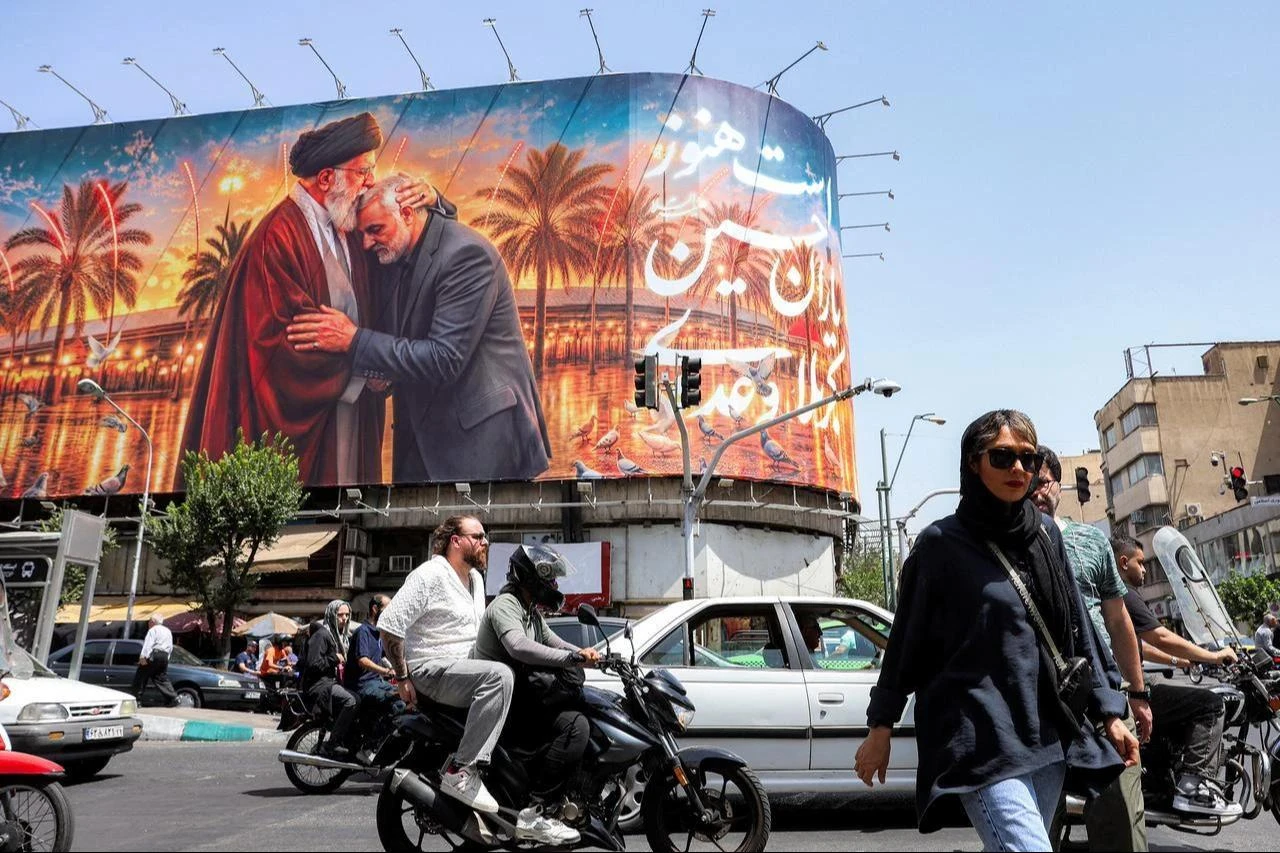

The most pressing question for Iran’s upside-down political leadership is how to rebuild the country—not only its physical infrastructure, but a society devastated by years of wars, domestic oppression, and international sanctions.
Remember how the mass protests and the death of thousands of Iranians during the January protests made it “easier” for Trump and Netanyahu to delude themselves that the war on the Islamic Republic would be fast and easy?
While many in the Iranian diaspora clearly itched for a war against what they saw as the oppressive rulers of their homeland and even tried to unite around Reza Pahlavi, the U.S.-based son of the ousted Iranian shah, despite his noticeable lack of real leadership, even the Iranian national football squad, “Team Melli,” found itself on the receiving end of boos and jeers during its World Cup matches in the U.S.
That was a far cry from the overwhelming support that “Team Melli” had received from the diaspora during World Cup 2006 in Germany.
So, will Iran’s political leaders use the Basij militia and morality police to continue hunting down young Iranians for doing young people things, or will they separate harmless vices from the much more damaging corruption and embezzlement networks—not to mention the pro-Israel spy rings—that have penetrated the Islamic Republic?
As Alex Vatanka, leading Iran expert, pointed out, there is no consensus among Iranian leaders on pursuing a deal with the United States. Pragmatists and hardliners are already angling for power and influence at a time when the new supreme leader, Mojtaba Khamenei, has yet to make a public appearance. As I warned in February and Vatanka underscores, there are even circles in Tehran that are advocating for Iran to build “the bomb.”
Even if Iran’s foreign policy stays the course toward diplomatic normalization, its domestic affairs will be anything but calm.
In the past, Iran’s leaders could call upon their compatriots to rally around the flag when Saddam Hussein attacked in 1980 or when the U.S. occupied its neighbors in 2002-2003 or when the U.S. and Israel directly attacked in 2026.
But normalization with the West and the world might have the unintended effect of strengthening those voices who call for Iran to up its game in human rights, living standards, and management of public finances
If anything, normalization of relations with the United States and the West might give more credence to human rights activism. Much of that activism comes from the Iranian diaspora, many of them influential academics and activists untainted by association with Pahlavi. His inability to lead, combined with the damage done by his extremist followers, destroyed any chance of a united Iranian opposition before it could be born.
At home, those young Iranians who are already skirting rules on “modest clothing” and partying are unlikely to put the pressure lid back on.
Irrespective of how the negotiations with America turn out, tough choices await Iran’s leaders.


 Set as preferred source
 Set as preferred source


 2 min read
 1 min read