Newsletters


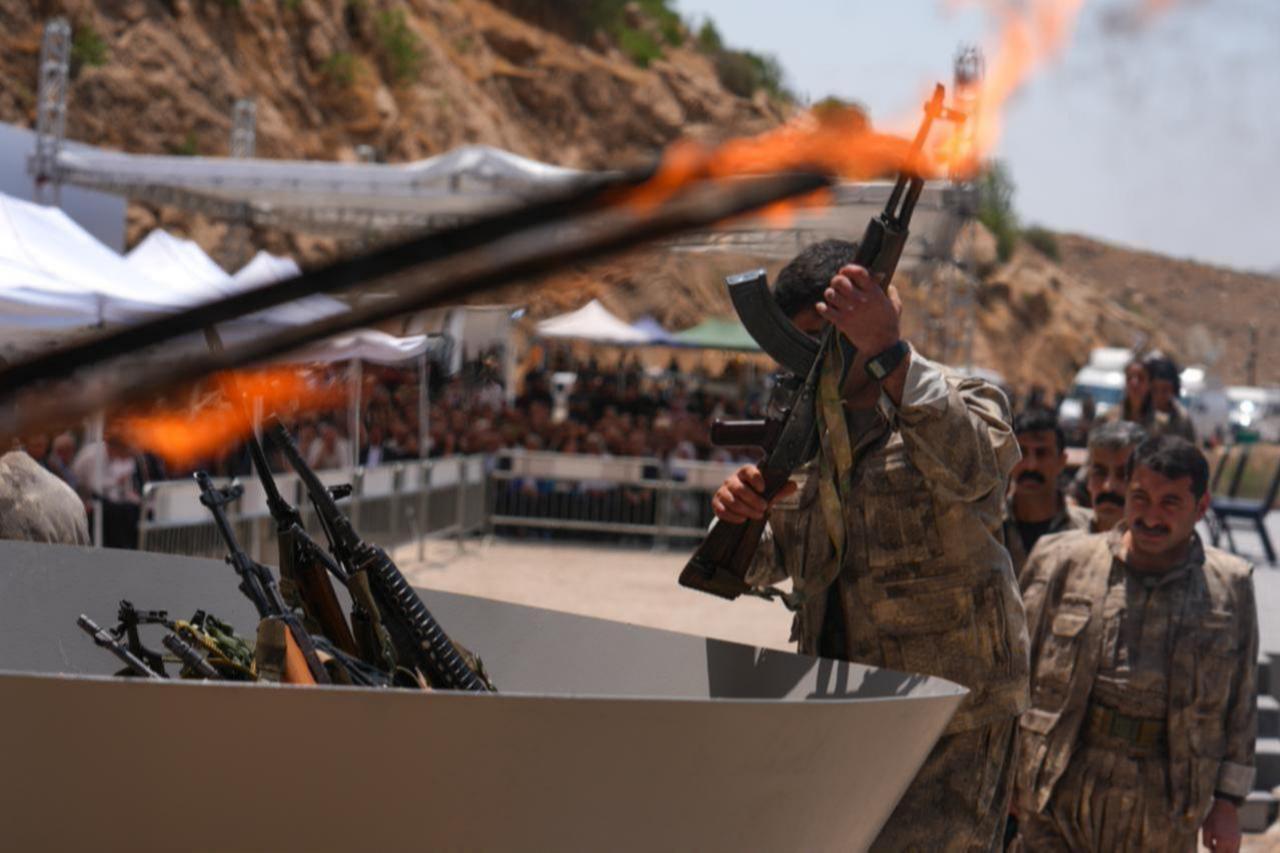


In September 1992, news of the capture of Abimael Guzman, the leader of Shining Path, a far-left Maoist guerrilla group that waged a brutal internal conflict in Peru, was greeted with celebrations across the country. Many believed that this moment would mark the end of a radical insurgency responsible for tens of thousands of deaths since the 1960s. But that is not what happened.
In the years that followed, Shining Path significantly reduced the frequency of its political violence. But it didn't disappear completely; its remaining cells adapted to the situation. Over time, the organization evolved from an ideologically driven insurgency into a network increasingly engaged in criminal activities.
Today, remnants of the group are linked to kidnapping and drug trafficking operations, demonstrating that organizational decline does not necessarily mean dissolution.

Similarly, in Ireland, the emergence of the Real Irish Republican Army (IRA) highlights the inherent risks of peace processes that fail to secure full organizational cohesion. Rejecting both the Good Friday Agreement and the ceasefire declared by the Provisional IRA, the group carried out the 1998 Omagh bombing, killing 29 people and injuring hundreds.
In addition to donations, extortion and smuggling constituted key sources of revenue, illustrating how splinter factions can sustain themselves by combining ideological militancy with entrenched criminal activity.
A comparable trend can be observed in Colombia. The government sought to end decades of violence through negotiations with the Revolutionary Armed Forces of Colombia (FARC).
The 2016 peace process led the group’s leadership to formally disarm. However, not all factions accepted the deal. Even before disarmament, FARC had financed its operations through illicit activities in the so-called “liberated zones.”
In the aftermath, several dissident groups refused to demobilize and gradually transformed into criminal organizations. These so-called “ex-FARC mafias” continue to generate income from drug trafficking and illegal mining, remaining a significant security challenge for Colombia.
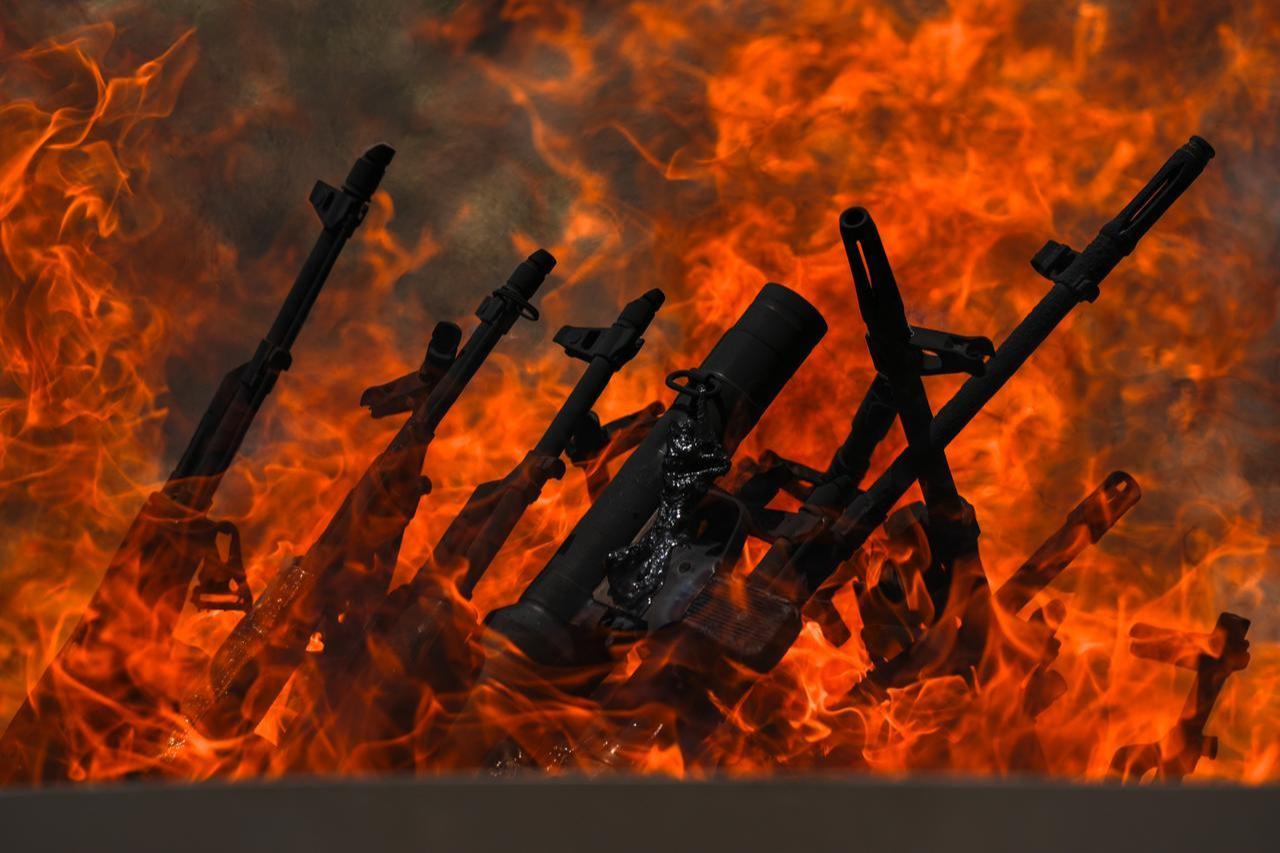
Türkiye’s experience presents a different but related case. The capture of PKK ringleader Abdullah Ocalan in 1999 and the expanded use of domestically developed drone technologies in the late 2010s marked important milestones in the fight against the PKK.
In recent years, the possibility of ending PKK terrorism through dialogue has increasingly become a subject of domestic political debate. However, one critical dimension remains underexamined: the organization’s deep entanglement with organized crime.
Türkiye holds a key geopolitical position between Afghanistan, one of the world’s major narcotics production centers, and Europe, one of its largest consumer markets.
The “Balkan route” constitutes a primary corridor for drug trafficking into Europe, and the PKK has long been active along this route.
Estimates suggest that drug trafficking represents one of the organization’s largest sources of revenue, generating over $1 billion annually.
Beyond narcotics, the PKK has systematically relied on migrant smuggling, extortion, and the exploitation of diaspora communities, particularly in Europe.
These activities underscore a broader reality: the PKK is not only a terrorist organization but also part of a complex transnational criminal economy. This dual character amplifies its threat, extending beyond Türkiye to regional security at large.
The cases of Shining Path, Real IRA and FARC offer important lessons for the study of terrorism. Whether governments pursue leadership decapitation strategies, military campaigns, or negotiated settlements, the risk of fragmentation remains.
Armed groups may splinter into smaller units that continue operating under new forms. While decisions to lay down arms may reduce political violence, they do not automatically dismantle the economic and criminal networks built over decades.
The 2024 attack on TUSAS that occurred amid renewed debates over a negotiated resolution to the PKK conflict may be read as an indication that certain factions within the organization are likely to reject disarmament.
Ultimately, the challenge is not simply to end violence but to dismantle the structures that sustain it. As global experience shows, armed organizations rarely disappear; they evolve.
For this reason, any effort to resolve the PKK conflict, regardless of the method chosen, must be accompanied by a parallel strategy targeting its criminal infrastructure.
Otherwise, the threat may not disappear but merely transform.


 Set as preferred source
 Set as preferred source


 1 min read

 1 min read