Newsletters




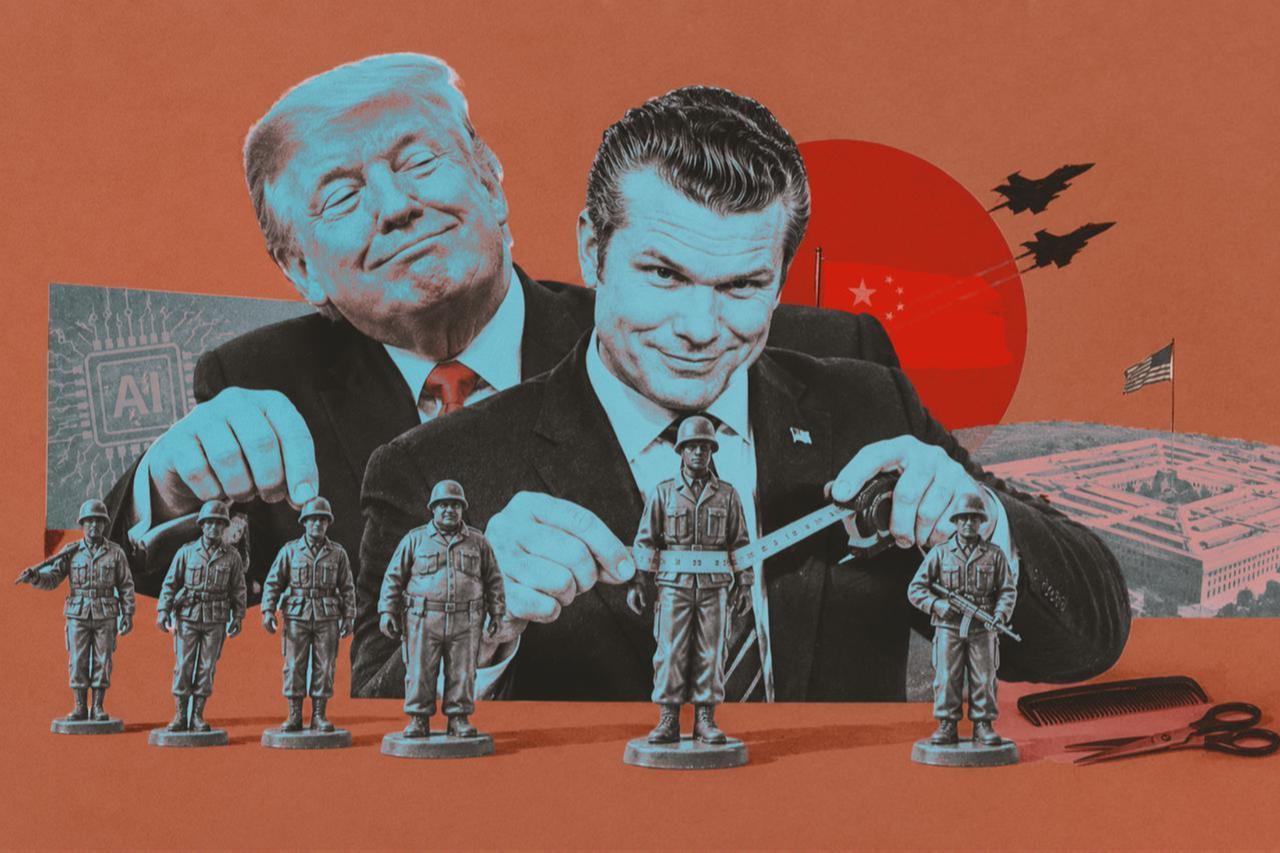
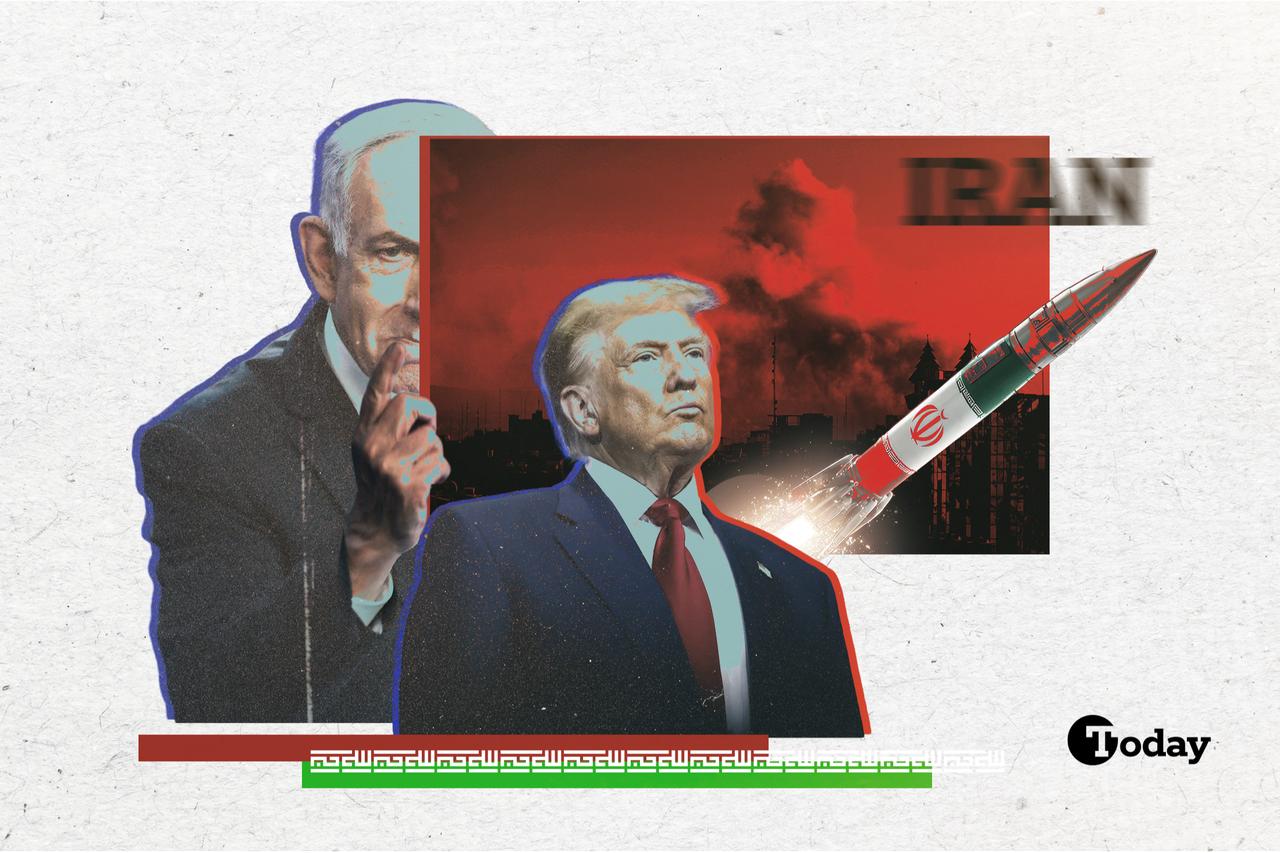
One of the key details of the current war in Iran is the apparent lack of a strategy and a clear political goal on the part of the Trump administration.
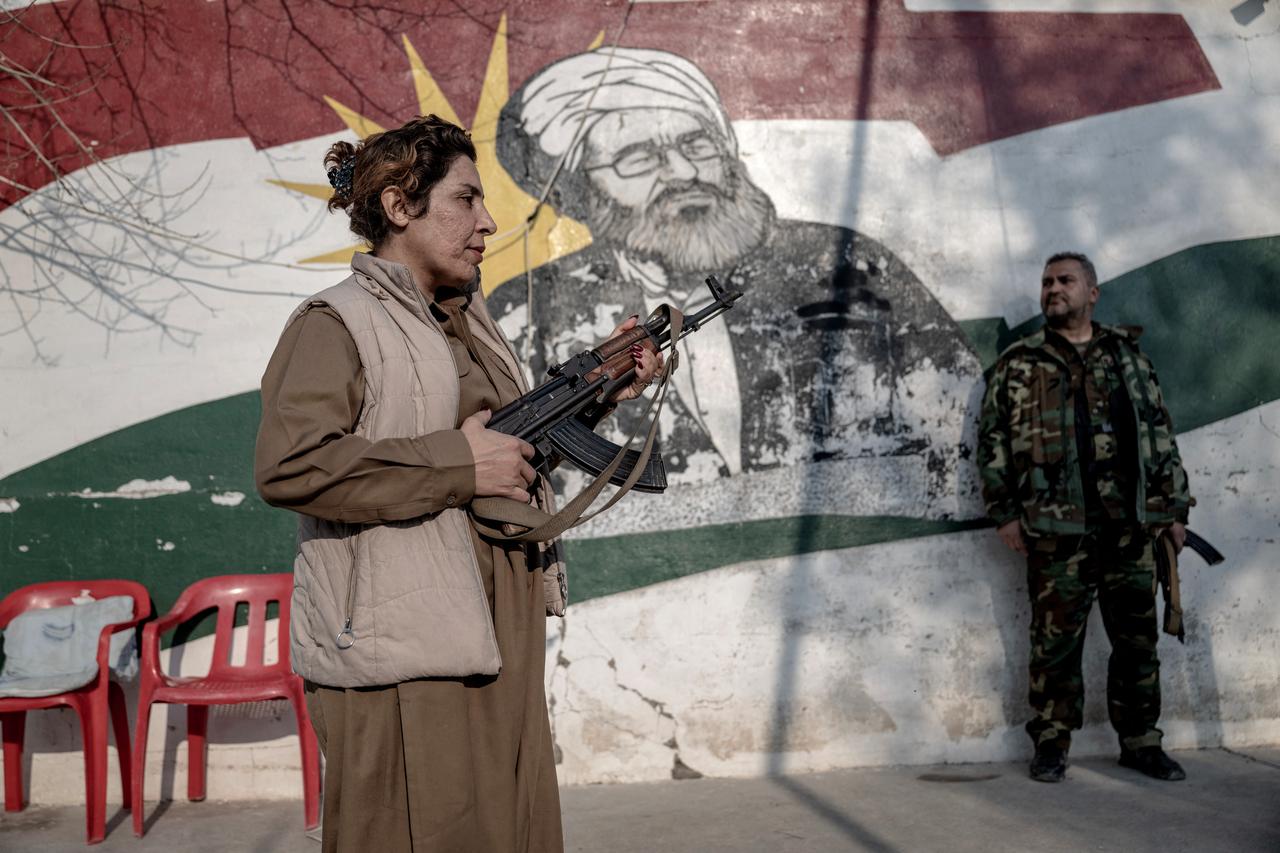
Since the initial attacks, the administration has floated several different ideas. Among them was the idea of arming the Iranian Kurds.
However, Trump later retracted both his intention and his statements. Many observers saw Türkiye’s objections as the reason, but this time it was the Kurds themselves who pushed back against becoming pawns or arms for hire.
The Turkish government undoubtedly saw the news about a potential American plan to arm the Iranian Kurds as a serious threat to its national security and likely protested the idea. For Türkiye, this news felt like deja vu.
In 2014, the peace process with the PKK collapsed mainly due to American military support for “the Kurds” in Syria. Now, as Türkiye has again engaged in a process with the PKK, the U.S. is discussing the possibility of providing military support to “the Kurds” in Iran.
However, just as Türkiye was unable to prevent the U.S. from supporting the PKK’s Syrian branch against Daesh in 2014, it would very likely struggle to stop Washington from supporting Iranian Kurdish groups—among them the PKK’s Iranian branch.

 1 min read
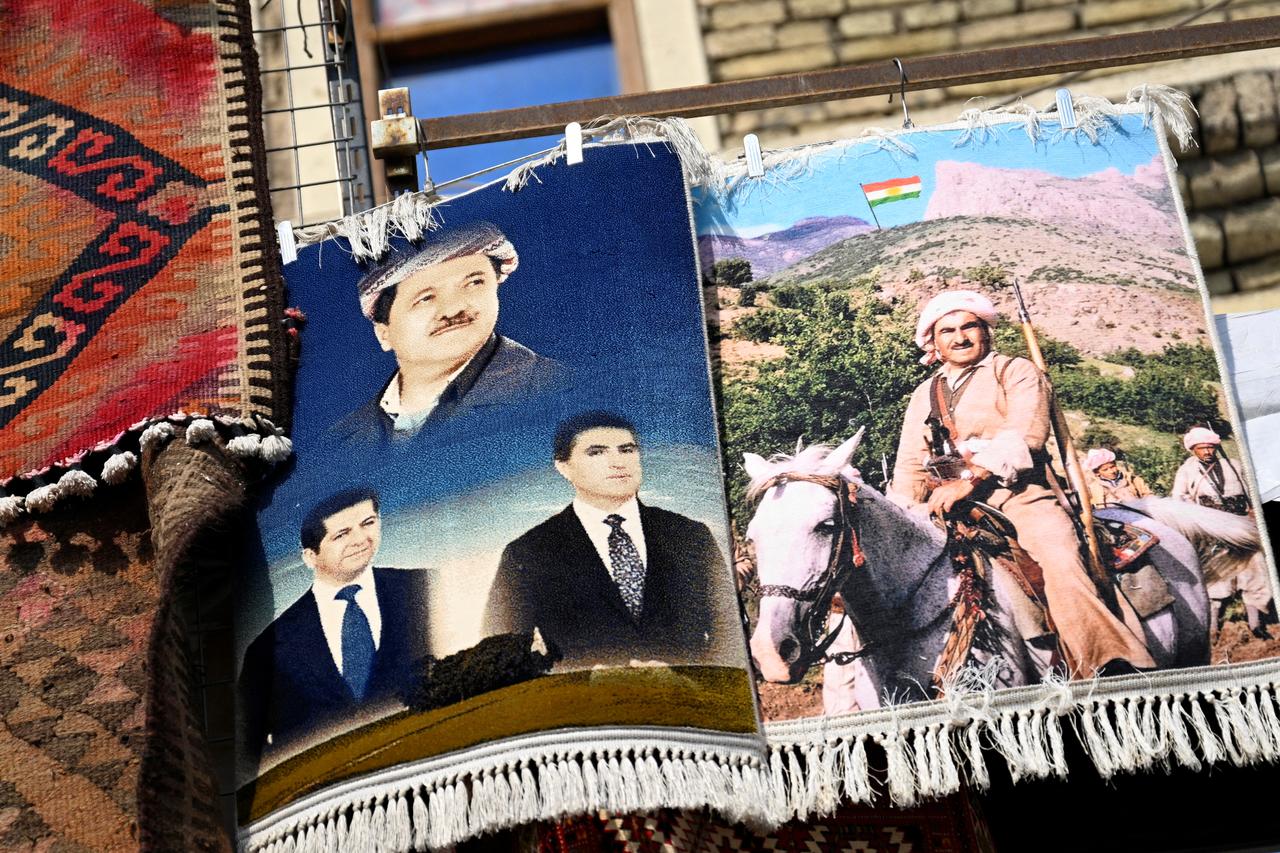
When figures within the Trump administration—and likely in Israel—first floated the idea of supporting Iranian Kurdish groups, many initially expected Kurdish parties to welcome it enthusiastically.
However, Kurdish political actors proved far more cautious.
Bafel Talabani even publicly rejected the idea, while Masoud Barzani was unwilling to throw his political weight behind it.
The Iraqi Kurdish leadership understands that Iranian Kurds are the most divided and fragmented of the Kurdish communities across the four states where Kurds live. They are also well aware of the Shia-Sunni divide among Kurds in Iran.
For Türkiye, the PKK's reaction was important.
The People’s Equality and Democracy Party (DEM Party) publicly rejected the proposal and framed it as a form of “Israeli imperialism.” Meanwhile, the Syrian branch of the PKK and many Syrian Kurds warned their Iranian counterparts not to trust the United States.
For Türkiye, the PKK’s stance offers genuine hope that the current peace process may succeed. It suggests that there may be a real shift in thinking within the PKK—one that prioritizes engagement with Türkiye and with their Turkish and Arab neighbors, rather than serving as proxies for external powers.


 Set as preferred source
 Set as preferred source


 1 min read