Newsletters


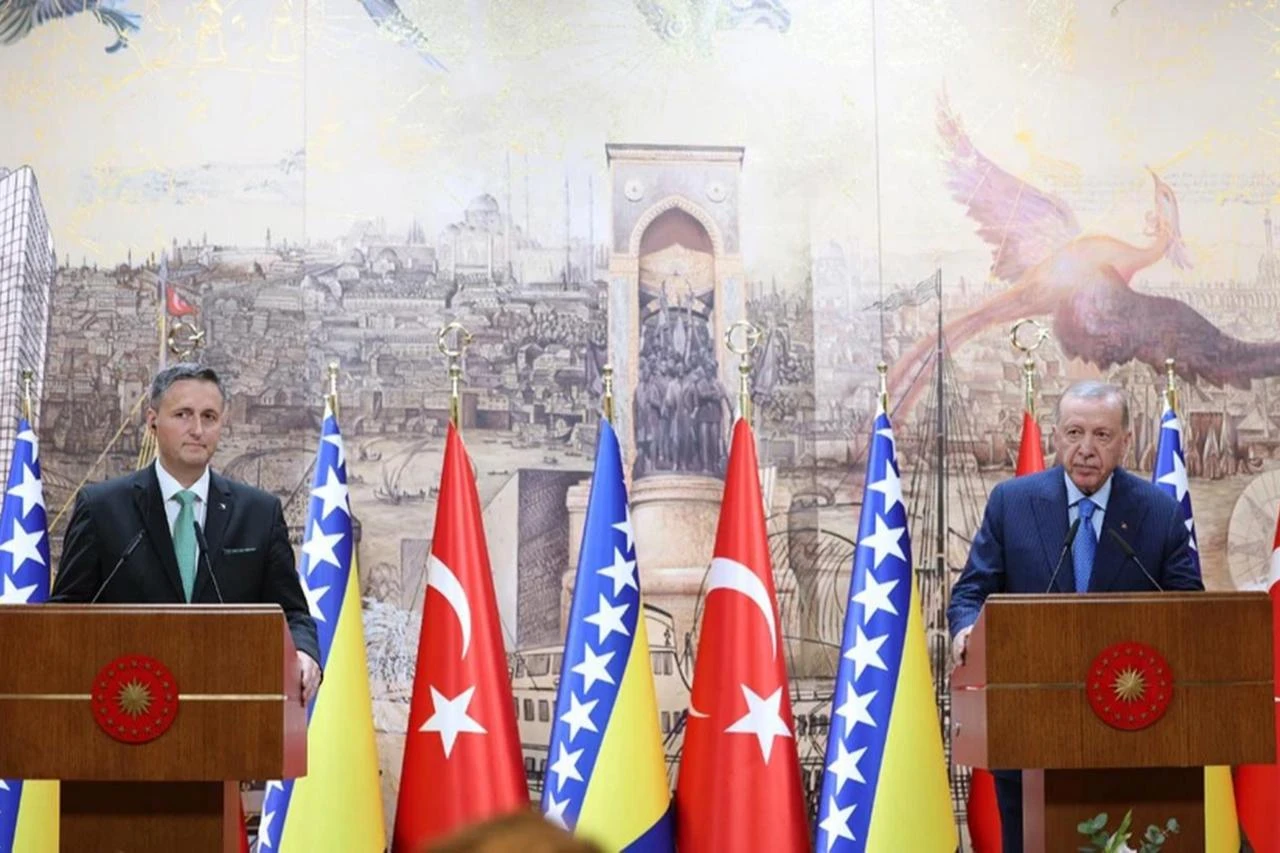


This week, all roads in transatlantic diplomacy will lead to Ankara. On July 7-8, Türkiye will host the 2026 NATO Leaders Summit, welcoming leaders from all 32 member states at one of the alliance’s most consequential gatherings in years.
The meeting comes at a volatile moment—a fresh ceasefire has paused direct clashes between the U.S., Israel, and Iran, while Russia’s war in Ukraine persists without a clear political settlement.
For President Recep Tayyip Erdogan, hosting the summit is more than a diplomatic achievement.
The event serves as clear recognition that Türkiye has re-emerged as one of NATO’s most indispensable members. Once viewed by some allies as an unpredictable partner, Ankara now sits at the center of nearly every major security discussion stretching from the Black Sea to the Middle East.
The summit's agenda reflects that reality. NATO leaders are expected to reaffirm their commitment to collective defense, strengthen military readiness, expand defense production and continue long-term support for Ukraine.
At the same time, the alliance faces growing pressure to demonstrate unity as Europe assumes greater responsibility for its own security.
Ukraine will inevitably dominate the discussions. While NATO has repeatedly affirmed that Ukraine’s future lies within the alliance, it also maintains that formal accession remains impossible as long as the war with Russia persists.
Instead, allies are expected to deepen military assistance and long-term security cooperation. Ukrainian President Volodymyr Zelenskyy is also expected to attend the leaders’ dinner hosted by Erdogan on the eve of the summit.
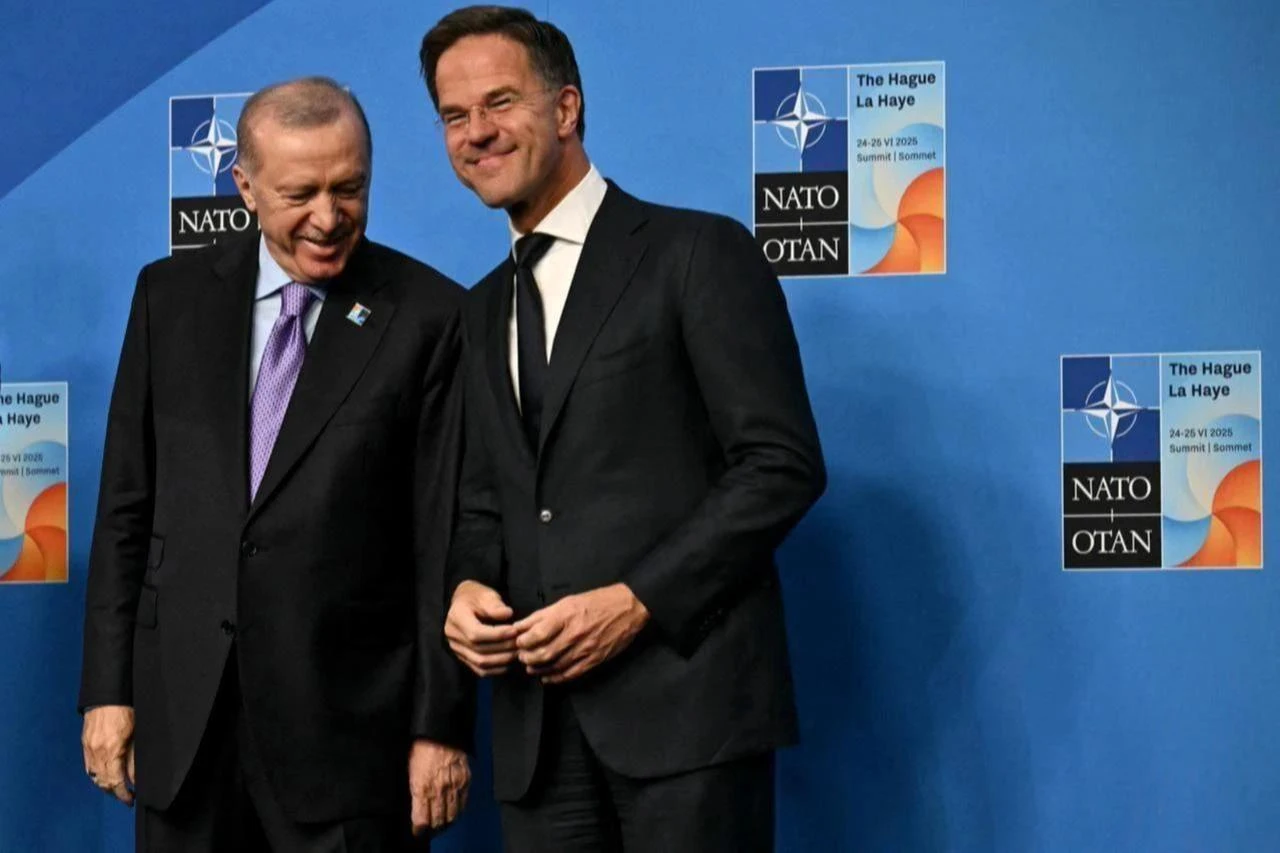

Yet for the Western Balkans, Ankara should represent something more than another discussion about Ukraine. Nearly every country in the region is already a part of NATO.
Greece, Bulgaria, Romania, Albania, Montenegro, North Macedonia and Croatia form a continuous security belt stretching from the Mediterranean to the Black Sea. Serbia remains militarily neutral, while Kosovo’s long-term security architecture is still evolving. Bosnia and Herzegovina, therefore, occupies a unique strategic position. Ironically, Bosnia is procedurally closer to NATO than Ukraine.
It participates in NATO’s Membership Action Plan (MAP), the alliance’s formal program for aspiring members. Its armed forces have spent years reforming according to NATO standards, participating in joint exercises and working closely with allied militaries.
The obstacle is no longer military readiness but politics.
Ukraine presents a starkly different reality. At the 2023 Vilnius Summit, NATO eliminated the Membership Action Plan (MAP) requirement, streamlining Kyiv’s accession into what the alliance termed a “one-step process.” Yet, while Ukraine has successfully cleared most technical hurdles, its path remains blocked by the ongoing war and a lack of political consensus among allies.
Bosnia, meanwhile, already sits inside NATO’s formal accession framework but remains politically stuck because of internal divisions.
Those divisions are centered in the Bosnian entity Republika Srpska, whose leadership has consistently opposed NATO membership while advocating military neutrality and maintaining close political ties with both Serbia and Russia.
Milorad Dodik has repeatedly rejected deeper cooperation with the alliance, challenged state-level decisions on foreign and security policy, and used Bosnia’s complex constitutional structure to slow or block progress toward Euro-Atlantic integration. As long as that political deadlock persists, Bosnia risks remaining the paradox of NATO enlargement: institutionally prepared, yet politically frozen.
The comparison between Ukraine and Bosnia shows that NATO enlargement today is driven as much by geopolitics and political will as by reforms.
That is precisely why Bosnia’s two most important partners at this summit should be Türkiye and the United States. President Donald Trump has repeatedly praised Erdogan as “a hell of a leader,” highlighting a relationship built less on ideological alignment than on pragmatism and mutual interests.
Both leaders have often approached foreign policy through the lens of stability, security and economic opportunity rather than abstract geopolitical debates. Sarajevo should recognize the opportunity this creates.
Bosnia’s NATO membership should be framed as a strategic investment in regional stability.
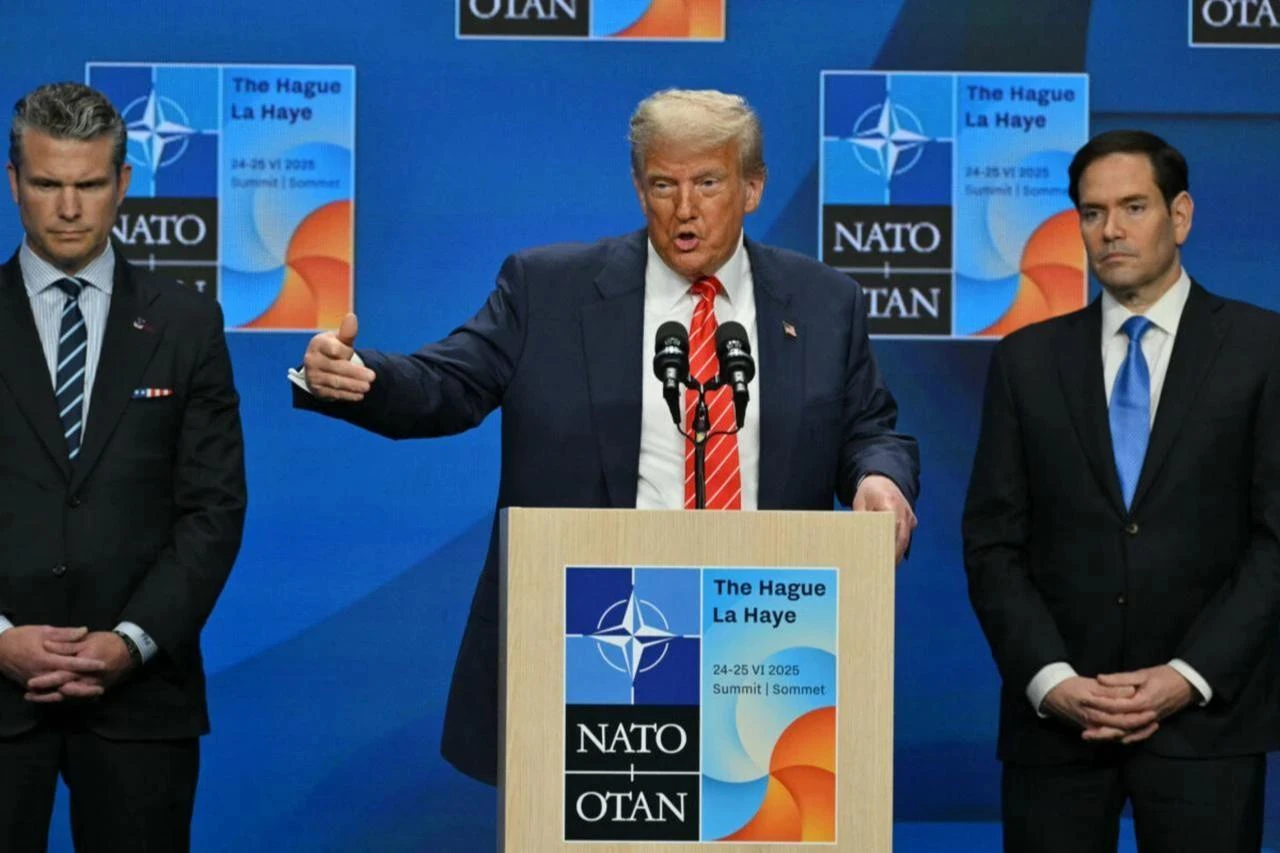
That argument fits both Ankara’s and Washington’s increasingly transactional approach to foreign policy. A secure Bosnia strengthens the Balkans. A stable region attracts investment, improves regional connectivity and leaves less room for Russian influence. Stability is not simply a security objective; it is an economic one.
Russia’s influence in Southeast Europe has never depended primarily on military power. It has thrived on political paralysis, institutional weakness and unresolved constitutional disputes.
Every year that Bosnia remains trapped in political limbo creates new opportunities for external actors to exploit divisions and weaken the Euro-Atlantic project. The Ankara summit, therefore, offers Sarajevo an opportunity it should not waste.
Rather than seeking shortcuts into NATO, Bosnia should use the gathering to convince both Ankara and Washington that completing its Euro-Atlantic integration serves the alliance’s own strategic interests. Bosnia must continue to implement every reform expected of an aspiring member.
But once those obligations are fulfilled, its path should not remain indefinitely hostage to domestic political obstruction if NATO genuinely wants lasting stability in Southeast Europe. Türkiye is uniquely positioned to help make that case.
 1 min read
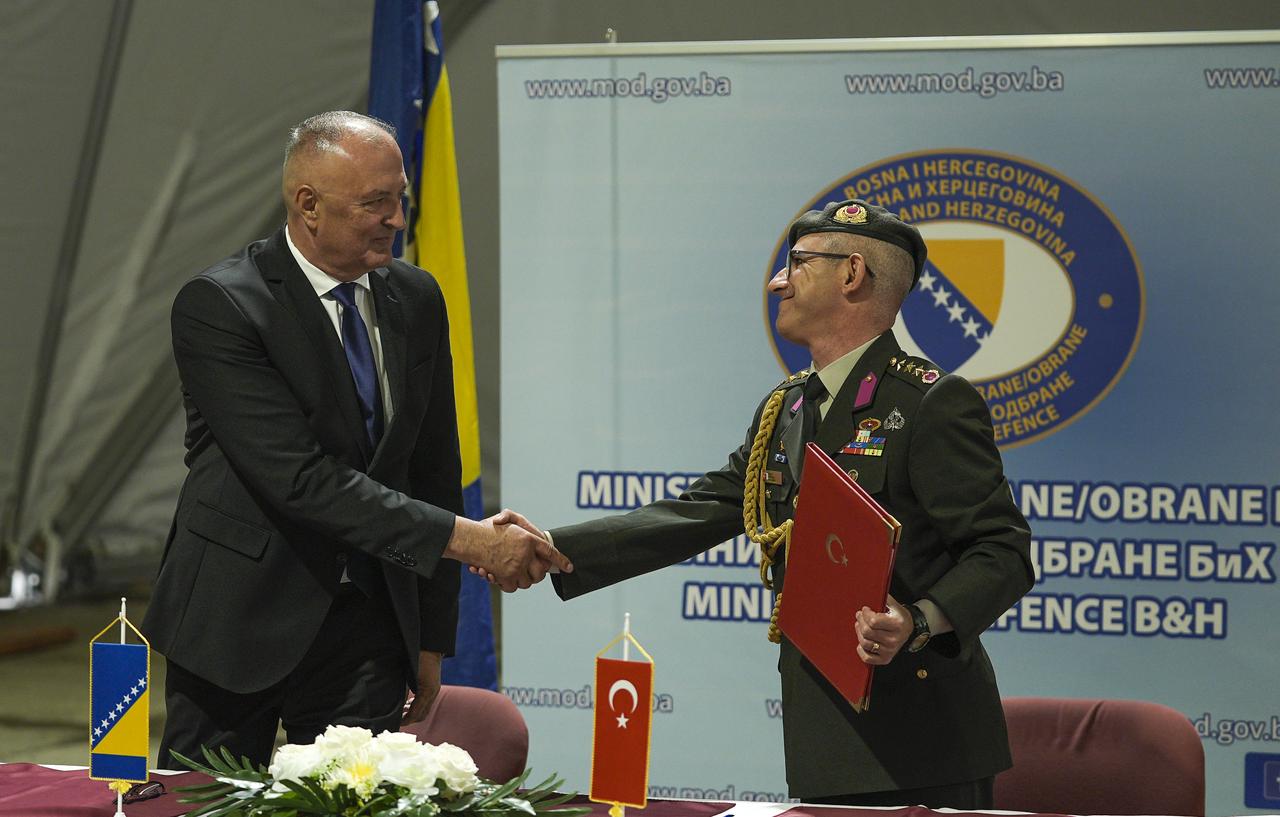
Few allies maintain meaningful dialogue simultaneously with Sarajevo, Belgrade, Banja Luka and Washington. Combined with Erdogan’s close working relationship with Trump, Ankara has a rare opportunity to elevate Bosnia higher on NATO’s strategic agenda.
The stakes extend well beyond geopolitics.
Bosnia and Herzegovina continues to lose tens of thousands of citizens through emigration every year, particularly young people seeking political certainty, stronger institutions and economic opportunity elsewhere in Europe.
NATO membership alone will not reverse that trend. But a credible and achievable path toward membership could send a powerful signal that Bosnia has a future inside the Western community rather than in a permanent geopolitical grey zone.
Neither Ankara nor Washington can decide Bosnia’s future on its behalf—nor, of course, should they. But together they possess more influence than any other two allies over the political actors capable of moving Bosnia beyond years of paralysis.
If the Trump-Erdogan relationship can be used to build consensus around stability, investment and security in Southeast Europe, then Bosnia’s NATO path should be part of that conversation.
Breaking the political deadlock would not simply benefit Bosnia; it would strengthen NATO’s southeastern flank and close one of the last strategic gaps in the Western Balkans.
U.S. Secretary of State Marco Rubio recently made Washington’s position clear: while the United States has little appetite for open-ended nation-building, it will not allow Bosnia and Herzegovina to disintegrate or slide into another conflict.
If stability is the objective, then Bosnia’s NATO integration should be viewed not as an act of idealism, but as a strategic investment. That is the message Sarajevo should bring to NATO: the strongest guarantee of lasting peace in the Western Balkans is not managing recurring crises, but preventing them altogether and stopping the same political actors from destabilizing the country and the region.


 Set as preferred source
 Set as preferred source



 1 min read