Newsletters


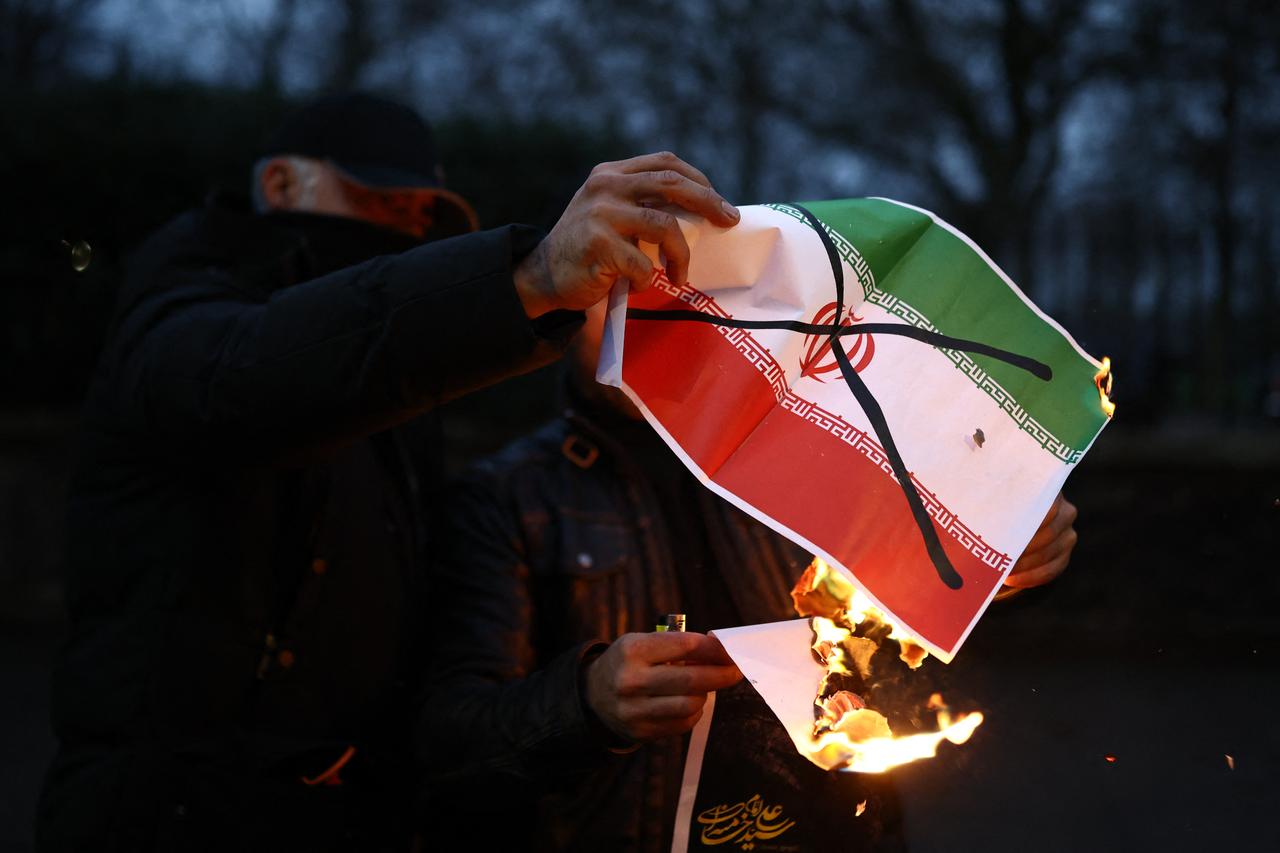


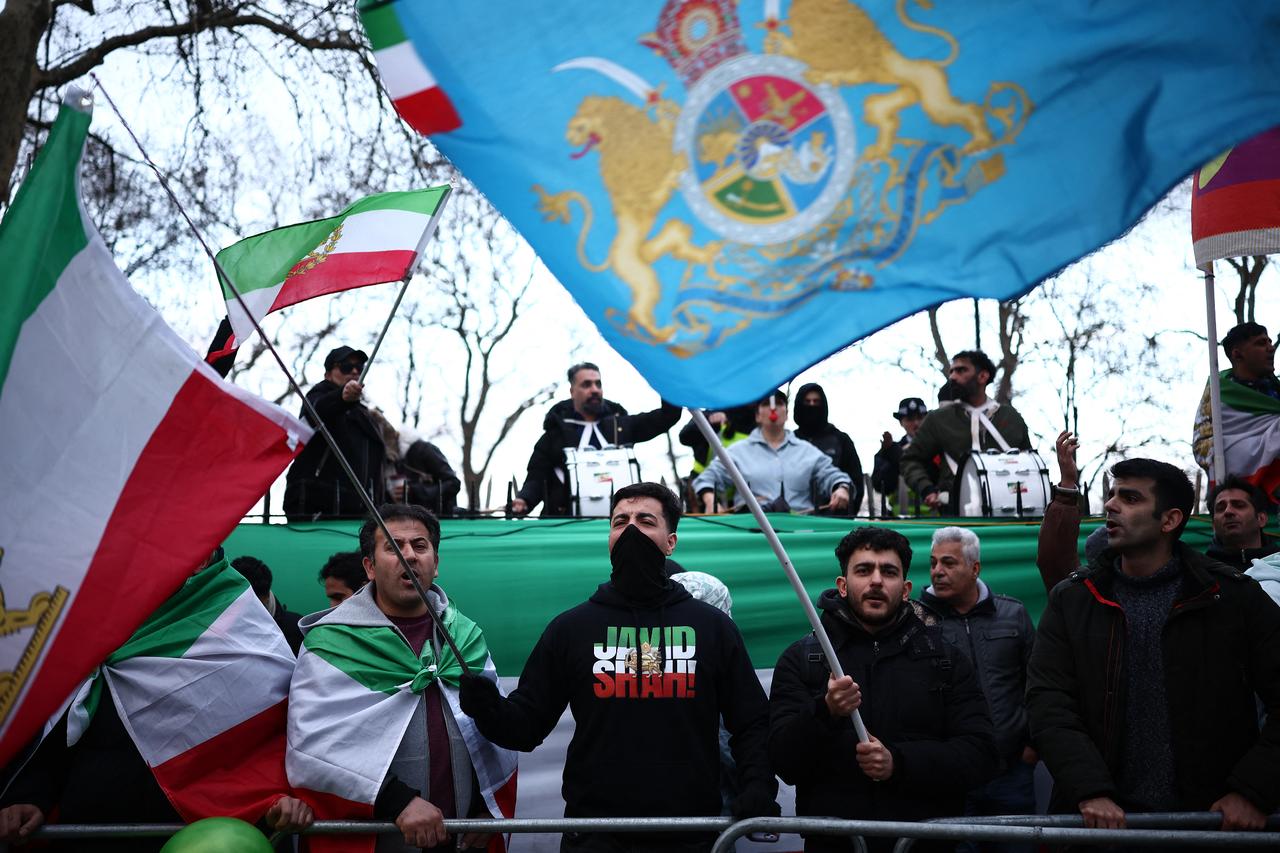
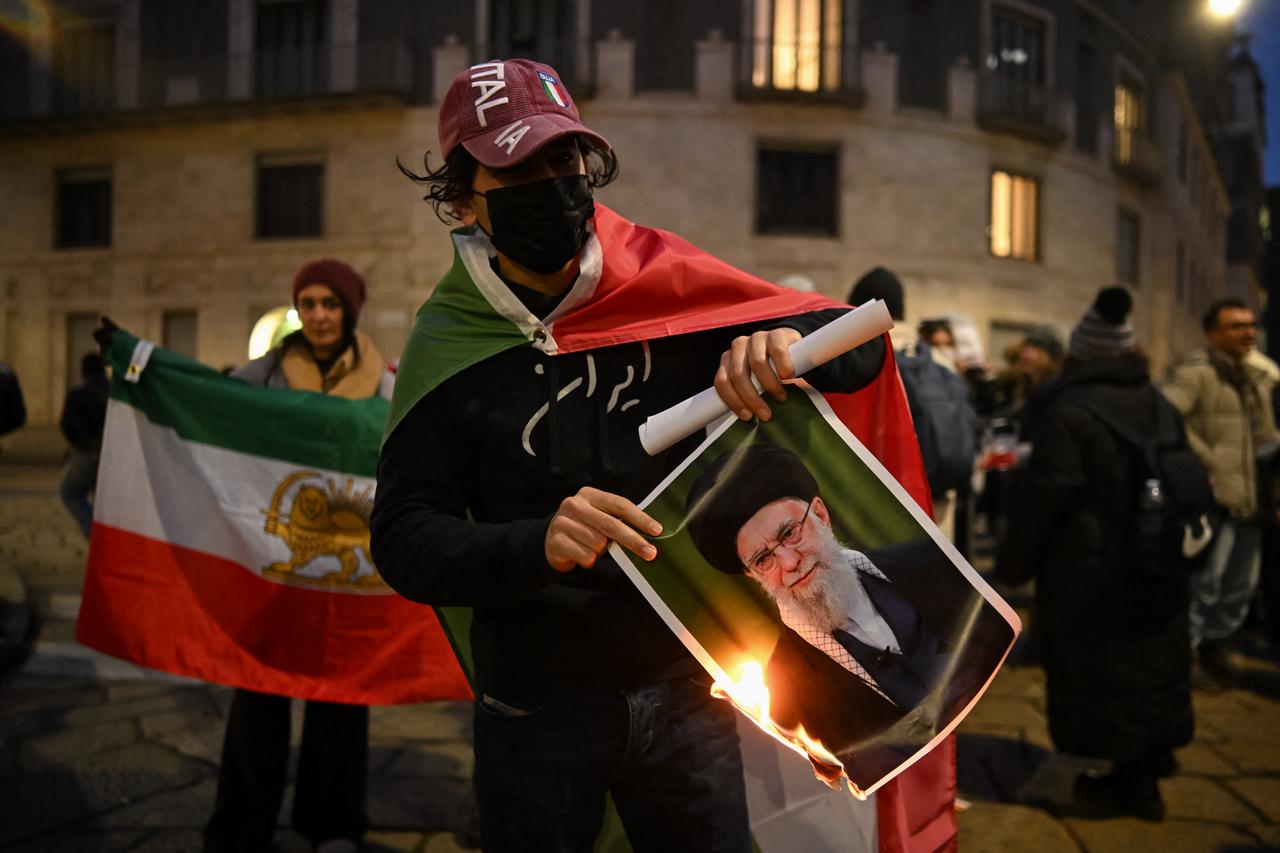
The recent wave of protests in Iran naturally invites comparison to the past. From the Green Movement of 2009 to the petrol price riots of 2019 and the Mahsa Amini protests of 2022, we have witnessed a recurring pattern: mass civil unrest followed by the regime’s resilient and often brutal survival.
While information flow remains restricted amid a near-total internet blackout, continued reports of unrest keep the geopolitical temperature dangerously high.
Washington has reiterated that all options remain on the table if the crackdown intensifies, creating a volatile atmosphere compounded by the regional fragility exposed by last year’s inconclusive escalations.
Whether these protests reignite or whether foreign powers possess the genuine will to intervene is a matter of speculation.
However, we must look beyond the ideological debates. If the Islamic Republic were to collapse, or conversely, if it were to fully reintegrate into the global fold, the consequences for Türkiye would be strategically consequential.
Therefore, we should set aside the sentimental aspects of regime change to focus on the cold geopolitical reality: a shift in Iran’s status quo is not necessarily an opportunity for Ankara but a formidable strategic challenge.
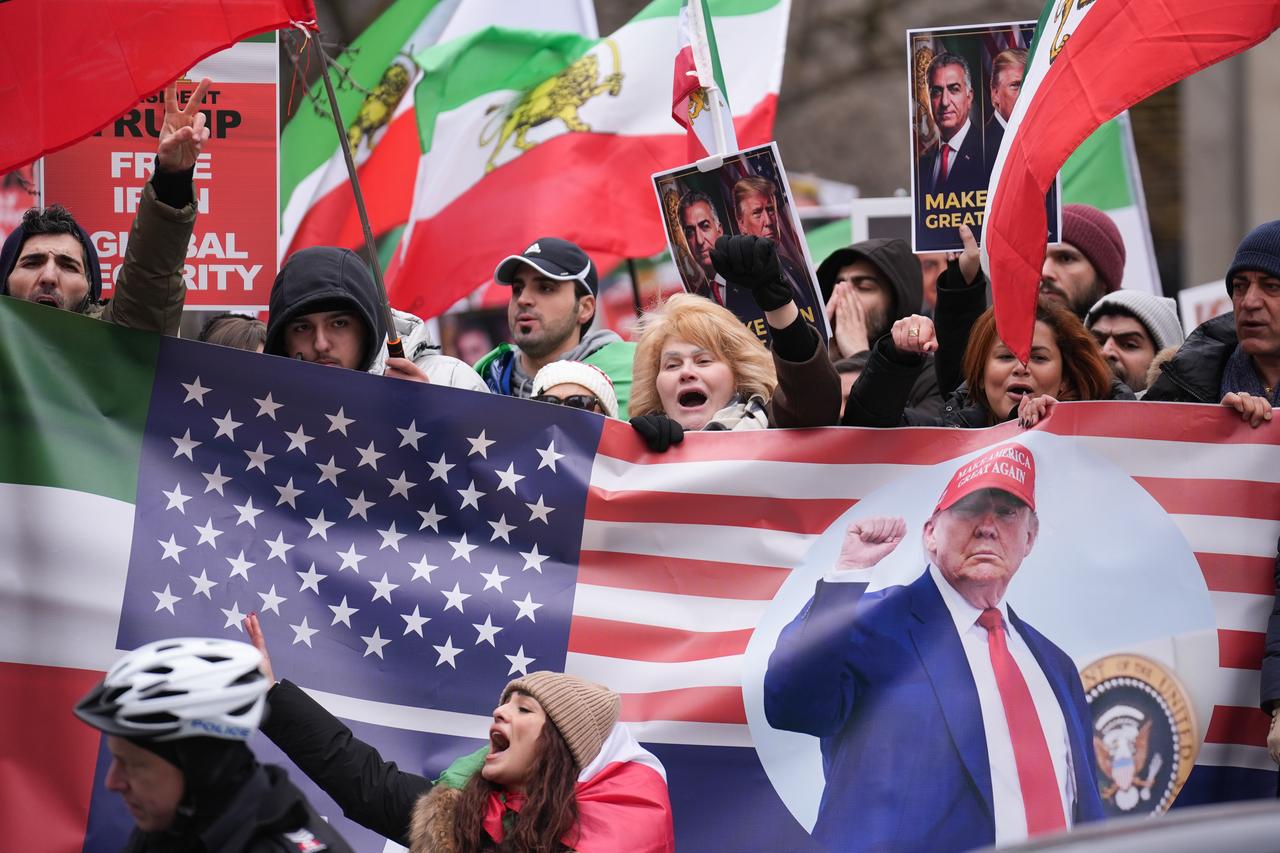

Türkiye has long aspired to transform from a simple transit country into a central energy hub, creating a marketplace anchored by physical storage and trading mechanisms where gas prices are determined.
Currently, this vision is amplified by the absence of scalable alternatives. However, a fundamental imbalance exists in the energy equation: Türkiye remains a net importer and carrier, despite recent domestic production gains like Sakarya, while Iran holds the second-largest natural gas reserves in the world.
In a hypothetical scenario where sanctions are lifted and Iran reintegrates into the global economy, Western energy majors will follow the logic of return on investment. In the energy sector, the highest margins are found in "upstream" activities like exploration and production rather than the regulated and low-margin business of "midstream" pipeline operations.
Consequently, global capital would likely prioritize modernizing Iran’s vast and underdeveloped fields rather than upgrading Türkiye’s transit network.
While geography suggests that the most logical route for Iranian gas to Europe is through Anatolia, this creates a strategic trap. If Western companies operate Iranian fields and sell directly to European buyers, Türkiye risks being reduced to a fee-collecting transit state.
It would collect transit revenues but lose strategic leverage over supply and pricing. Furthermore, there is a long-term technological threat. To reduce dependence on transit routes, a revitalized Iran could attract the massive capital required to develop liquefied natural gas (LNG) infrastructure.
Shipping gas directly from the Persian Gulf to European terminals would significantly erode the strategic weight of the Anatolian land route over the long term.
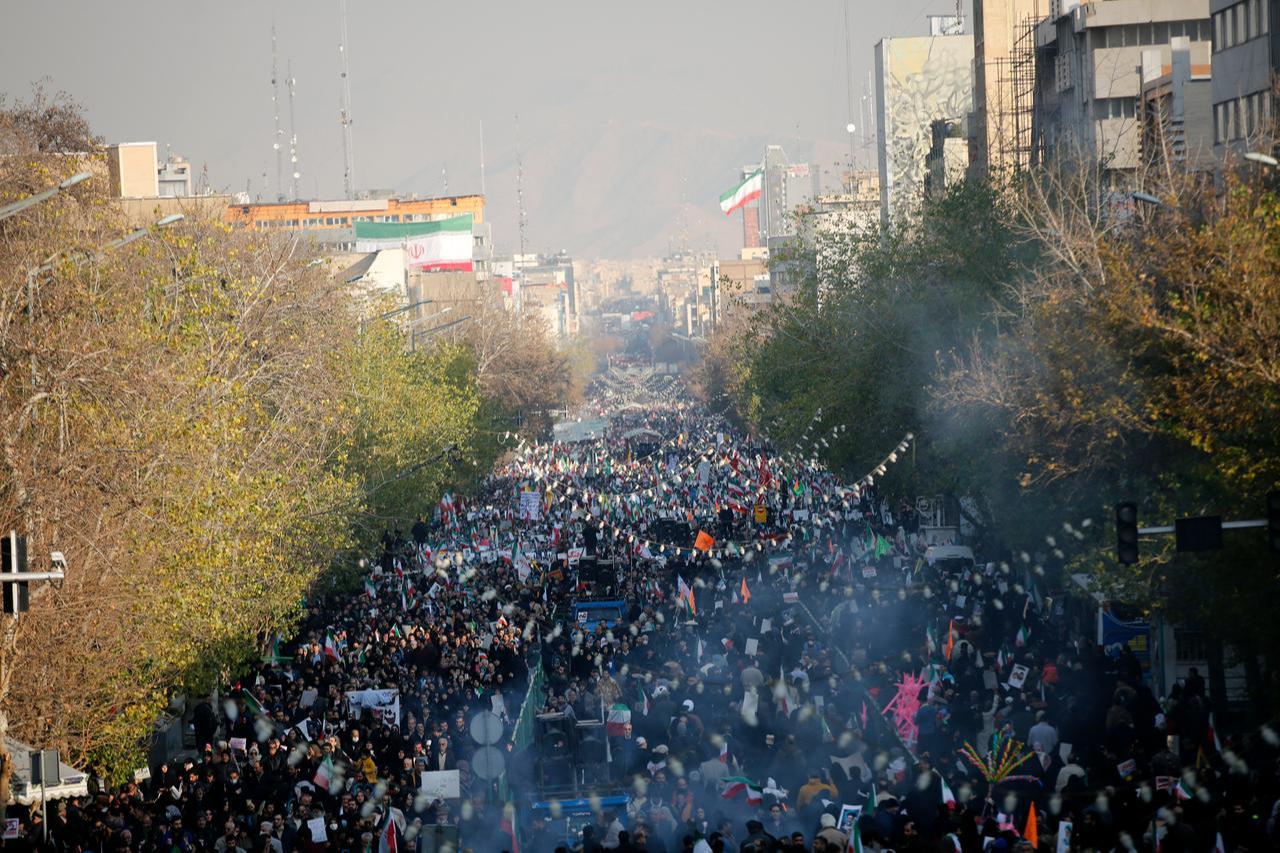
Türkiye currently enjoys a pivotal position in East-West logistics as the key node of the "Middle Corridor." Yet, we must admit that this dominance is largely circumstantial. The Northern Corridor via Russia is constrained by the war in Ukraine, and the Southern route via Iran is suffocated by sanctions. Türkiye acts as a critical artery by default, amplified by temporary constraints on alternatives.
Technically, the Middle Corridor is complex and costly. It requires multimodal transport, where cargo must be offloaded from trains to ships to cross the Caspian Sea and then reloaded onto trains.
This process inevitably increases freight costs and delivery times. In contrast, Iran offers a more direct land trajectory from the Persian Gulf to the borders of Türkiye and the Caucasus.
Projects like the International North-South Transport Corridor (INSTC), championed by Russia and India, aim to utilize Iranian ports like Chabahar to reach markets. While the INSTC also involves sea legs, the land connection through Iran can reduce reliance on the bottleneck of the Caspian ferry system.
In a post-sanction world, logistics companies will prioritize reliability, insurance premiums, and efficiency. If political barriers vanish, the natural flow of trade could shift south, eroding Türkiye’s current logistical advantage.
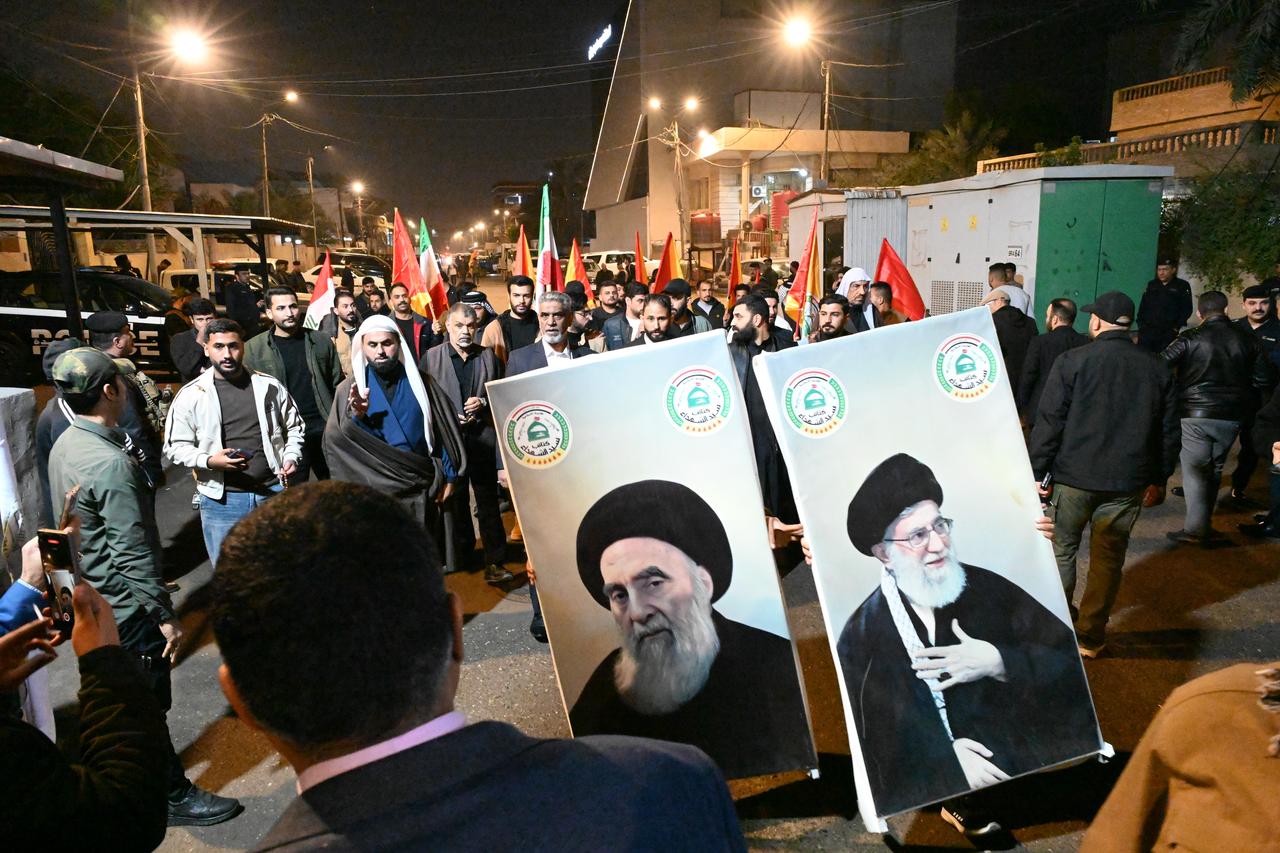
While some observers view the potential fall of the Tehran regime as a victory, a security-focused analysis suggests a grim outcome. In the Middle East, the collapse of a central authority does not lead to immediate democracy; it leads to a power vacuum filled by armed militias. Türkiye shares a 560-kilometer border with Iran, running through the extremely rugged Zagros Mountains. Currently, the Iranian state apparatus maintains security on its side of this difficult terrain.
If the central state fractures, existing cross-border security cooperation mechanisms risk unraveling. The resulting void would likely be exploited by groups such as PJAK, the Iranian offshoot of the PKK, along with various other armed factions and smuggling cartels.
Türkiye, already stretching its resources to secure the Iraqi border, would face a new and less regulated frontline extending hundreds of kilometers to the east. The mountainous geography would provide immense strategic depth for insurgent groups. Securing this line against asymmetric threats would require a level of military and economic mobilization that would strain Türkiye’s national security budget and operational tempo.
The refugee crisis triggered by the Syrian civil war tested the limits of Türkiye’s social and economic resilience.
However, comparing Syria to Iran is a category error. Syria had a pre-war population of roughly 22 million; Iran’s population now exceeds 90 million. Moreover, Iran currently functions as a demographic dam. It hosts millions of registered and unregistered Afghan refugees, estimated to exceed three million, and prevents them from moving westward.
A collapse of authority in Tehran would break this dam. The resulting wave would consist not only of Iranians fleeing chaos but also of the millions of Afghans currently residing there. Türkiye’s infrastructure, including housing supply and public services, is already operating at the saturation point. The fiscal space and social elasticity that allowed Türkiye to manage the influx in 2011 have been significantly reduced.
A migration surge of this magnitude would not be a mere humanitarian issue. It would threaten the operational capacity of the state and social cohesion in urban centers.
 1 min read
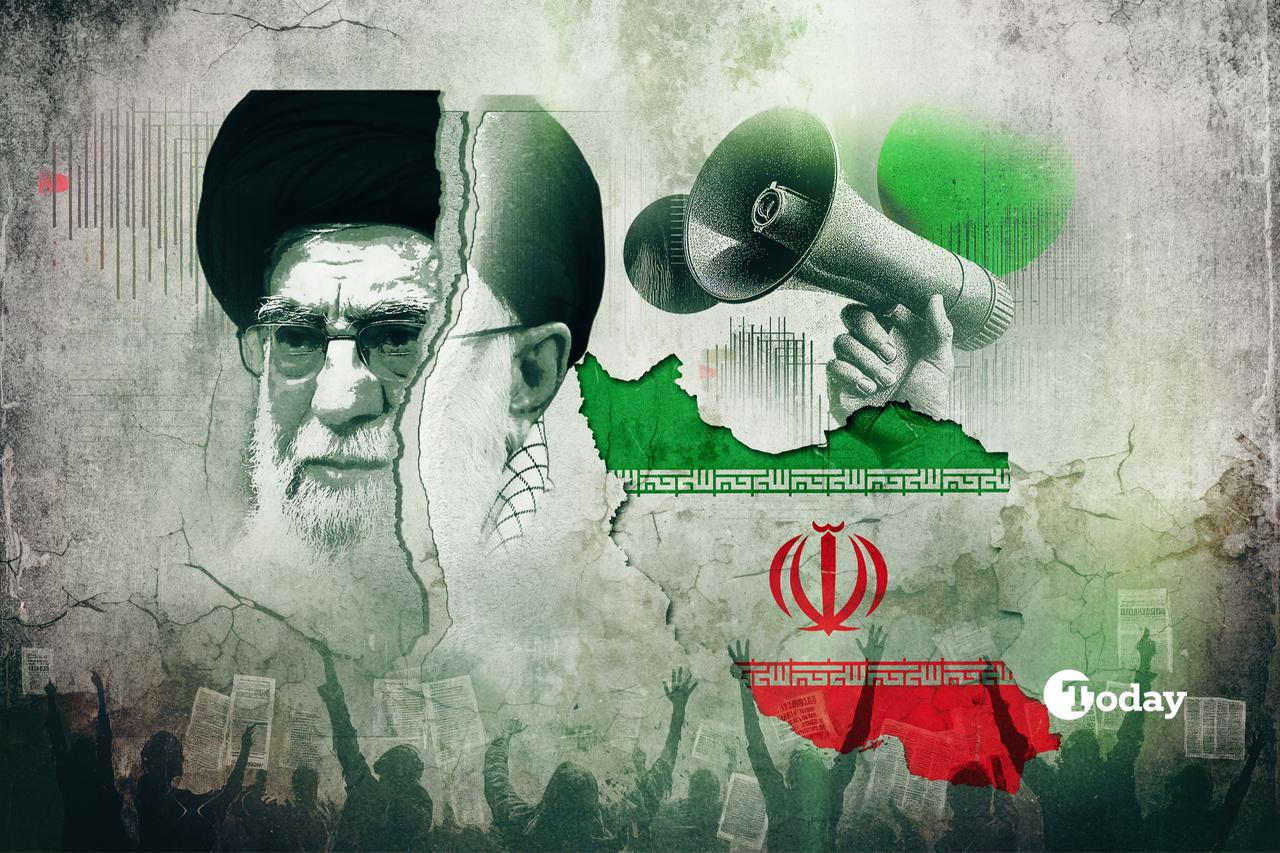
There is an understandable sympathy in Türkiye for the large Turkic population in Iran. However, statecraft requires decoupling emotion from strategy. The dilemma is stark: supporting an independence movement in Iran would contradict one of the core pillars of Turkish foreign policy, which is the preservation of the territorial integrity of neighbors.
If Ankara were to actively support the fragmentation of Iran along ethnic lines, it would lose the diplomatic consistency required to fight separatist narratives within its own borders. It would set a dangerous precedent that rivals could weaponize against Türkiye’s unitary structure.
Furthermore, the sociological reality of Iran is complex. Iranian Azeris are not simply a marginalized periphery group; they are represented across key institutions of the economy and the state.
A conflict in Iran would likely not be a clean ethnic partition but a messy, multi-layered civil war involving ideological and political factions. Intervening in such a chaotic theater carries the risk of dragging Türkiye into an open-ended entanglement with no clear exit strategy.
A realist assessment leads to a counterintuitive conclusion. Türkiye benefits most from a predictable and functionally stable Iran.
A fully normalized, sanctions-free Iran would emerge as a formidable competitor, challenging Türkiye’s aspirations in energy and logistics. Conversely, a collapsed Iran would generate severe security and demographic threats that would overwhelm Türkiye’s defenses.
Currently, Türkiye’s leverage is partly derived from the fact that its competitors are effectively offline. Recognizing this vulnerability is the first step toward genuine strategic autonomy. The map does not change, and the geography dictates that Iran remains a structural challenge.
Ankara’s best course is not to hope for a change in Tehran but to fortify its own internal infrastructure and economy against the shockwaves that either Iran’s rise or its fall would inevitably produce.


 Set as preferred source
 Set as preferred source


 1 min read