Sign in
 Newsletters


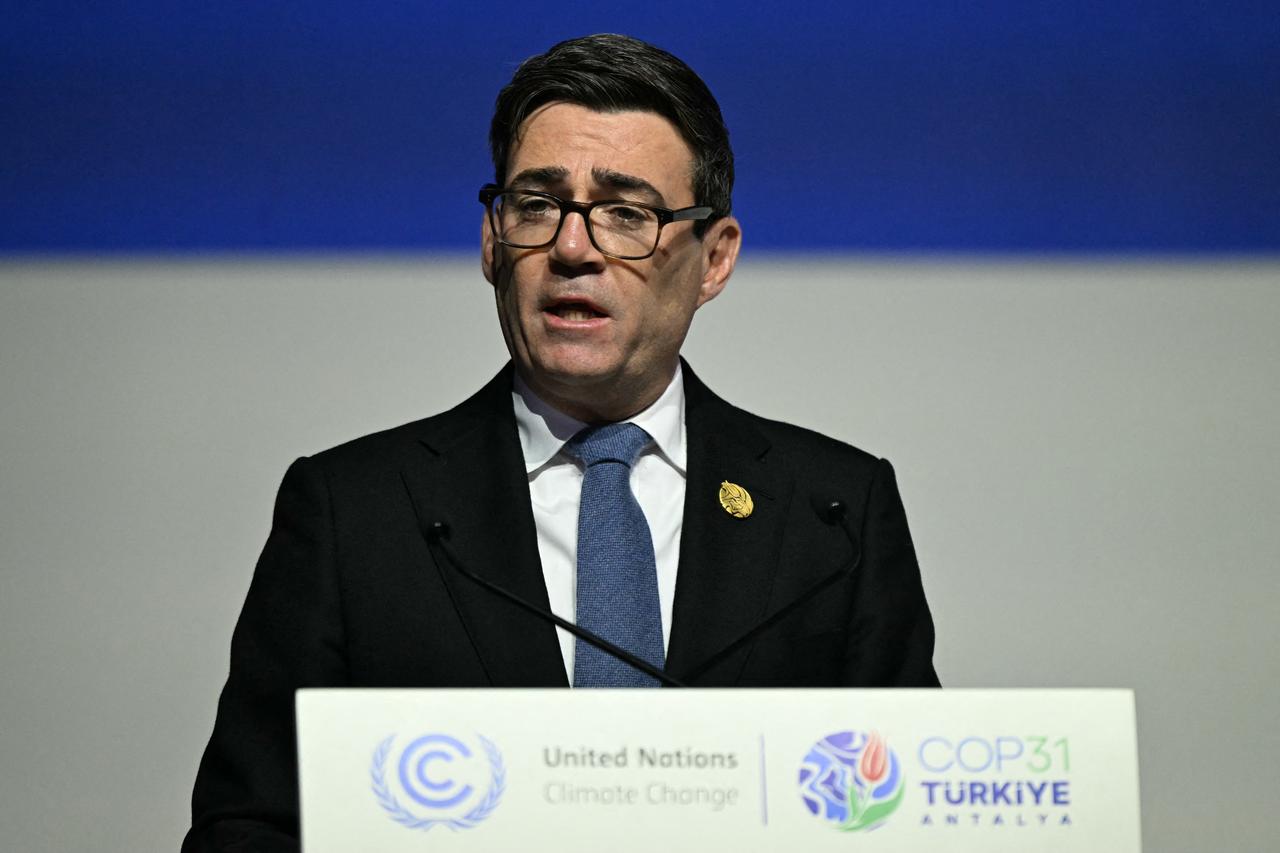


While most of the Group of Seven stayed home, British Prime Minister Andy Burnham flew to Antalya, a Mediterranean resort city in southern Türkiye, and addressed the 31st U.N. Climate Change Conference (COP31) on Nov. 12. The only G7 leader in the room, he reaffirmed the United Kingdom’s 2050 net-zero target and backed cross-border grid expansion.
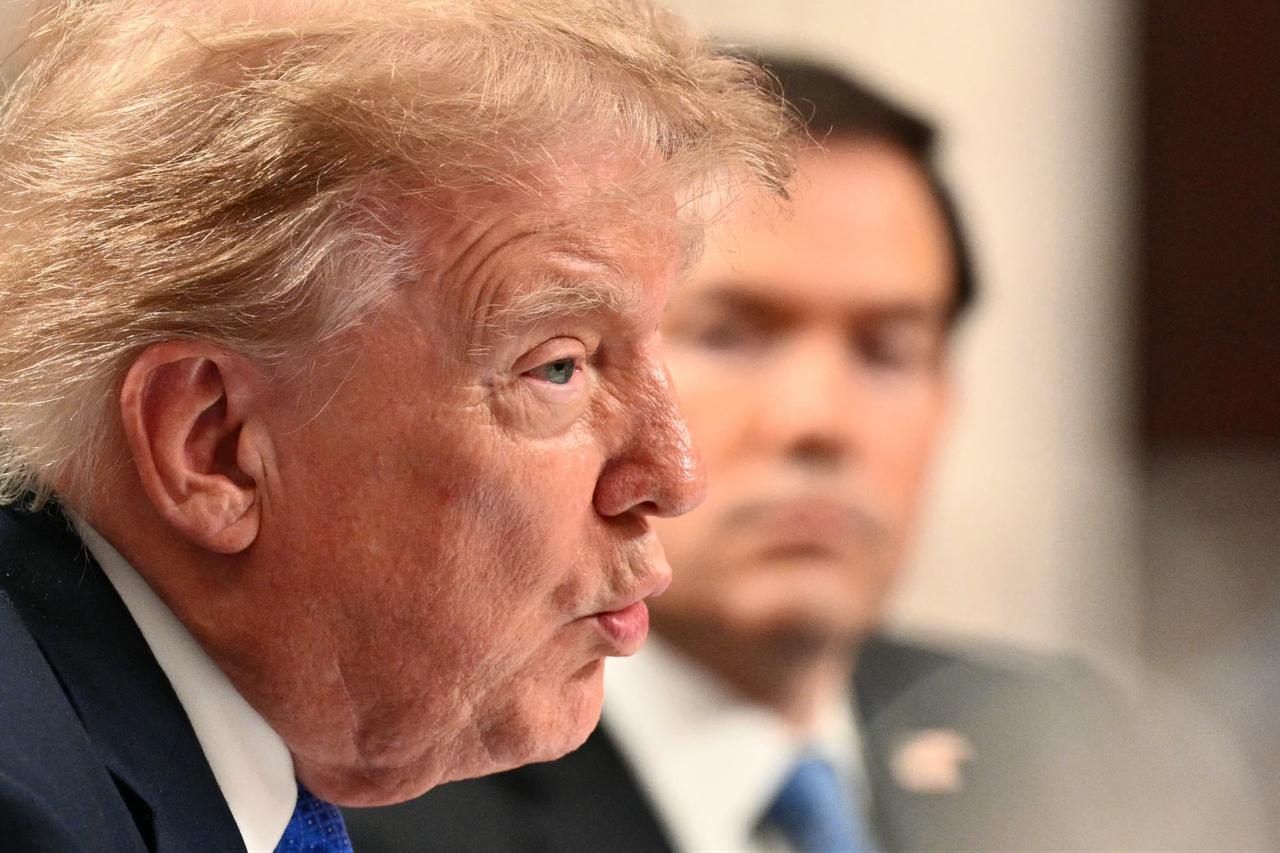
His six G7 counterparts stayed away. U.S. President Donald Trump met Xi Jinping and Vladimir Putin at the Asia-Pacific Economic Cooperation (APEC) summit in Shenzhen, a technology hub in southern China, while German Chancellor Friedrich Merz and French President Emmanuel Macron prepared a Berlin security summit.
Although the absence of most G7 leaders has raised concerns about high-level political engagement, it leaves Britain in a unique position as the sole G7 nation at the leaders' level. Instead of treating its attendance as a symbolic holdout, London could use this diplomatic space to bridge the gap between major economies and middle powers by partnering with Türkiye and Australia on grid electrification, transparent negotiation procedures and plurilateral climate-tax coalitions.
High-level summits have long strained the U.N. climate model. For three decades, conferences have centered the opening World Leaders' Summit on political speeches rather than working ministerial talks.
Domestic political pressures have often complicated those summits. More than 120 U.S. state, local and cross-sector leaders attended COP31, including 18 Democratic members of Congress and governors such as California's Gavin Newsom and Minnesota's Tim Walz, who used side events to demonstrate continued subnational support for climate action. Nonetheless, none of them can sign treaties or spend federal funds.
By contrast, COP31's presidency structure places formal operational authority in the hands of two middle powers. Türkiye's Murat Kurum, the Turkish minister for environment and climate change, serves as COP31 President, overseeing the conference and its Action Agenda, while Australia's Chris Bowen, the Australian climate and energy minister, serves as President of Negotiations, leading formal intergovernmental talks.
That partnership was established at the 30th U.N. Climate Change Conference (COP30) in Belem, Brazil, rather than emerging from the G7 absences at COP31.
The two countries represent economies with different energy structures and strategic interests. Türkiye is a manufacturing hub seeking to reduce fuel imports through domestic clean power, while Australia remains a major coal and gas exporter under pressure from Pacific neighbors to support a fossil-fuel phaseout. These differences test whether the two countries can move from shared presidency duties to common positions on fossil-fuel phaseout and transition finance.
Despite those divergent profiles, separating the Action Agenda from formal text talks lets Ankara and Canberra focus on two concrete areas where their priorities align. They can advance power-grid expansion and drafting transparency. That division of labor won early support from Fatih Birol, executive director of the Paris-based International Energy Agency.

Grid expansion is the first area where this cooperation can deliver results for Britain and the European Union. The COP31 Presidency launched the "35x35" global electrification pledge in New York on Sept. 21, 2026, to increase electricity's share of global final energy consumption from approximately 22% to 35% by 2035.
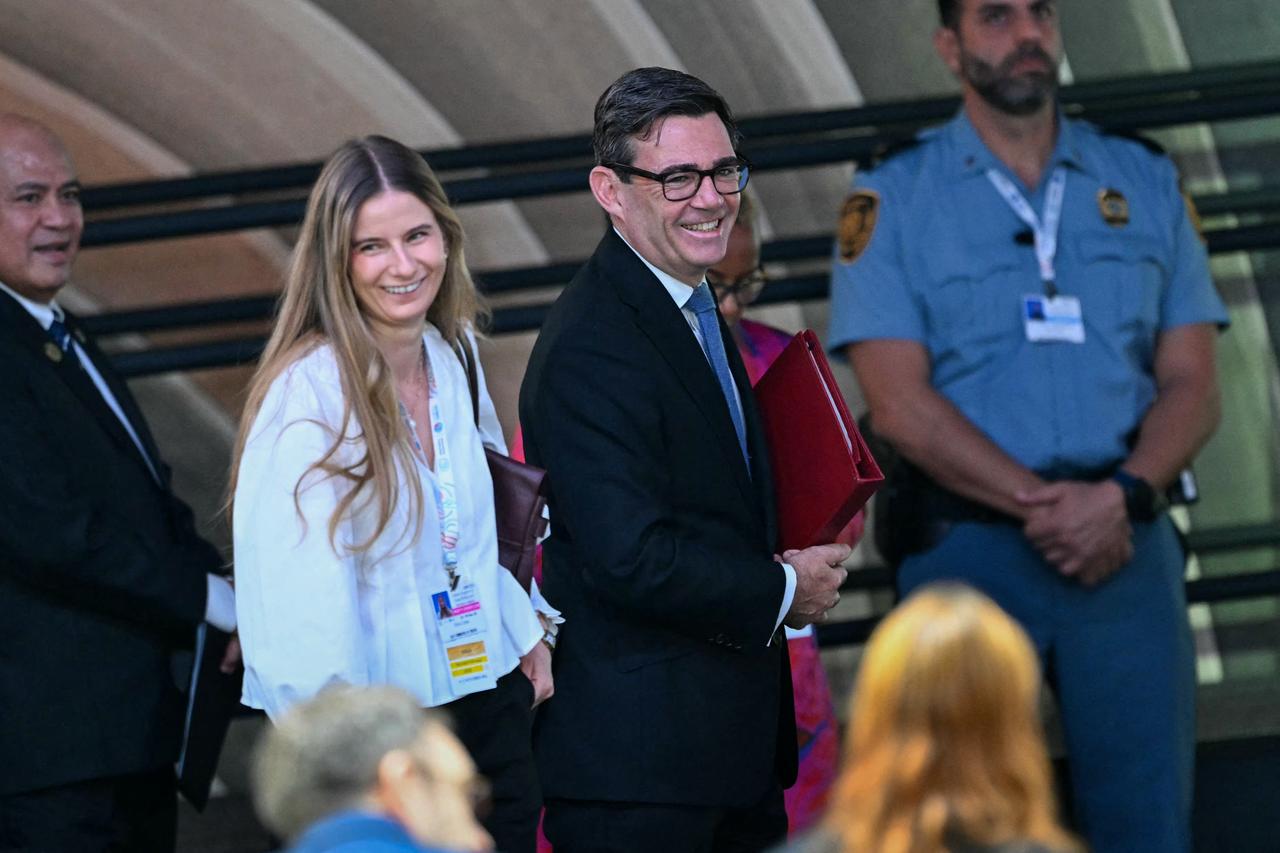
Kurum and Bowen promoted the initiative in Antalya, where Burnham, Foreign Secretary Ed Miliband and the EU endorsed it. As the only G7 government backing the pledge at the leaders' level, London gives the Turkish-Australian initiative vital political weight among advanced economies.
Kurum tied that electrification target directly to energy security. Because this year's energy crisis exposed the price volatility and supply disruptions caused by imported oil and gas, domestic clean electricity is now essential for national economic resilience.
This focus on grids aligns with U.K. domestic priorities. With the U.K. Department for Energy Security and Net Zero under Miatta Fahnbulleh prioritizing warmer homes and lower utility bills for British households, voters judge climate plans by living costs. Cross-border interconnections and battery storage can lower bills by stabilizing power supplies.
Negotiation procedures are the second area of reform. Future climate conferences should maintain Bowen's commitment to early drafting transparency.
On Nov. 16, Kurum and Bowen broke with the longstanding COP habit of last-minute drafting. They released an 18-page draft decision proposing measures to accelerate the transition away from fossil fuels and increase annual adaptation finance for developing countries to at least $120 billion by 2035.
Publishing the full text four days before the scheduled close gives delegations time to contest bracketed clauses and submit public revisions on fossil-fuel language and adaptation funding.
Mobilizing additional resources for adaptation finance could be supported by revenue mechanisms developed through coalitions of willing countries, without requiring unanimous agreement among all U.N. member states.
In Antalya, the British government joined Spain, Kenya, Vanuatu, South Sudan, Timor-Leste and Tuvalu in signing a joint statement supported by the Global Solidarity Levies Task Force that backs coordinated polluter taxes on frequent flyers and business-class airline tickets alongside levies on cryptocurrency transactions. Britain's participation lends G7 credibility to a coalition otherwise led by European and climate-vulnerable states.
Alongside global aviation and crypto levies, London also seeks regional carbon-market alignment with Europe. At the Nov. 20 Brussels summit, the United Kingdom and the EU are expected to discuss linking their emissions trading systems, which could cut carbon-related trade costs for U.K. exporters.
Still, limited new pledges to the U.N. Adaptation Fund expose the gap between developing countries' financing needs and mobilized resources. On Nov.17, donor governments pledged $50 million in new funding, down from $135 million at COP30 in Belem. This financing gap is particularly serious given the substantial external debt-service burdens faced by many developing countries.
The absence of political leaders does not mean the absence of their countries' negotiating teams or financial institutions. However, it may reduce opportunities for high-level intervention on contentious financing issues.
Without substantial financial commitments from major donor economies, middle-power coalitions are unlikely to mobilize public grants at the scale required by developing countries. Every pledge remains subject to domestic legislative approval.
While London alone cannot fill a multibillion-dollar void, it can use its seat at both the Antalya talks and the Nov. 20 Brussels summit to keep climate finance on the agenda of absent Western capitals.
Even with these fiscal limits, COP31's design offers a practical model for future climate summits. By pairing a host overseeing the Action Agenda with a co-chair managing formal text talks, the Türkiye-Australia presidency shows how future COP hosts can bridge regional deadlocks.
Partnerships with middle powers can complement rather than replace the role of major economies in global climate governance.
Burnham's presence in Antalya showed that Britain has not retreated from multilateral climate leadership. By using its unique position as the sole G7 voice in the room to back sectoral grid pacts, early draft texts and targeted tax coalitions, London can help middle powers sustain momentum when major-power consensus stalls.


 Set as preferred source
 Set as preferred source


 6 min read