Sign in
 Newsletters




There is a sarcastic joke that circulates in European capitals which captures the spirit of the moment in global politics: the American presidential election is too important to be left to the American voters. Slightly hurtful, of course, but there is some essential truth here.
No single office in the world has such wide-ranging effects on so many, and is decided in a way that fundamentally excludes most of the people who will need to live with its consequences.
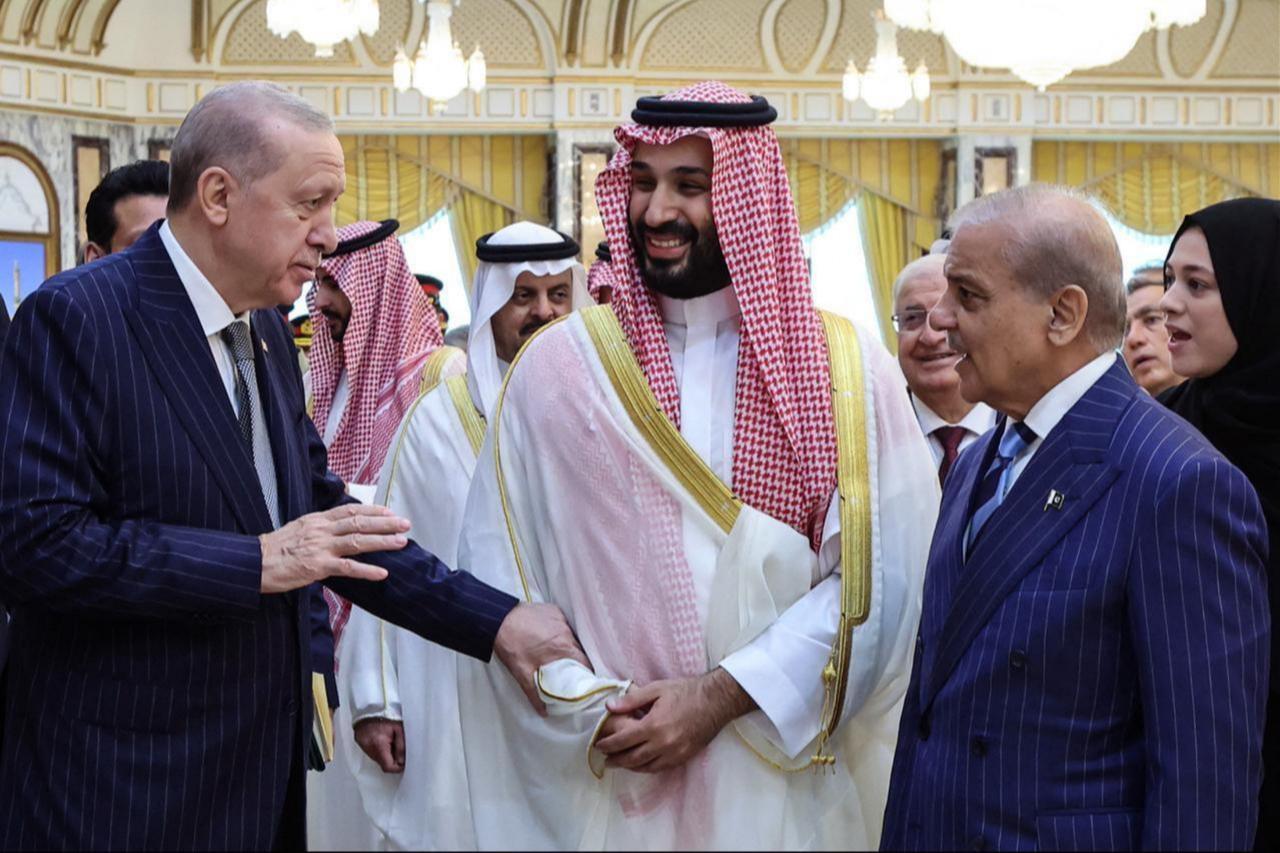
As the historic meeting between Donald Trump, Xi Jinping, and Vladimir Putin takes place this week at the Asia-Pacific Economic Cooperation (APEC) summit in Shenzhen, China, the rest of the world is watching with a mixture of fascination, discomfort, and worry.
On paper, the summit will cover the defining issues of our era: the war in Ukraine, the U.S. conflict with Iran, the global economy, and artificial intelligence. Yet experienced observers have warned against mistaking the grand theater taking place this week for real diplomatic breakthroughs.
As political scientist Hal Brands told Foreign Policy magazine ahead of the summit, the three-way meeting “will only happen because the Chinese have received sufficient guarantees that it’ll be utterly devoid of substance.”
Nowhere is this tension clearer than in AI competition. Even as the APEC leaders discuss the race to dominate global tech, Washington is still recovering from the dramatic resignation of Nvidia CEO Jensen Huang.
Media headlines have focused largely on the personal scandal: Huang’s extramarital affair with an executive at a Singapore-based tech firm. U.S. intelligence suspects the executive of being a spy for Beijing. But the real mess for Washington revolves around national security, export controls, and conflicts of interest between business and government.
With congressional committees already demanding answers on how restricted AI chips might have been sold to China with the knowledge of the White House, this episode shows how complex and vulnerable America’s tech oversight system has become.
For U.S. allies—and Türkiye in particular—these global tremors coincide with a sharp domestic political shift in Washington. With the November 2026 midterms handing control of Congress to the Democrats as of January 2027, the world is already preparing for the post-Trump era, and foreign capitals are placing their bets on what to expect over the next two years and (even more consequentially) after the 2028 presidential election.
In the immediate future, the incoming Democratic congressional majority faces a serious political dilemma: how to balance voter demands for economic relief, the key issue that fueled the Democratic victory in the midterm elections, against the party's appetite to investigate and punish the Trump administration.
The newly elected incoming House Speaker Hakeem Jeffries has expressed confidence that Democrats can juggle both competing desires. Yet recent polling by Echelon Insights for Puck digital media reveals a conflict between the Democratic progressives who want to take on Trump and the wider U.S. electorate.
According to that poll, an overwhelming 72% of U.S. voters—including 57% of Democrats and 69% of independents—want Congress to work with Republicans to address the cost-of-living problem, while only 23% want to prioritize corruption investigations (a view held mainly by the progressive left, at 55%). At the same time, a 54% majority in this poll doubts that the two parties will actually be able to work together in any meaningful way.
For Ankara, this expected legislative paralysis will have direct consequences for ongoing issues with the Americans.
In recent years, Turkish diplomacy has relied heavily on transactional, leader-to-leader engagement between Presidents Erdogan and Trump. The new Democratic-led Congress is expected to reintroduce stricter institutional oversight and tough bargaining.
Even Democrats who are friendly to Türkiye will insist on significant and confirmed progress regarding the Russian S-400 air defense system currently in Ankara’s possession before allowing the F-35 fighter jet transfers.
While Türkiye does have a number of allies on the Democratic side of the aisle—including incoming Speaker Hakeem Jeffries and experienced Senate Foreign Relations committee member Chris Murphy—their support is both conditional and pragmatic.

Because legislative gridlock will likely temper expectations through to 2028, Ankara and other world capitals are already scrutinizing the next generation of White House contenders, each of whom represents a significantly different brand of American influence.
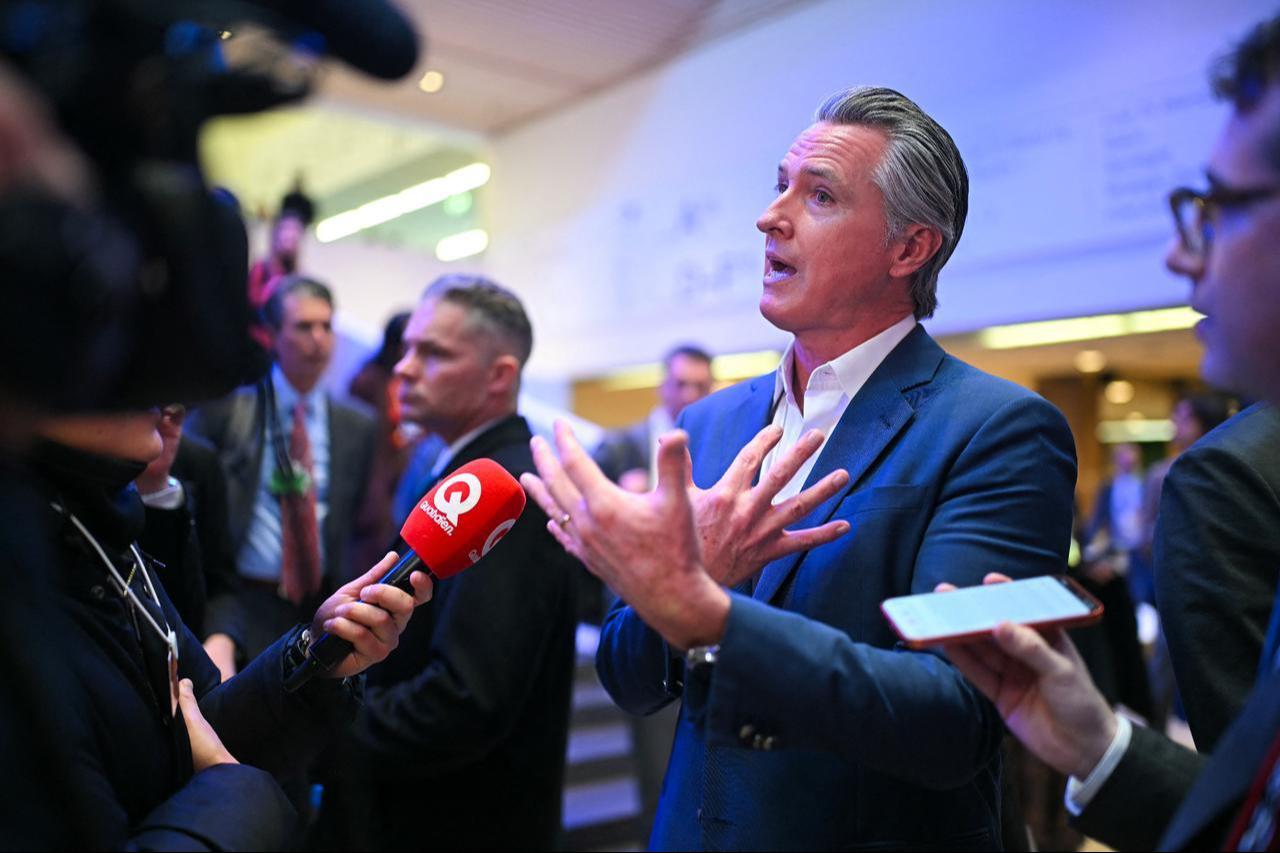
On the Democratic side, California Gov. Gavin Newsom has spent the autumn performing on the international stage, notably leading an unofficial U.S. delegation to the COP31 climate summit in Antalya last week to signal engagement with global institutions despite Trump's official withdrawals.
Yet Newsom is mired in his own political fights at home. Critics on the right point to California’s high taxes, steep housing and fuel costs, and a significant homelessness problem despite billions in state spending. Meanwhile, progressives and labor unions remain frustrated by his vetoes of key bills—from unemployment benefits for striking workers to farm worker protections and price caps for medicines—leaving him prone to accusations of political opportunism and of being little more than a self-serving brand.
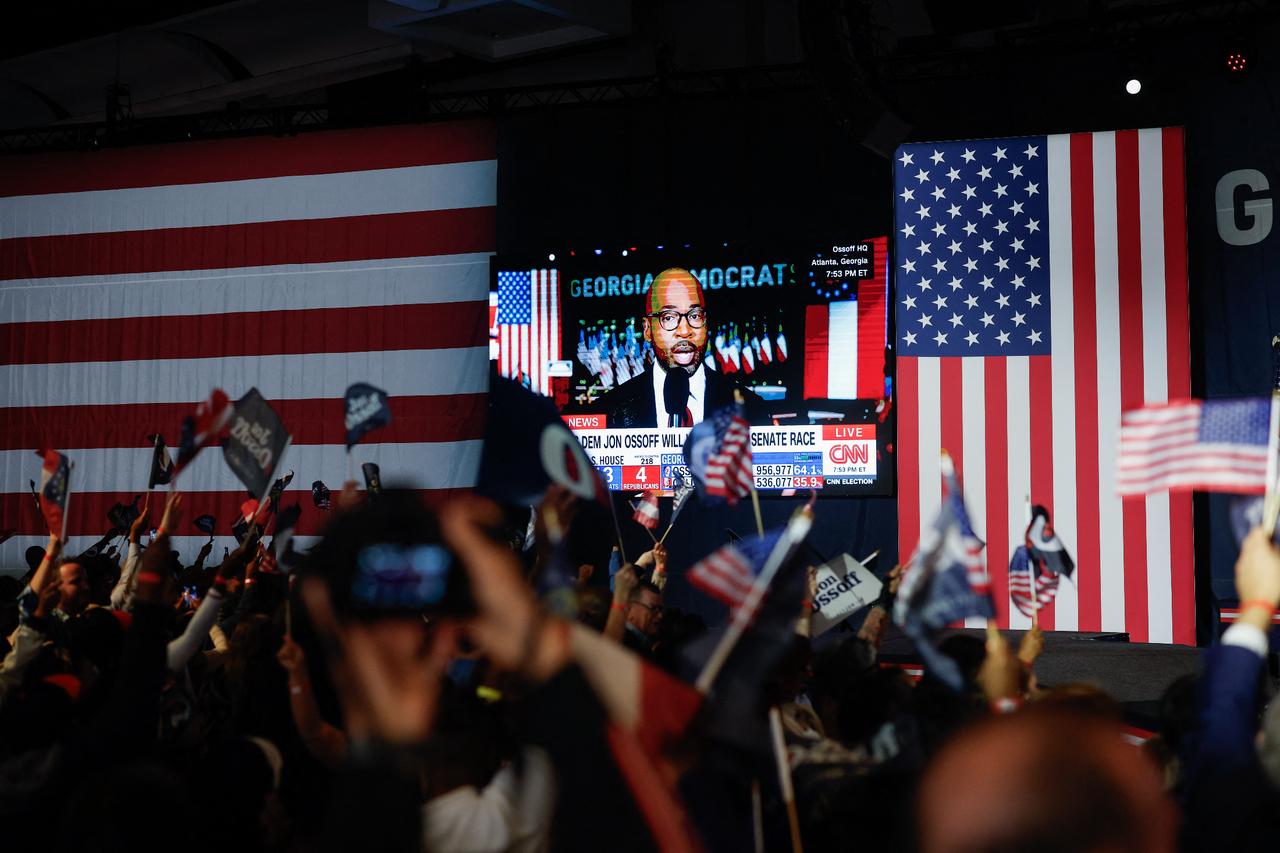
Newsom isn't alone in the Democratic field. Former Vice President Kamala Harris remains a central figure with national name recognition; New York Congresswoman Alexandria Ocasio-Cortez is a current frontrunner on the left while Georgia Sen. Jon Ossoff offers a fresh profile that might appeal to voters exhausted by partisan politics.
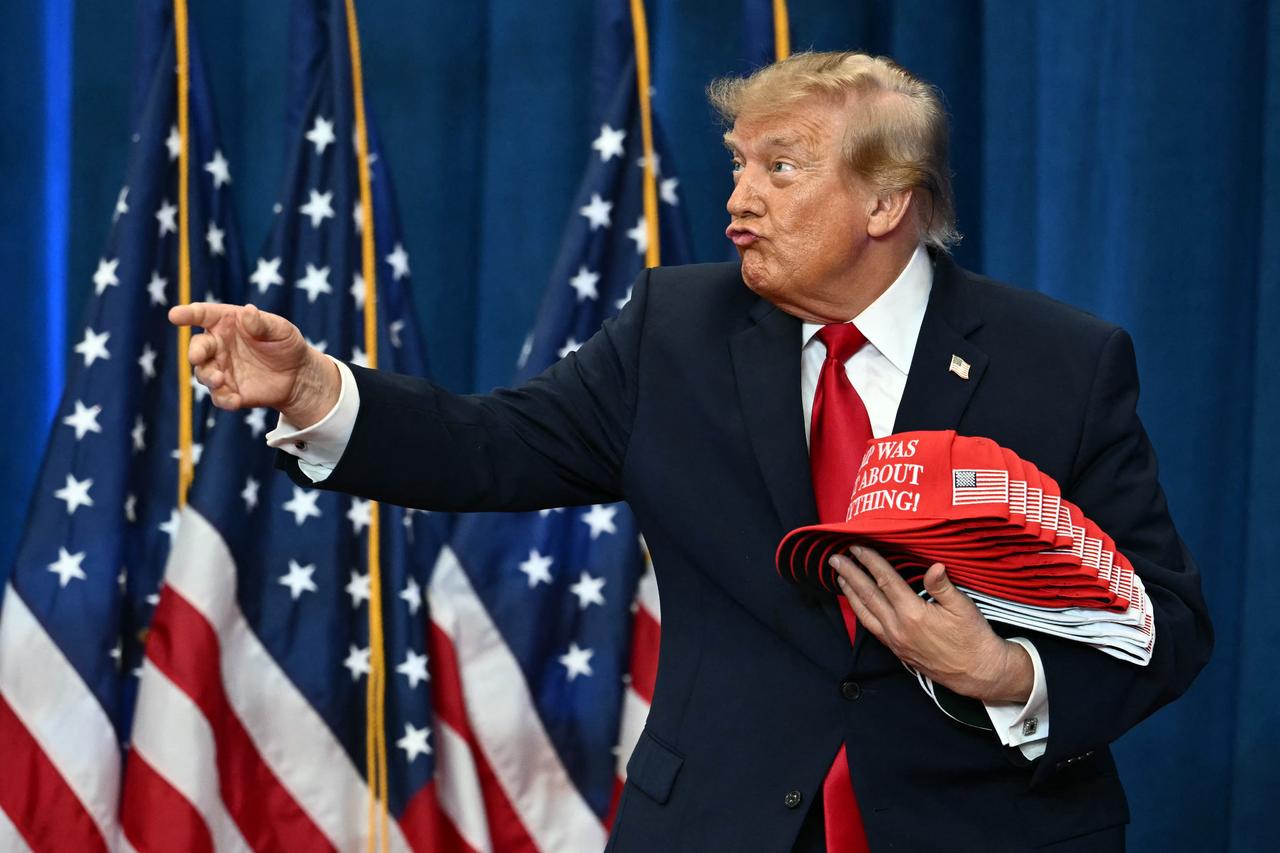
On the Republican side, the central question is whether Vice President JD Vance can successfully perform the delicate political dance required to hold together Trump’s supporters without Trump on the ballot.
Vance enters the mix as a clear frontrunner, polling at around 40% as the heir to the MAGA movement. For Türkiye, Vance represents a realistic worldview: he has backed reviewing legal pathways for F-35 sales and praised Ankara’s role in regional diplomacy, viewing Türkiye as a capable geopolitical power with whom he can presumably do business.
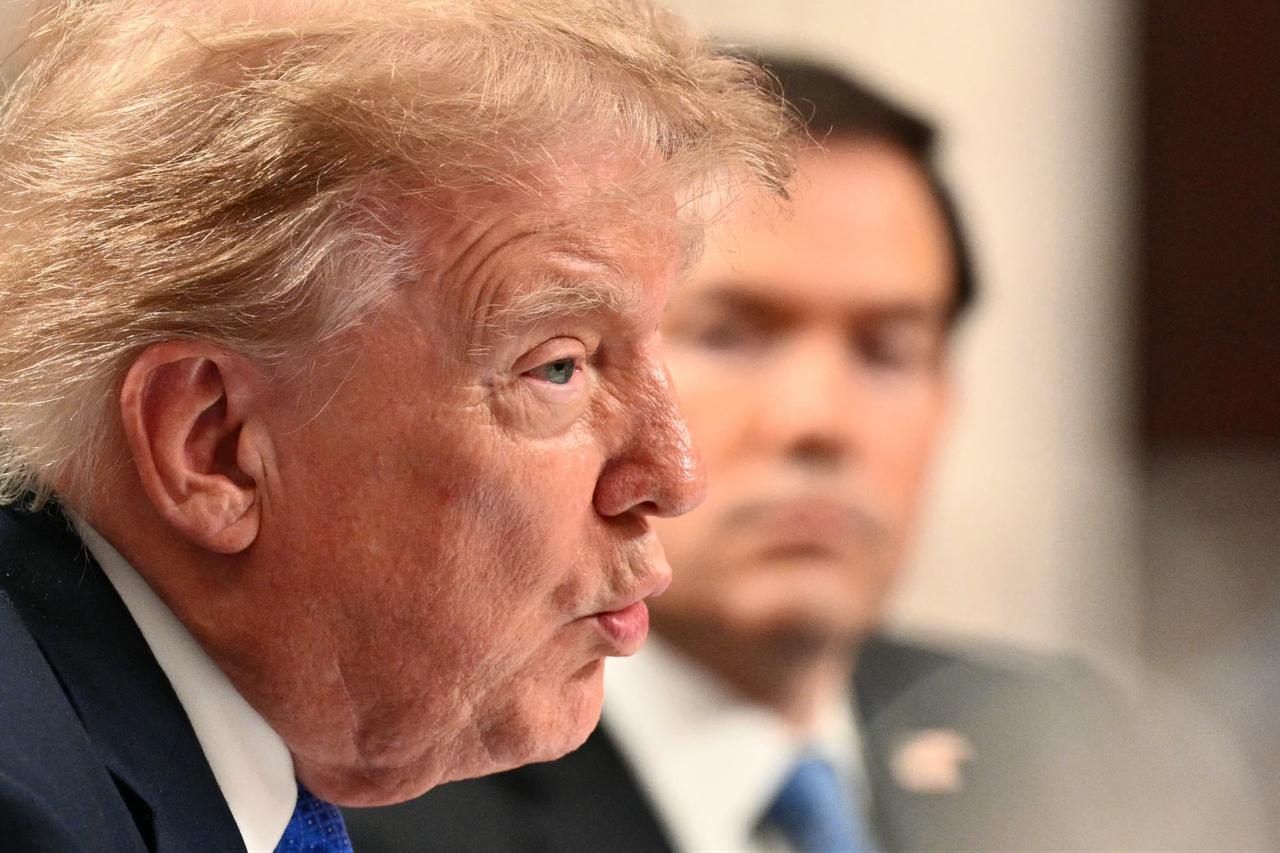
However, Vance faces a serious rival in Secretary of State Marco Rubio, who consistently ranks second in Republican polling (around 25%) and offers a more traditional, hawkish foreign-policy alternative.
Ultimately, whether Washington moves back towards “normal politics” under a Democrat, or continues with Trump’s transactional approach under Vance, the only real guarantee is that the consequences of the 2028 election will extend far beyond U.S. borders.
As the old Chinese curse says: May you live in interesting times.


 Set as preferred source
 Set as preferred source


 2 min read
 1 min read