

 Newsletters


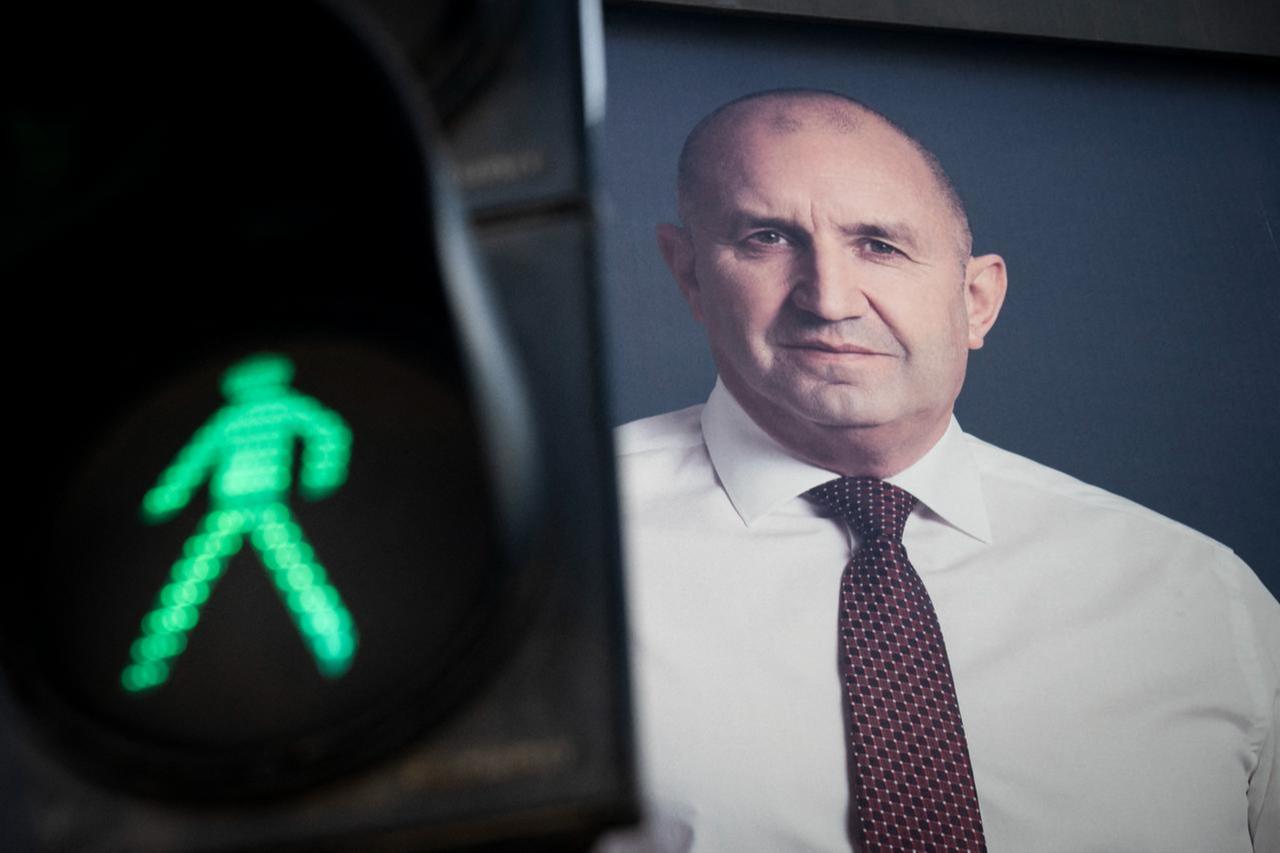


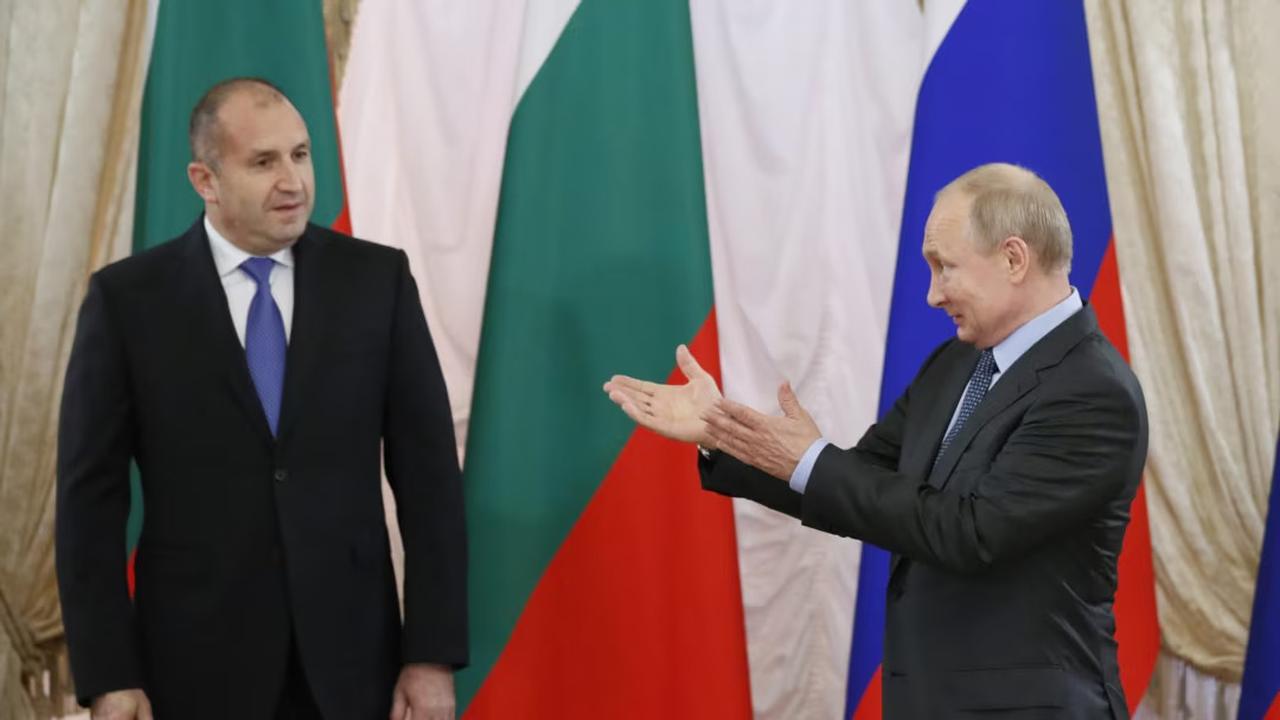
For years, Western media and international news agencies described Rumen Radev as Bulgaria’s “pro-Russian” president. But not without a reason.
Radev repeatedly called for a more pragmatic relationship with Moscow, criticized sanctions on Russia, questioned the wisdom of military escalation in Ukraine and sparked international controversy when he declared that Crimea was “Russian”—a position he later defended as a realistic assessment and one he argued reflected Bulgarian interests rather than Russian ones.
For Brussels, Washington and Kyiv, such statements placed him firmly outside the mainstream of European political thinking after Russia’s full-scale invasion of Ukraine.
Yet politics has a habit of defying labels.
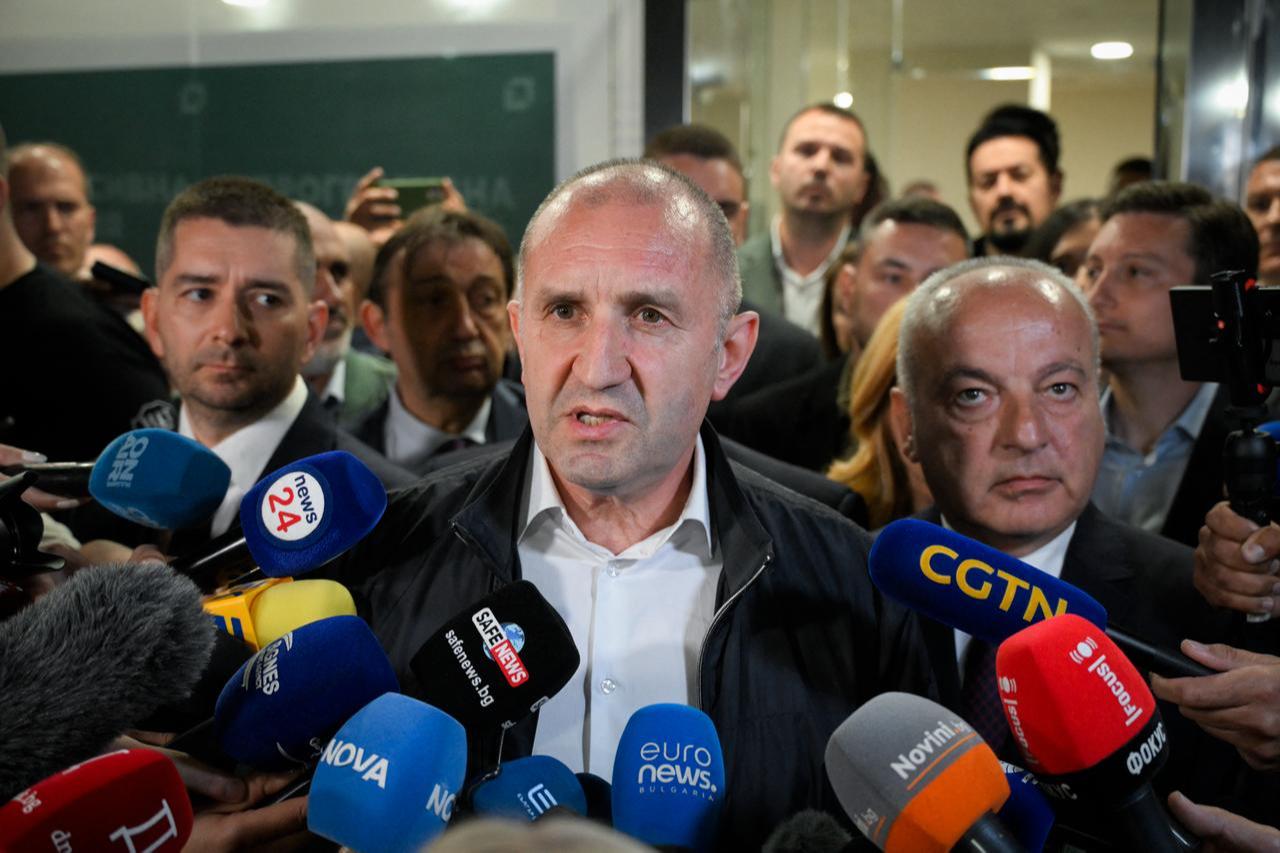

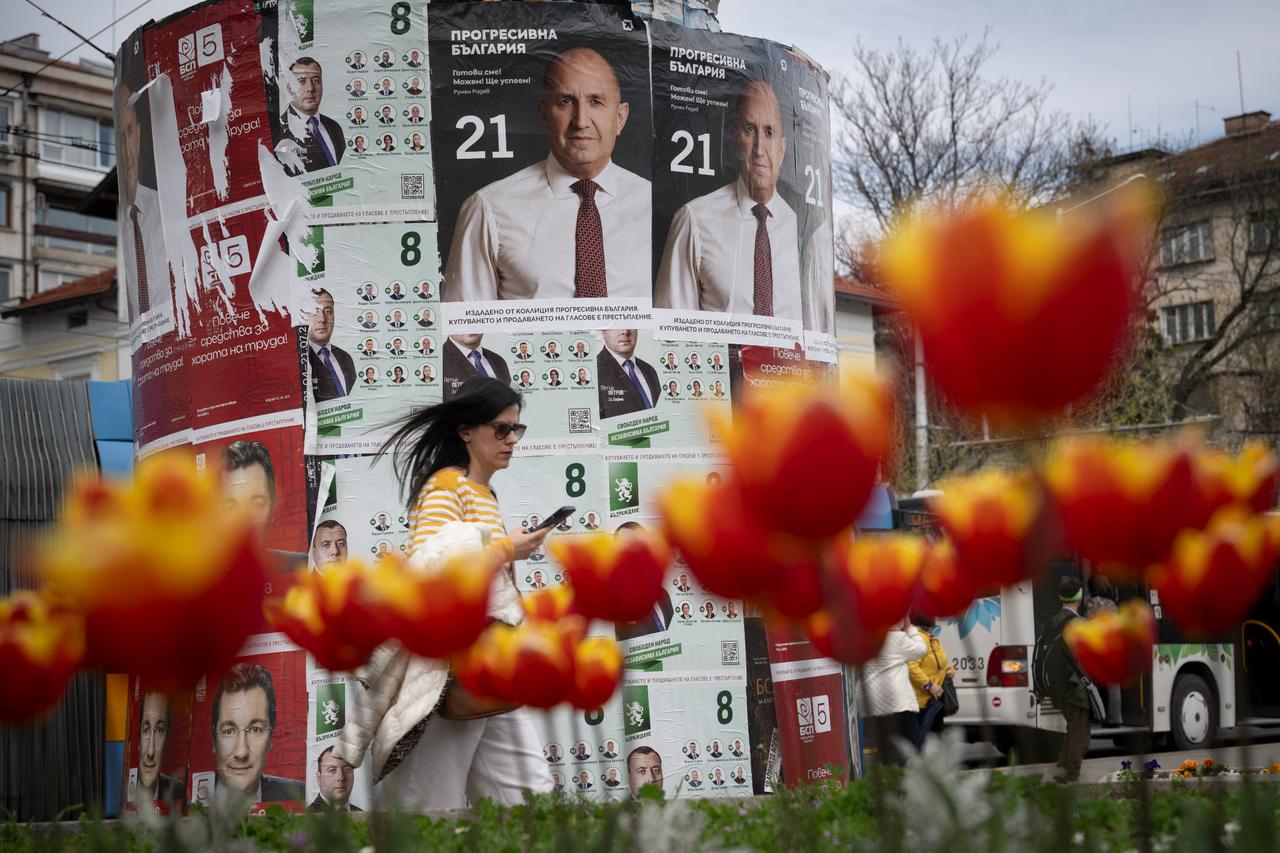
After presiding over one of the most turbulent periods in Bulgaria’s modern political history, Radev has now transformed himself from president into party leader and prime minister. During his presidency, Bulgaria held eight parliamentary elections in just five years, becoming a symbol of political fragmentation and institutional paralysis in Europe.
The anti-establishment anger that followed appears to have worked in his favor.
His newly formed political movement won a commanding election victory this spring, ending years of revolving-door governments and positioning him as the dominant figure in Bulgarian politics.
The question now is whether Bulgaria is witnessing the rise of another Kremlin-friendly leader inside the European Union, or something more complicated.
The comparison increasingly made in diplomatic circles is with Viktor Orban in Hungary and Aleksandar Vucic in Serbia.
All three share a similar instinct: maintaining formal commitments to European institutions while insisting on greater strategic autonomy and preserving channels to Moscow.
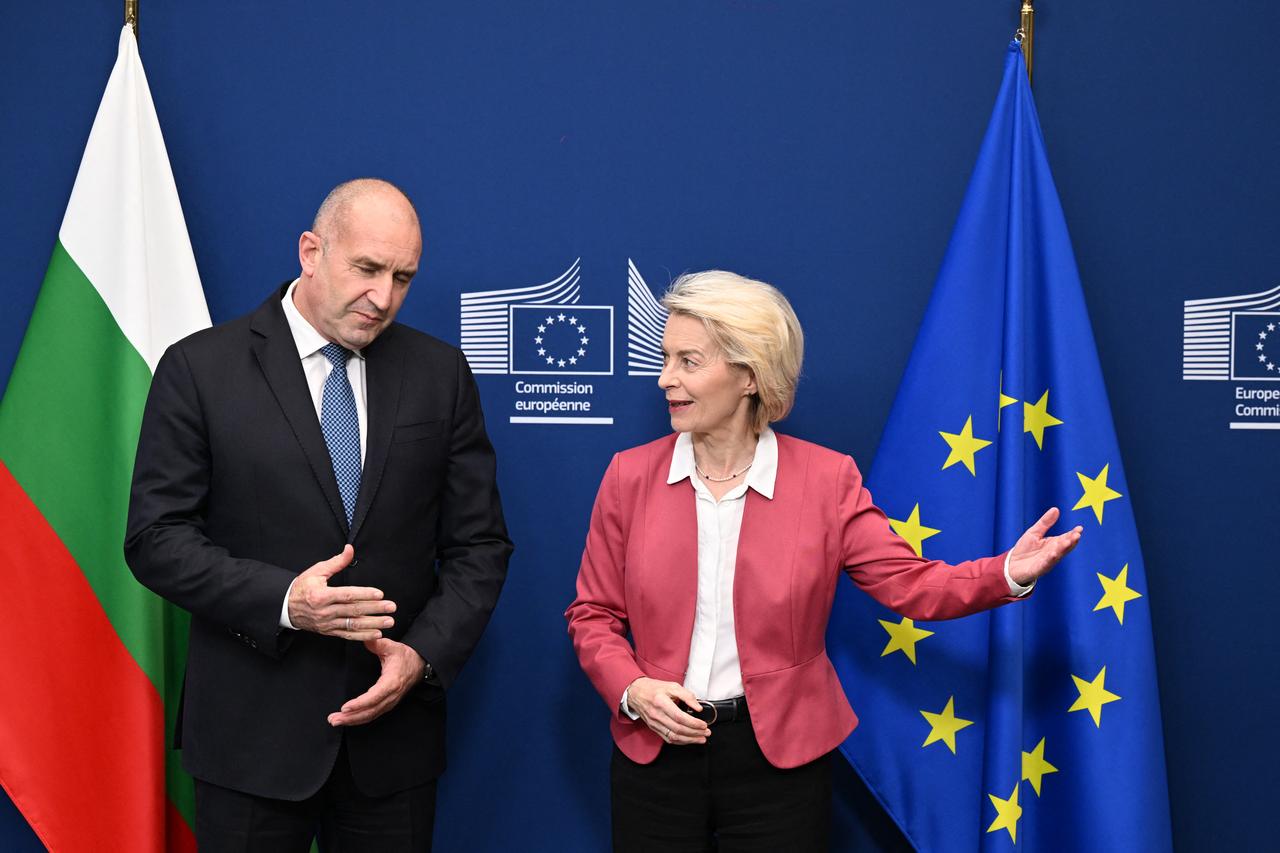
That balancing act has already become visible during Radev's first weeks in office.
Despite his reputation, he recently met NATO Secretary General Mark Rutte and pledged that Bulgaria would move toward spending 5% of GDP on defense, aligning itself with NATO's growing emphasis on military preparedness.
The message was designed to reassure allies that Sofia remains committed to the alliance even while questioning aspects of Europe’s Russia policy.
The same duality can be seen in his approach toward the euro.
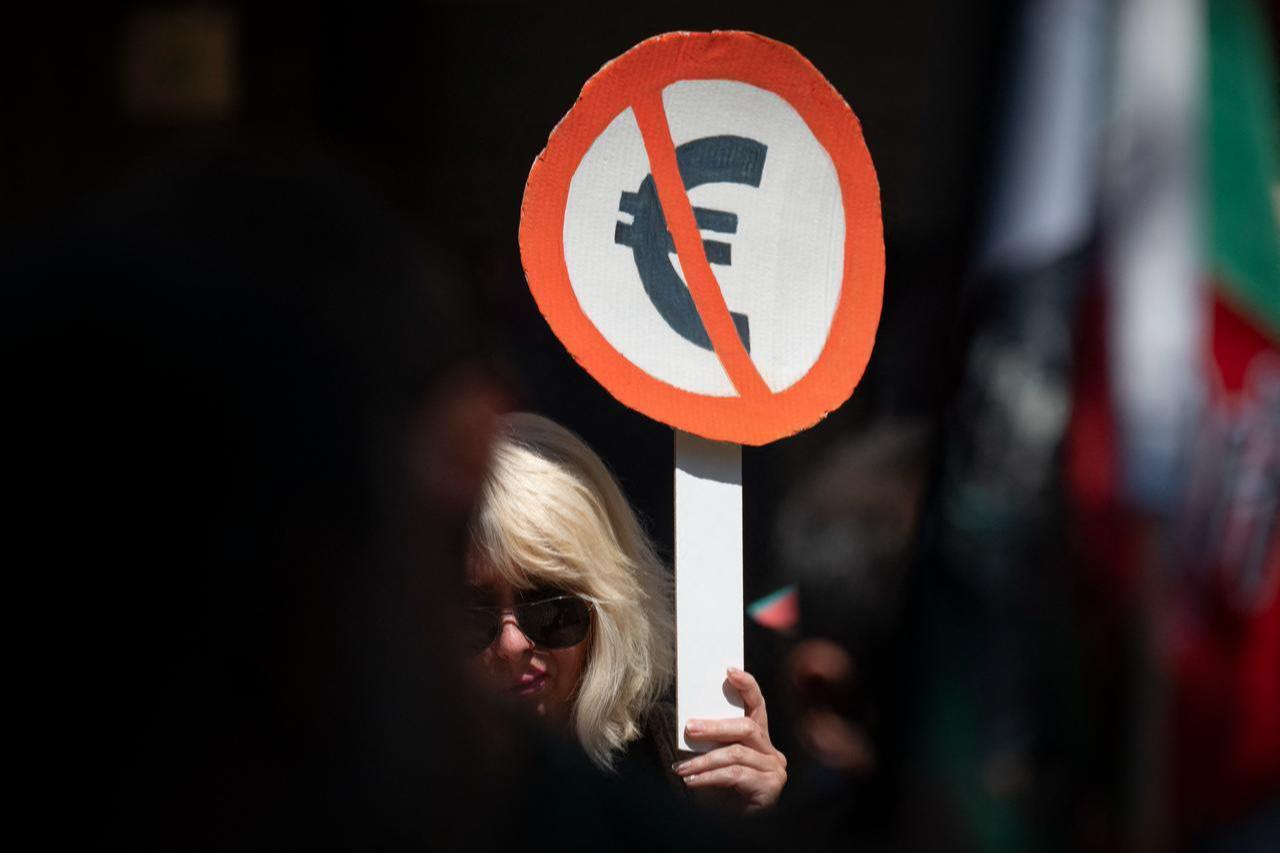
Radev previously argued that Bulgarians should be allowed to vote on euro adoption through a referendum, presenting the issue as one of national sovereignty rather than ideological opposition to Europe.
Critics accused him of undermining Bulgaria's European integration. Supporters argued he was giving voice to concerns about inflation, living costs and economic control that many ordinary Bulgarians share.
His broader argument is becoming increasingly clear: Bulgaria should pursue a "Bulgaria first" policy rather than automatically aligning with either Brussels or Moscow.
Following his election victory, Russian officials publicly welcomed what they described as Radev's willingness to resolve disputes through pragmatic dialogue.
Moscow has long viewed Bulgaria as a historically and culturally important partner and sees any European leader advocating communication rather than confrontation as an opportunity.
Radev has repeatedly argued that Europe cannot build a long-term security architecture against Russia and that, eventually, some form of accommodation and dialogue will be necessary. In his view, the objective should not be defeating Russia but creating conditions for stability.
That argument remains deeply controversial in Brussels.
Many European policymakers see Russia not as a difficult partner but as the principal security threat facing the continent. For them, deterrence rather than accommodation remains the priority.
Washington may be equally uneasy.
Last week, Radev generated fresh headlines by suggesting that U.S. military aircraft should not remain stationed in Bulgaria indefinitely while Bulgarian citizens still require visas to enter the United States.
The comment was widely interpreted as a political signal: security partnerships, he implied, should be reciprocal.
Such rhetoric is unlikely to endear him to every policymaker in Washington.
Yet Bulgaria's strategic position makes the country impossible to ignore.
The Black Sea has become one of Europe's most sensitive security zones. Romania, Bulgaria's northern neighbor, has repeatedly found itself on the front line of the Ukraine war's spillover effects, including incidents involving Russian drones crossing into or crashing near Romanian territory.
Against that backdrop, Bulgaria occupies an increasingly important role.
It sits at the intersection of NATO's eastern flank, Black Sea security, energy corridors and trade routes linking Europe to the Middle East and Asia. Any shift in Sofia's foreign policy therefore matters far beyond Bulgaria itself.
Relations with Türkiye add another layer to the equation.
Radev has generally maintained pragmatic relations with Türkiye. The two countries share extensive economic ties, border security interests, migration concerns and energy infrastructure. For Bulgaria, cooperation with Ankara is less a matter of ideology than geography.
 1 min read
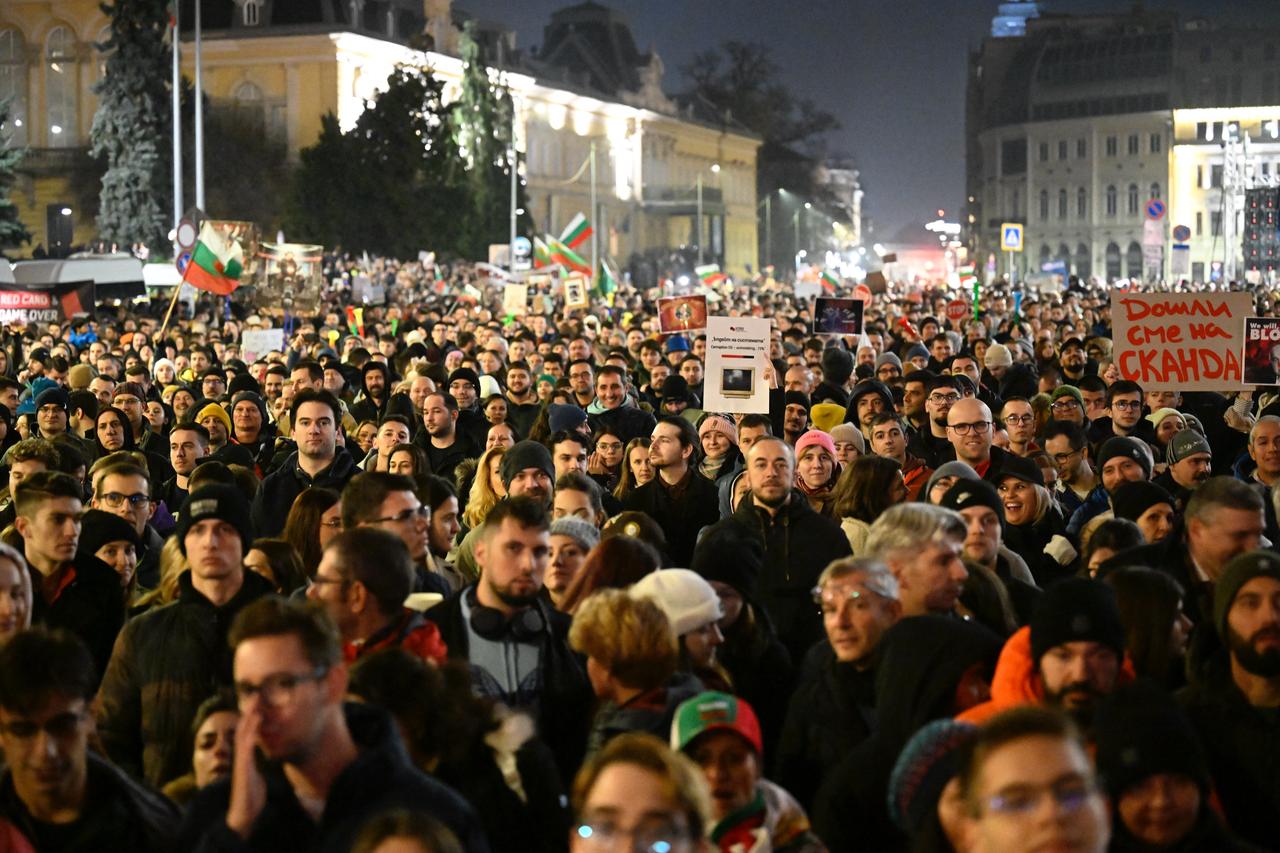
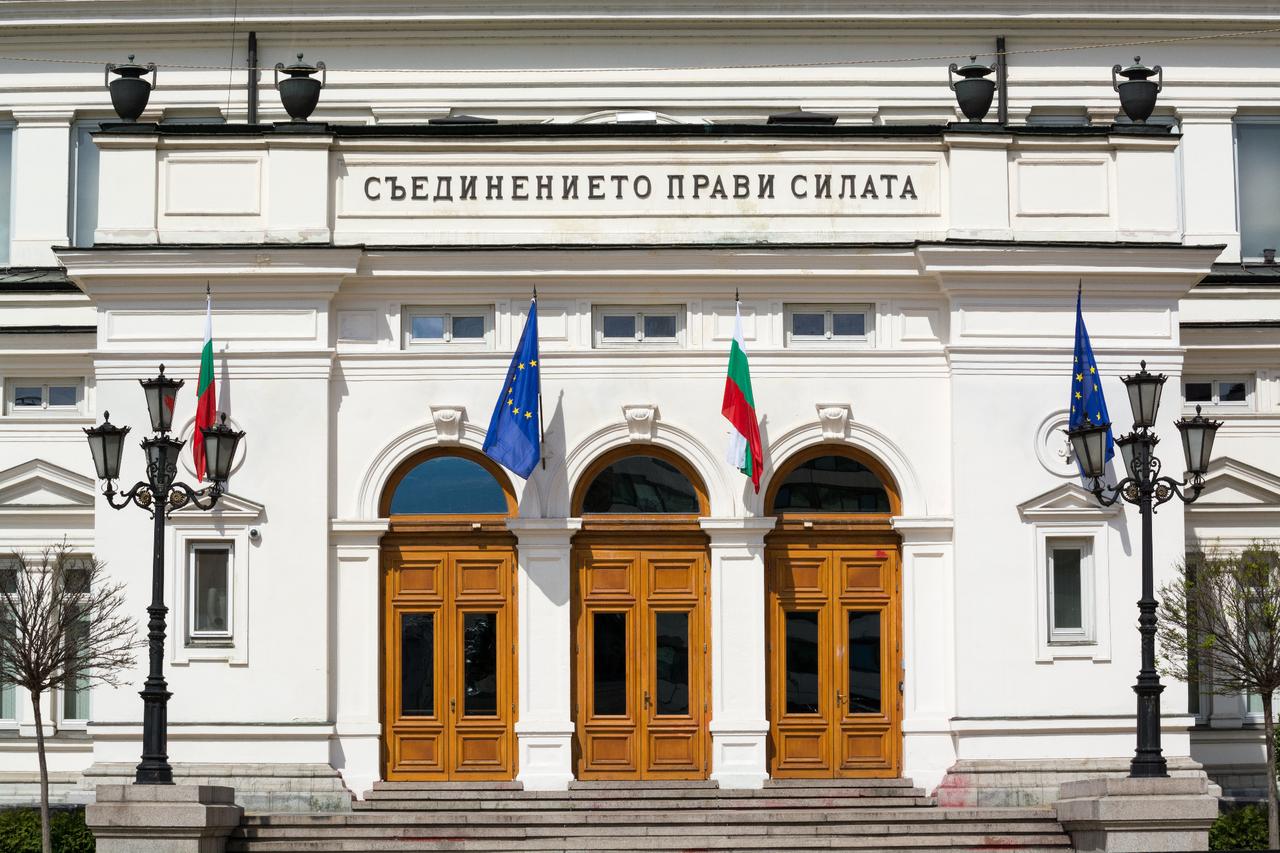
Bulgaria remains firmly inside both the European Union and NATO. It is not leaving either institution.
But under Radev, Sofia appears increasingly interested in testing whether it can pursue a more autonomous path within them.
The challenge is that Europe currently has little patience for ambiguity. Brussels wants clarity on Russia. Washington wants reliability on security. Moscow wants openings inside Western institutions.
Radev is betting that Bulgaria can navigate all three simultaneously.
Whether he will eventually discover that standing in the middle is the hardest position of all in today’s geopolitical climate remains to be seen.


 Set as preferred source
 Set as preferred source


 1 min read


