Newsletters


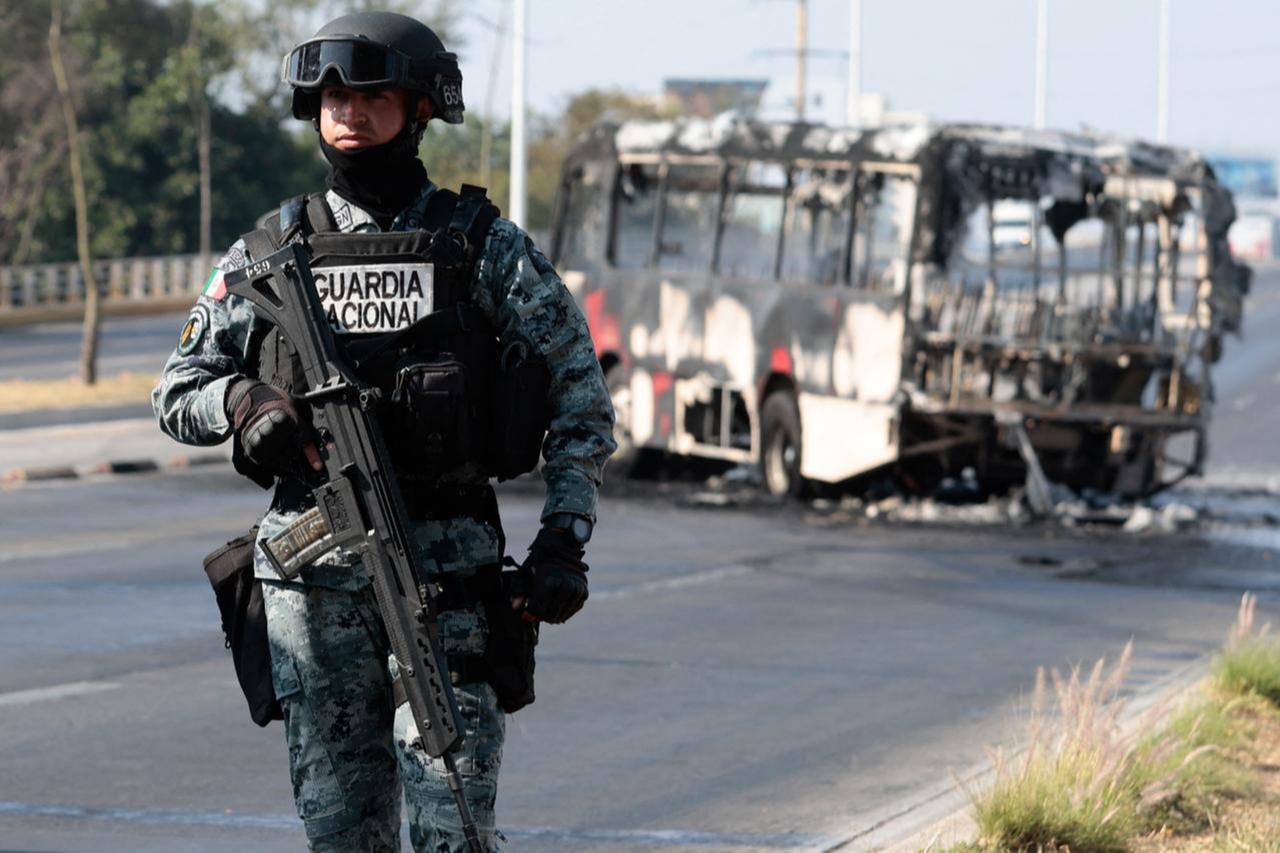


The deaths of two CIA operatives in a car crash after a meth lab raid in northern Mexico have pushed the cartel war into a new phase of scrutiny.
U.S. President Trump’s expanding anti-cartel campaign had already signaled that pressure could move from the Caribbean and eastern Pacific closer to Mexican territory, where intelligence, law enforcement and sovereignty collide more directly.
The El Mencho case points in the same direction—toward a more integrated, multi-agency fight involving Mexican security forces and U.S. agencies such as the DEA and the CIA.
To understand what the Chihuahua lab raid reveals about cartel production, U.S.-Mexico cooperation and the limits of technology-driven operations, I spoke with Mike Chavarria, a DEA veteran who began his career in 1985 as a special agent. He served along the U.S.-Mexico border and in Latin America, including assignments in Mexico.
The former DEA agent does not read the Chihuahua seizure as an isolated discovery. For him, the language of a “super lab” points to a longer history of adaptation in Mexico’s synthetic drug economy.
“Super labs,” he says, “are nothing new in Mexico.” Mexican traffickers, he explains, began producing methamphetamine after U.S. authorities tightened controls on the precursor and essential chemicals used by domestic lab operators.
In the early to mid-1980s, he recalls, “outlaw motorcycle gangs such as the Hell’s Angels were significant players,” responsible for meth production and distribution.
He notes that the early pioneers were traffickers affiliated with the Sinaloa Federation, including the Amezcua Contreras brothers. Later, Ignacio "Nacho" Coronel Villarreal—collaborating with Armando "El Maradona" Valencia Cornelio’s Valencia organization—became associated with Mexico’s "Meth Kings."
While working the DEA’s Guadalajara Resident Office, Chavarria says they encountered several super labs, producing multi-ton quantities of methamphetamine, mainly in Michoacan, Jalisco and Durango—all areas then controlled by the Sinaloa Federation.
For a period, he adds, La Familia was also heavily involved in meth production.
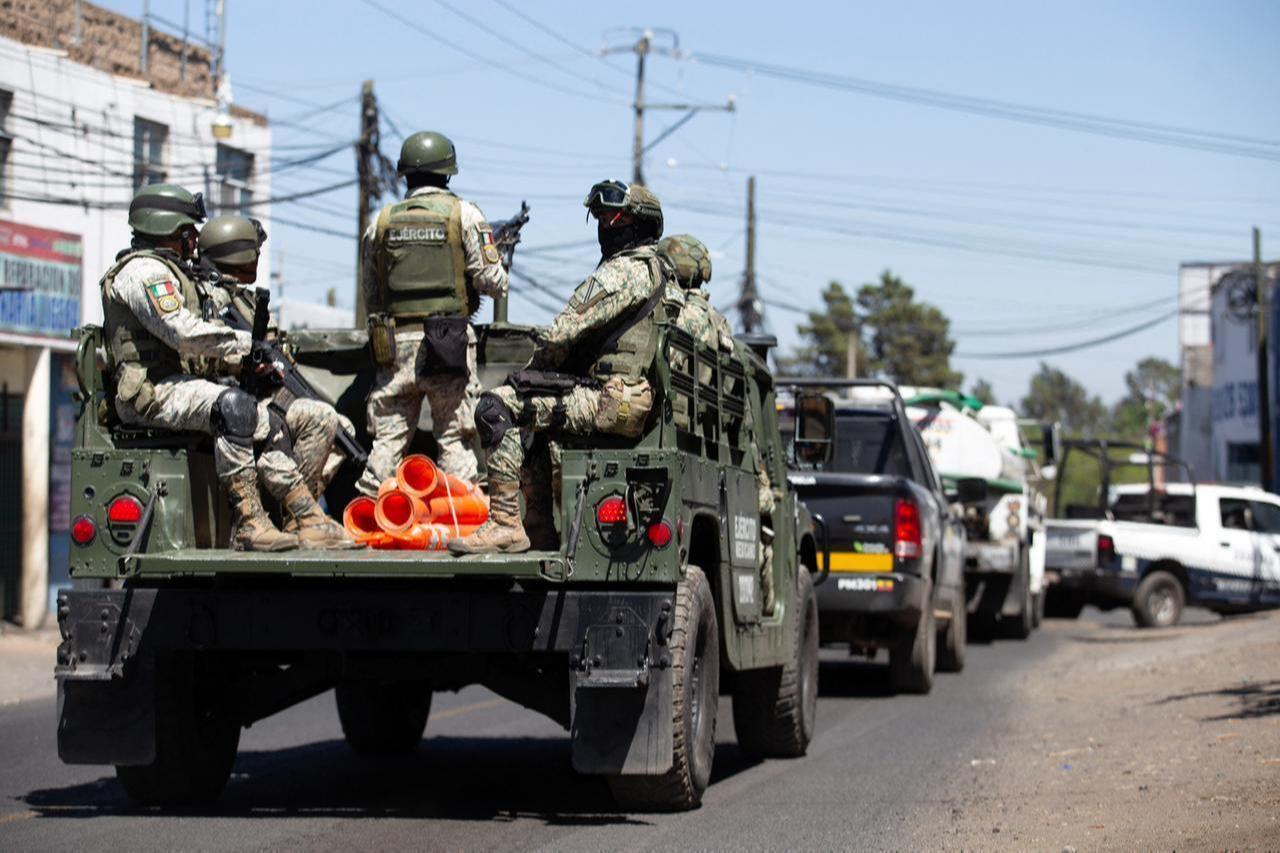

Chavarria notes that the site had already been abandoned. Authorities found chemicals and equipment capable of supporting large-scale production, but no finished product. For him, that absence helps explain why even a lab of that size was likely to have had “little to no impact” on large-scale production.
Continued large seizures in the U.S. southwest, he says, show there is still no shortage of meth supply. The seizure may have removed one production site, but it does not necessarily mean the wider network was seriously disrupted.
The territorial picture also complicates the operation. Chavarria says the site was believed to be in a region “firmly under the control of what is today’s remnant of the Sinaloa Cartel.”
But he describes the area not as a place controlled by a single cartel's chain of command, but as part of a wider Sinaloa-linked ecosystem.
“Several subordinate organizations support the larger Sinaloa Cartel,” he notes. The lab area, he says, is believed to fall under the “Gente Nueva,” a group that supports Sinaloa.
The broader Juarez region adds another layer of rivalry. Chavarria says “La Linea,” a powerful remnant of the Juarez Cartel, also operates in the area and remains a rival of the “Gente Nueva.”
In that sense, the operation may have disrupted one production point, but not the system that makes the production replaceable.
Mexico’s mountains have long offered cartel leaders places to disappear. But the same terrain can also hide the infrastructure that makes them powerful, from laboratories and supply routes to the protection networks behind the drug trade.
Reports described the Chihuahua lab as hidden in rugged terrain near Morelos. CIA operatives reportedly reached the site with Mexican officials by vehicle, along a difficult mountain route that underscored the role of geography in such raids.
The former DEA official says this reflects how much Mexican criminal organizations have changed over time.
“Today’s cartels are larger, more organized, sophisticated, and better equipped to run large-scale operations,” he says.
Remote terrain can help cartels protect production sites by limiting access, slowing raids and keeping state authority at a distance. Chavarria says Mexican cartels have become mobile enough to use that geography to their advantage.
“They are mobile and have the means to protect their operations in remote areas, both in the jungles and in Mexico’s mountains,” he adds.
Like a remote military outpost, a clandestine lab cannot function only because it is hidden. It also needs a steady flow of supplies, from chemicals and fuel to equipment, food, water, communications and transport. Moving those supplies into isolated terrain requires a support system around the site.
“They use off-road vehicles and even pack animals to transport supplies for their clandestine operations,” he says.
Past lab seizures in Mexico have shown that these sites are rarely just hidden rooms in the mountains. They can operate more like remote industrial outposts, with warehouses, kitchens, medical areas, chemical drums, gas tanks, reactors, trucks and pickup vehicles. Often, the lab is only the visible end of a much wider supply chain.
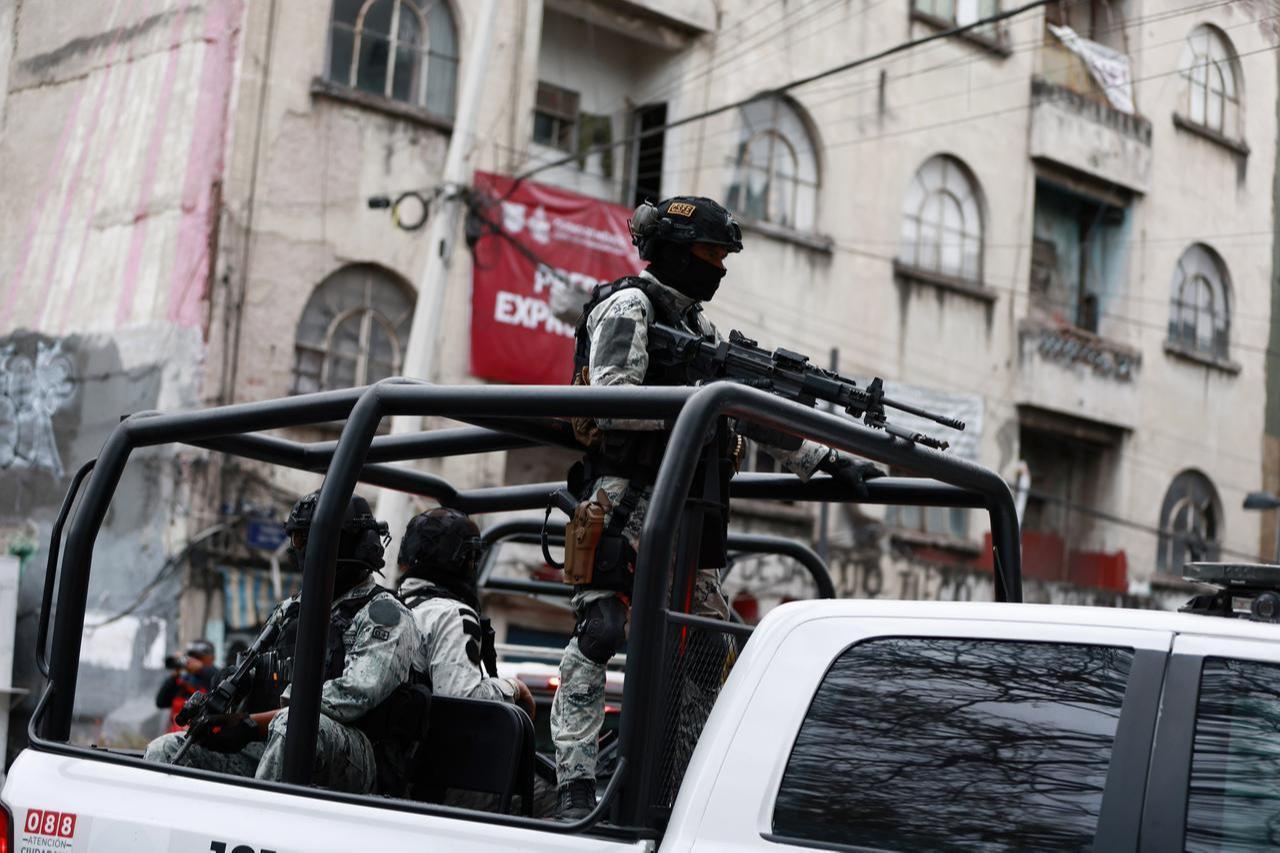
The Chihuahua operation was reportedly shaped by drone-supported surveillance, a detail that points to the growing role of technology in counter-narcotics work. In many ways, monitoring a remote laboratory and collecting the intelligence needed for a raid can resemble an intelligence, surveillance, and reconnaissance (ISR) mission against a militant camp. The aim is to make a hidden site visible, track movement around it and build an operational picture before ground forces move in.
Chavarria does not dismiss the value of surveillance tools, but he says newer technologies bring “a more complex set of factors, both good and bad.”
In a case like Chihuahua, drones and other surveillance systems can help make remote terrain more visible and improve the chances of detecting hidden sites.
“Sophisticated technology does enhance our ability to detect illicit clandestine operations,” he says, including sites like the one found in Chihuahua.
Still, he warns that technology can erode traditional intelligence work. For him, the most important counter-cartel operations still depend on people who can penetrate networks, provide timely information and help law enforcement understand how the organization actually functions.
“Greater reliance on technology tends to diminish our reliance on traditional human sources,” he says, “which I believe are the bread and butter we need for attacking, disrupting and dismantling major drug-trafficking operations.”
Finding a lab is not the same as dismantling the cartel behind it. A drone can locate a site, but it cannot, on its own, reveal who controls the chemicals, protects the routes, manages corruption or moves the finished product. And the technological race does not run in only one direction.
“Just as the good guys deploy this technology, so do our trafficker adversaries,” he warns.
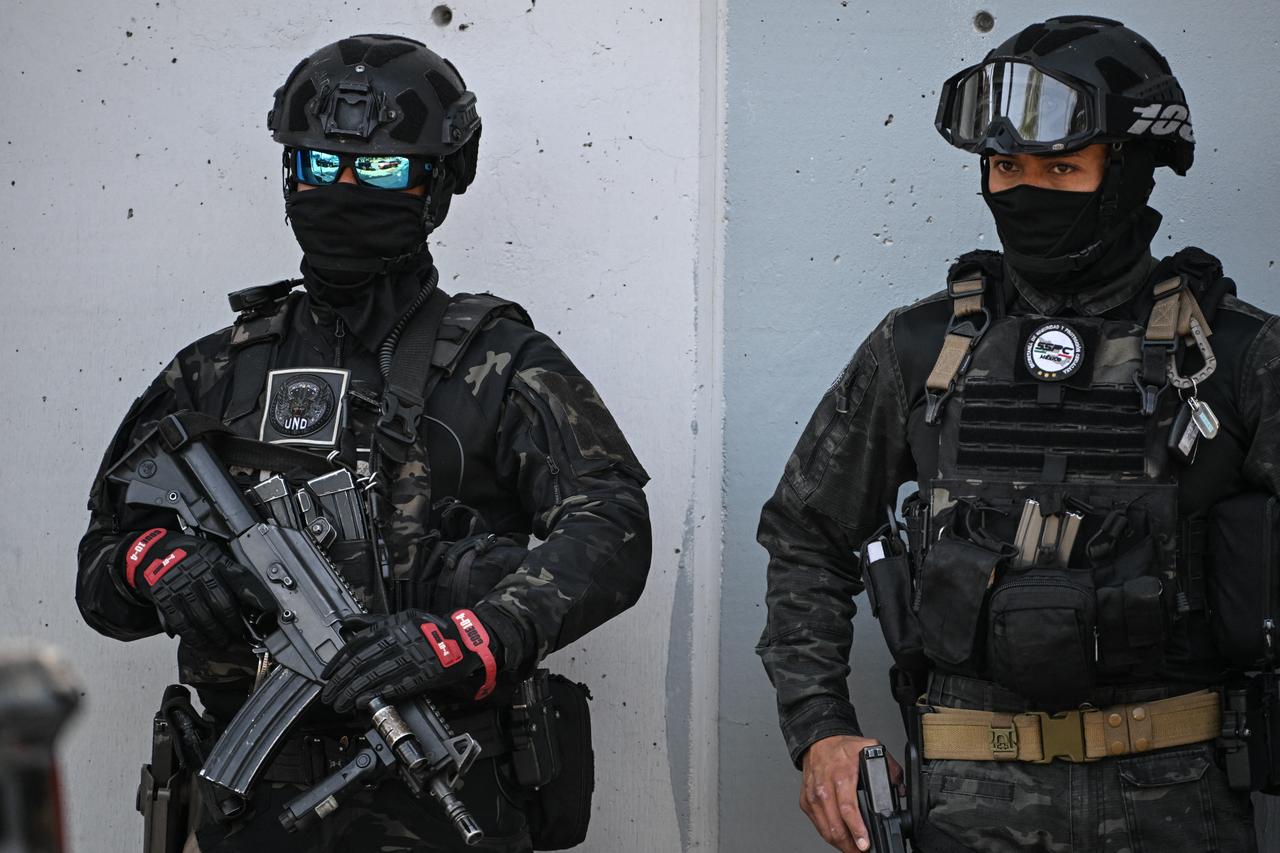
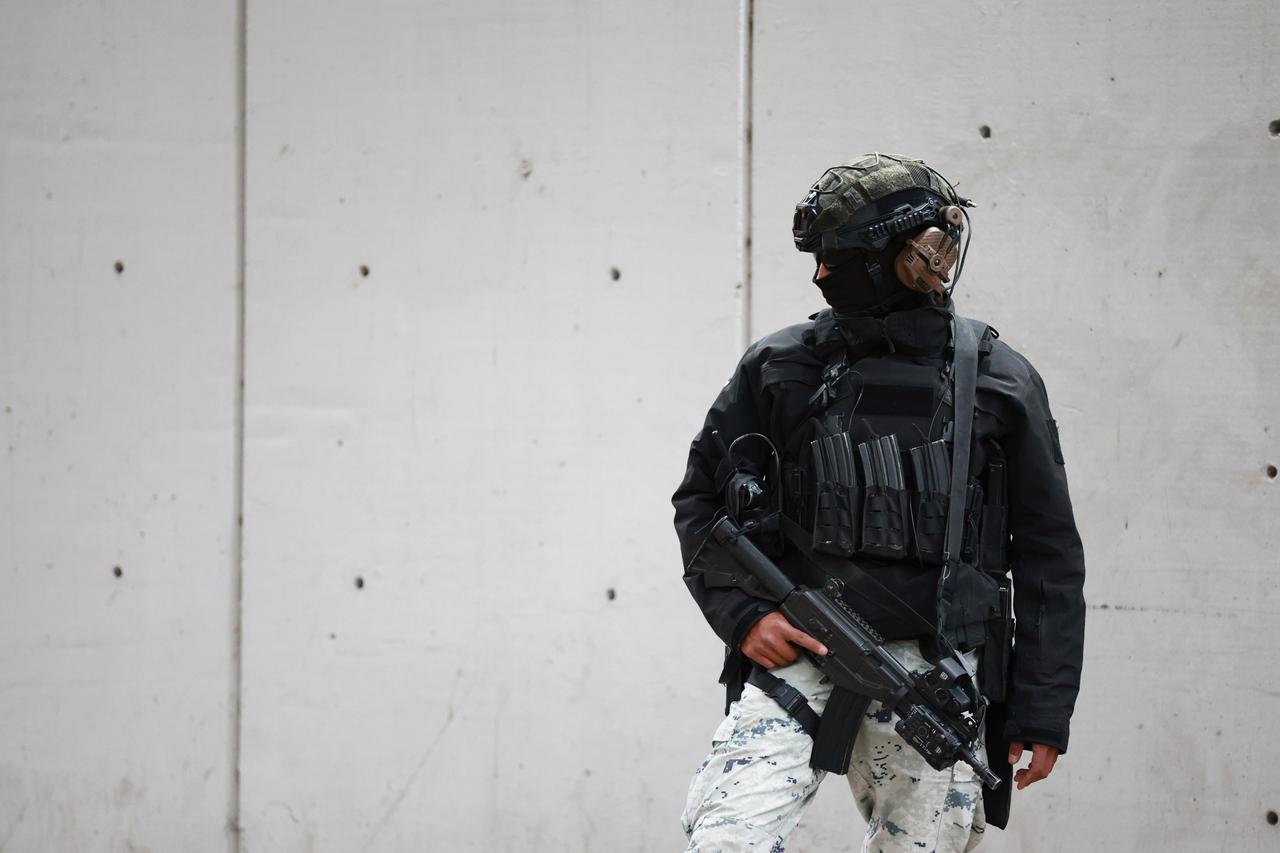
The challenge is made more dangerous by the fact that the Mexican criminal organizations are no longer lightly armed trafficking groups operating in the shadows. Many now have the ability to defend their operations with serious firepower.
“What’s more, our adversaries are now militarized with the capability of defending their operations using military-grade weapons,” he says.
Technology can expose a lab, but it cannot replace the work of penetrating the network behind it.
Mexican authorities opened a review after reports that CIA operatives joined the raid without federal authorization. Separately, the U.S. Justice Department charged Sinaloa's governor, Ruben Rocha Moya, and nine current and former Mexican officials with allegedly working with the Sinaloa Cartel.
For Chavarria, both controversies reflect a familiar tension in U.S.-Mexico counterdrug cooperation.
“If you look at the history of Mexico-U.S. bilateral cooperation over the decades, it’s hard not to see that it has been plagued with problems ranging from issues surrounding violations of sovereignty to an ongoing contentious relationship,” he says.
As Chavarria describes it, Mexican President Claudia Sheinbaum faces a familiar dilemma. Mexico needs U.S. intelligence and operational support, but its president cannot afford to look subordinate to Washington.
“Sheinbaum, while ostensibly interested in gaining control over the country’s drug-trafficking violence, has found herself between a rock and a hard place,” he says.
He adds that he “would not be surprised” if Sheinbaum and Security Secretary Omar Garcia Harfuch were aware of, and had condoned, U.S. involvement, even if admitting that openly would be politically costly.
The coordination problem is also shaped by corruption risks at different levels of Mexican law enforcement.
“State police are more easily corrupted than their federal counterparts,” Chavarria says, because they do not rotate out of local assignments. Local and state authorities, he adds, are more exposed to “threats, extortion” and organized-crime pressures.
At the same time, Chavarria does not present the case as proof of betrayal, saying there is “no indication of foul play,” though it remains “very possible” that traffickers were alerted before the raid.
For Chavarria, that uncertainty is the point. A lab can be found and cooperation displayed, but the real test is whether the network behind it was disrupted at all.


 Set as preferred source
 Set as preferred source


 2 min read
 1 min read