Newsletters




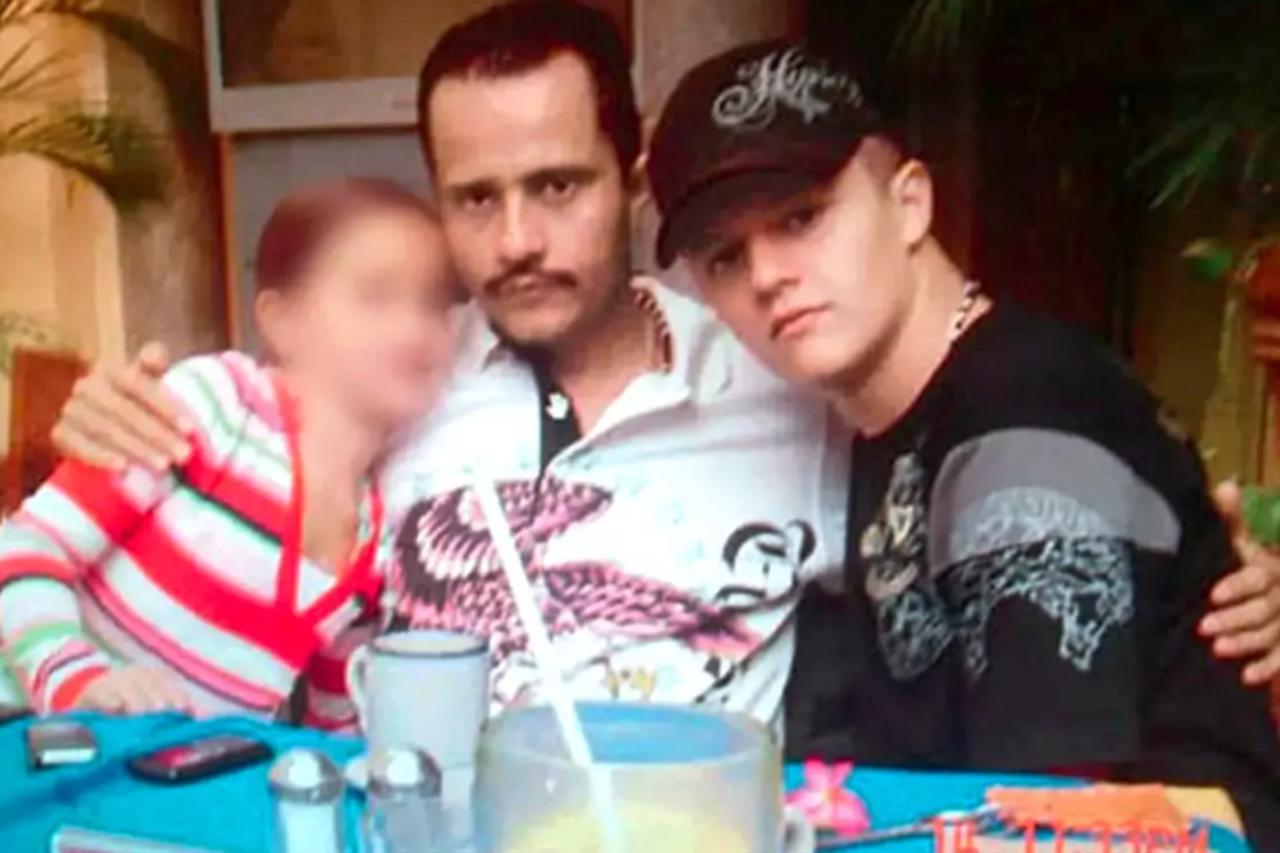
Surveillance of a romantic partner helped Mexican armed forces track down and kill Nemesio "El Mencho" Oseguera Cervantes, the leader of the Jalisco New Generation Cartel (CJNG), Mexican authorities said Monday, revealing that CIA and U.S. intelligence agencies played an instrumental role in locating the country's most wanted drug lord.
Mexican Defense Secretary Gen. Ricardo Trevilla said military investigators identified and began following a trusted associate of one of Oseguera's 'romantic partners' on Feb. 20.
The individual escorted the woman to a property in Tapalpa, Jalisco, about 80 miles south of Guadalajara, for a meeting with the drug lord.
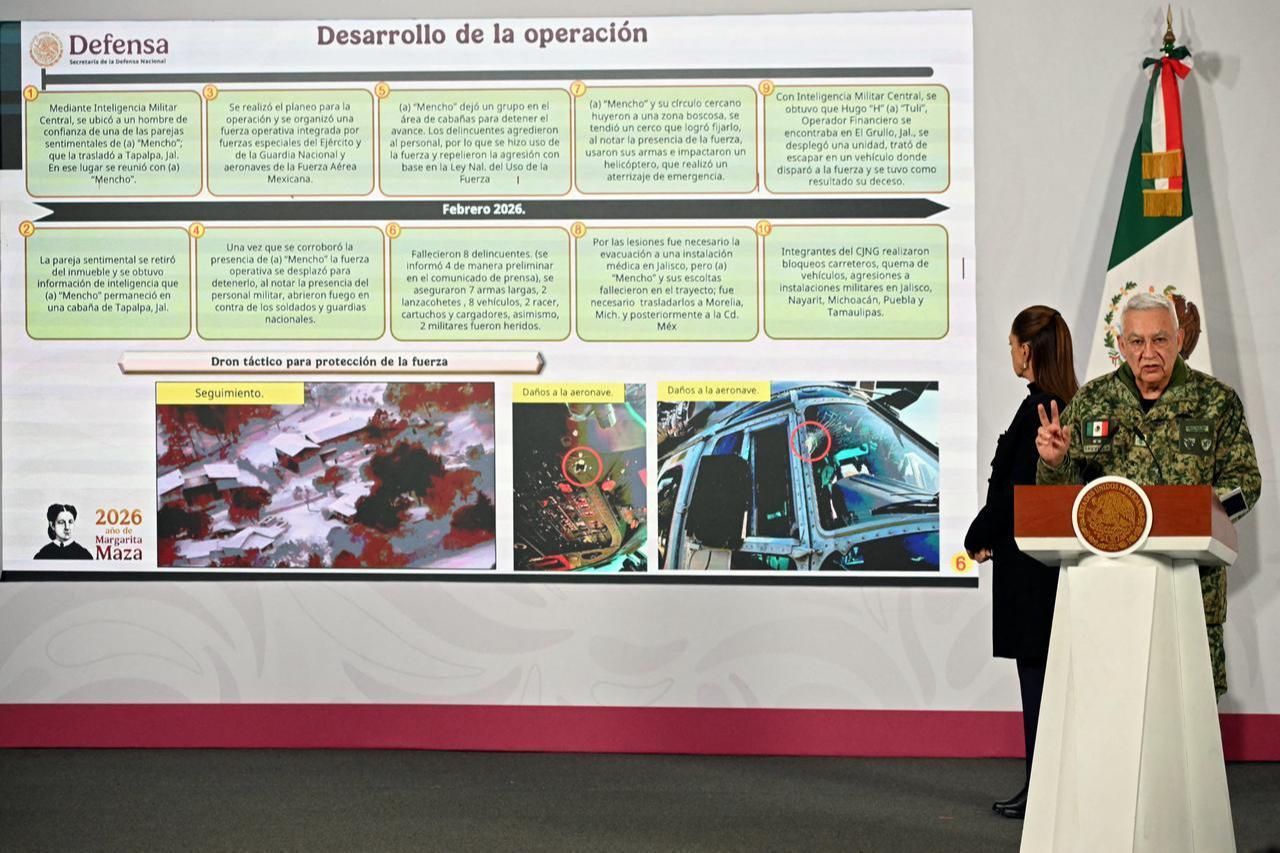

Trevilla said surveillance confirmed the couple met at the location. Although the woman left the property on Feb. 21, intelligence indicated that "El Mencho remained in that place."
"Everything related to his partner, his collaborators, and his inner circle came from our military intelligence. There was a great deal of additional, very important information provided by the United States, but once all of that was integrated and properly analyzed, it gave us his exact location," Trevilla said.
The New York Times (NYT) reported, citing U.S. officials, that the CIA and other U.S. intelligence agencies provided information that was "instrumental in removing" the cartel leader.
Those familiar with the mission said the agency employs a range of collection methods, including human informants, aerial surveillance imagery, and intercepted communications.
Mexican President Claudia Sheinbaum confirmed Monday, Feb. 23, that the U.S. provided intelligence but emphasized that no American forces participated in the operation.
"All operations were carried out by federal forces. There was no participation by United States forces in the operation. What exists is extensive information sharing," Sheinbaum said.
Her administration said U.S. Northern Command (USNORTHCOM) and INTERPOL contributed intelligence efforts, but no foreign force played a role in planning or executing the raid.
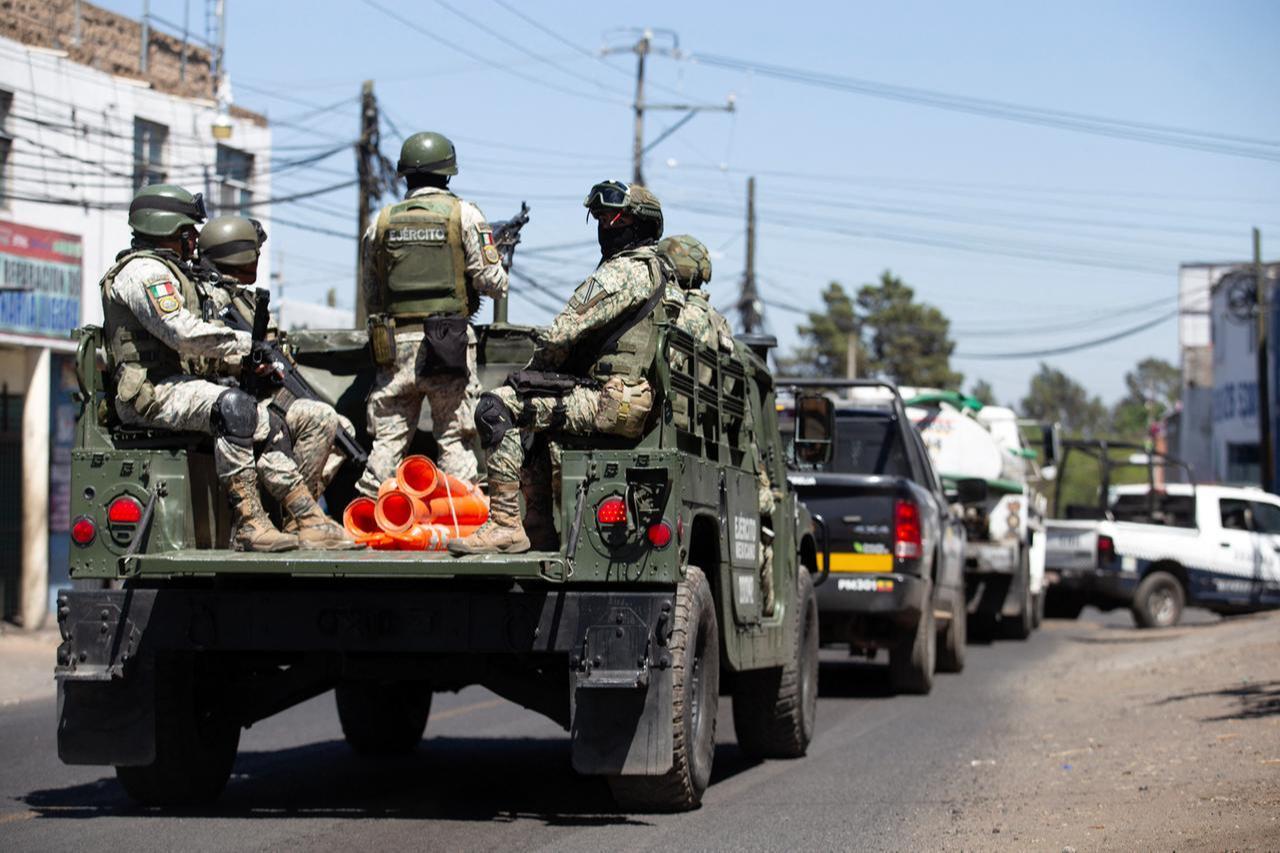
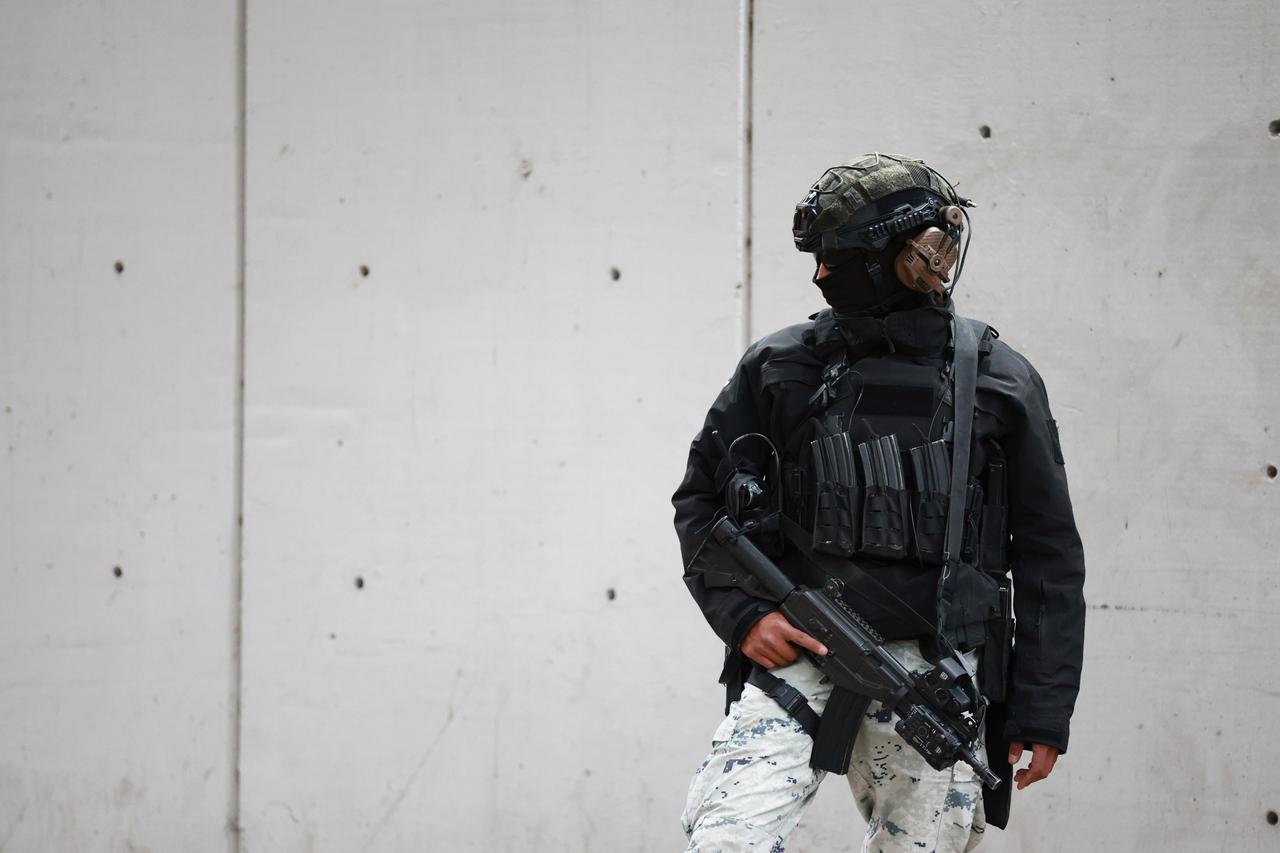
In the pre-dawn hours of Sunday, Feb. 22, an operational force composed of three elements moved in: an airmobile unit supported by six helicopters, air cover provided by Texan aircraft, and ground units from Army Special Forces.
Units from the National Guard established a ground cordon while additional special forces stood by in states bordering Jalisco.
The confrontation was immediate and violent. Cartel gunmen opened fire, covering their leader as he and his inner circle fled into the dense forest surrounding the compound.
"Special Forces personnel pursued them," Trevilla said, describing how troops established a perimeter and tracked the group through the brush.
During the pursuit, a military helicopter was struck by gunfire and forced into an emergency landing.
Oseguera attempted to take cover in a wooded area dotted with cabins on the outskirts of Tapalpa.
Special forces eventually "located him hiding in the undergrowth," triggering another intense confrontation that left the drug lord and two bodyguards wounded.
Eight gunmen were killed at the scene, four more than initially reported on Sunday.
Among the seized weaponry were two rocket launchers, including one identical to the model the CJNG used in 2015 to down a military helicopter.
Once the scene was secured, Oseguera and his bodyguards were loaded onto a helicopter for emergency transport but died en route in "critical condition."
The flight was rerouted to Mexico City rather than Jalisco's state capital to preempt violent retaliation.
Mexico's Attorney General's Office confirmed Oseguera's identity following forensic and DNA analysis, according to Security Secretary Omar Garcia Harfuch.
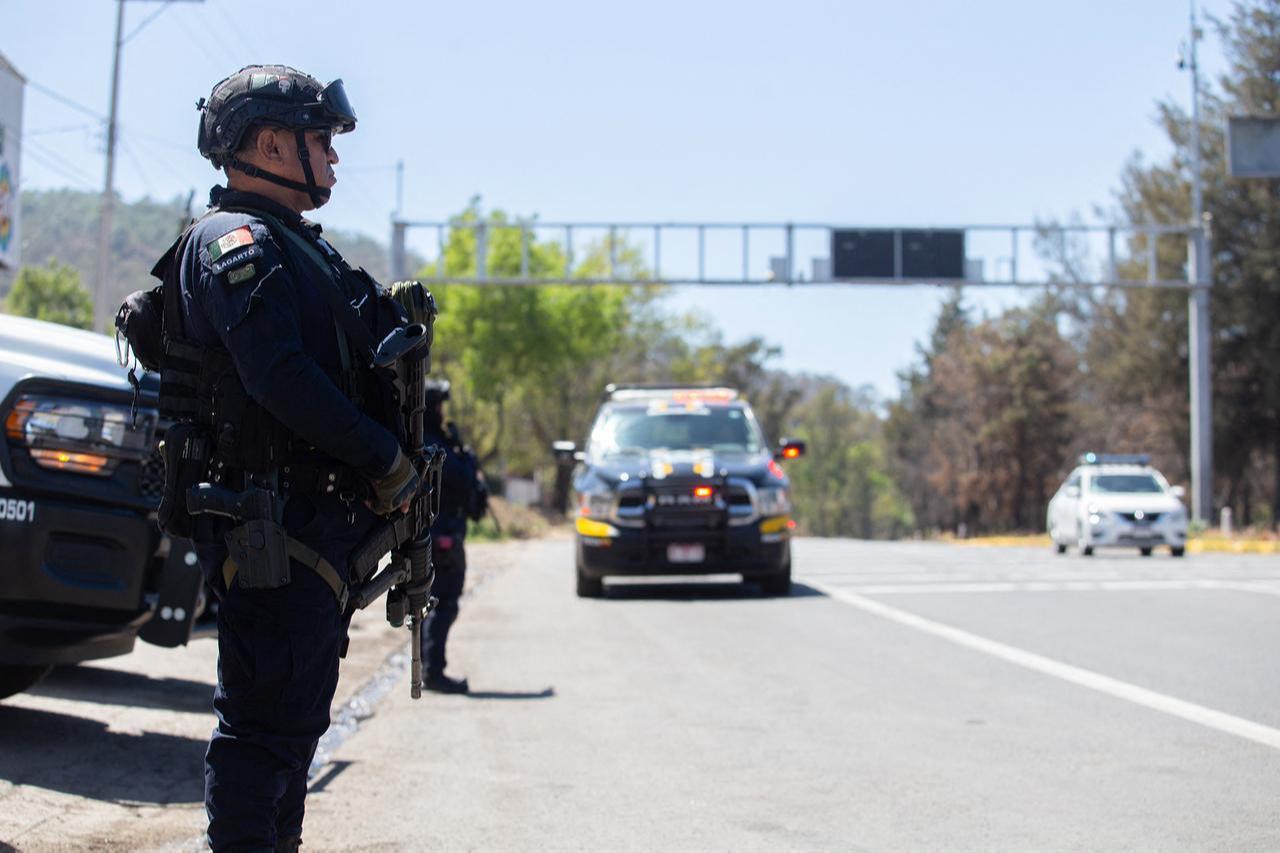
About 100 kilometers west of Tapalpa, a logistics and financial operator known as "El Tuli"—described as Oseguera's right-hand man—reportedly offered gunmen a bounty of 20,000 pesos, over $1,000, for every soldier killed, Trevilla said.
"El Tuli" was identified as the mastermind of a series of roadblocks, arson attacks, and hits on government installations across Jalisco state.
A paratrooper rifle brigade tracked down "El Tuli" and killed him in a shootout in El Grullo, Jalisco, seizing long and short firearms alongside nearly $1.4 million in mixed U.S. and Mexican currency, more than $965,000, and 7.2 million pesos.
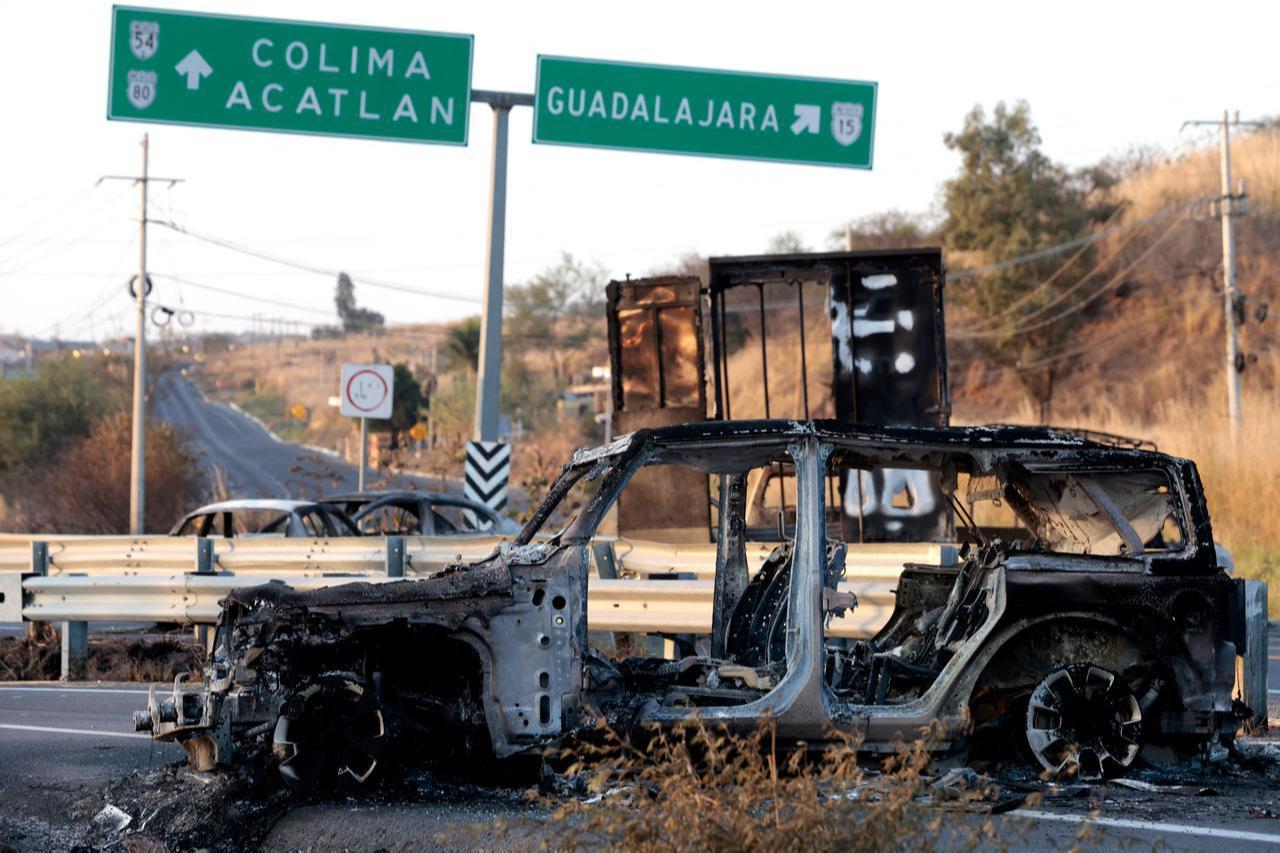
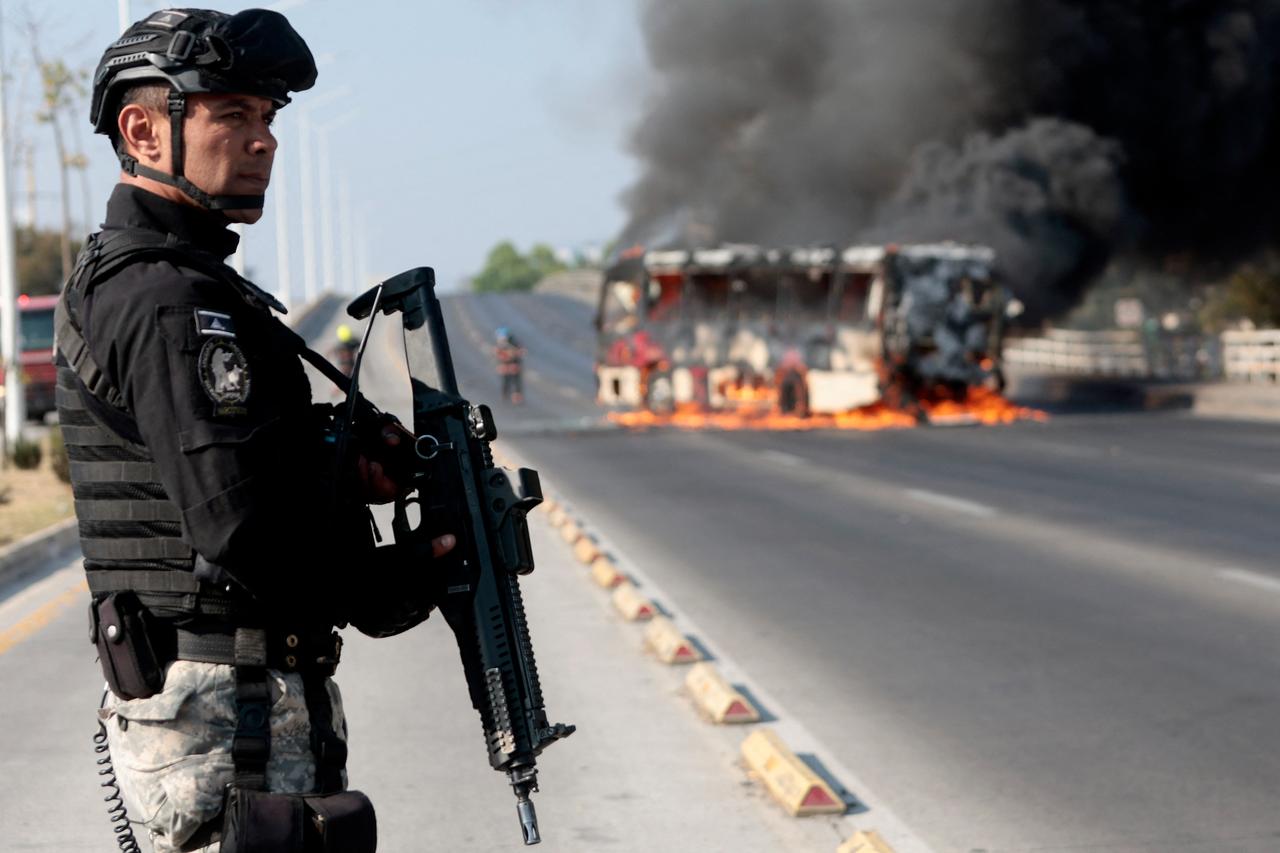
The killing triggered a devastating wave of retaliatory violence across the country.
Authorities reported up to 252 road blockades across 20 states, with businesses set ablaze and 27 attacks on security forces.
In Jalisco, 25 members of the National Guard, a prison official, a prosecutor's office employee and a presumed civilian woman were killed, along with 30 suspected criminals, Garcia Harfuch said. In neighboring Michoacan, four more gunmen died while 15 security personnel were wounded.
In total, more than 70 people were killed in the operation and ensuing violence, including security forces, suspected cartel members, and others. Authorities arrested 70 suspects.
A prison break in Jalisco saw at least 23 people escape when their jail was attacked in a hail of gunfire by "criminal groups," according to the state security secretary.
The government deployed an additional 2,500 troops to Jalisco, bringing the total troop deployment to 10,000 since Sunday, reinforcing the 7,000 already stationed in the state.
Jalisco Governor Pablo Lemus Navarro issued a red alert, suspending public transportation and canceling large public events.
Schools remained closed in Guadalajara and most public transportation was suspended.
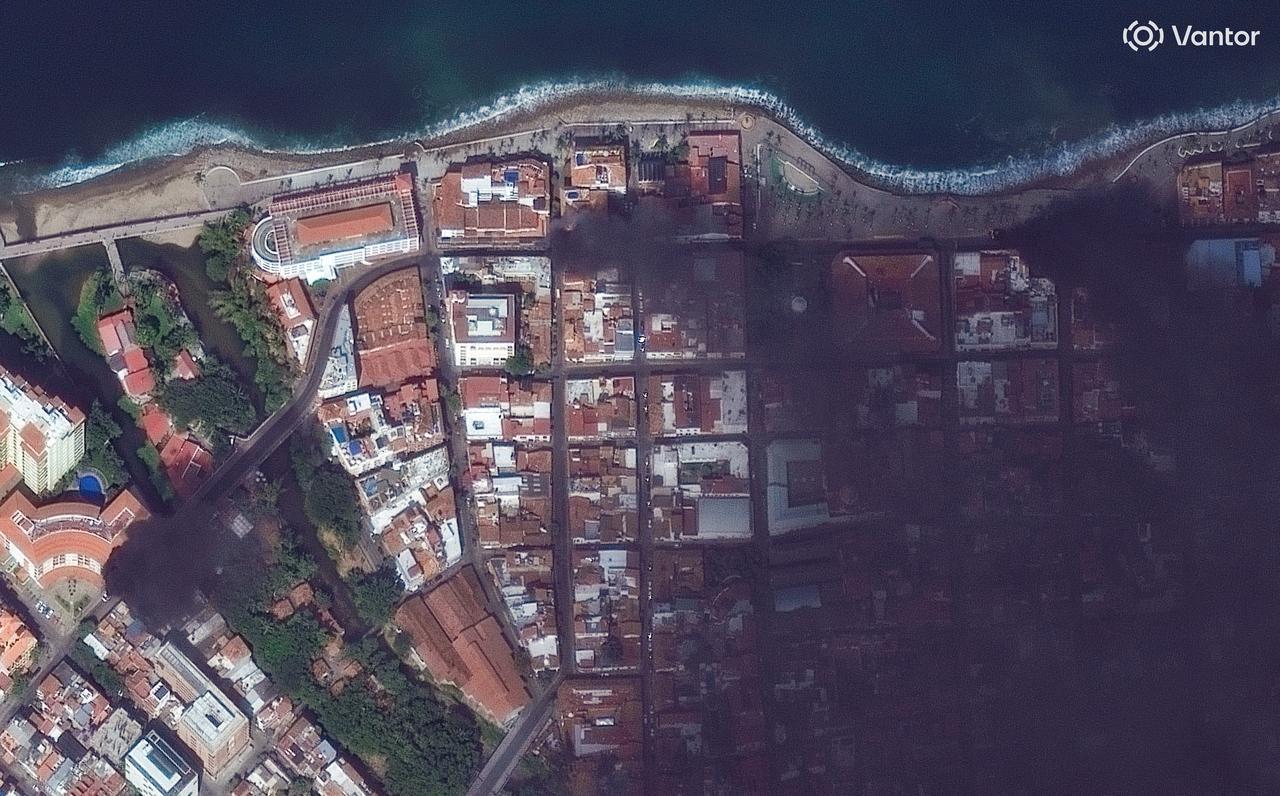
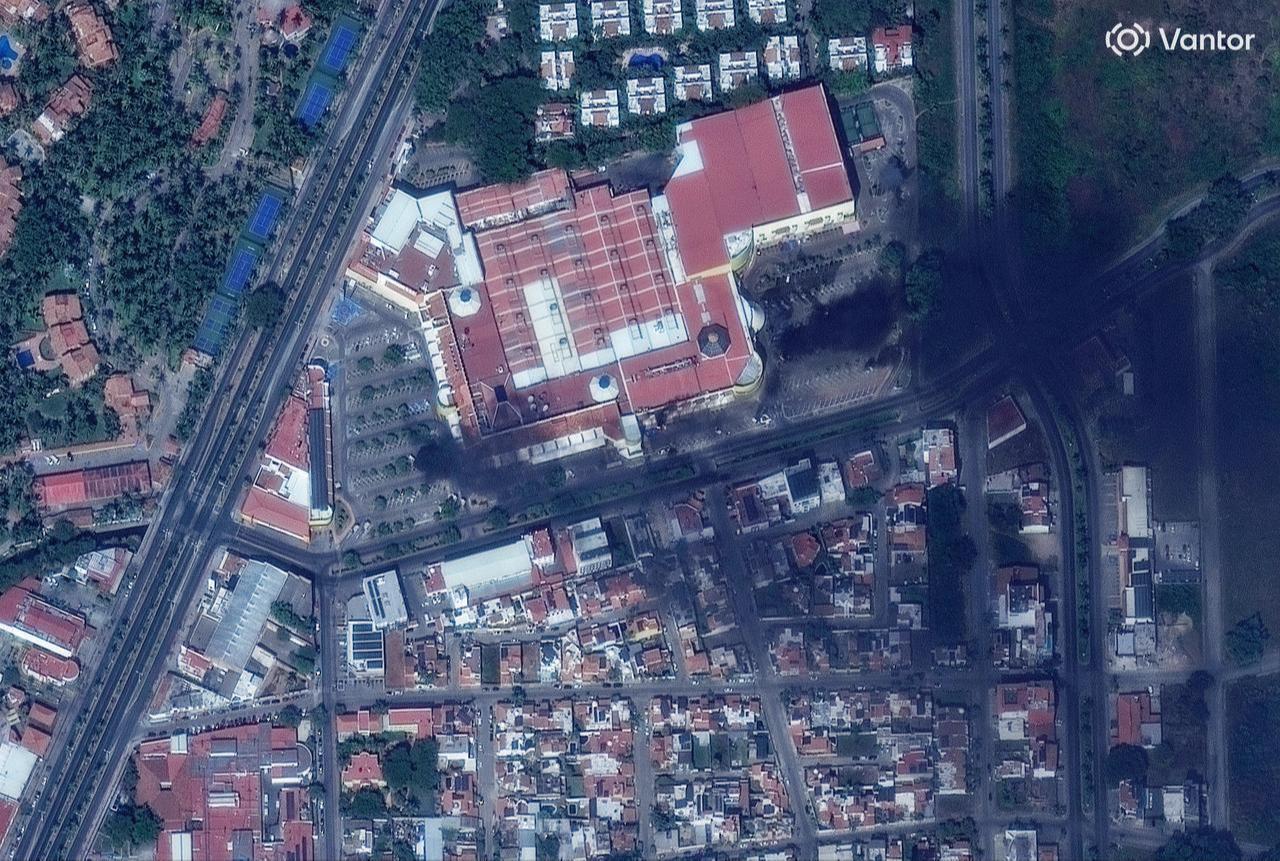
The violence also gripped the resort city of Puerto Vallarta. Dozens of U.S. and Canadian flights were canceled.
The U.S. State Department urged citizens in Jalisco to shelter in place, while travel warnings were issued by Britain, Canada, France, Belgium and Australia.
Türkiye's embassy in Mexico also urged Turkish nationals to exercise caution.
Oseguera, 59, had a $15 million U.S. bounty and a 300 million peso Mexican reward on his head.
He was considered the last of the drug lords who acted in the brutal mold of the now-imprisoned Joaquin "El Chapo" Guzman and Ismael "El Mayo" Zambada of the rival Sinaloa Cartel.
His rise to the top of Mexico's criminal underworld began after a stint in the United States.
In the 1980s, he migrated illegally to California, living in San Francisco and Sacramento.
He was arrested in 1986 for possession of a stolen firearm and in 1992 for conspiracy to distribute heroin.
After serving three years in a U.S. federal prison, he was deported to Mexico at age 30.
Upon his return, he joined the local police, serving as a municipal officer in Cabo Corrientes and Tomatlan, Jalisco.
He later left the force to join the Milenio Cartel. Following the group's fragmentation, he founded the CJNG, amassing a personal fortune estimated at between $500 million and $1 billion, while the cartel's total assets were valued as high as $50 billion.
Under Oseguera's leadership, the CJNG evolved from a localized splinter group into a heavily militarized global enterprise with supply chains spanning the Americas, Asia, Europe and Africa.
The U.S. government identified the group as a major driver of the fentanyl crisis, and President Donald Trump's administration designated it as a foreign terrorist organization (FTO) in February 2025.


 Set as preferred source
 Set as preferred source


 2 min read
 1 min read