Newsletters





For decades, migration to the Gulf carried the promise of stability for many Pakistani families. A job in the UAE often meant a steady income, school fees paid on time, medical bills covered, and savings slowly built over years of hard work. Entire communities across Pakistan grew around this cycle of migration and remittances.
According to Pakistan’s Bureau of Emigration and Overseas Employment, more than 64,000 Pakistanis moved to the UAE for work in 2024 alone, while overseas Pakistanis sent home a record $38.3 billion in remittances during FY2024-25. Nearly $7.8 billion came from the UAE, making it one of Pakistan’s largest sources of foreign income.
Now, many workers returning from the Gulf describe a very different reality. Reports of frozen bank accounts, canceled permits, stricter visa approvals (rather, rejections), and sudden job losses have spread across Pakistani communities in the UAE.
For some workers, the disruption begins quietly. Salaries stop arriving. Residency renewals face delays. Banking access becomes restricted. Others are informed that their contracts will not continue, leaving them to leave the country within days, in some cases, hours.
Families who spent years building a life abroad often return to Pakistan with limited savings and little clarity about what comes next.
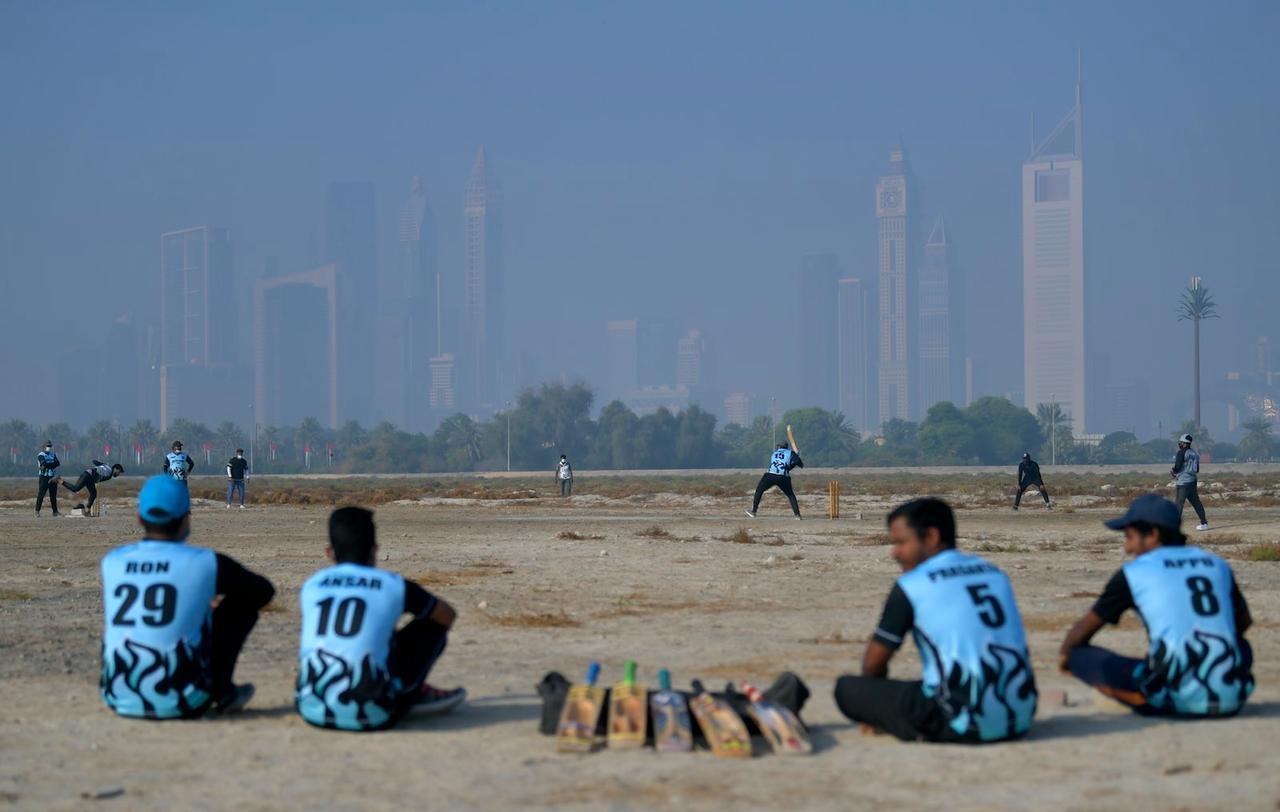

The pressure extends beyond economics. Many workers returning home face a difficult emotional shift after spending years, sometimes decades, in the Gulf.
Children grow up in Dubai, Sharjah, or Abu Dhabi and suddenly find themselves adjusting to unfamiliar schools and unstable routines in Pakistan. Some returnees speak about feeling disconnected in both places.
The Gulf was where they built their lives, but returning to Pakistan means navigating a financially altered landscape after years away. This homecoming is far more than geographical; it fundamentally reshapes identity, security, and family structures all at once.
The broader context matters. Gulf economies are changing rapidly as governments invest in national workforce programs, stricter financial monitoring systems, and tighter migration controls.
Regional tensions have also added another layer of uncertainty around residency, cross-border finance, and labor mobility. Workers who once moved through relatively stable migration systems now face an environment where policies can shift quickly and with limited explanation.
In online forums and community groups, Pakistani residents in the UAE increasingly discuss fears around visa renewals, employment restrictions, and account reviews.
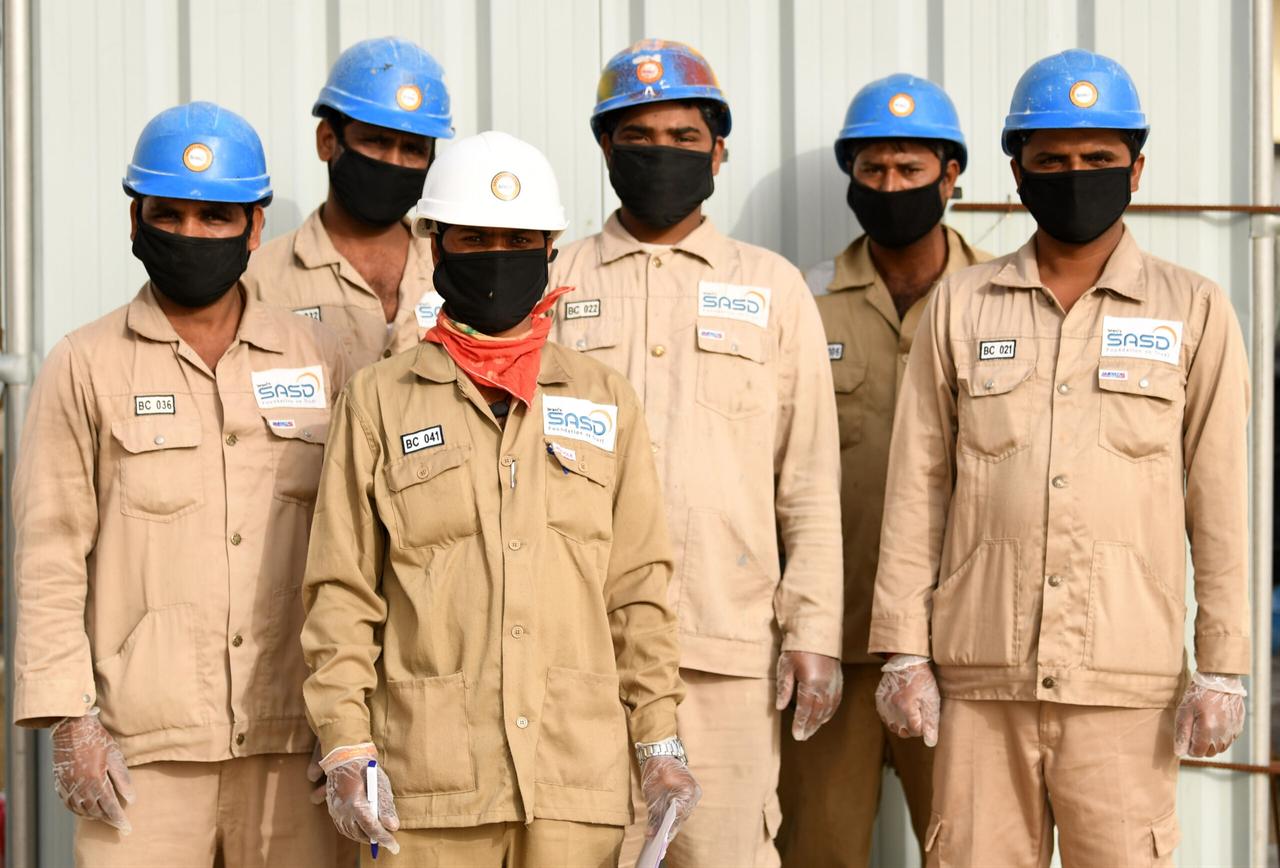
Pakistan’s dependence on remittances makes the situation more significant. Overseas workers have long supported the country’s fragile economy, especially during periods of inflation and currency pressure. Remittances help families survive rising living costs and also provide vital foreign exchange to the state.
When workers return home unexpectedly or lose financial access abroad, the impact spreads far beyond individual households. Local businesses, education plans, and health care expenses are often tied directly to income earned in the Gulf.
Yet many returnees describe feeling invisible within larger political conversations. Diplomatic statements tend to focus on trade, investment, and labor agreements, while workers themselves are left dealing with immediate disruptions.
A bank account frozen for weeks can leave families without rent money or access to savings accumulated over the years. A canceled residency permit can erase long-term plans overnight.
The uncertainty becomes harder because many workers do not fully understand why decisions are being made or whether they can challenge them.
The Gulf remains one of the most important destinations for Pakistani labor, and demand for migrant workers continues across sectors such as construction, transport, retail, and domestic work. But the relationship between labor and migration in the region appears to be entering a more uncertain phase.
Workers increasingly carry the burden of larger geopolitical and economic shifts that they have little control over.
For many Pakistani families, the issue is no longer only about employment abroad. It is about how quickly stability can disappear when migration systems tighten and financial access becomes fragile.


 Set as preferred source
 Set as preferred source



 4 min read