Newsletters




Iraq finally has a new government. The crisis that produced it never fully disappeared.
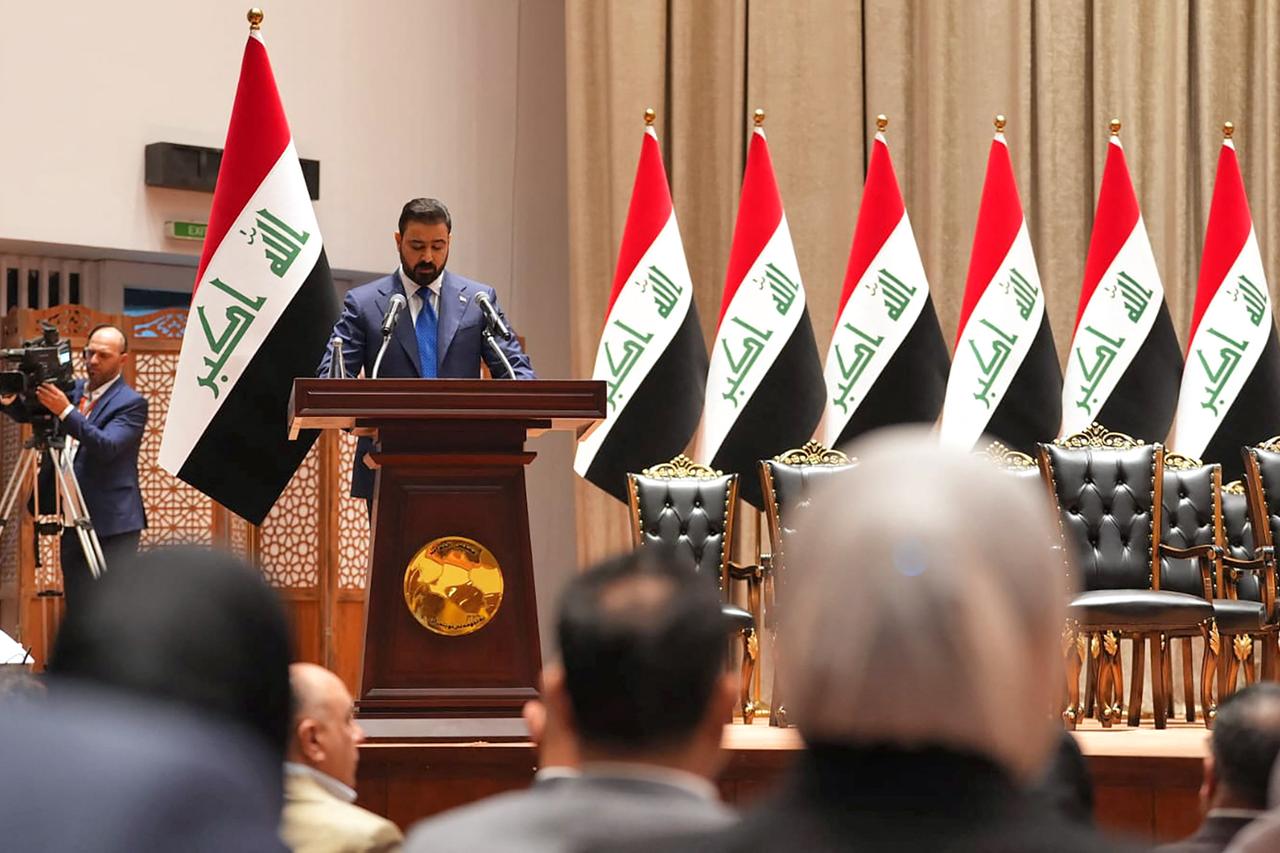
Nearly six months after the November 2025 elections, parliament approved Ali Faleh Kazim al-Zaidi as prime minister on May 14 following prolonged negotiations among Iraq’s competing political factions. Yet the government that emerged from the process hardly looks politically consolidated.
Only 14 of the proposed 23 ministers secured parliamentary confidence, while several key portfolios—including defense—were postponed after political blocs failed to agree on candidates.
Five ministerial nominees were rejected outright. The cabinet was only partially formed, reflecting how unresolved Iraq’s internal bargaining process remains despite the formal transfer of power.
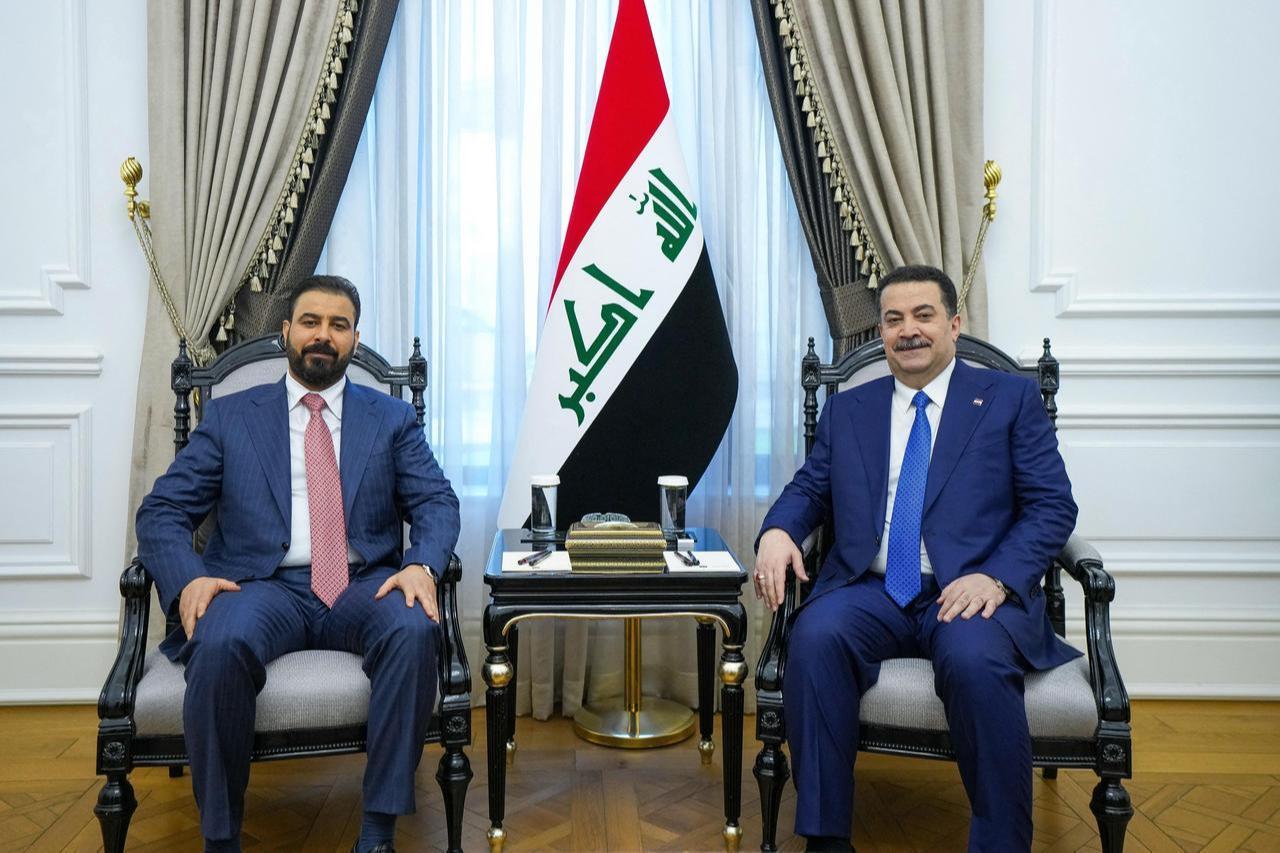

The negotiations exposed more than another routine government crisis. They revealed how much Iraq’s political order has changed beneath its familiar institutional structure.
The post-2003 system still survives, but the balance that once gave it a degree of predictability has become increasingly unstable. Alliances are more fluid now. Political blocs no longer behave with the same cohesion. Representation has expanded, yet governing coherence continues to weaken.
The presidential vote captured this transformation clearly. For months, parliament failed to elect a president because no coalition could secure the required two-thirds majority.
The deadlock broke only after Patriotic Union of Kurdistan (PUK) candidate Nizar Amedi won the presidency in April. Formally, the outcome preserved Iraq’s traditional distribution of power. The presidency remained with the PUK, while the premiership stayed within the Shiite political sphere. Beneath that continuity, however, the political landscape looked far less stable.
Shiite factions entered the process deeply fragmented. Sunni actors moved through shorter and more transactional alignments. Kurdish politics became increasingly divided between Erbil and Sulaymaniyah, particularly during the negotiations over the presidency.
The Kurdistan Democratic Party (KDP), despite its electoral strength and extensive lobbying efforts, failed to impose its preferred candidate in Baghdad. The PUK adapted more effectively to the shifting political center of gravity inside the capital.
What emerged was neither a complete rupture nor a genuine political consolidation. Iraq’s political system continues to function, but through a much looser and more fragmented equilibrium than before.
The old architecture remains intact while the internal logic sustaining it gradually erodes. In many ways, the Zaidi government represents a form of asymmetric continuity: institutional survival combined with growing fragmentation inside the political arena itself.
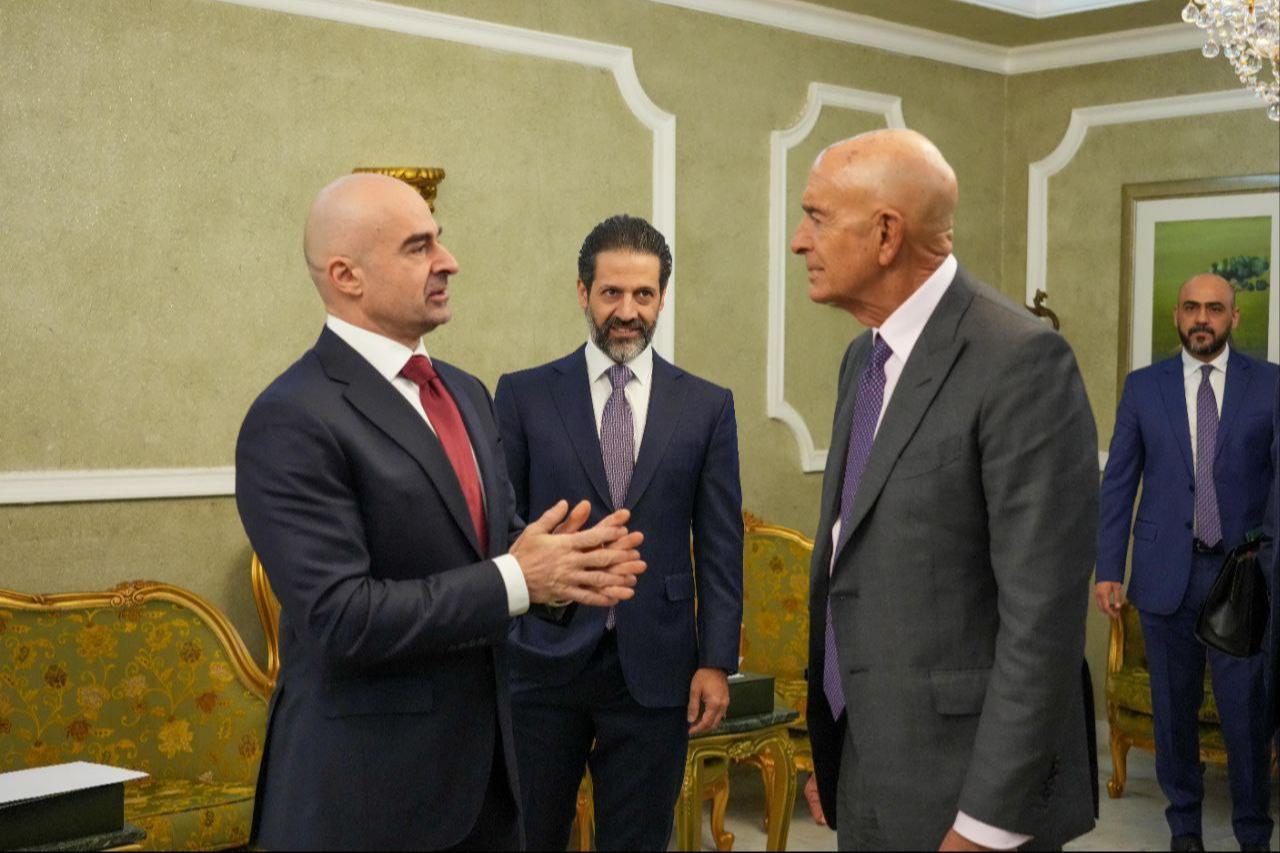
That fragmentation shaped the structure of the cabinet as well. Compared to the governments of Mustafa al-Kadhimi and Mohammed Shia al-Sudani, Zaidi’s administration appears noticeably more political and less technocratic.
Earlier governments, particularly under Sudani, attempted to preserve a degree of bureaucratic coordination by expanding the role of technocratic figures in key ministries.
The new cabinet pulls Iraq back toward a more visible quota-driven political structure where factional bargaining once again dominates the distribution of state institutions.
The issue is not simply political inclusion. Iraq’s fragmented landscape arguably made broader representation unavoidable. The deeper problem is that expanding political participation no longer translates into stronger governing capacity. On the contrary, the decision-making structure becomes more vulnerable as additional actors enter the bargaining process.
The disputes surrounding the security ministries illustrated this clearly. The Interior Ministry became one of the main arenas of negotiation among Shiite factions, reflecting a broader struggle over Iraq’s security architecture and institutional influence.
Several controversial nominees tied to sensitive portfolios failed to secure parliamentary approval, while other ministries were postponed altogether. The process exposed both the persistence of Iranian influence inside Iraqi politics and its growing limitations.
Iran-linked actors were not excluded from the government. Some appointments still reflected Tehran’s continued influence across political and militia networks embedded within the Iraqi system.
At the same time, the outcome suggested a more controlled political environment than in previous years, particularly regarding the security bureaucracy.
Washington appears less focused on eliminating Iranian influence entirely than on preventing it from dominating Iraq’s strategic direction, especially in areas tied directly to security institutions.
The same balancing instinct runs through Zaidi’s government program. The document avoids ideological language almost entirely and instead frames Iraq’s priorities through institutional stability, economic production and balanced regional relations.
Its guiding slogan—“Stable State, Productive Economy, Balanced Partnerships”—captures the broader direction of the new administration surprisingly well.
There is substantial continuity here with the Sudani era. The government program emphasizes infrastructure investment, economic diversification, energy coordination and regional integration.
The Development Road project remains central to Baghdad’s long-term planning, alongside efforts to reposition Iraq as a regional transit and connectivity hub linking the Gulf to Türkiye and Europe.
The language surrounding sovereignty is equally notable. Repeated references to centralizing security decisions, consolidating state authority and limiting weapons to state institutions reflect Baghdad’s attempt to rebuild fragmented authority without provoking direct confrontation with armed groups already embedded inside the political system.
The same balancing approach extends into foreign policy. Zaidi’s government repeatedly stresses the need to keep Iraq away from regional confrontation axes at a time when the country remains deeply exposed to escalating tensions across the Middle East.
Iraq spent much of the past year absorbing the regional fallout generated by the Gaza war, Israeli strikes against Iran and renewed U.S.-Iran tensions. Iraqi political actors understand how quickly the country can once again become the region’s primary arena for proxy competition.
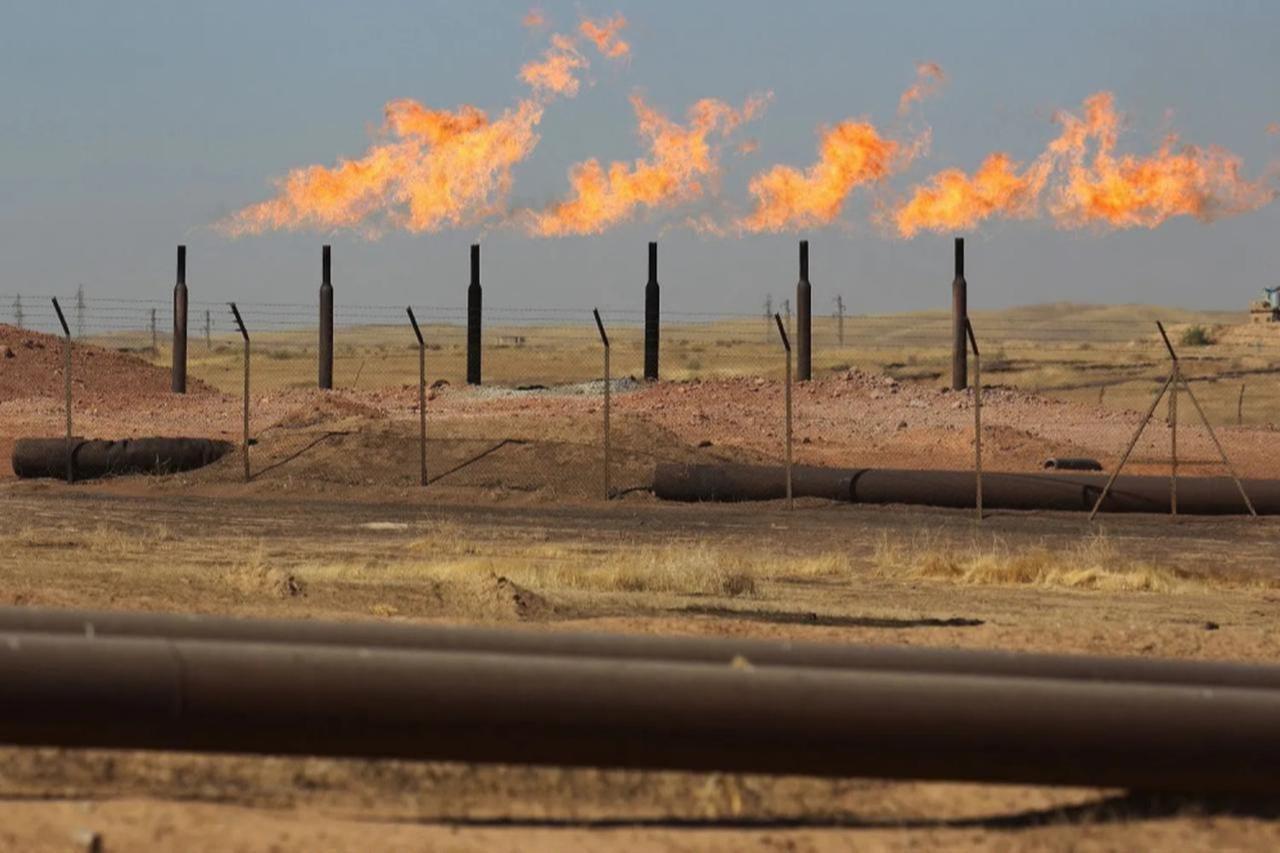
That reality partly explains why Türkiye occupies a different place in Iraq’s strategic calculations today. Ankara no longer approaches Iraq primarily through a narrow border security framework.
The shift became visible during Sudani’s tenure but accelerated significantly over the last two years as Turkish policy increasingly focused on connectivity, economic integration and institutional stabilization alongside security concerns.
The Development Road project illustrates this shift more clearly than any official statement. Ankara sees the initiative as more than a transportation corridor stretching from Basra toward Europe.
The project reflects a broader geopolitical calculation aimed at repositioning Iraq from a zone of regional competition into a center of regional interdependence.
Iraq’s geography makes both possibilities equally plausible. The same central position that gives Baghdad strategic relevance also leaves the country exceptionally vulnerable to regional fragmentation and external pressure. Nearly every major crisis in the Middle East eventually spills into Iraq in one form or another.
At the same time, Iraq’s geography also creates a strategic opportunity. Energy routes, trade corridors and Gulf connectivity increasingly place the country at the center of emerging regional economic networks.
Turkish policy toward Iraq now appears less dependent on temporary political alignments and more focused on preserving long-term strategic continuity regardless of which coalition governs Baghdad.
This became visible during the government formation process itself. Türkiye avoided tying its policy too closely to any single Iraqi faction or candidate and instead concentrated on maintaining institutional continuity and strategic cooperation irrespective of the final political outcome.
President Recep Tayyip Erdogan’s quick congratulatory message following the formation of the government reinforced that approach.
Ankara’s Iraq policy has been adjusting to this new reality for some time. For years, Türkiye relied heavily on relatively fixed political partnerships inside Iraq, particularly through Erbil and the KDP.
Iraq’s changing internal balance has made that model increasingly difficult to sustain. Türkiye’s response has not been ideological repositioning so much as strategic flexibility. Ankara still prioritizes Iraq’s territorial integrity, political unity and stability, but it now works through a much wider and more adaptive network of political relationships.
The gradual normalization between Ankara and Sulaymaniyah, as well as Türkiye’s quieter accommodation of changing political realities in Kirkuk, reflects this evolving approach.
 1 min read
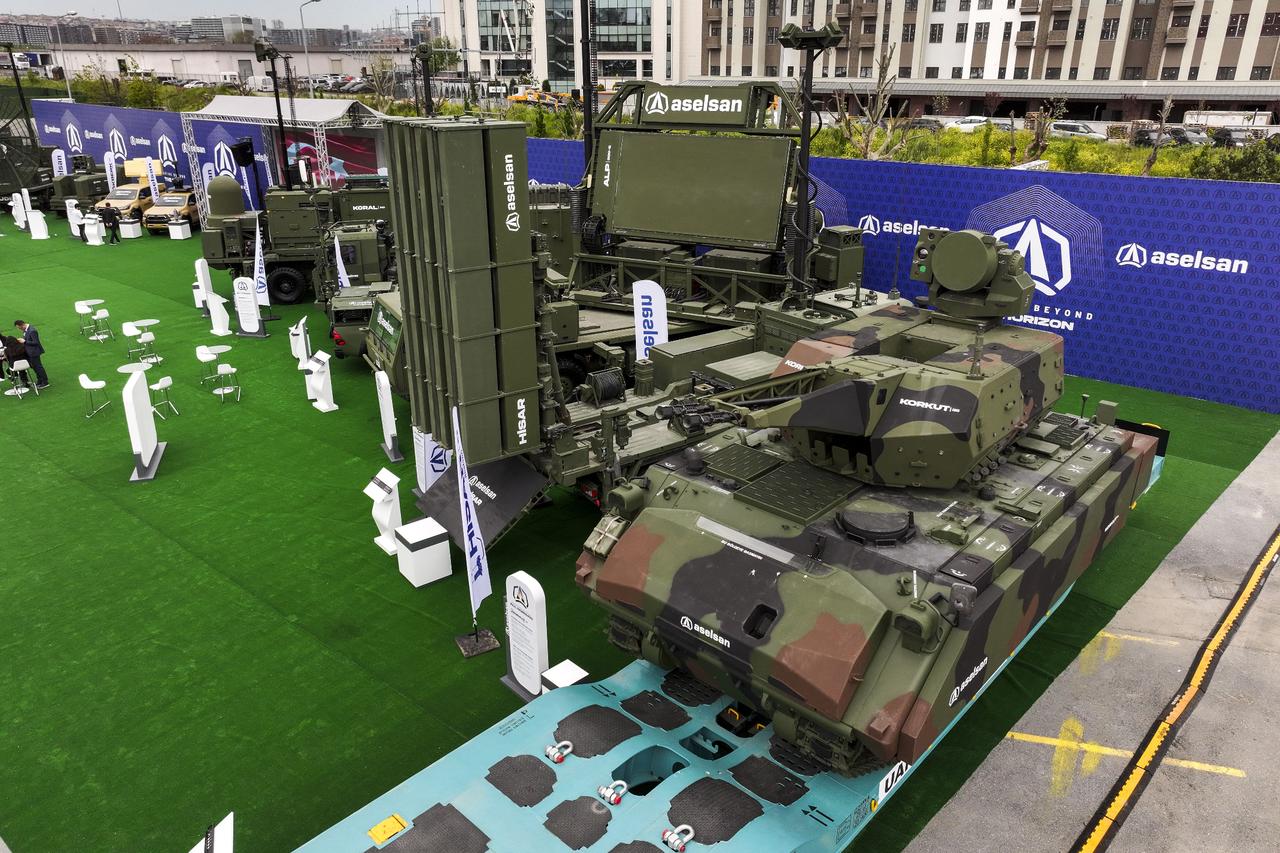
The security dimension has evolved in parallel. Türkiye’s “terror-free Türkiye” process increasingly carries a broader regional logic tied to governance and institutional stability rather than solely counterterrorism operations.
Ankara now treats instability in northern Iraq not simply as a militant problem, but as a consequence of fragmented sovereignty and weak state authority extending across areas such as Sinjar and Makhmour alongside Kandil.
Whether the current Turkish-Iraqi convergence becomes sustainable will depend largely on how Iraq manages this broader governance problem. Türkiye has already demonstrated strategic intent through security coordination, economic integration projects and regional connectivity initiatives.
Baghdad still faces the harder challenge: transforming political flexibility into durable institutional coherence.
The Zaidi government represents neither a decisive break from Iraq’s post-2003 order nor a fully coherent new political model. It is a transitional structure attempting to preserve strategic continuity under increasingly fragmented conditions.
Iraq’s political system can still produce governments. Whether it can produce durable state capacity remains far less certain.
That uncertainty matters far beyond Iraq itself. As the region’s central geography, political fragmentation in Baghdad rarely stays confined within Iraqi borders. Neither would stability, if Iraq manages to achieve it.
Iraq’s future is no longer only an Iraqi question. The direction Baghdad takes in the coming years will shape the wider regional order emerging across the Middle East.


 Set as preferred source
 Set as preferred source


 1 min read