Newsletters


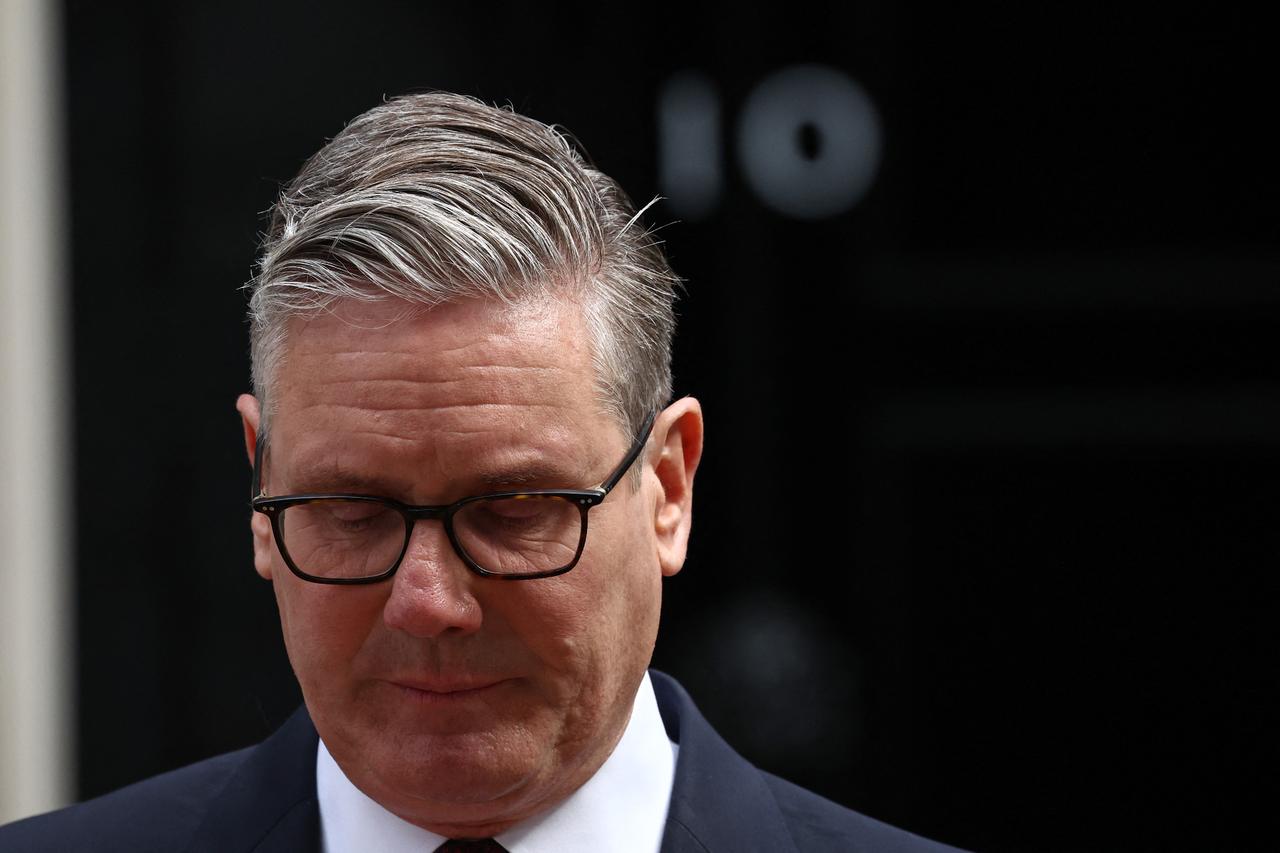


British Prime Minister Keir Starmer has announced his resignation as leader of the ruling Labour Party and as prime minister. He informed King Charles of his resignation by telephone this morning, but will remain in office until a new leader is selected.
Mounting pressure for a leadership change within the Labour Party, coupled with poor by-election results and broken promises, has forced Starmer to set a timetable to step down. Although he has been in office for less than two years, he will soon relinquish power.
The process leading to Starmer's resignation effectively began with the election of Andy Burnham, the former mayor of Manchester and his principal rival within the party, to the House of Commons. Burnham, having secured a seat in the by-election, is currently the strongest candidate for the Labour Party leadership.
In a speech delivered at 10 Downing Street, the prime minister's official residence, Starmer stated, "Every decision I have made has been about putting my beloved country before everything else. That is why I will resign as leader of the Labour Party."
The process for the Labour Party to elect its new leader will begin on July 9, and the new prime minister will take office in September. Starmer will remain at the prime minister's residence until then.
Why did Starmer, who ended 14 years of Conservative rule with a Labour Party he revived from the ashes, resign before completing even 24 months in office?
United States President Donald Trump stated on Sunday afternoon that Starmer would resign. Trump criticized the British Prime Minister on social media, saying, "Keir Starmer will resign as Prime Minister of the United Kingdom. He has failed miserably on two very important issues: immigration and energy policy. I wish him success."
So what were the factors that made Starmer so unsuccessful?
Starmer had promised to reduce irregular immigration and stop illegal crossings across the English Channel when he entered the 2024 election campaign. However, after coming to power, he had to balance efforts to reduce immigration with the country's labor market needs and its human rights obligations.
In 2025, despite the government's announcement of stricter immigration rules, the decline in the number of migrants arriving in small boats was slower than expected. Criticism from the opposition, particularly from Reform UK leader Nigel Farage, caused Starmer to lose considerable support.
Although Starmer sought to project an image of strength, immigration was an issue that did not align well with the dynamics of his own party. As a result, he began to face growing opposition within Labour. In particular, following his "Island of Strangers" campaign, which aimed to reduce immigration, he encountered significant criticism from both left-wing voters and members of his own party.
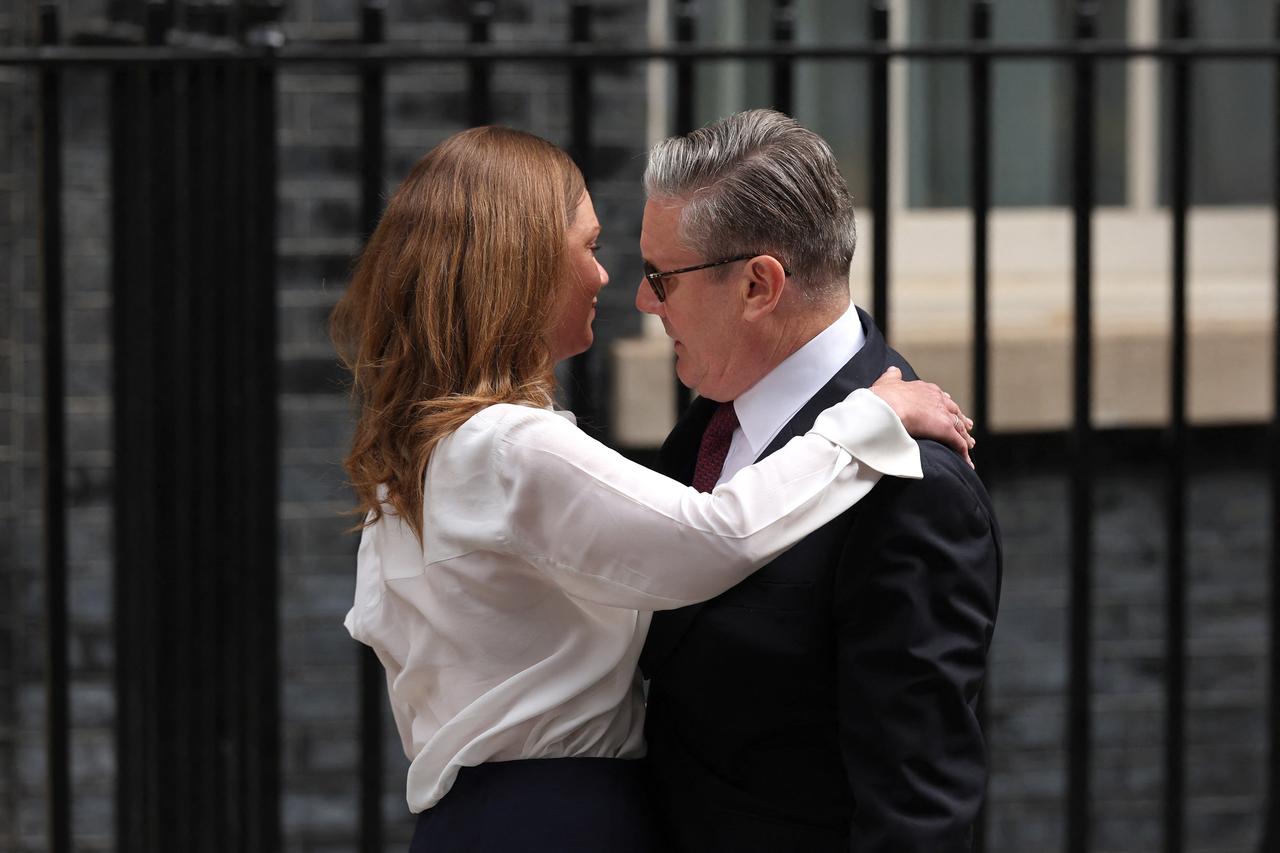

The energy price crisis in the U.K., inherited from the Conservative era, continues to this day. In an effort to address this issue, Starmer strongly supported renewable energy and the net-zero carbon target upon taking office, seeking to implement long-term measures to tackle the problem. However, this energy transition failed to deliver short-term solutions and instead generated additional challenges.
Restrictions on new oil and gas projects in the North Sea led to increased criticism regarding energy security and energy prices. Critics argued that the government had shifted too rapidly toward renewable energy and that this transition had failed to reduce household energy bills.
Furthermore, a significant portion of voters felt the short-term costs of the energy transition more acutely than its long-term benefits. As the cost-of-living crisis persisted and many voters continued to face serious economic hardship, dissatisfaction with energy bills and sluggish economic growth contributed to a decline in public support for and confidence in the government.
Starmer, who brought an end to 14 years of Conservative rule, initially stood out for his closeness to ordinary people, open communication style, and commitment to transparency. However, many analyses following his rise to power suggested that his main problem was not limited to immigration and energy policy alone.
Rather, he was increasingly perceived as a leader who frequently changed direction and failed to establish a clear political narrative on key issues. As a result, while his supporters viewed him as pragmatic, his critics portrayed him as lacking direction and rejected the vision he sought to present. Throughout this period, Starmer struggled to maintain control of the public narrative and gradually lost command of the debates surrounding both immigration and energy policy.
 1 min read
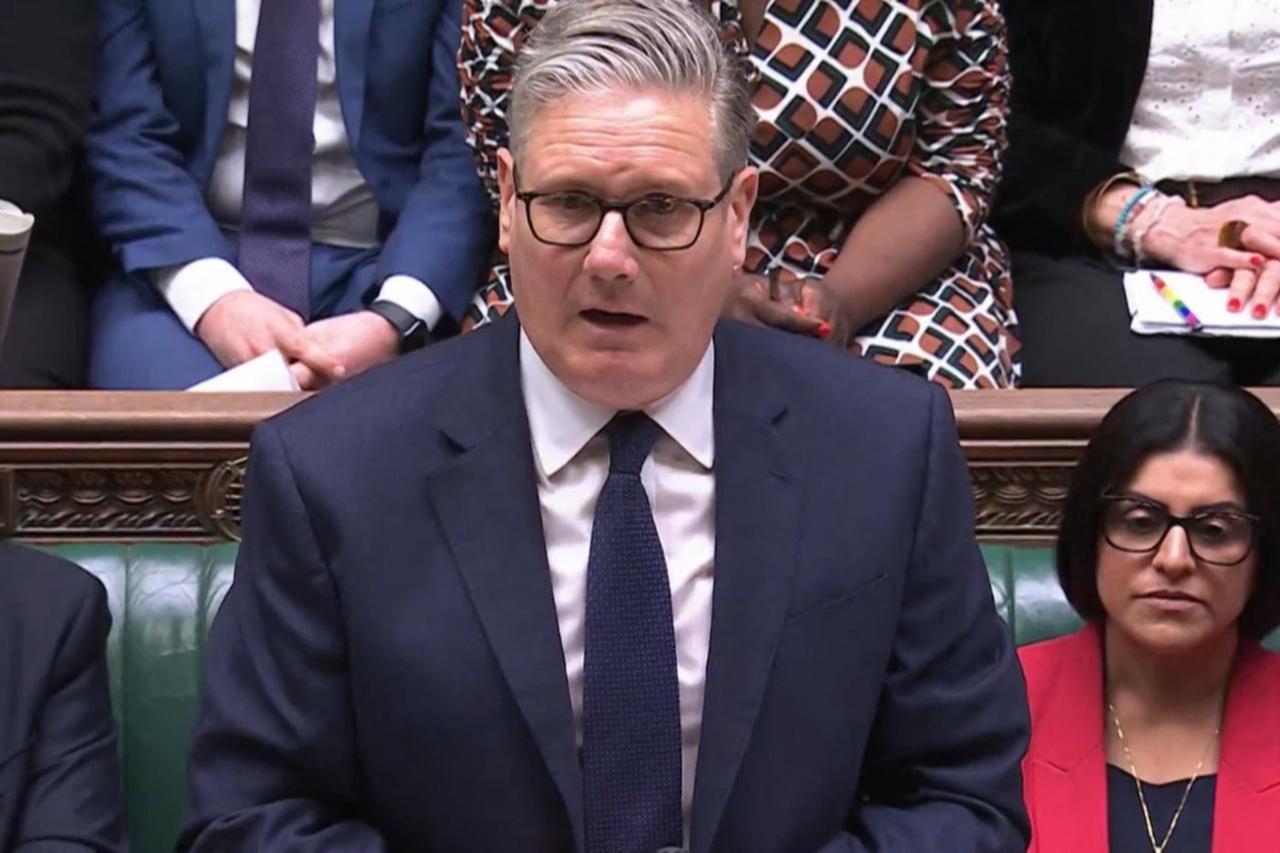
Similarly, he failed to provide sufficiently clear and convincing explanations to the public regarding the Jeffrey Epstein-related controversy that repeatedly attracted public attention. The issue centered on the appointment of Peter Mandelson, who was known to have had a long-standing association with Epstein, as ambassador to the United States.
It later emerged that Mandelson had received a negative assessment during the security vetting process, but that this outcome had been overridden through bureaucratic procedures, allowing the appointment to proceed. Although Starmer initially maintained that “the necessary processes were followed,” he later made conflicting statements regarding the extent to which he had been informed of the associated risks.
As a result, his long-time adviser, Morgan McSweeney, accepted responsibility and resigned, while several other senior government officials also left their positions. This contributed to a perception that the matter was not an isolated personnel issue but rather reflected deeper problems within Downing Street’s decision-making processes.
On May 8, Starmer declared, “I am not going to walk away and plunge the country into chaos.”
Yet, just 45 days later, he announced his resignation.
The contrast between these two moments became one of the most striking symbols of the challenges that defined his premiership. While Starmer entered office promising stability, competence, and a new direction after years of political turbulence, his government ultimately struggled to maintain public confidence amid mounting political and economic pressures. His resignation marked the end of a premiership that began with considerable optimism but gradually became overshadowed by policy disputes, internal tensions, and growing questions about leadership.
Keir Starmer, the fourth prime minister of the United Kingdom in the past four years, remained in office for approximately 23 months, bringing an unexpectedly early conclusion to his time in Downing Street.


 Set as preferred source
 Set as preferred source


 1 min read