Newsletters


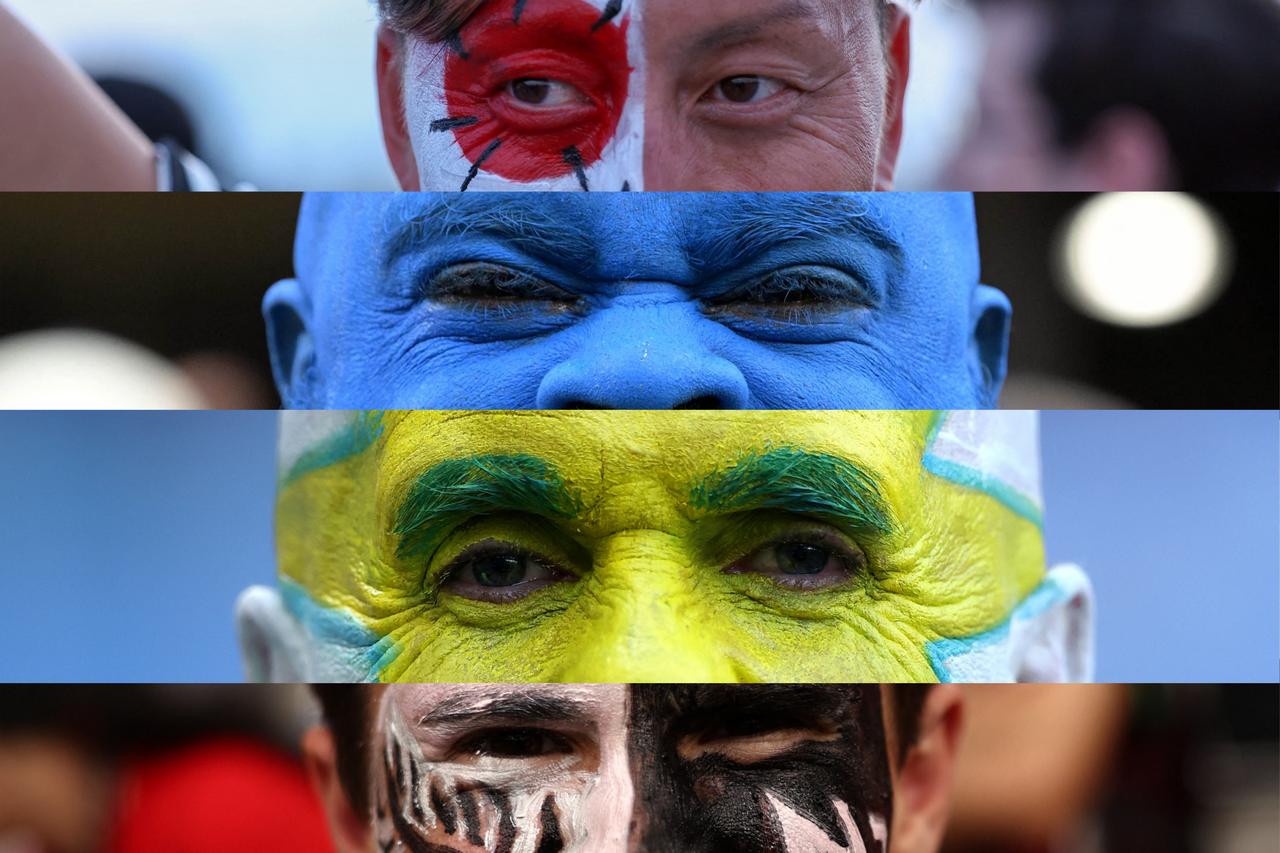


The World Cup has become one of the clearest global stages where countries turn national memory into football identity, using flags, colors, animals, coats of arms, ancient symbols, and liberation stories rather than direct political manifestos.
Across men’s FIFA World Cups through the 2026 tournament now underway, national teams have repeatedly carried history onto the pitch through names, kits, celebrations and supporter culture.
Nicknames such as The Three Lions, Atlas Lions, The Pharaohs, Lions of Mesopotamia, Selecao das Quinas, The Charruas, Vikings, Eagles of Carthage and Sons of Zayed show how football compresses national identity into a simple, portable language.
The pattern has grown more visible in 2026, the first 48-team World Cup. Four debutants, Cabo Verde, Curacao, Jordan and Uzbekistan, have arrived with especially strong nation-branding narratives, using football to present culture, state identity and collective memory to a global audience.
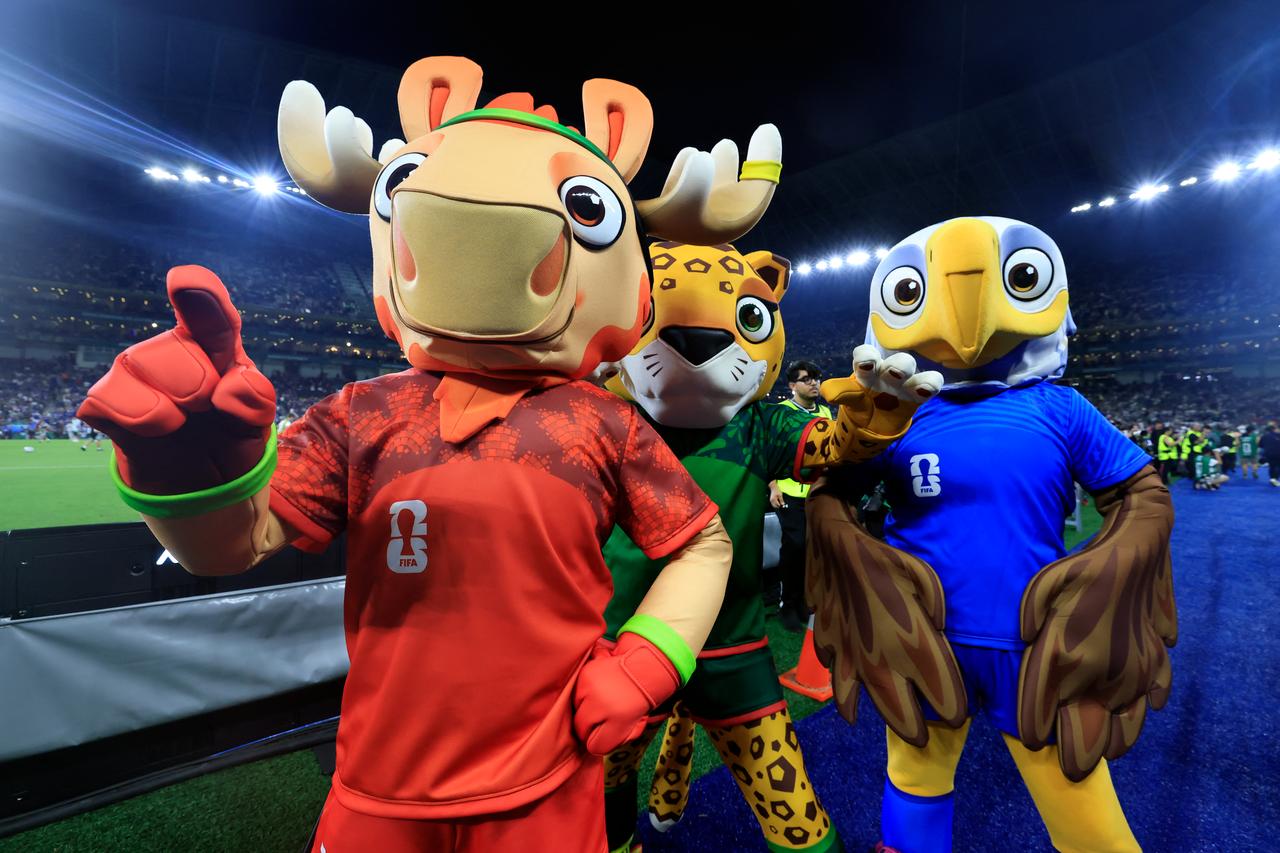

The most common form of historical expression is heraldic nationalism, meaning identity drawn from flags, coats of arms, dynastic colors, or national animals.
England’s Three Lions come from royal heraldry; Portugal’s Selecao das Quinas refers to the five shields on its coat of arms; Ghana’s Black Stars point to a symbol of African freedom; and Tunisia’s Eagles of Carthage bring ancient Carthage into modern football.
In most cases, these symbols are not controversial. They work as short civic lessons for global audiences, helping viewers link a country’s football identity with its state symbols, national myths or cultural memory.
The same logic appears in colors. Brazil’s yellow Canarinho shirt became a national symbol after the shock of the 1950 Maracanazo, while Uruguay’s La Celeste and Argentina’s La Albiceleste draw directly from national colors. For many teams, the shirt itself has become a flag-like object that carries memory across generations.
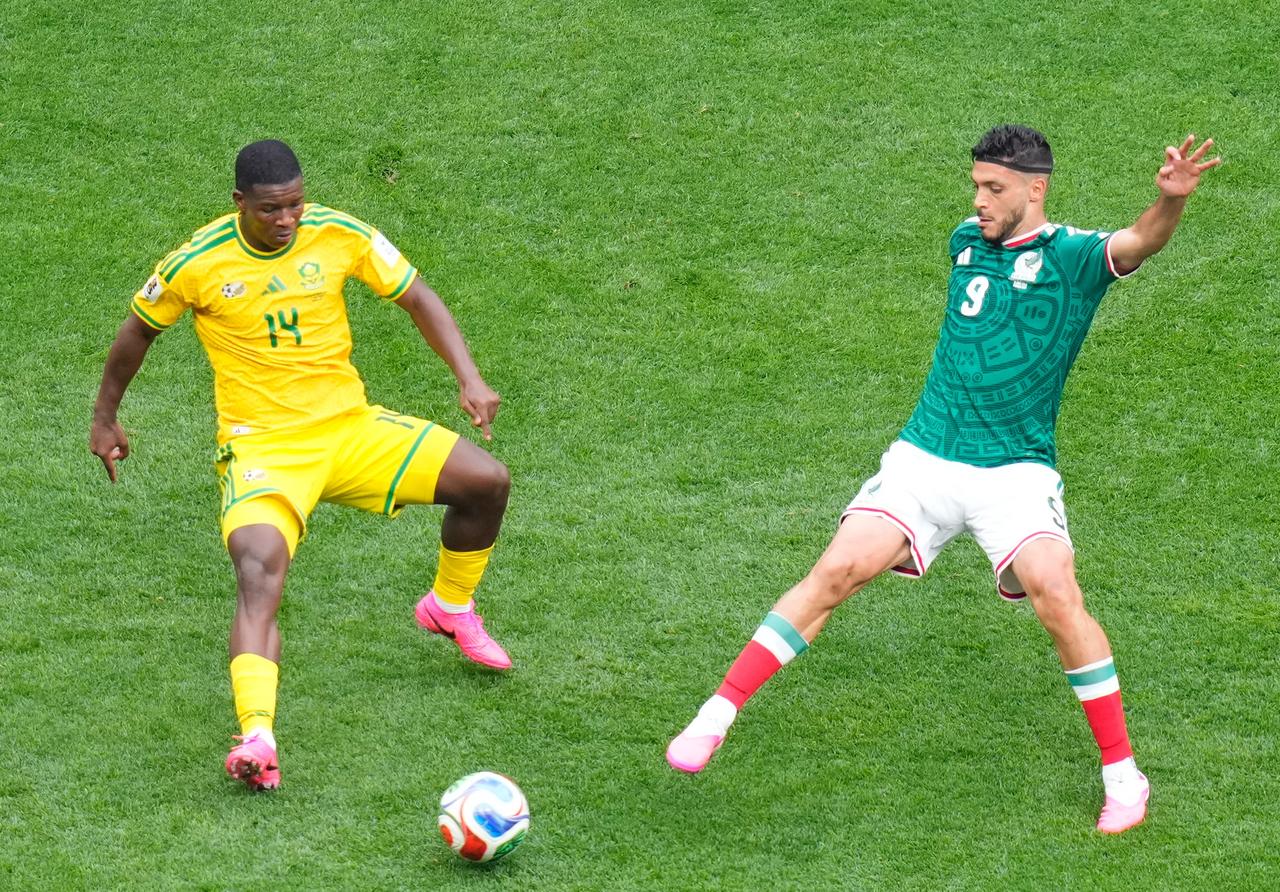
The 2026 World Cup has also shown how kit design can carry deeper historical storytelling. Mexico revived an Aztec-calendar motif, linking the team to Mesoamerican heritage.
Belgium drew on Magritte and Belgian surrealism, while Colombia used yellow butterflies as an allusion to Gabriel Garcia Marquez and Colombian literary identity.
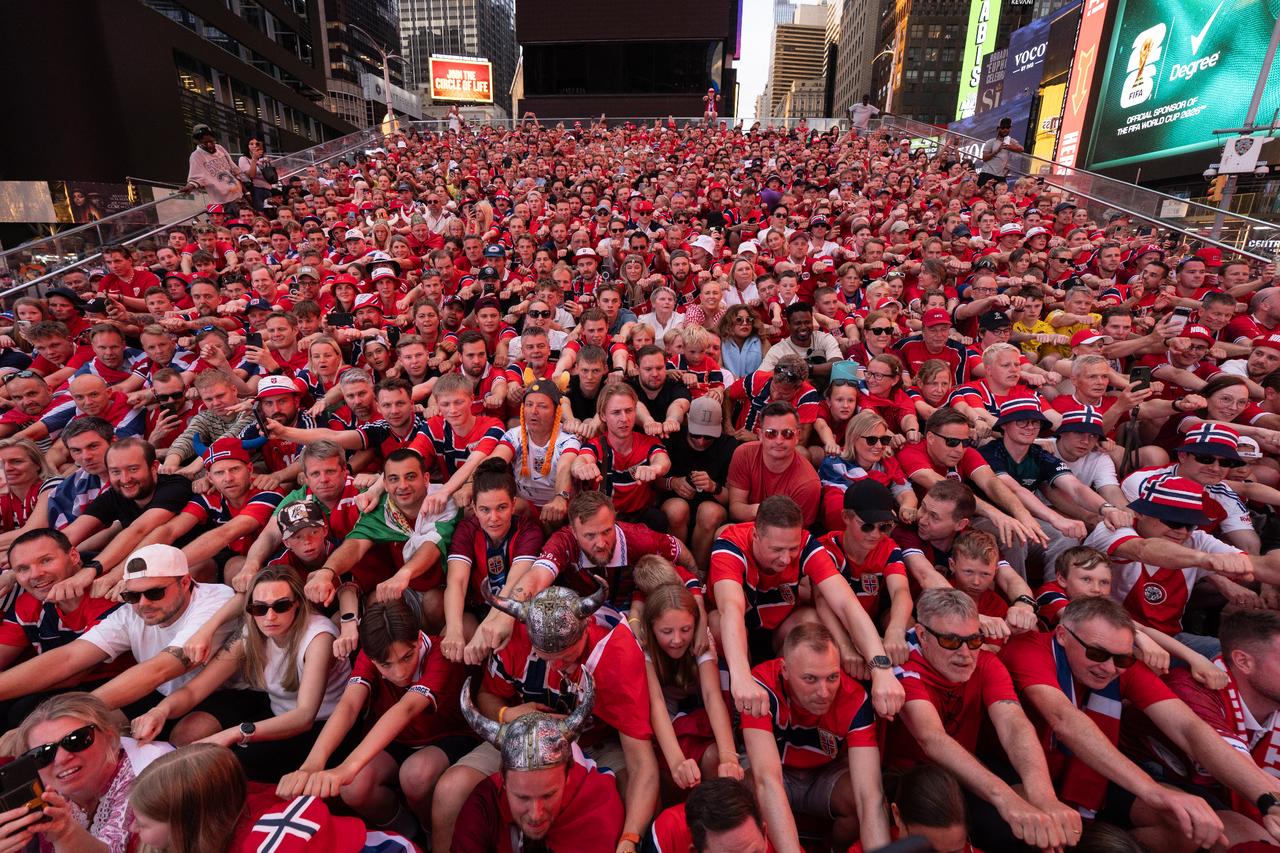
France’s away shirt invokes the Statue of Liberty and Franco-American ties, while Norway uses runic-styled lettering as a nod to Viking-era heritage.
Saudi Arabia’s shirt incorporated architectural and hospitality motifs, Iran foregrounded the endangered Asiatic cheetah, and Cabo Verde used inter-island flight-path motifs to symbolize unity.
These examples show how national memory can be presented in a soft cultural form. Instead of slogans, teams use visual references that can be understood by international audiences without needing a long political explanation.
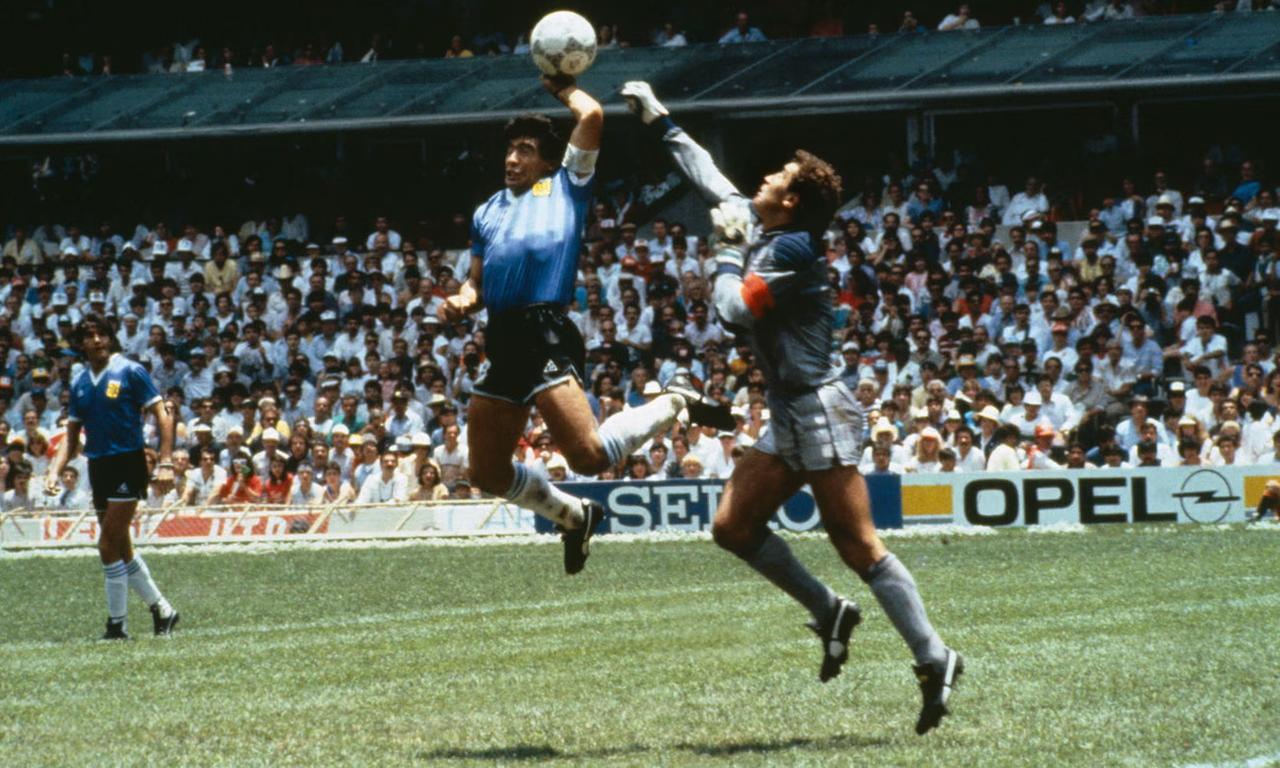
The sharper controversies begin when historical symbols also operate as current political claims. Argentina’s 1986 quarter-final against England became one of the clearest examples, as Diego Maradona framed the match as symbolic revenge after the Falklands/Malvinas War.
His “Hand of God” goal and solo goal in Mexico City turned the game into one of football’s most famous history-laden moments.
European football has produced similar flashpoints. Some England supporters have used the “Two World Wars and One World Cup” chant against Germany, turning wartime memory into fan performance. In 2018, Switzerland’s Granit Xhaka and Xherdan Shaqiri celebrated goals against Serbia with the Albanian double-eagle gesture, leading FIFA to fine them and Stephan Lichtsteiner.
Serbia’s World Cup symbolism has repeatedly intersected with Kosovo. In 2022, FIFA investigated and later fined Serbia after a dressing-room banner showed Kosovo within Serbia with the words “No surrender.”
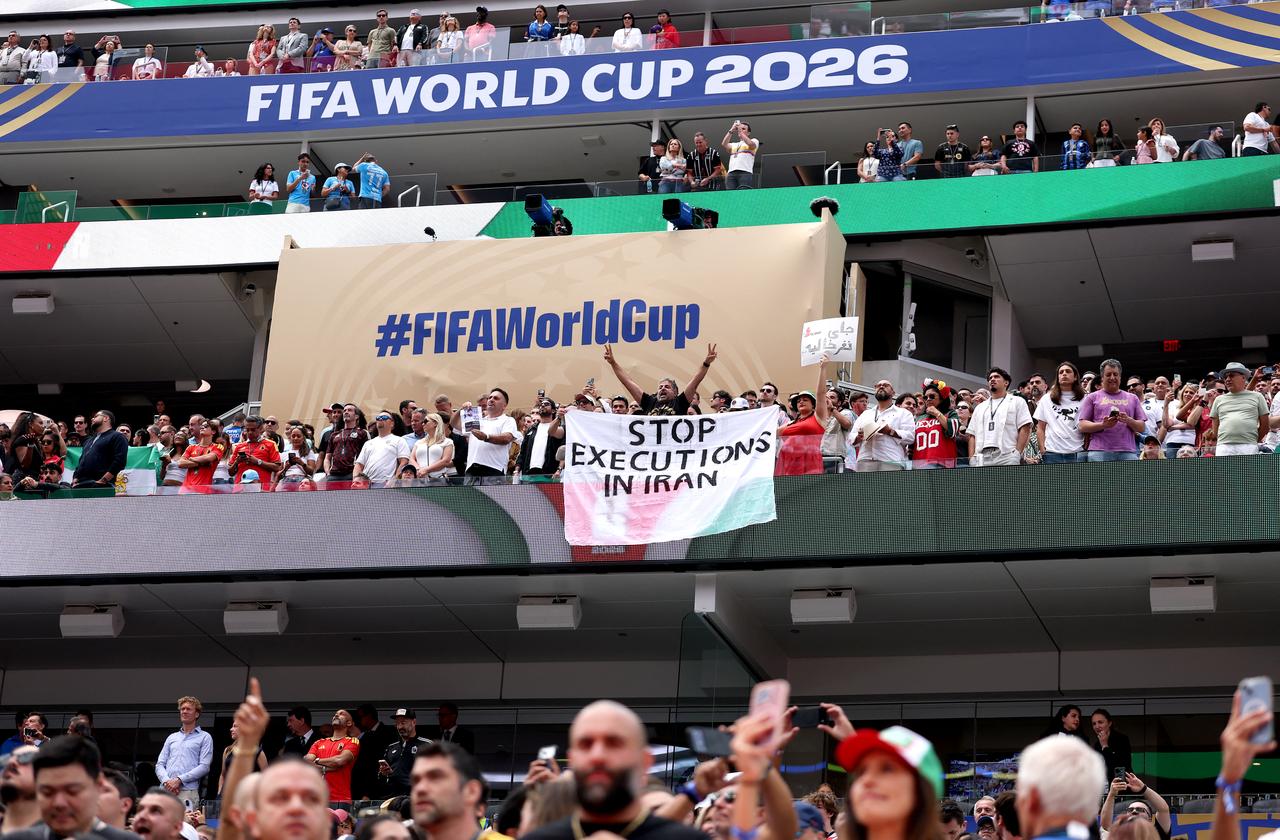
The clearest recent examples show how difficult it is for FIFA to separate culture from politics. Iran became a major case in 2022 when players declined to sing the anthem in apparent solidarity with anti-government protesters. In 2026, some supporters booed the anthem and displayed Lion-and-Sun protest symbols, while others backed the Islamic Republic’s symbols.
Haiti’s 2026 shirt created a different debate. The original design depicted imagery from the Battle of Vertières, a key event in Haiti’s war of independence. FIFA required the shirt to be altered, saying the design violated regulations on political speech. The case showed how anti-colonial heritage can be classified under the same broad category as active political messaging.
Mexico’s long-running fan-chant sanctions form another part of this policy problem. Although the chant is not historical in origin, it shows how national performance inside stadiums can clash with FIFA’s anti-discrimination rules.
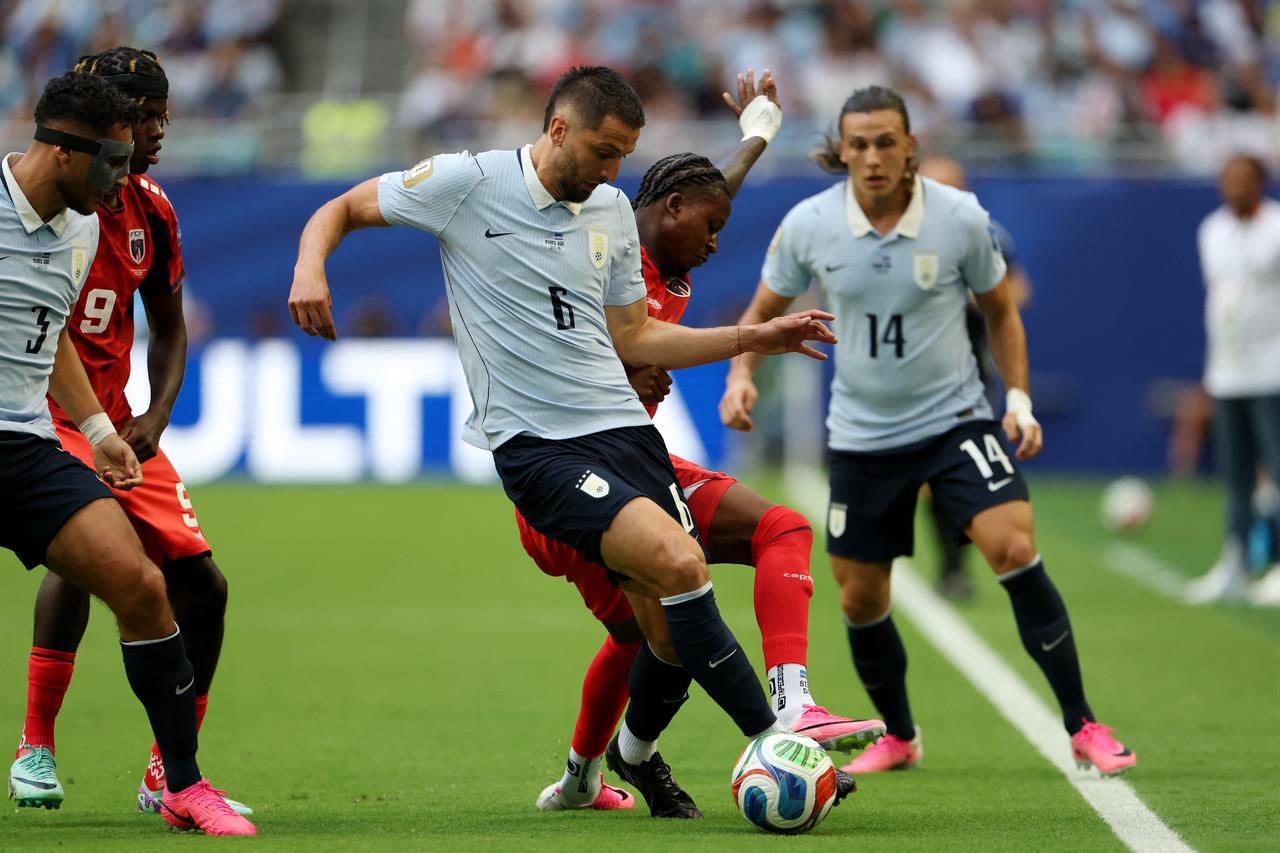
The use of national memory changes by region. In Latin America, World Cup symbolism often connects with Indigenous ancestry, anti-imperial memory and the legacy of military rule or democratic recovery. Argentina’s 1978 title remains tied to the military dictatorship, while Uruguay’s “garra charrua” turns Indigenous Charrua identity into a footballing idea of courage and endurance.
In Europe, heraldry, dynastic colors and war memory loom larger. Italy’s Azzurri identity comes from the blue of the House of Savoy, while the 1934 World Cup in Fascist Italy remains one of the clearest examples of a regime using football as spectacle. Croatia’s checkerboard shirt is a strong state symbol, though post-2018 celebrations drew criticism when wartime-era nationalist music entered the public celebration.
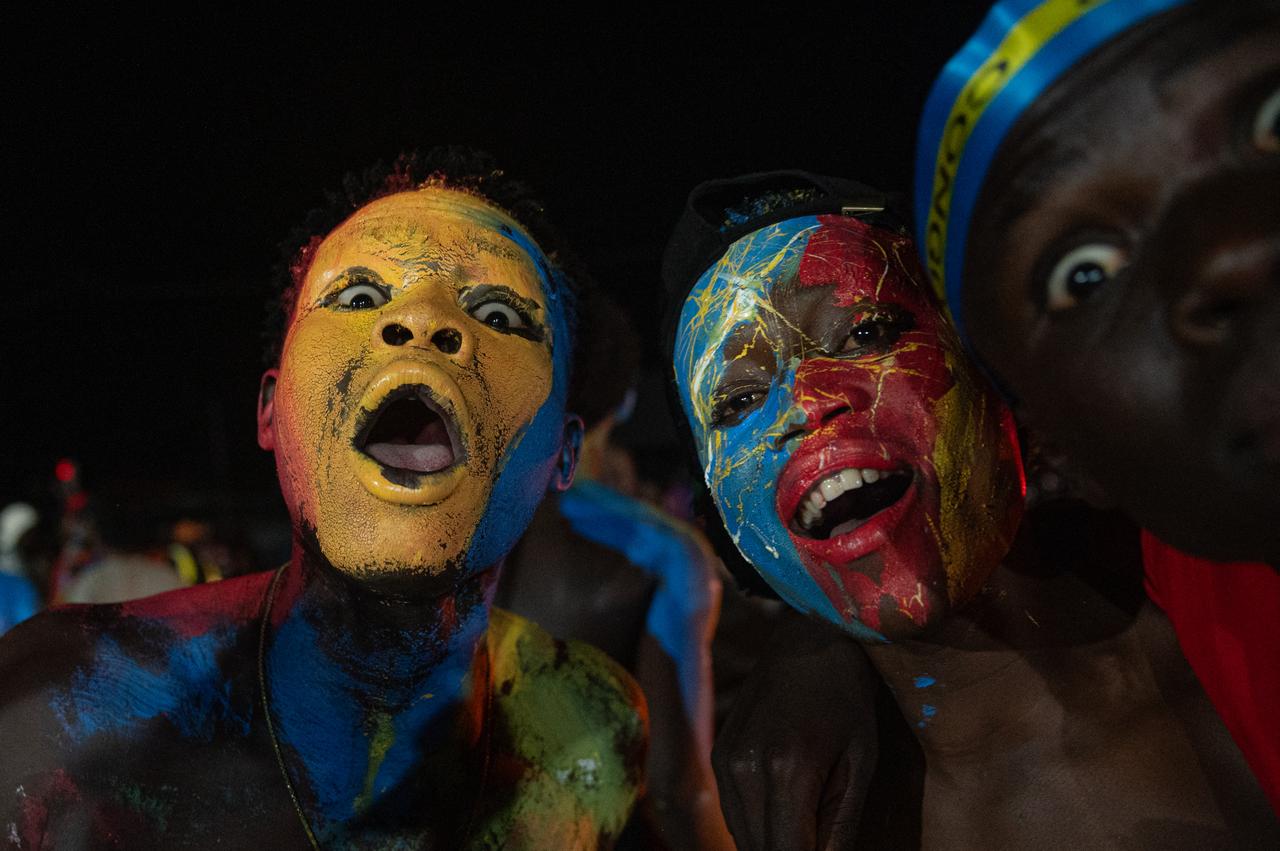
In Africa, national animals, post-colonial statehood and liberation-era meanings are especially visible. Ghana’s Black Stars carry independence-era and pan-African meaning, Morocco’s 2022 run became a symbol across both Africa and the Arab world, and DR Congo’s 2026 return was framed as a chance to move beyond the painful memory of Zaire’s 1974 World Cup.
In Asia and the Middle East, ancient-civilizational references, founder symbolism and regime-opposition disputes are more prominent. Iraq’s Lions of Mesopotamia, Japan’s Samurai Blue, Jordan’s Al-Nashama and the United Arab Emirates’ Sons of Zayed all show different ways in which football identity draws from cultural memory, state foundation or historical character.
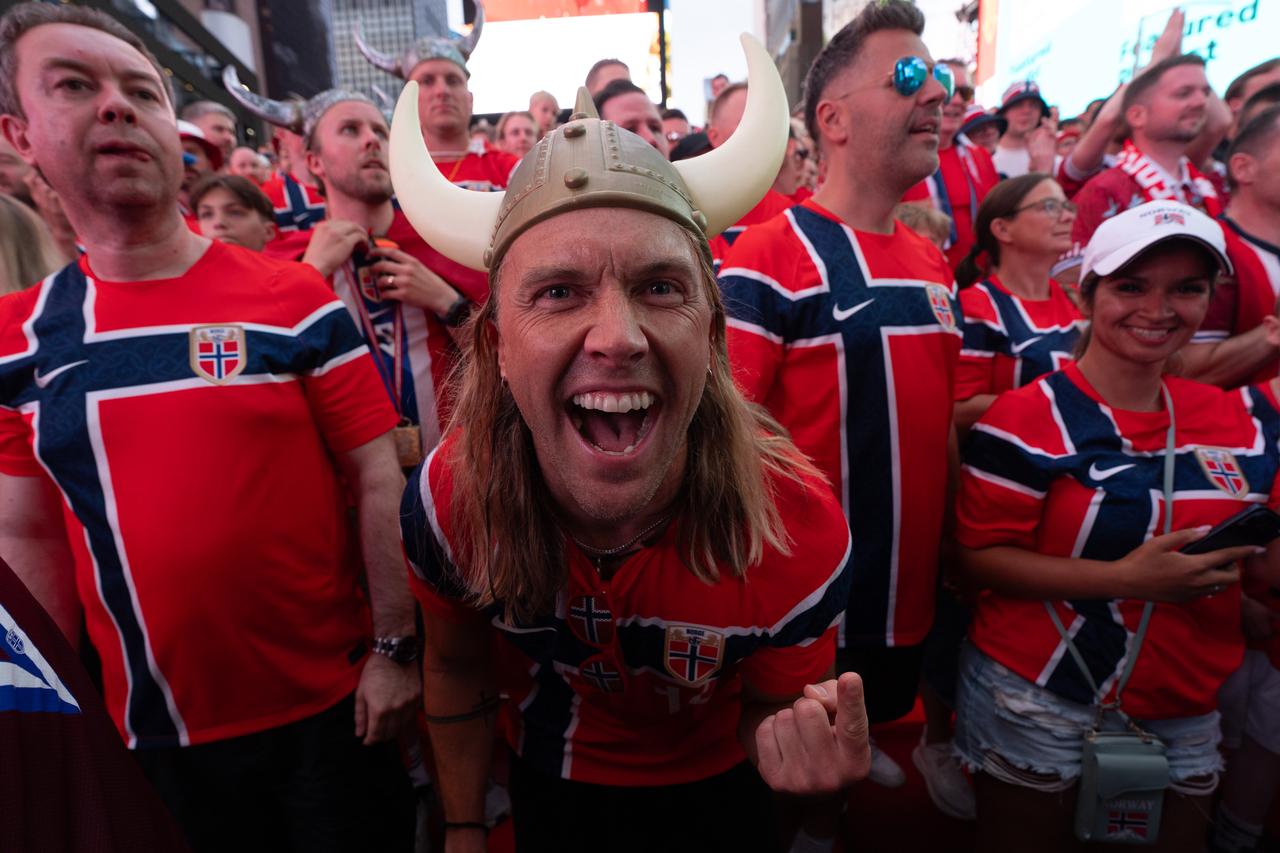
The 2026 tournament has shown that “history” is not a neutral category. A coat of arms, a map, a revolutionary battle scene, or an old flag can appear as heritage to one audience and provocation to another.
FIFA’s rules can block explicit political, religious or personal messages, but they cannot easily separate culture from politics when national memory itself is disputed.
The federation’s 2026 anti-hate campaign, built around captains exchanging “We Play Together. We Stand Against Hate” pennants, reflects a preference for universal messaging over contested national symbols.
Yet the World Cup’s appeal comes partly from the fact that nations present themselves before a global audience. The central issue is not whether history belongs in football, but where FIFA draws the line between cultural memory, political mobilization, discrimination, and active geopolitical claims.


 Set as preferred source
 Set as preferred source


 1 min read

 1 min read