Newsletters


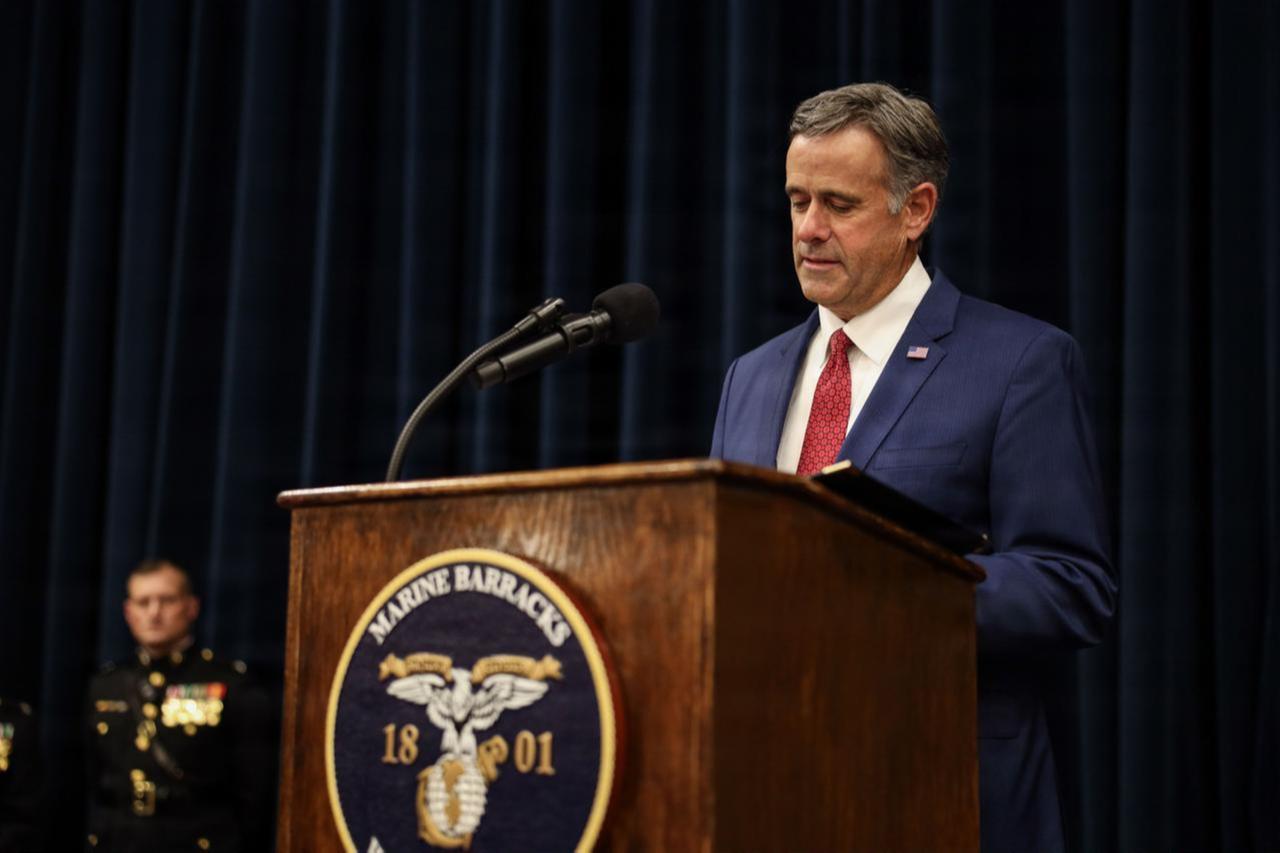


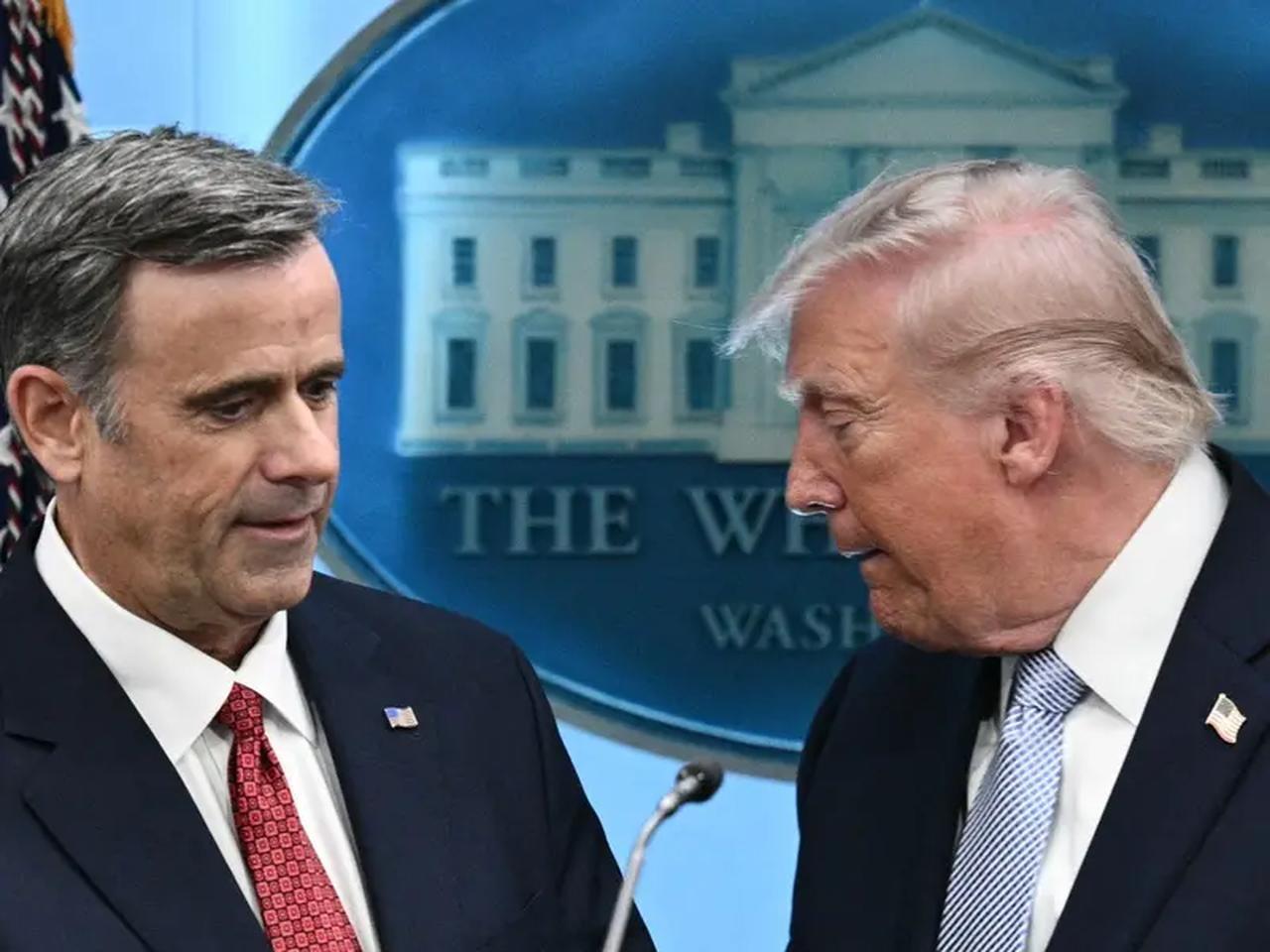
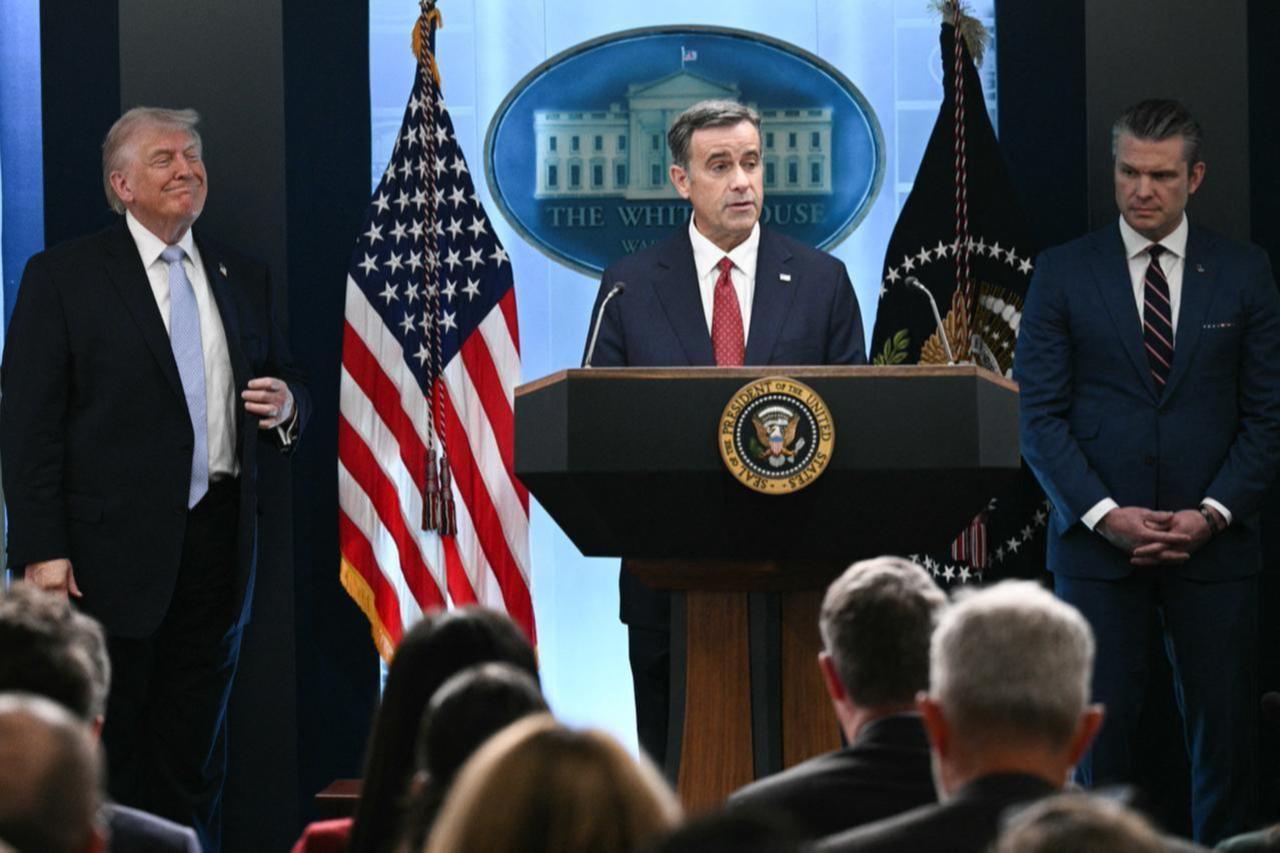
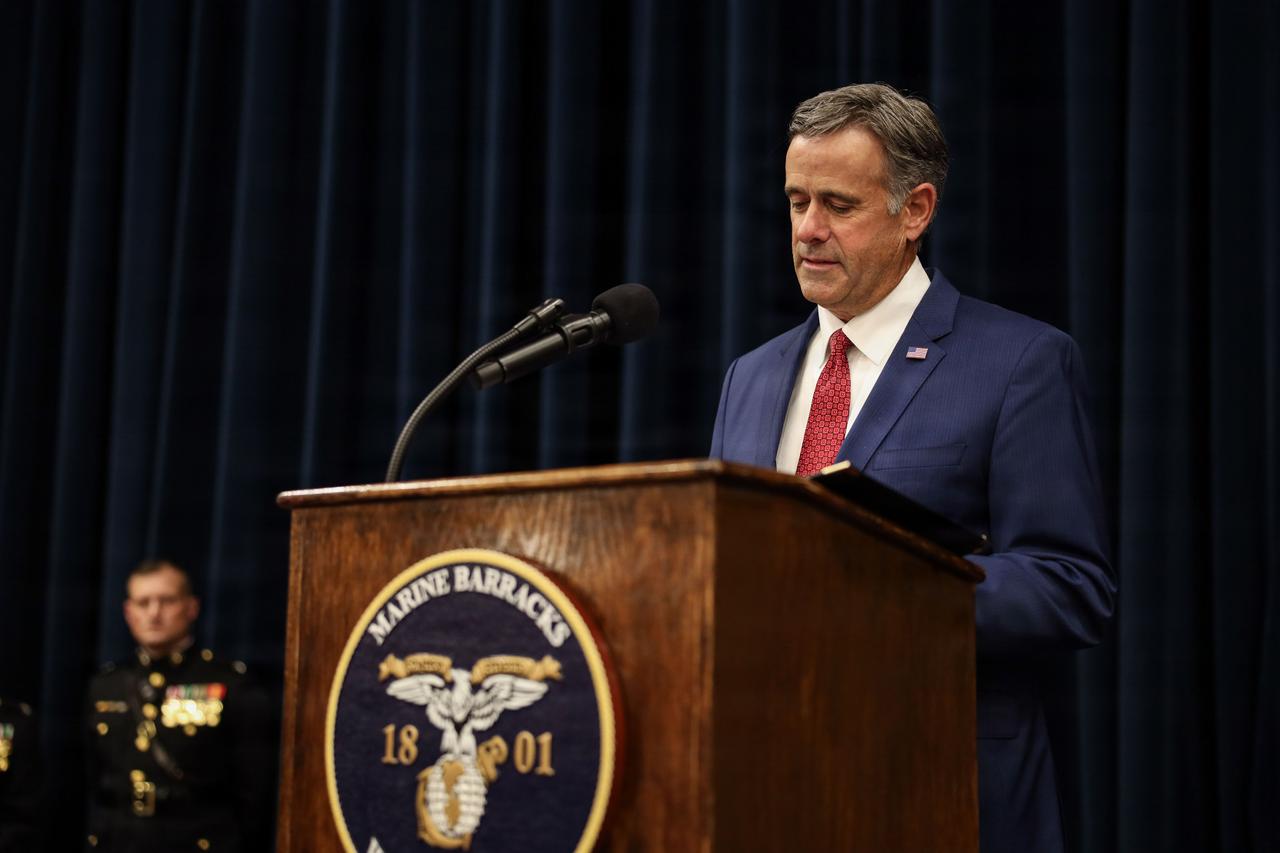
Moscow got a surprise visitor this week. John Ratcliffe, the man who runs America’s most famous spy agency, slipped into Russia on Tuesday and opened the speculation floodgates.
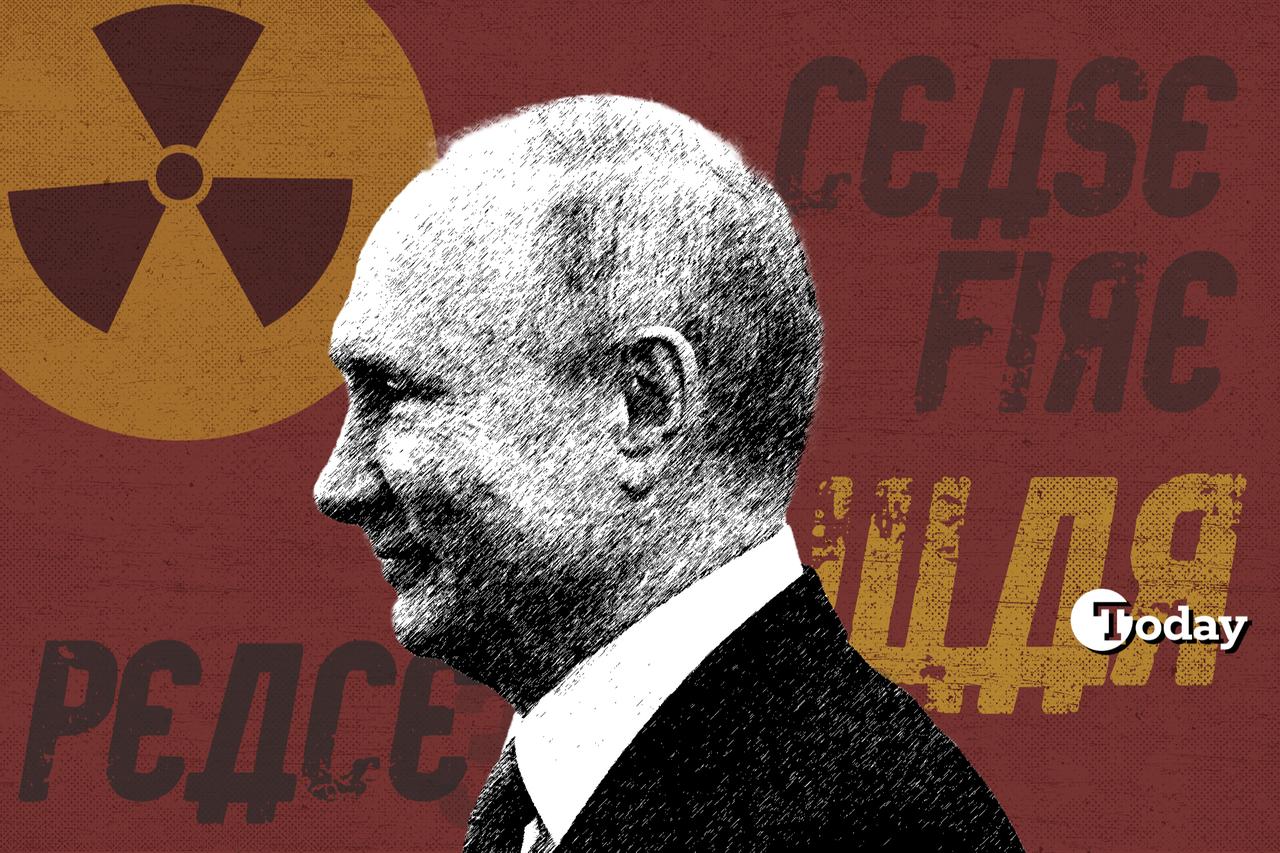
The CIA chief allegedly went to Moscow to warn his Russian counterparts not to attack (or nuke) a European NATO ally.
President Donald Trump said it was a “semi-routine” mission to end the Ukraine war, while Kremlin spokesperson Dmitri Peskov said it was “contact between security services” and that President Vladimir Putin was “kept informed of everything” about Ratcliffe’s visit.
Ratcliffe is considered one of the most pro-Ukraine figures in the Trump administration, which means he went to Russia for the visibility more than anything.
Indeed, one does not send one’s spy chief aboard one of the world’s most recognizable strategic airlifters, the C-17 Globemaster, for anything “routine”—semi or full
Clearly, something is afoot, but what is it, and what’s in it for Türkiye?

In the post-9/11 world, mutual distrust runs deep.
America’s flawed “WMDs in Iraq” claims cost Washington credibility and fueled domestic skepticism toward the intelligence establishment. Russian security services have their own dark record, notably the 1999 apartment bombings that ignited the Second Chechen War and sparked decades of radicalization across the Muslim world.
In a game where truth is optional, the current standoff is less about overt nuclear strikes and more a duel between false flags and red flags.
According to one narrative, Russia is planning not a tactical nuclear attack on Ukraine but a devastating cyberattack against the U.K. in retaliation for its very public support of Kyiv.
Such an attack would cause many headaches in London. A cyberattack on Jaguar Land Rover Group last year shut down production for an entire month and cost nearly £2 billion (about $2.7 billion) to the British economy.
The Bank of England later said the attack had erased gross domestic product (GDP) growth by as much as 0.2%. The culprits were never identified.
A cyber offensive would yield the strategic benefit of imposing severe economic costs without crossing the nuclear threshold.
Another alternative is to warn Russia about its trade with Iran and not get blindsided or come under additional sanctions over Trump’s new “Economic D-Day” plan against Tehran.
A more far-reaching scenario involves Russia attacking one or all three Baltic states to challenge NATO’s resolve and the credibility of the Alliance’s Article 5 guarantees—especially if the West dithers once again.
Although it is questionable whether Moscow would “expand the front” at a time when the Russian military is stuck in a metaphorical (and at times real) quagmire in Ukraine.
But what if all that is misleading and American and Russian spies are trying to prevent something worse?
Rather than attacking NATO, Putin might be using the war scare with the West to create the conditions for a new mobilization drive to find new troops for the fight in Ukraine.
Given how Russian commanders are wasting the lives of their men like they're in a computer game and how much Putin has staked his reputation on Moscow’s war on Ukraine, he needs fresh bodies to continue.
What makes the situation even more dangerous is that Ukraine’s attacks on Russia’s energy infrastructure are causing fuel shortages across one of the world’s leading hydrocarbon exporters.
So, Ratcliffe’s job may have been to warn the Russians about the folly of further escalation in Ukraine and to let Trump restart the peace talks, as the New York Times reported.
In a sense, then, the Americans saw Moscow trying to “escalate to de-escalate”—crank up the war scare, intensify the attacks on Ukraine, then skip straight to the de-escalation bit through U.S.-mediated peace talks.
As a peace offering, the U.S. may have asked the Ukrainians to back off from their attacks—if only temporarily—to explore this new peace avenue and pass that message on to Russia’s Foreign Intelligence Service (SVR).
Will that work—could SVR convince the rest of Russia’s “siloviki”? Recent historical memories offer little comfort.
Ratcliffe’s recent trip recalled his predecessor Bill Burns’s visit to Moscow in November 2021 to warn the Russians not to attack Ukraine, which failed to prevent the second Russian invasion in February 2022, a parallel Polish Foreign Minister Radek Sikorski pointed out with some humor on social media.
 2 min read
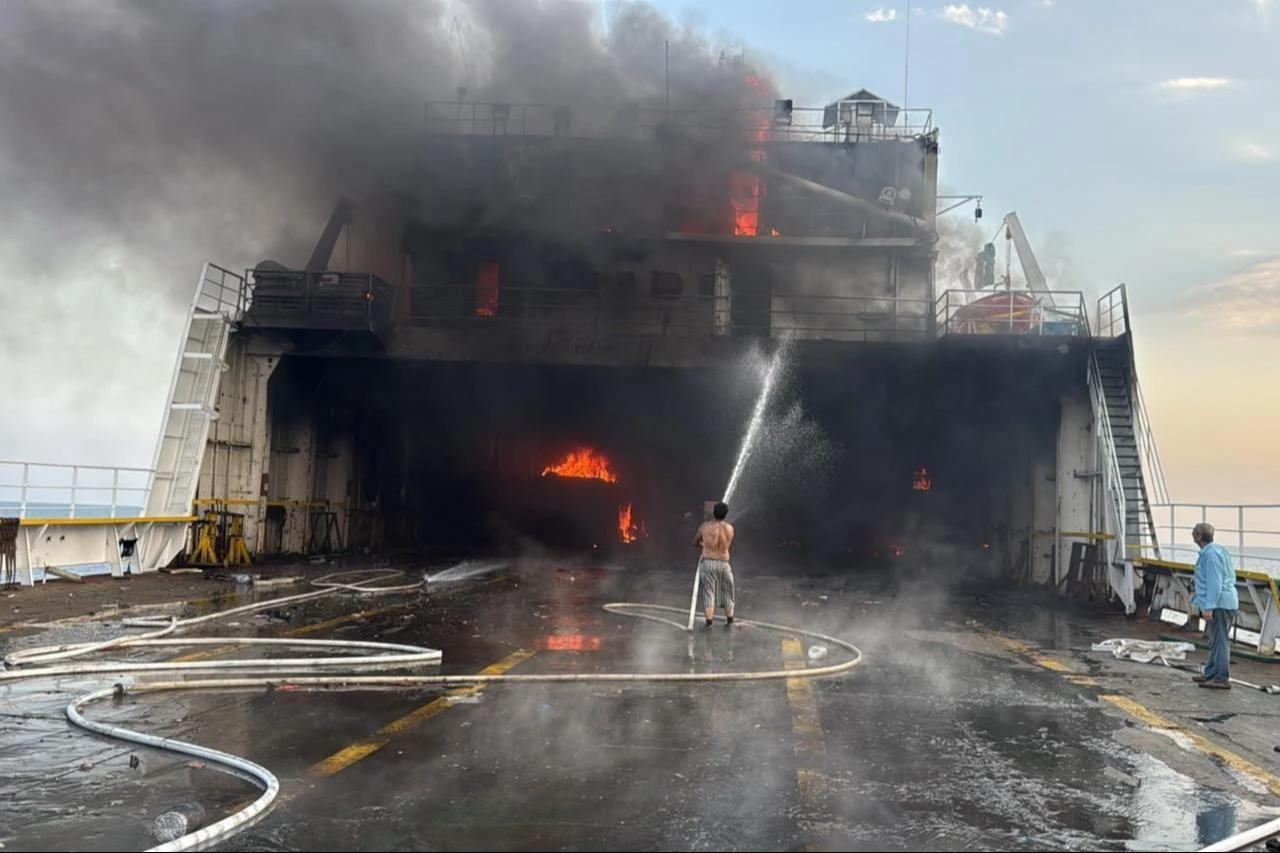
You can bet Turkish officials are watching all this closely. In recent weeks, Turkish-owned, operated or crewed ships, which constitute more than one-third of the ships visiting Odesa and other Black Sea grain ports, have been coming under attack in the Black Sea, sometimes very close to Türkiye’s territorial waters.
While the response from Ankara has been quiet so far, at a time when Ukraine and Russia look like they want to fight to the finish, Türkiye may not be able to continue business as usual.
The Montreux Convention of 1936, which certifies Turkish sovereignty over the Black Sea straits and allowed Türkiye to bar Russian warships from crossing into the Black Sea in 2022, may not be enough to protect maritime shipping.
Can Türkiye restore something akin to the 2022 Black Sea Grain Initiative, or would it have to task its warships as naval escorts to send a clear “don’t even think about it” signal to the two sides?
That might be easier said than done. At a time when Turkish foreign policy is exploring closer ties with its Western partners, Moscow might interpret any show of force in the Black Sea by the Turkish Navy as a hostile act.
Kyiv, for its part, might see Ankara engaging in “two-sidedness” when it is Russia that is trying to destroy Ukrainian sovereignty and territorial integrity.


 Set as preferred source
 Set as preferred source


 1 min read