Newsletters


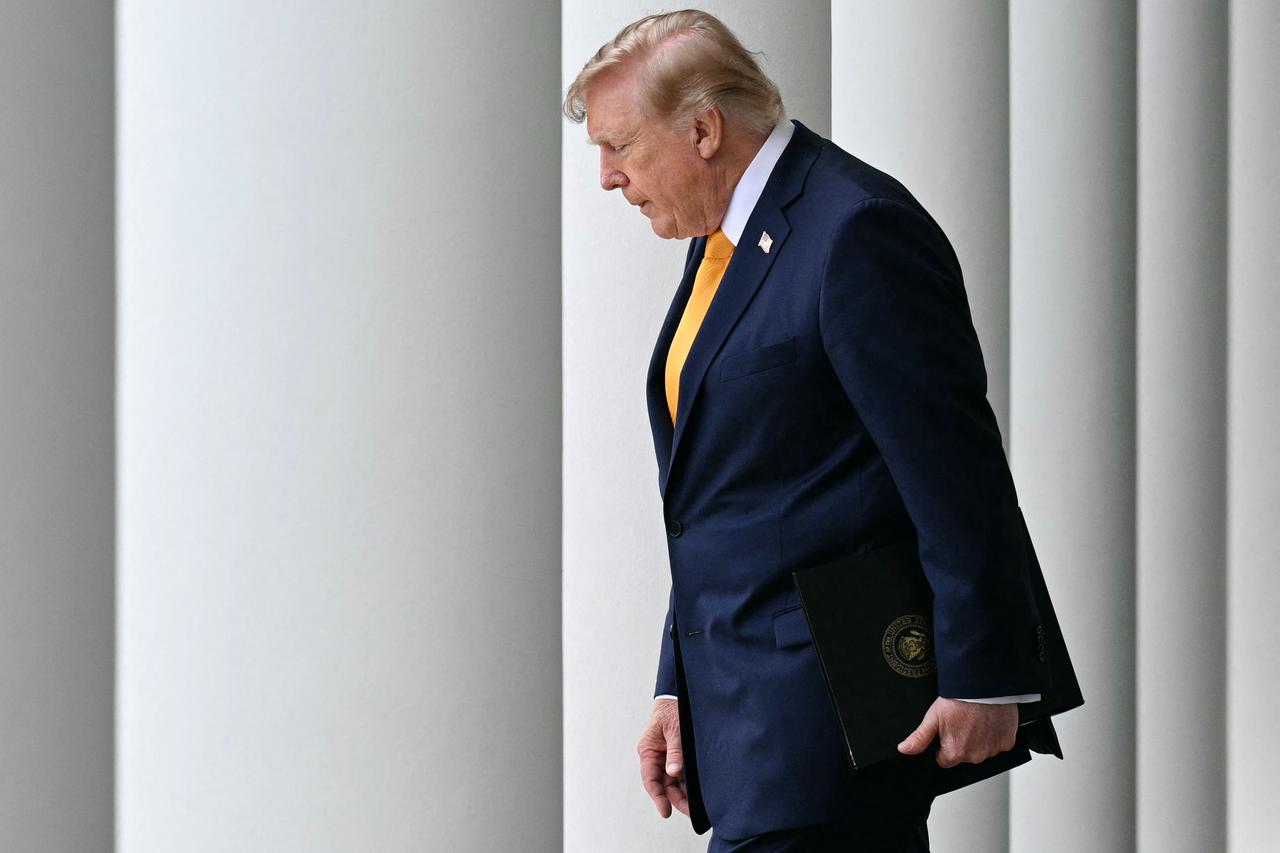
The Central Intelligence Agency (CIA) Director John Ratcliffe's surprise visit to Moscow this week was intended to warn Russia against attacking NATO member states, according to multiple U.S. media reports citing people familiar with the matter, even as U.S. President Donald Trump sought to downplay the trip as "semi-routine."
The Wall Street Journal (WSJ) and CBS News reported that Ratcliffe aimed to dissuade Russia from attacking NATO members amid new U.S. intelligence assessments that Moscow could seek to test the alliance's resolve.
The Journal reported that Russian President Vladimir Putin could attempt to test NATO with a "limited assault" on an allied country within the next few years, citing people briefed on the visit.
U.S. officials are concerned that Putin, squeezed in Ukraine and under domestic pressure, could authorize actions ranging from a cyberattack to a small-scale land incursion, likely targeting a Baltic nation, according to the Journal.
A shortfall in critical Western munitions, driven partly by expenditures during the Iran war, could also factor into Putin's calculations, the Journal reported.
The U.S. has depleted stockpiles of certain weapons due to transfers to Ukraine since Russia's 2022 invasion, as well as the demands of the Iran conflict.
Politico reported that Ratcliffe specifically urged Russia to hold back from striking Estonia, Latvia and Lithuania, citing two people familiar with the matter.
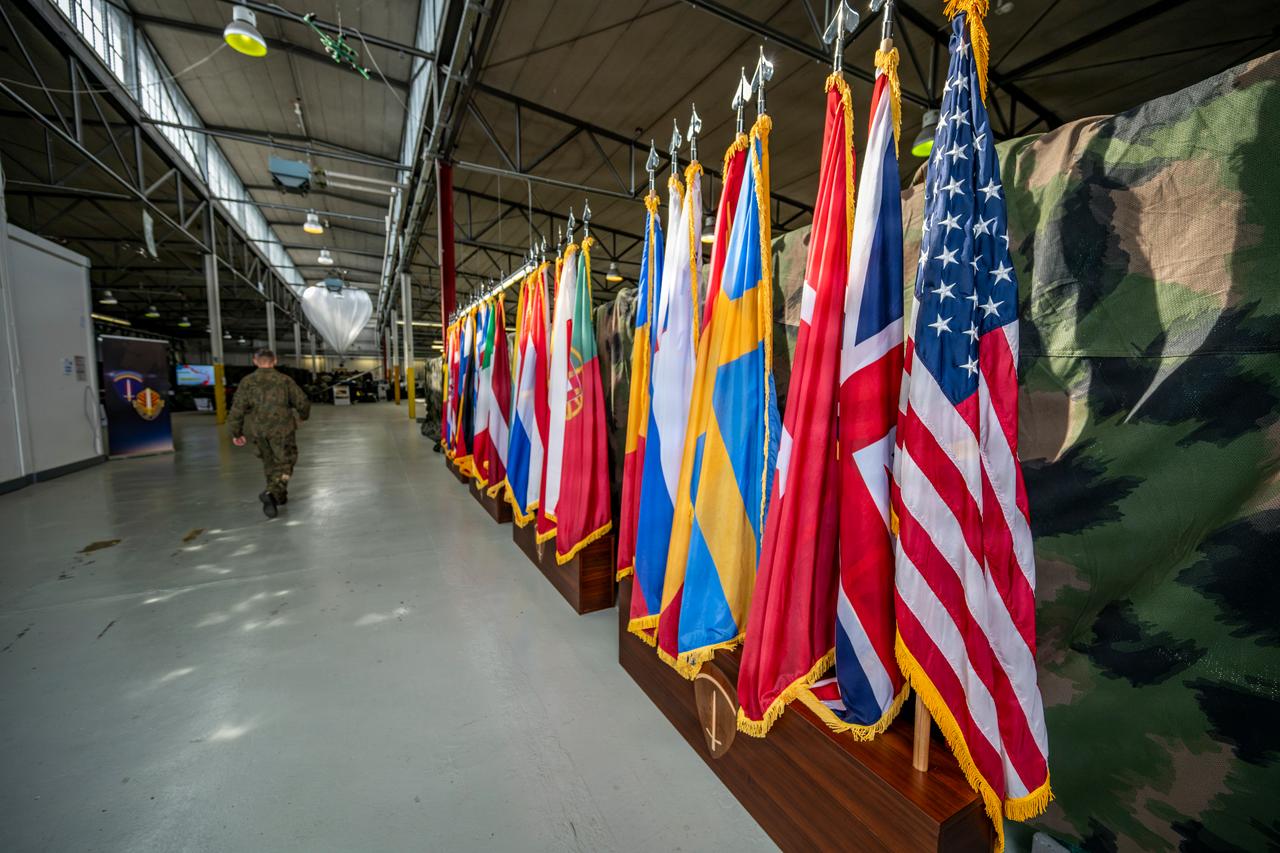
The recent American intelligence assessments have indicated Putin could be willing to authorize provocative actions on NATO territory, including cyberattacks and hybrid operations, not necessarily to trigger war but to test NATO's unity and the Trump administration's willingness to defend allies.
A pattern of recent incidents, including drone incursions into Romania and a Russian missile that crossed into Poland last month, has heightened those concerns.

Ratcliffe also used the trip to press Russia to reduce its military and economic support for Iran, according to Politico, citing one person familiar with the matter and a U.K. official familiar with the trip.
The U.K. official said Ratcliffe conveyed a desire for Moscow to stop sharing weapons and defense technology with Iran and advised against "overreacting" to expanded U.S. sanctions.
CBS News reported that Ratcliffe warned of additional sanctions if the Strait of Hormuz does not reopen to shipping traffic.
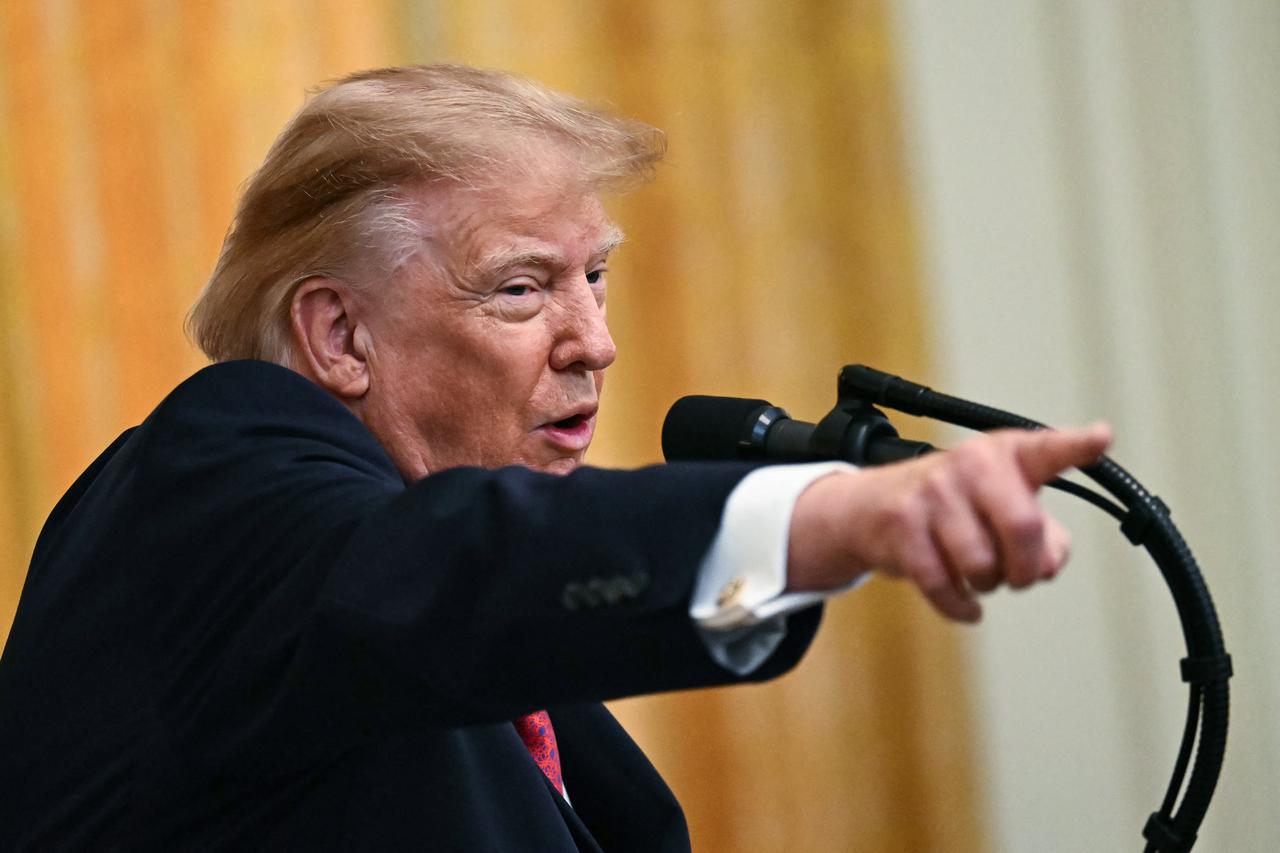
Trump characterized Ratcliffe's mission as "semi-routine" in an interview with radio host Glenn Beck, dismissing reports linking the visit to potential Russian military threats against NATO or the UK.
"None of the above," Trump said when asked about rumors of Russia testing allied resolve or planning a strike on Britain.
He called Ratcliffe a "fantastic guy" and said the visit was not for the reasons reported.
"Now something may come out of it. We're working very hard to get that war ended," Trump said, referring to the Russia-Ukraine conflict.
He said both Moscow and Kyiv appeared ready for a settlement, adding that "frankly, they both want to see it ended at this point."
Kremlin spokesman Dmitry Peskov told reporters in Moscow that Ratcliffe held talks with Russian intelligence officials but did not meet with Putin, who was briefed on the discussions afterward.
"Contacts through the intelligence services are a positive development in and of themselves. It is too early to say how this will affect the process of resolving the crisis in our relations," Peskov said.
Ratcliffe's trip marked the first publicly known visit to Moscow by a CIA director since November 2021, when then-director William Burns warned Putin against invading Ukraine.
Russian forces crossed into Ukraine roughly three months later.
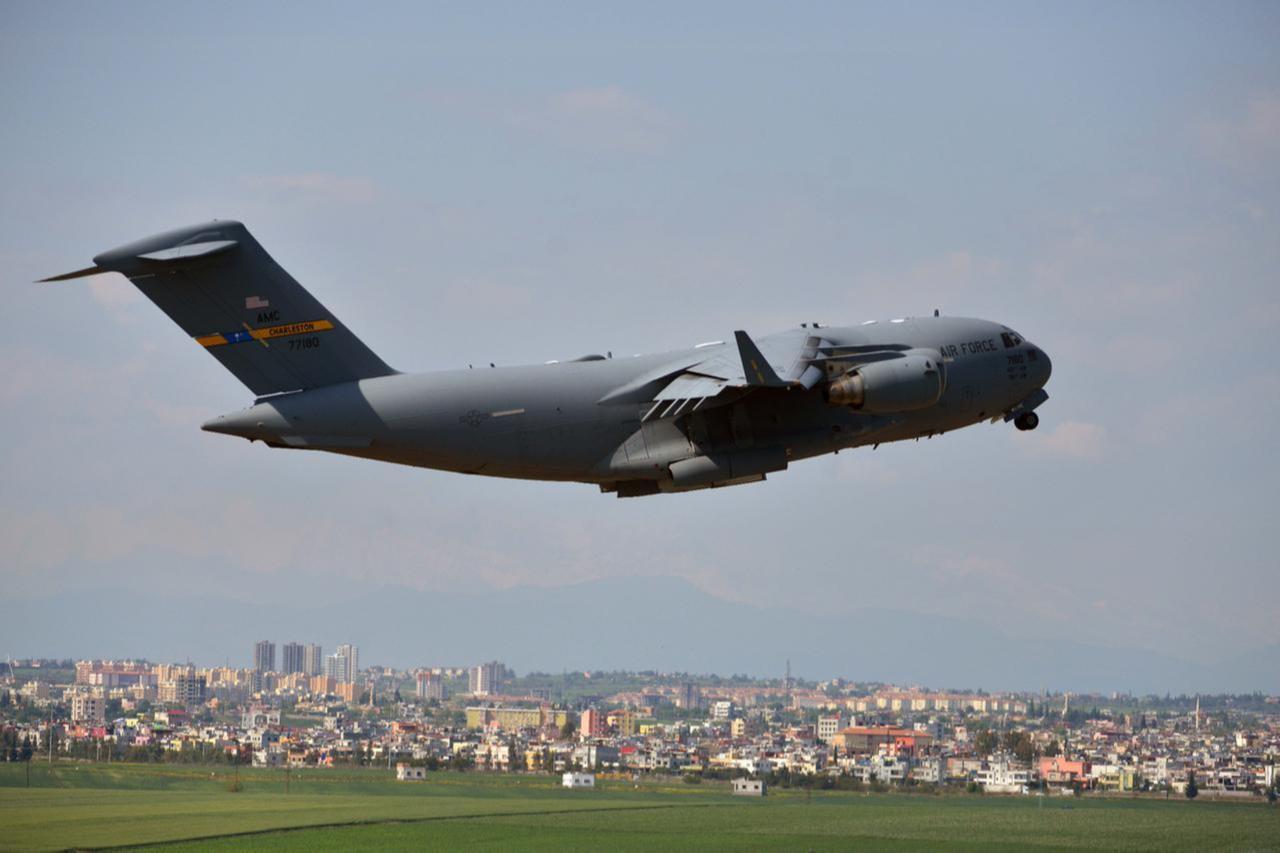
The visit came to light Tuesday after a U.S. Air Force jet was spotted flying into a Moscow airport and a diplomatic motorcade moved through the city.
According to flight-tracking data, the C-17 military plane that carried Ratcliffe into Moscow had taken off from Latvia.
A senior Ukrainian official said Kyiv was informed a U.S. delegation would travel to Moscow and was asked to hold off on strikes for the duration of the visit, according to CBS News.
Ratcliffe was the latest senior U.S. official to travel to Moscow following several prior visits by Steve Witkoff, the U.S. envoy for Ukraine-Russia peace talks.
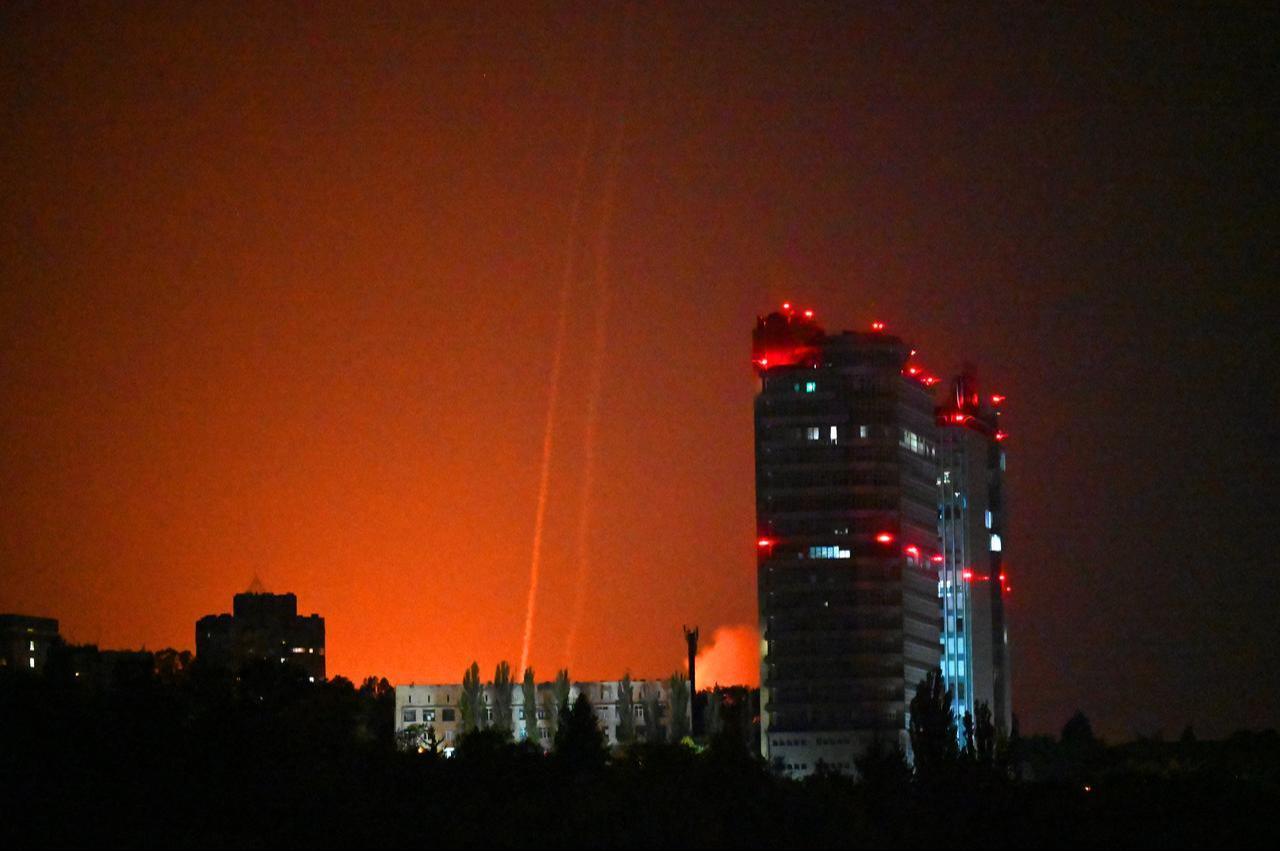
The visit came amid an intensifying air war between Russia and Ukraine, with a Russian barrage of missiles and drones striking a children's hospital, a school, apartments and warehouses around Kyiv last week, killing at least 16 people.
Ukraine has carried out deep strikes on Russian oil infrastructure, including a drone strike that caused a large fire at a refinery near Nizhny Novgorod.


 Set as preferred source
 Set as preferred source


 1 min read
 1 min read