Newsletters


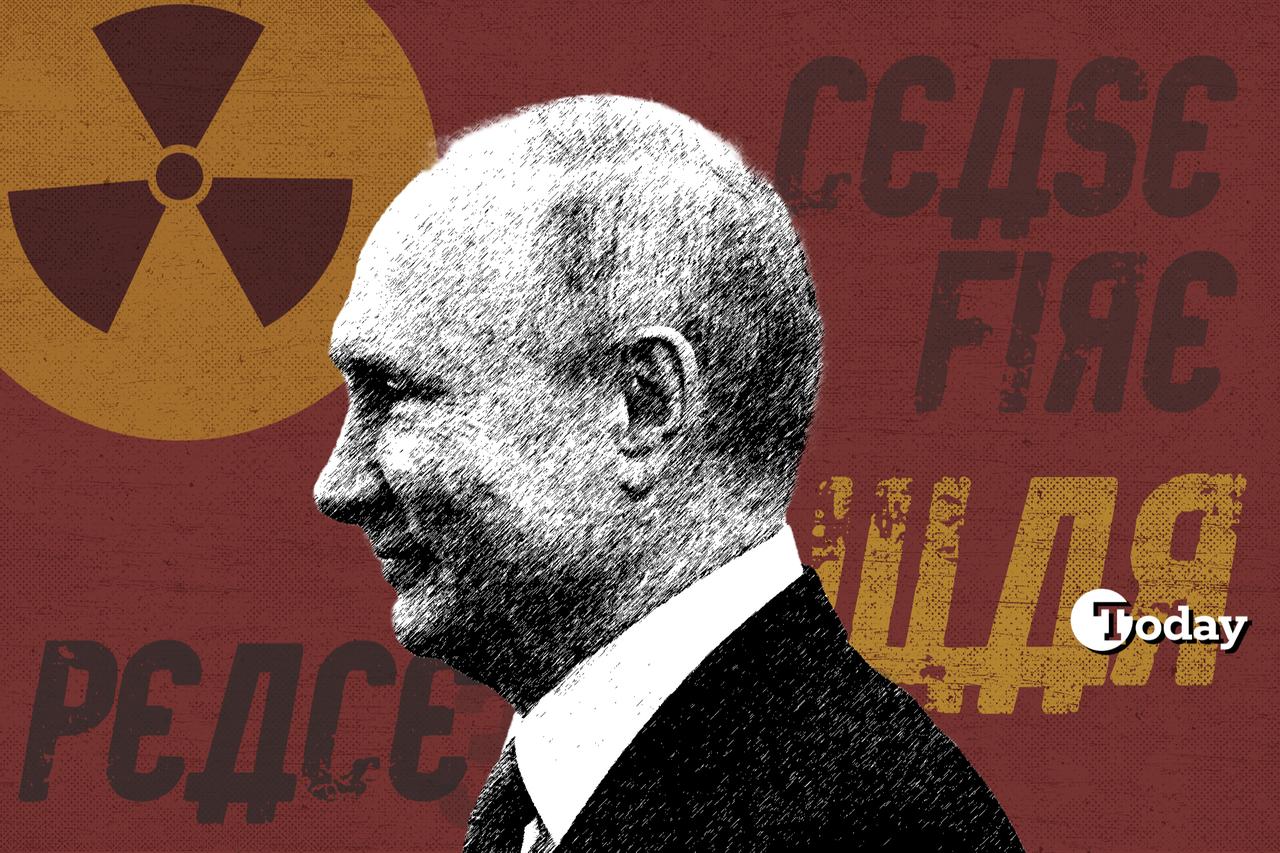


A hulking U.S. Air Force C-17 that had touched down in Riga suddenly turned east and landed in Moscow. Its unexpected presence over the Russian capital sparked a flurry of speculation.
CIA Director John Ratcliffe was on board, making the first known visit to Moscow by a U.S. intelligence chief since William Burns.
The visit on Tuesday, according to reports, was to warn Russia not to attack NATO countries.
It came against the backdrop of U.S. intelligence assessments earlier this month suggesting that Putin’s risk calculus may be shifting and that he could become increasingly willing to authorize limited or deniable operations on NATO territory to test the alliance’s resolve.
More than four years into Russia's full-scale invasion of Ukraine, the war has not spread into Western Europe, but the intelligence front has. The Leipzig/Halle incident is only the latest in a long-running series of suspected hybrid attacks across Europe.
Espionage, sabotage, drone incursions, and proxy operations have become increasingly frequent, raising questions about how far Moscow is prepared to test NATO and how prepared Europe is to respond.
To understand how this campaign looks to someone from the U.S. intelligence community who has specialized in Russian intelligence, Türkiye Today spoke with Sean Wiswesser, a former senior CIA operations officer and Chief of Station with nearly three decades of national security experience.


Do you think Russia sees weaknesses in Europe’s counterintelligence and domestic-security systems, and is it deliberately testing those gaps?
Yes, it is testing the "seams" and looking for weak points, weak members of the alliance, and those they can prey on with "active measures" and information warfare.
The Russian services are increasingly targeting marginalized members of society. For example, disgruntled teenagers—often involved in crime or addiction or connected to organized crime—can be paid to photograph railway lines for $1,000. Once they do that, the Russians ask for more, offering a device and instructing them to leave it in place. For people who do not really understand what they are getting themselves into, it is quite an effective trap.
But I want to make a distinction when it comes to truly important cases—infiltrations into NATO and our governments. They know how to conduct professional intelligence operations.
With teenagers or other disposable proxies, the Russians gain two things: deniability and a cheap intelligence operation with the potential for success. It costs few resources and little money, and it does not expose actual Russian intelligence officers. They use Telegram and similar applications to reach these targets. The tactic of using intermediaries is not new. Russian intelligence services have been doing this for a hundred years.
Unlike in much of Europe, there have been relatively few publicly exposed Russian espionage cases in Türkiye. How do you interpret that?
Türkiye is a strong and important ally to the United States and NATO. Your intelligence services are highly professional and trusted allies as well.
History suggests that imperial Russia has always sought to encroach on Türkiye's interests, going back to the Ottoman Empire. Putin is a committed autocrat with strong leanings toward the tsars and is set on righting what he sees as historic territorial grievances. Why should Türkiye be immune?
The Baltics could come after Ukraine, or Putin could turn south, acting against Armenia if it leans too far toward Europe, just as Russia seized territory from Georgia in 2008. Türkiye should be concerned. We need a credible NATO deterrent to stop further Russian escalation and aggression.
Just because Russian hybrid-war tactics are not as visible in Türkiye does not mean they are not taking place. Türkiye is as much an intelligence target for espionage as any other NATO country, especially given its geographic proximity to Russia and the key role of the Bosphorus for Russia and the Black Sea Fleet.
You can count on the GRU, SVR, and FSB to spy as much as possible on the Turkish government. As one Russian intelligence officer who was spying for us told me, "The United States is the main enemy; you come first for us, but NATO and all your allies come second, third."
U.S. intelligence reporting suggests Putin could test NATO before the war ends. With a third drone now found near Leipzig/Halle Airport, how seriously should NATO take the risk of further Russian escalation?
This is an unprecedented level of reckless escalation from the Russian intelligence services and their military subordinates. In the Russian system, no one is higher in the food chain than the intelligence services.
Russian intelligence, the military, and their proxies are already targeting us through drone incursions, cable cuts in the Baltic Sea, assassination attempts, and parcel bombs. They want to show the alliance is hollow and incapable of acting in unison. So far, they have had some success because we still lack the resolve to counter Russian recklessness and escalation in the gray zone.
This demands attention and a consequential response from NATO. Otherwise, the alliance risks inviting even more dangerous actions from Russian intelligence as it continues to "up the ante" in what it clearly sees as an attempt to intimidate NATO.
Poland says it disrupted a Russian plot to kill a Ukrainian-American in Warsaw. What does choosing an American target say about Moscow's risk calculus inside NATO?
They have and will continue to target Americans, Turks, Germans, Brits — any members of our alliance. Putin's security services are attempting to "impress the boss." They are engaged in reckless escalation of every type in the gray zone in order to show Putin that, even though they are losing on the frontlines of Ukraine, they are still hitting back at Europe.
They are outdoing themselves trying to come up with creative ways to distinguish themselves within a corrupt and despotic regime. We have to punch back if we want it to stop and make Russia pay for its crimes, both against Ukraine and against alliance members when it carries out arson, sabotage, assassinations, and other wet work, or "direct measures," as the Russians call it.
We have a playbook of measures we can employ in response, starting with seizing Russian assets held in European banks and providing long-range strike weapons. Real measures in response to Russian escalation will show Moscow it cannot get away with testing our alliance.
It is not unlike when a Russian fighter jet tested Türkiye's resolve by violating Turkish airspace. Türkiye fired on the jet—and there were no more Russian incursions into Turkish territory.
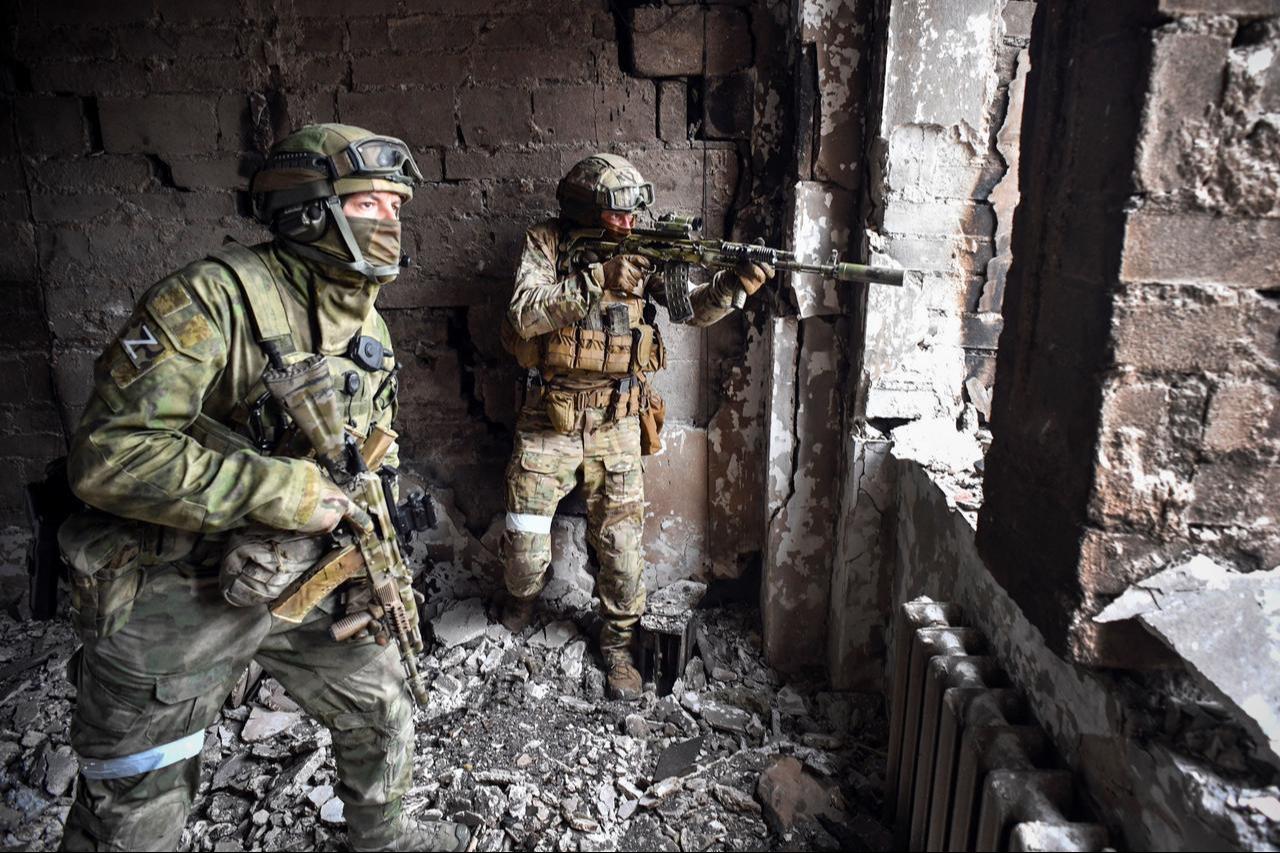
Moscow has deepened its ties with China, Iran, and North Korea. Does that convergence extend to their intelligence services, or does mutual distrust set a limit on how far they can work together?
Russia and China are not formally aligned by treaties or alliances. Among their intelligence agencies—the FSB, SVR, and GRU on one side and China's Ministry of State Security and the PLA's Joint Staff Department Intelligence Bureau on the other—there is very little trust. Despite their claims of an "alliance without limits," they have distrusted each other for decades, nearly as much as they distrust their "main enemy," as the Russian services still refer to the United States.
But where they do collaborate strongly is in sharing intelligence against the United States and our NATO and Pacific allies. There has already been reporting on alleged Russian intelligence targeting, or assistance with targeting, of U.S. troops by Iran. The Russians are helping to kill Americans. This should come as no surprise.
We should assume there are much larger efforts underway behind the scenes by Russian intelligence services to provide battlefield intelligence and other support designed to help Iran target U.S. servicemen and women.
As for North Korea, it has sent troops and huge amounts of weapons and ammunition to Russia. That alone is a major escalation. NATO and Europe reacted little when North Korea sent 10,000 troops to fight, and there is now reporting that it may send tens of thousands more. North Korea is likely seeking technological assistance from Russia in return.
How do you see Russia's approach to its own allies and partners in intelligence terms?
Russia has no allies. Look at Hungary under the Orban government, arguably the closest thing Russia has had to an ally inside NATO in decades.
According to reports, Hungary's foreign minister acted as what Russian intelligence calls a "useful idiot," providing Sergey Lavrov and the Russians with details of internal EU discussions and meetings.
And what was Russia's response? The Hungarians themselves had known for years that there were more Russian intelligence officers operating from the embassy in Budapest than ever before. So the Russians were spying heavily on Hungary even while a government far more favorable to Moscow than most NATO governments was in power.
Wiswesser, the author of Tradecraft, Tactics and Dirty Tricks (Naval Institute Press, 2026), stressed that the views expressed here are his own and do not represent the CIA or the U.S. government.


 Set as preferred source
 Set as preferred source


 3 min read