Newsletters




I was in Damascus a year ago, and I still remember the excitement of that day. Now, a year has passed, and I’m back again to witness the first anniversary of the Assad regime’s fall. It is fascinating to see and experience the joy and happiness of the Syrian people. Looking back, Syria went through quite a lot in the last year.
When I was travelling through the streets of Damascus a year ago, my mind was filled with questions about Syria’s imminent future. Yes, the country achieved a historic gain, but many question marks were on the horizon. Would Syria resort to violence, and would massacres soon tarnish Syria’s joyful atmosphere? Would a Syrian government under Ahmad al-Sharaa receive international recognition? What would happen to the Syrian economy under sanctions? How would the new leadership in Damascus operate? Would it be inclusive and incorporate other revolutionary cadres into its fold and represent the colors of the Syrian revolution, or would it be a one-color Hayat Tahrir al-Sham (HTS) government? How would a new Damascus deal with the SDF file and northeastern Syria?
The number of questions in my mind didn’t seem to stop. The more I thought about Syria, the more questions arose. With time passing and with subsequent visits to Syria, the picture of where Syria was heading became increasingly clearer.
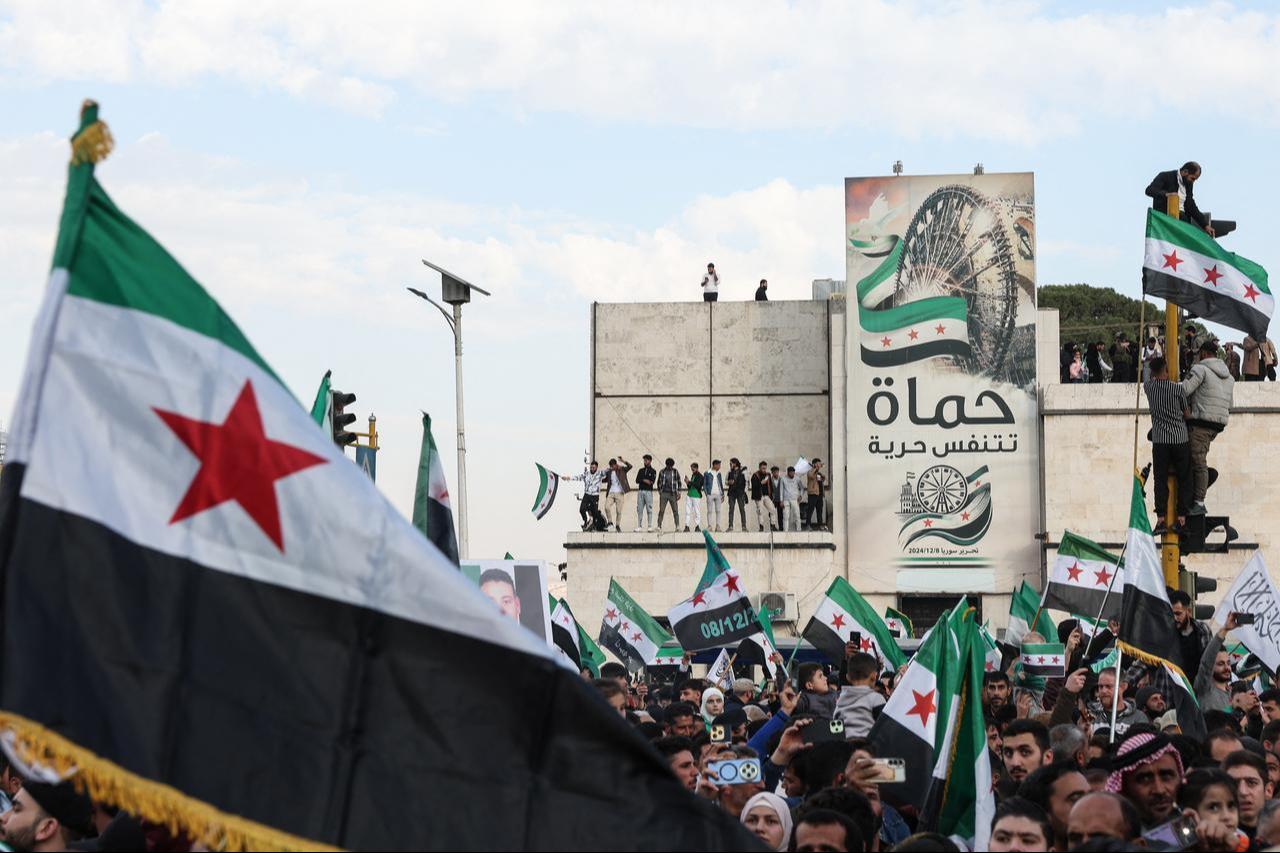
Looking back now from Damascus after I again visited the Umayyad Square and experienced once more the streets of this astonishing city, it is almost unbelievable how much Syria accomplished in just a year and how many turning points and milestones were reached. A year ago, the Umayyad Square was joyful but chaotic. People were celebrating, but Syrian police were almost nowhere to be seen. Syrian army personnel were visibly too few. Today, it is still joyful but organized. Syrian police forces, with their brand new cars, took several security measures. When I had to go through a security check at the police barricade to enter the Umayyad Square, the difference from a year ago was telling.
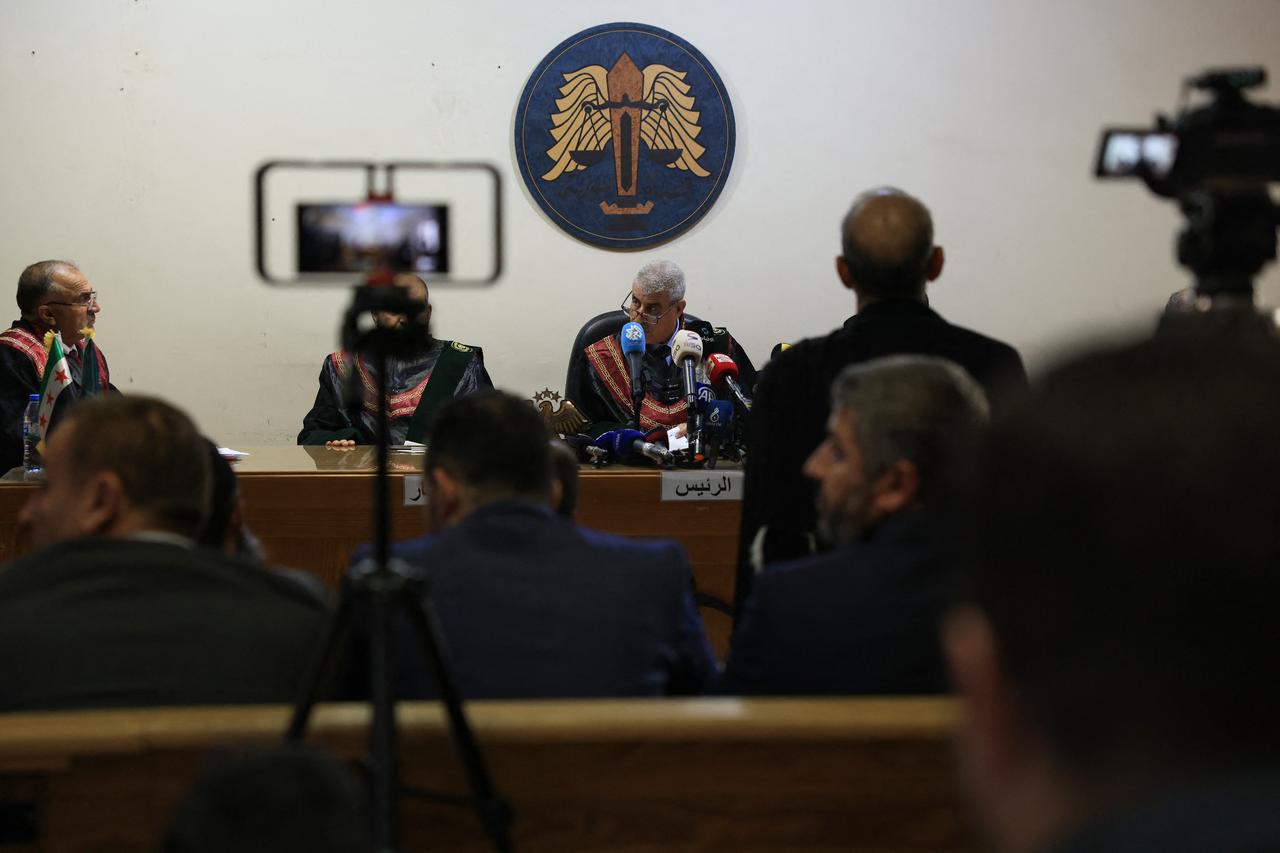
Today, most of the questions of the past are no longer valid. They are resolved. In contrast to most post-war nations, Syria didn’t turn back to full-scale violence and a second round of civil war. The violence in March in coastal areas and in June in Sweida were, despite foreign interference from Iran and Israel, problematic and tarnished the image of Damascus. But comparing it with the aftermath of other conflict zones in the world, it was relatively low-key, and the authorities in Damascus managed to push for accountability by arresting Syrian soldiers and kickstarting a trial for the events.
The Syrian government was internationally recognized, and Sharaa was delisted by the U.N. Security Council from the terrorism list. The Syrian economy is improving as sanctions have either been lifted or waived. The remaining obstacle is the lifting of Caesar sanctions, but Trump issued a waiver until such a decision eventually may pass the U.S. Senate. It became clear that the new Syrian authorities understood that they could not be the sole HTS government. They successfully incorporated non-HTS elements that participated and contributed to the Syrian revolution. However, the new government still lacks in the inclusion of non-revolutionary figures, but that is quite understandable given the history of 14 years of brutal war.

 1 min read
Looking back a year, it is easier to identify the turning points for Syria following the fall of the Assad regime. I would argue that the first and maybe the most critical turning point was the visit of Turkish Foreign Minister Hakan Fidan to Syria and his diplomacy to convince Saudi Arabia to engage with Syria. At that time, the world didn’t know what to do about Syria. The world waited for the Arab nations to lead, and the Arab nations waited for Saudi Arabia to decide. The Saudis were in a state of shock. They initially invested in the normalization of the Assad regime and found themselves in a situation they hadn’t prepared for. At that critical juncture, the Turkish foreign minister paid a visit to Riyadh and Damascus. With his visit to Damascus, he opened the door for many more diplomatic engagements by other nations. His visit to Riyadh was essential to get Saudi Arabia to decide to put its full weight behind the new Syrian leadership. With Saudi Arabia making its decision, the Arab nations and, consequently, the world followed.
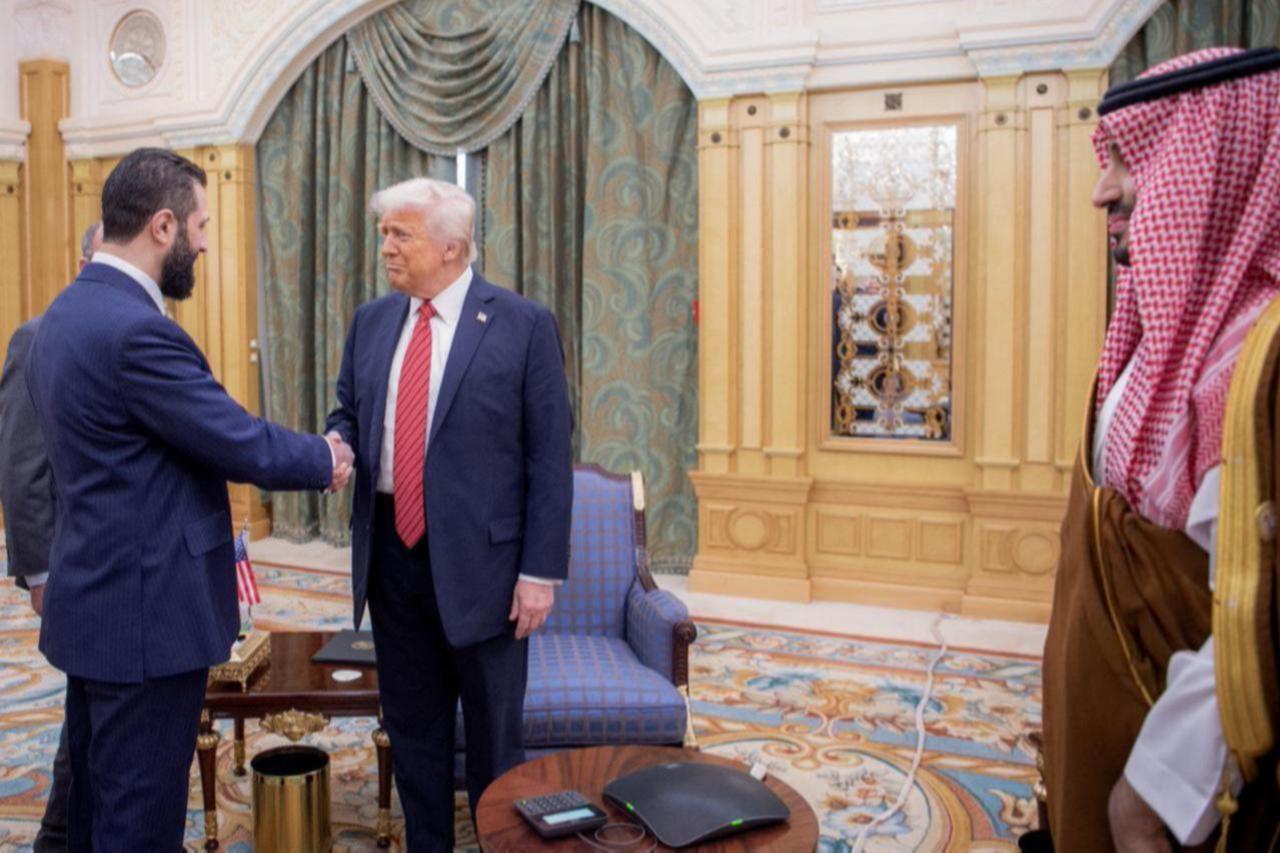
The second turning point was definitely the U.S. president's announcement to lift sanctions on Syria and his first meeting with Sharaa in Riyadh. This decision by Trump was a result of a joint Turkish-Saudi diplomacy against intense Israeli lobbying to the contrary. Thus, success at the first turning point enabled the second to happen.
The third turning point was the events in Sweida in June. The mistake by Damascus to trust Israeli mediators in Azerbaijan and to send in Syrian army forces into Sweida resulted not only in civilian casualties but also gave Israel a window of opportunity to reshape power dynamics in Syria. After Israel bombed the Presidential Palace garden, and destroyed the Ministry of Defense building, Damascus was forced to withdraw its forces from Sweida. Since then, Sweida is de facto independent of Damascus, and talks on integrating the SDF in northeastern Syria have stalled. Israel further exploited the events in Sweida as a tool to tarnish Syria’s image.
The last turning point was Sharaa's speech at the United Nations General Assembly. What mattered most wasn’t the content of his speech, but the fact that he delivered it. It was the ultimate signal of the comeback of Syria into the fold of the international community. The delisting of Shara followed soon after. It marked the peak point of the legitimation process of the new Syrian government.
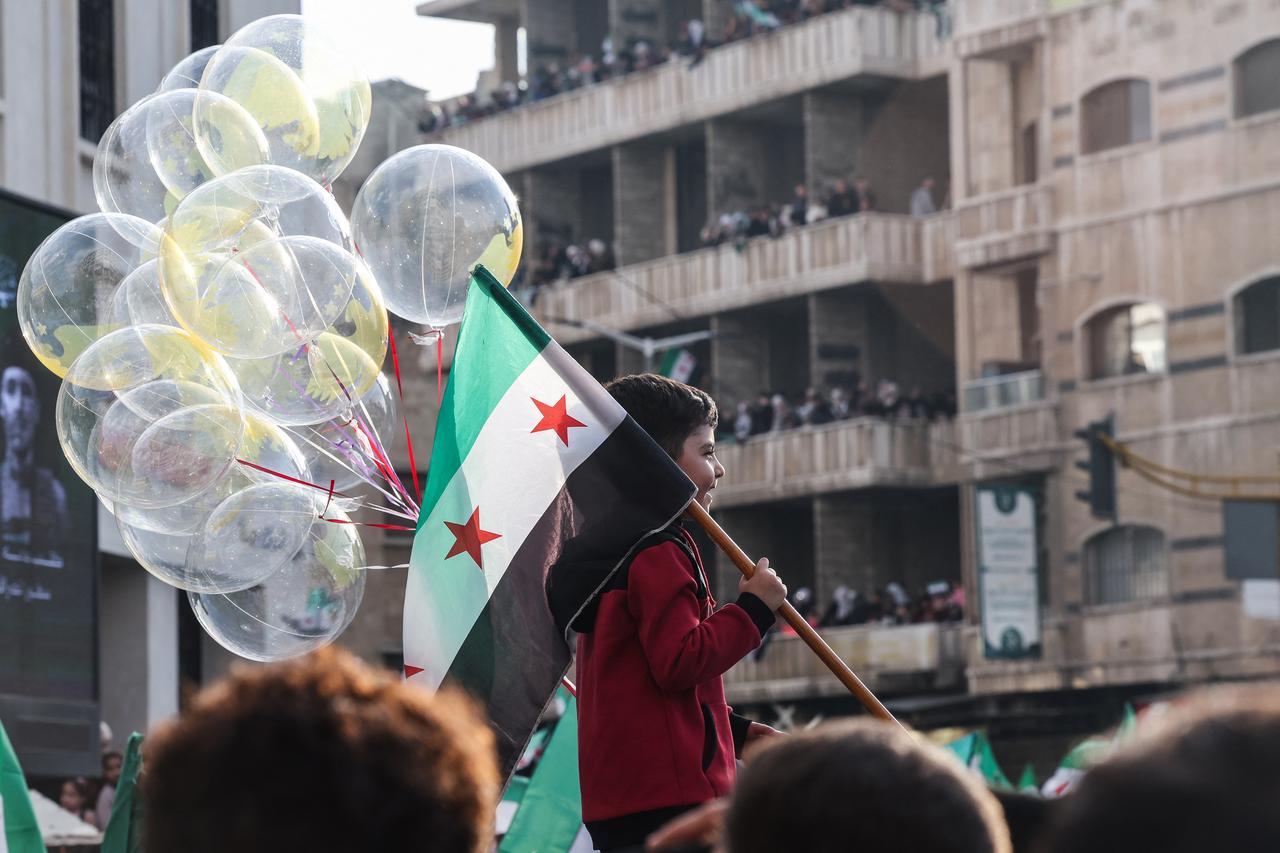
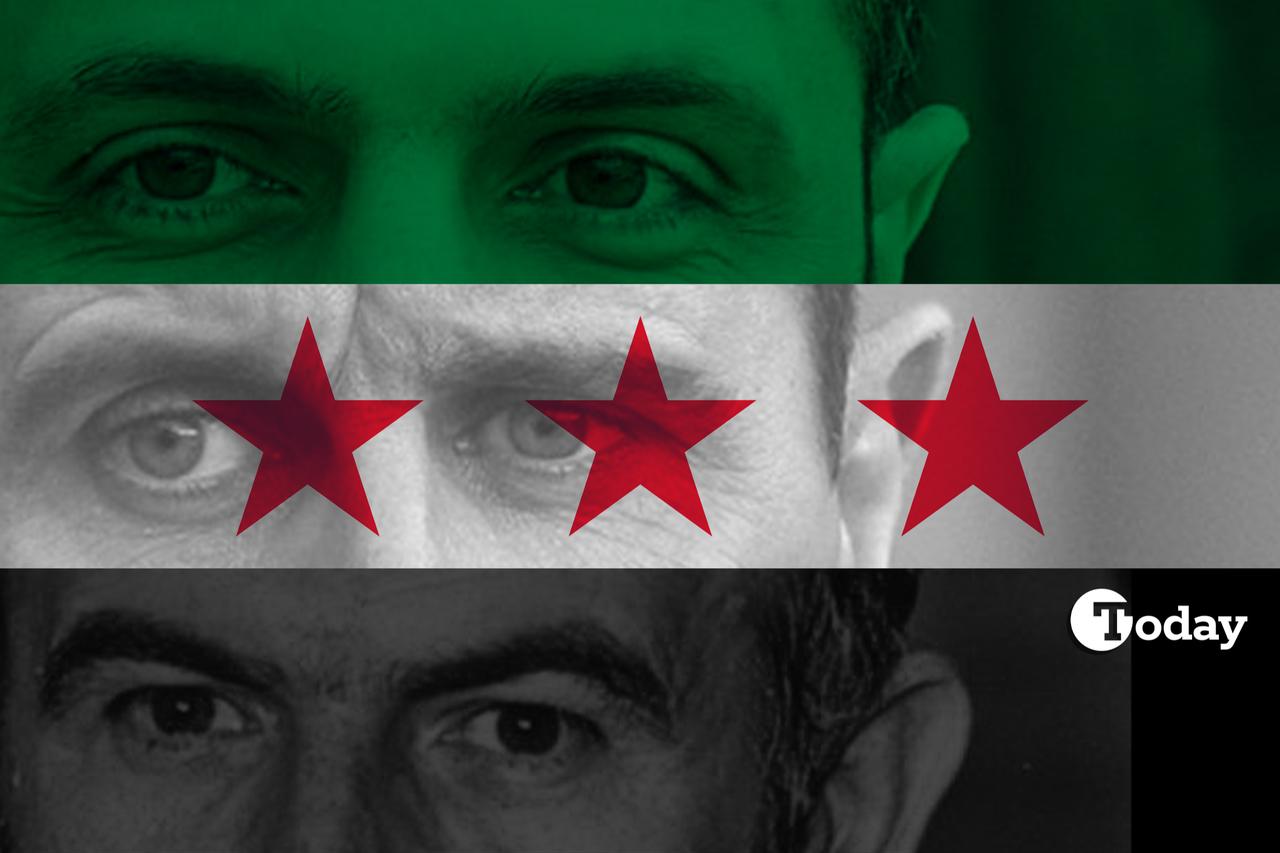
Looking back at last year and comparing it to today reveals something unmistakable: not all Syrians are “free.” The readopted Syrian flag has three stars. One symbolizes Aleppo for northern Syria, the other Damascus for southern Syria. And the third symbol is Deir el-Zour for eastern Syria. But eastern Syria is still controlled by the SDF, and people in these areas are banned by the SDF from celebrating the fall of the Assad regime.
On March 10, Sharaa and Mazloum Abdi signed a deal for the integration of northeastern Syria and the SDF into the Syrian state. However, the agreement was never implemented by the SDF. And it remains unknown what will happen. The deadline for the deal is the end of this year. Today, people are more focused on celebrating the anniversary, but after it, the big question for Damascus remains: What to do with the SDF?


 Set as preferred source
 Set as preferred source


 1 min read