Newsletters




Türkiye’s foreign policy has been making headlines due to crises in security, defense, and strategy. But recent events in the Netherlands have brought to mind a much less discussed—yet equally divisive—aspect of foreign policy: business diplomacy.
The meetings held by Trade Minister Omer Bolat this week in The Hague and Amsterdam have once again brought the Foreign Economic Relations Board (DEIK) into the spotlight in this role.
At the social session of the Türkiye-Netherlands Joint Economic and Trade Committee (JETCO), it was confirmed that the trade volume between the two countries rose from $6.3 billion in 2015 to $13.3 billion in 2025—effectively doubling annually.
With an investment stock of $39.2 billion, the Netherlands remains Türkiye’s largest foreign investor; of Türkiye’s total $60.1 billion in overseas investments, $24.3 billion—or approximately 40%—is held in the Netherlands.
This is not a one-way relationship but rather a picture of a mutually intertwined economic relationship—and the goal of increasing short-term trade volume to $15 billion is on the table.
These examples did not emerge by chance. Behind them lies an intermediary layer—DEIK—that brings together the private sector’s commercial instincts with official diplomacy, alongside institutional organizations such as JETCO.
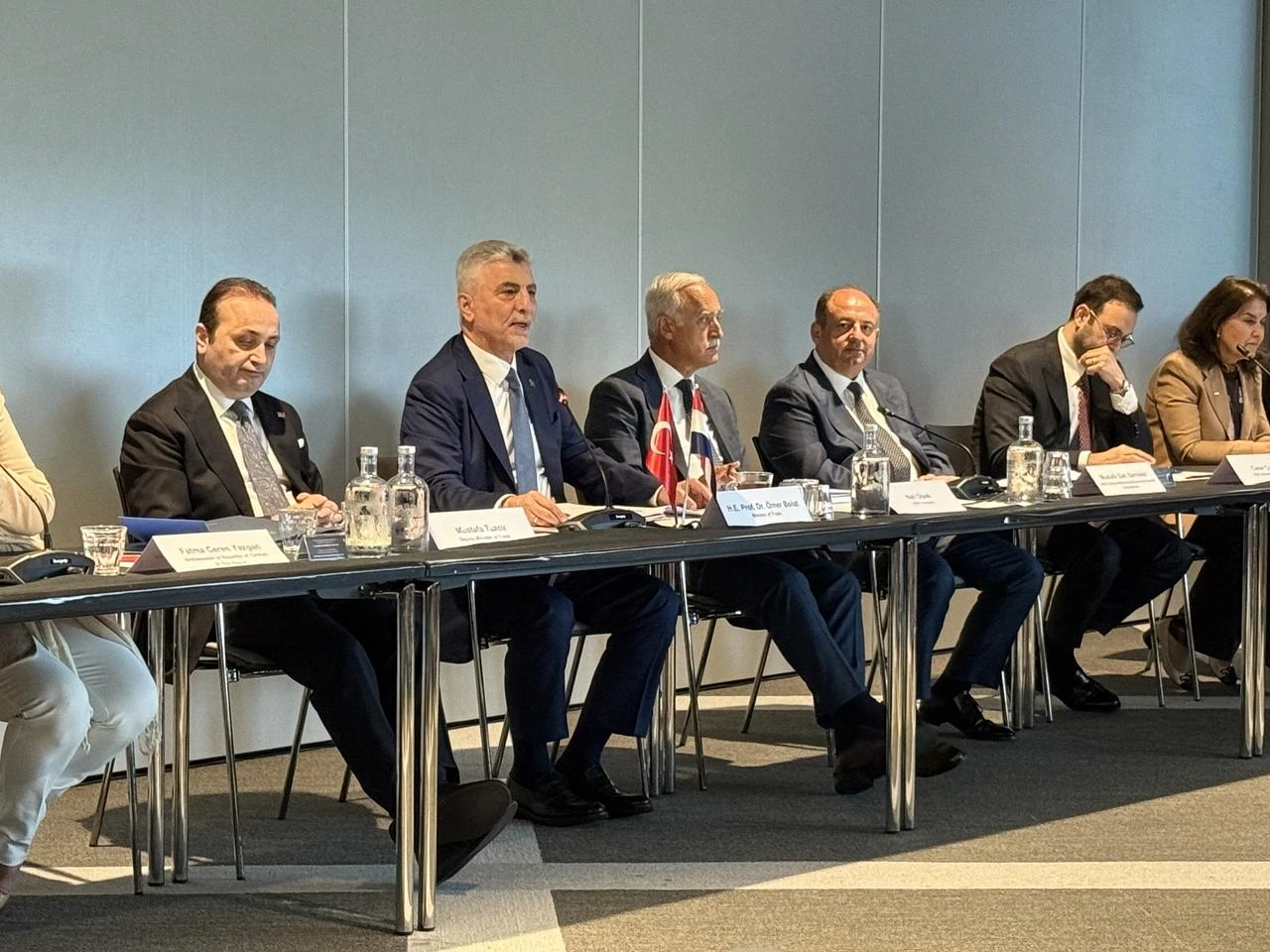

Traditional diplomacy takes place between embassies and ministries; trade diplomacy, on the other hand, brings businesspeople directly to the table.
The Türkiye-Netherlands Business Roundtable in The Hague, organized in collaboration between DEIK and the Dutch Confederation of Industry
and Employers (VNO-NCW), was a concrete example of this model.
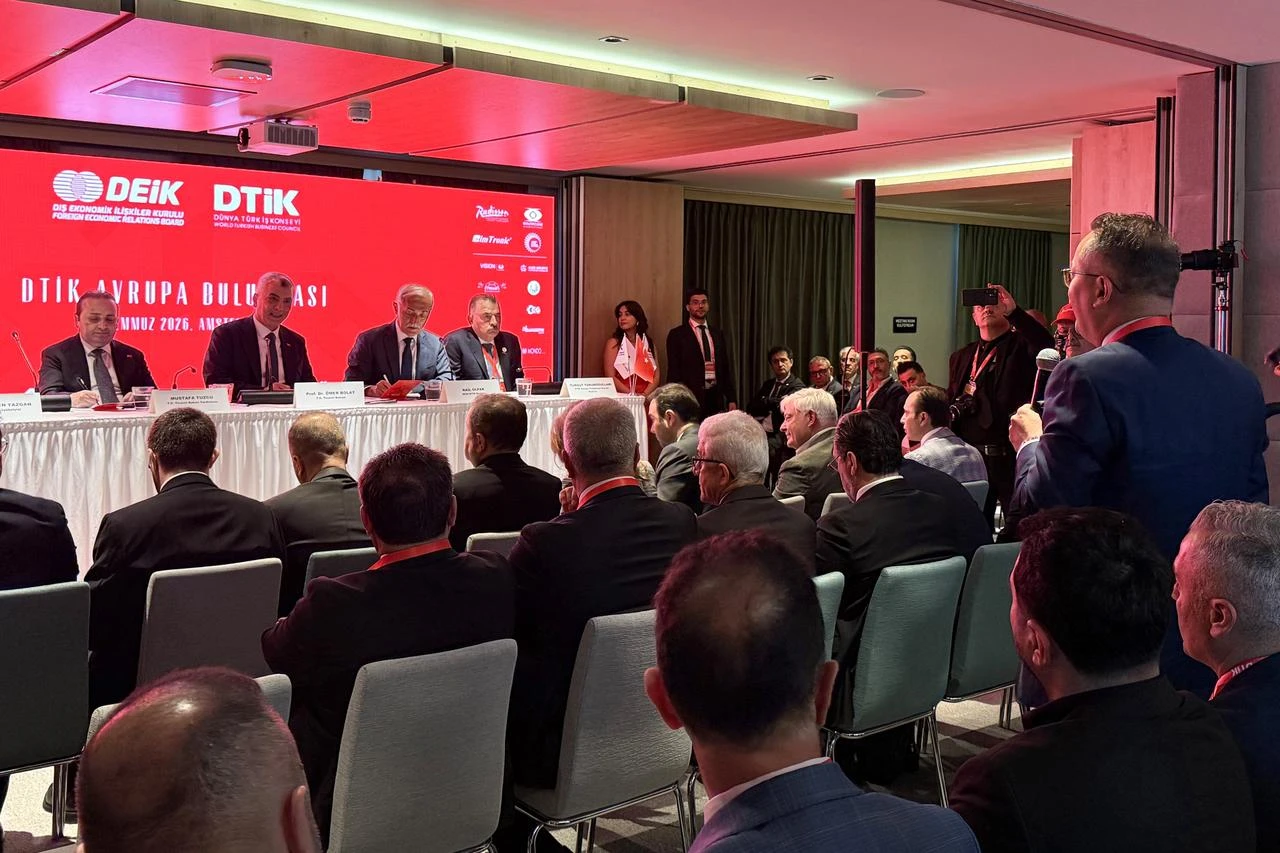
The Türkiye-Netherlands Business Forum and the World Turkish Business Council (DTIK) Europe Forum held in Amsterdam on the same day are also based on a similar logic: the ministerial-level protocol is backed by direct engagement from those who will conduct trade and make investments.
There is a practical reason for this. Intergovernmental agreements set the framework—customs rules, visa facilitation, investment incentives. But concrete cooperation to fill that framework can only take place when individuals from both countries get to know one another and build trust.
What’s striking about this visit is that it wasn’t limited to just optimistic figures. Long-standing issues that have remained unresolved for years—such as facilitating the expansion of visa talks and updating the Customs Union—were on the agenda throughout the day.
These are the issues the business community complains about most, yet they are the ones that make the slowest political progress. As trade volumes grow, failing to resolve these bottlenecks means some of the potential remains untapped.
The fact that topics such as the green transition, the circular economy, and digitalization also made it onto the agenda indicates that the discussion is not limited to traditional trade items, but that the EU’s need to adapt to regulatory autonomy—particularly mechanisms like the Carbon Border Adjustment Mechanism—is also on the table.
Türkiye’s request to update its Customs Union with the EU also demonstrates, in this context, that close ties established with an influential economy within the EU—such as the Netherlands—have the potential to be scaled up to a broader EU level.
 1 min read
This intense activity between Türkiye and the Netherlands highlights an often-overlooked yet most enduring aspect of foreign policy: the strength of international relations is built not just on summit photos, but on concrete indicators such as trade volume, investment stock, and business contacts.
The bridging role undertaken by DEIK is invaluable in enabling the private sector to fill the diplomatic door opened by the government with economic substance.
The trade volume, which has doubled over the past decade, along with deepening investment ties and new steps on issues such as visas and the Customs Union, is a strong indication that the two countries' economic potential can be realized much more rapidly.
These steps taken in The Hague and Amsterdam paint a promising picture of a Türkiye-Netherlands partnership set to gain even more momentum in the coming period.


 Set as preferred source
 Set as preferred source


 1 min read