Newsletters




Dam al-Akhawain, literally meaning "Blood of the Two Brothers," is one of the most powerful legends intertwining botany and theology, with roots stretching back to the ancient world and the origin myths of the Abrahamic religions.
This tradition actually begins with the essence of a plant, but over time, it has transformed into a sacred narrative of red-tinged landscapes like "Hormuz."
The story of Cain and Abel, one of the most well-known tales of Abrahamic traditions, is not only a story of fratricide but also the first withdrawal of innocence from the earth. When Cain, overcome by greed, murdered his brother, the first blood spilled defiled the earth and plunged it into deep turmoil.
Ancient interpretations and local narratives recount that the earth trembled for seven days in response to this murder, the sky turned red, and the soil could not digest this blood.
According to these legends, the unusual redness seen on earth is not simply a geographical formation, but the indelible seal of the first sin that seeped into the soil that day.
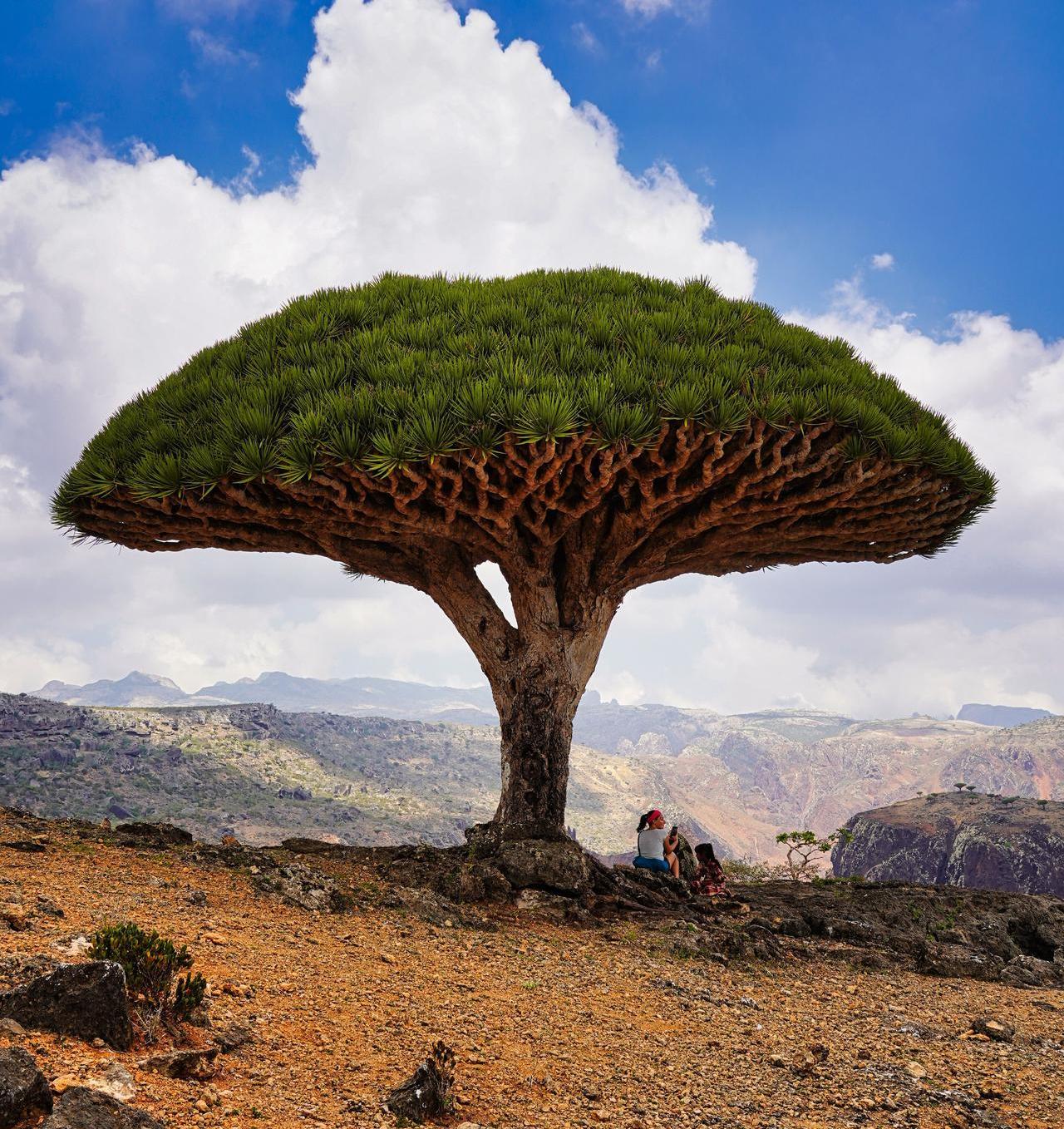
The most concrete manifestation of this legend is the island of Socotra, off the coast of Yemen, known as the "Galapagos of the Indian Ocean." The Dragon's Blood Tree (Dracaena cinnabari) that grows on the island secretes a bright red resin, resembling human blood, when its trunk is wounded.
The local people directly connect this natural phenomenon to the legend of Cain and Abel, believing that Abel's blood seeped into the roots of these trees, and have named this redness "Dam al-Akhawain" (Blood of the Two Brothers).
The story of Abel's blood was not limited to Socotra; local memory took the story of the tree a step further, concluding that "If that ancient blood was enough to color a tree, then these enormous red mountains of Hormuz are the place where that blood truly accumulated and permeated the heart of the earth."
In historical narratives, the Strait of Hormuz, so intertwined with blood, murder, and innocence, is once again in the spotlight due to a social crisis.
The war with Iran, which began on Feb. 28 with a joint U.S.-Israel operation, did not end quickly like the one the U.S. waged in Venezuela, but rather escalated into a larger social crisis affecting the world. By closing the Strait of Hormuz, Iran sent a significant message to both the U.S. and the world.

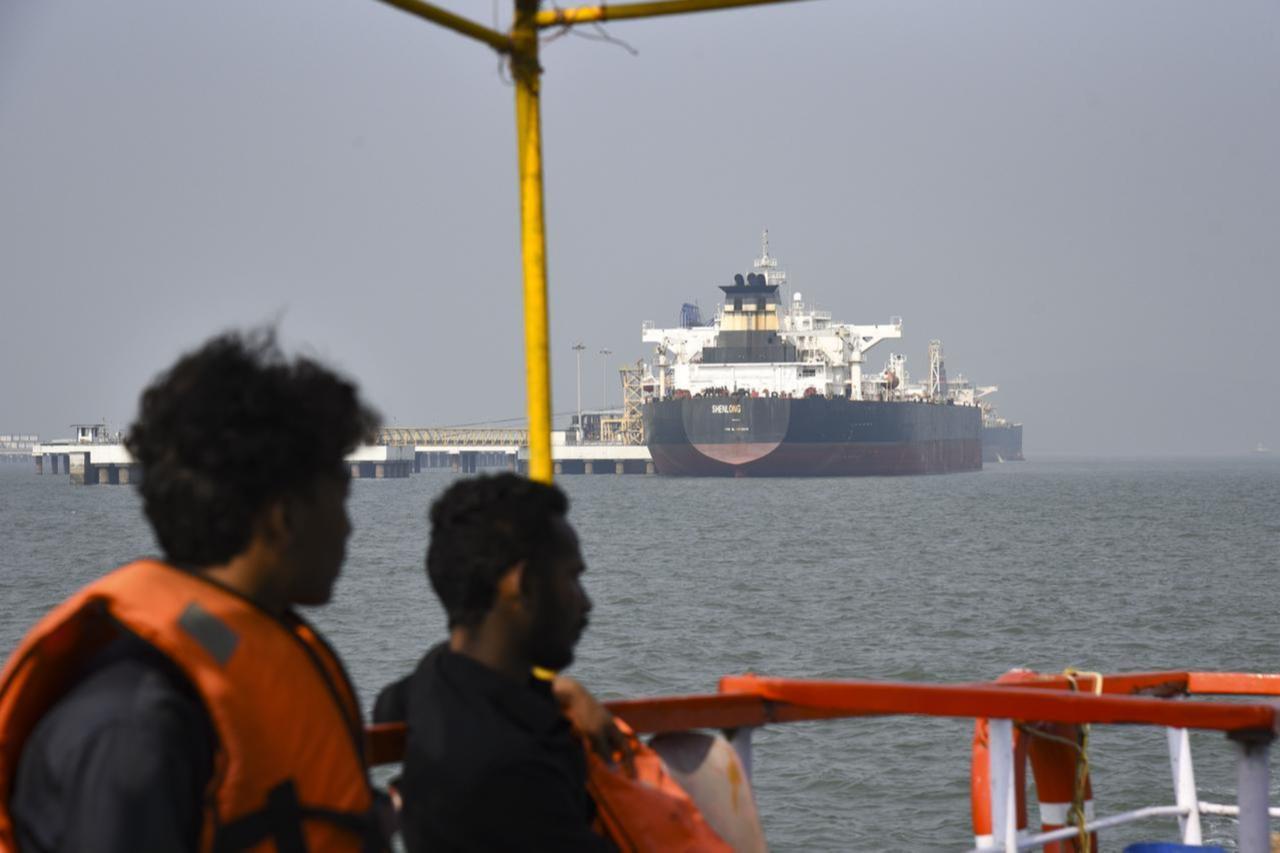
The Strait of Hormuz is a vital transit route connecting the Persian Gulf, located between Oman and Iran, to the Gulf of Oman and the Arabian Sea. Approximately 20 million barrels of oil per day, or 25% of global shipments, pass through this strait. This critical route has been effectively closed since the attacks began on Feb. 28.
Iran is not the only oil producer in the region. With approximately 3.3 million barrels per day, it is the fourth-largest oil producer in OPEC. Besides oil, it is also one of the world's largest natural gas producers. However, it is not just Iranian oil that passes through the Strait of Hormuz.
Other OPEC countries, such as Saudi Arabia, the United Arab Emirates, Kuwait, and Iraq, also transport their oil through this strait. However, due to the war, Iran says it will attack any ship attempting to pass through. The fact that 25% of the world's oil is stuck here causes price fluctuations in both the oil industry and many other sectors affected by oil.
Around 80% of the oil passing through the Strait of Hormuz goes to Asian markets. Countries like Japan and South Korea meet almost all their oil needs via this route.
A halt in oil shipments to these countries could lead to a shutdown of industry and the depletion of strategic reserves.
The Strait of Hormuz is not only important for Japan and Korea in Asia; China and India also use this route, especially for commodity trade.
Therefore, it is clear that even China, which has a strategic proximity to Iran, would not benefit from the closure of this route, and its economy would be significantly affected.
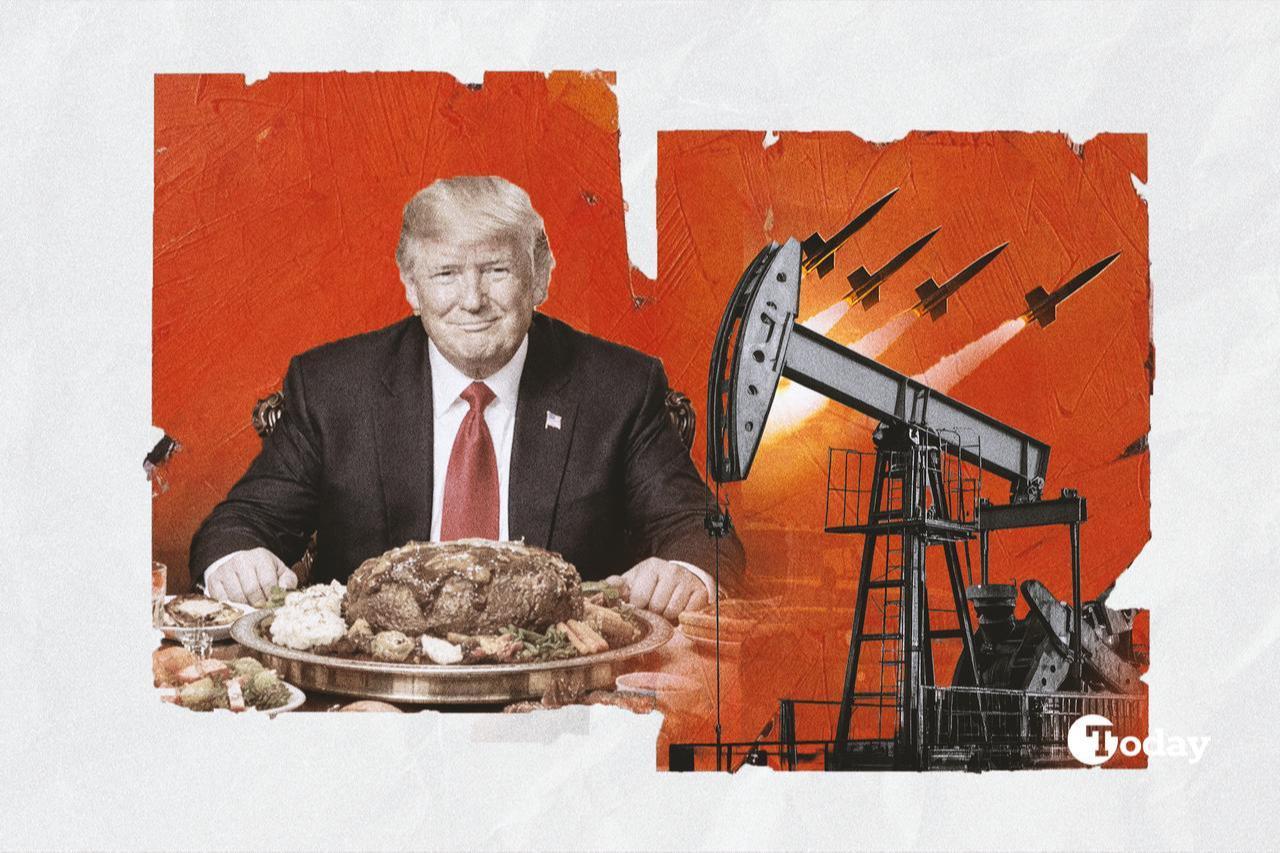
Although the U.S. is a self-sufficient energy producer thanks to shale gas and oil, the closure of the Strait of Hormuz will affect its domestic economy and producers.
Rising global oil prices will push up domestic fuel and production costs, fueling inflation. With decreased purchasing power and rising prices, Trump, already facing considerable public opposition to his attack on Iran, may lose public support and face more domestic problems in addition to his foreign policy struggles.
In this context, it is clear that Russia, which can meet its own energy needs and is not dependent on foreign sources, could benefit from rising oil prices.
It has also been suggested that pressure on global energy supplies from Iran’s disruption of Gulf oil flows could prompt temporary easing of Russian sanctions and lead to indirect trade with Moscow before the Ukraine war ends
The red rocks of the Strait of Hormuz have long served as a historic crossroads, steeped in myths and bearing traces of both the past and the world to come. Dam al-Akhawain, the land stained with the blood of two brothers, is now witnessing the war launched by the U.S. and Israel against Iran.
What this land witnesses will not be limited to today. Just as the story of Cain and Abel has endured to this day, and the impact of those events is still debated, this war will be discussed for many years to come, affecting even those who have never been to this land.


 Set as preferred source
 Set as preferred source


 1 min read
 1 min read