Newsletters


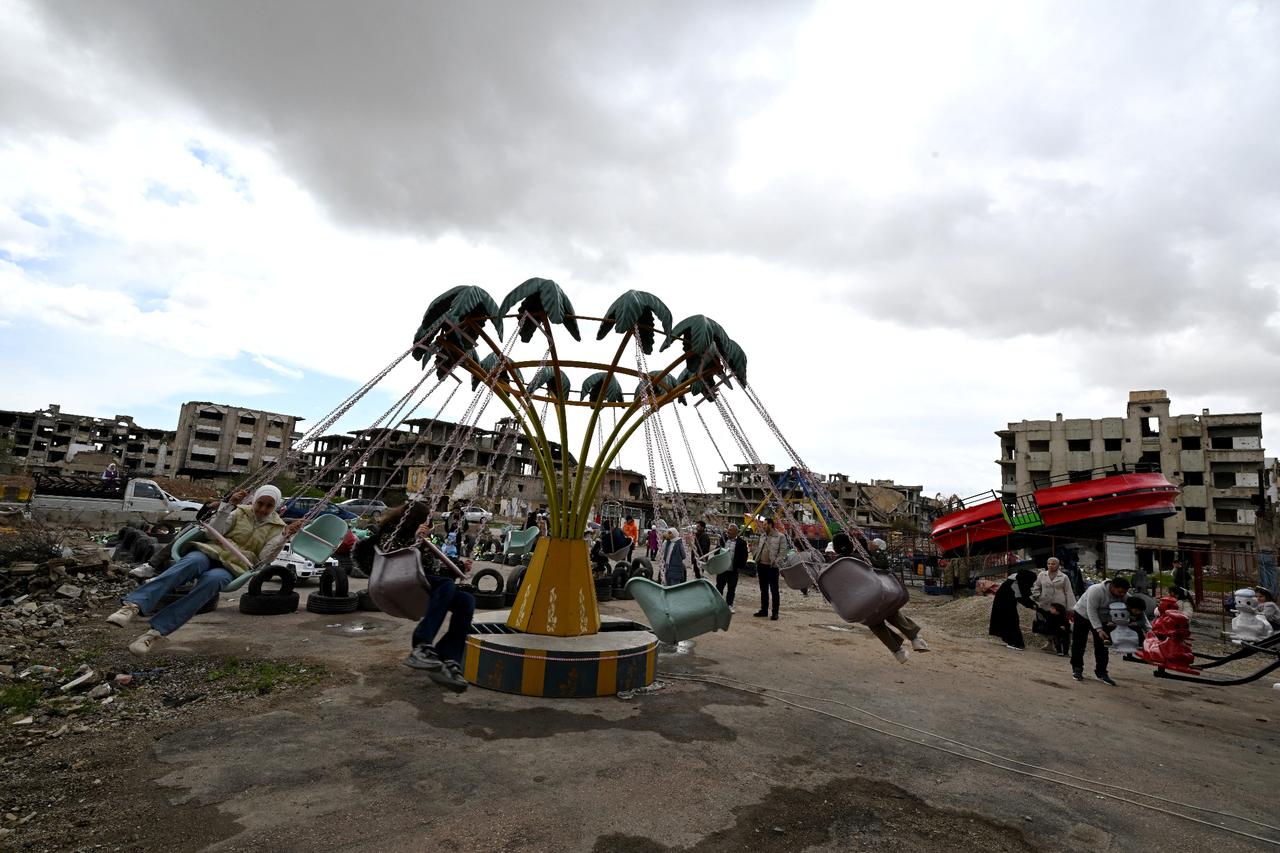


A recent decision by the Damascus governor to restrict alcohol sales in the city—except in Christian neighborhoods—has become a flashpoint for discussion and debate about where Syria is heading.
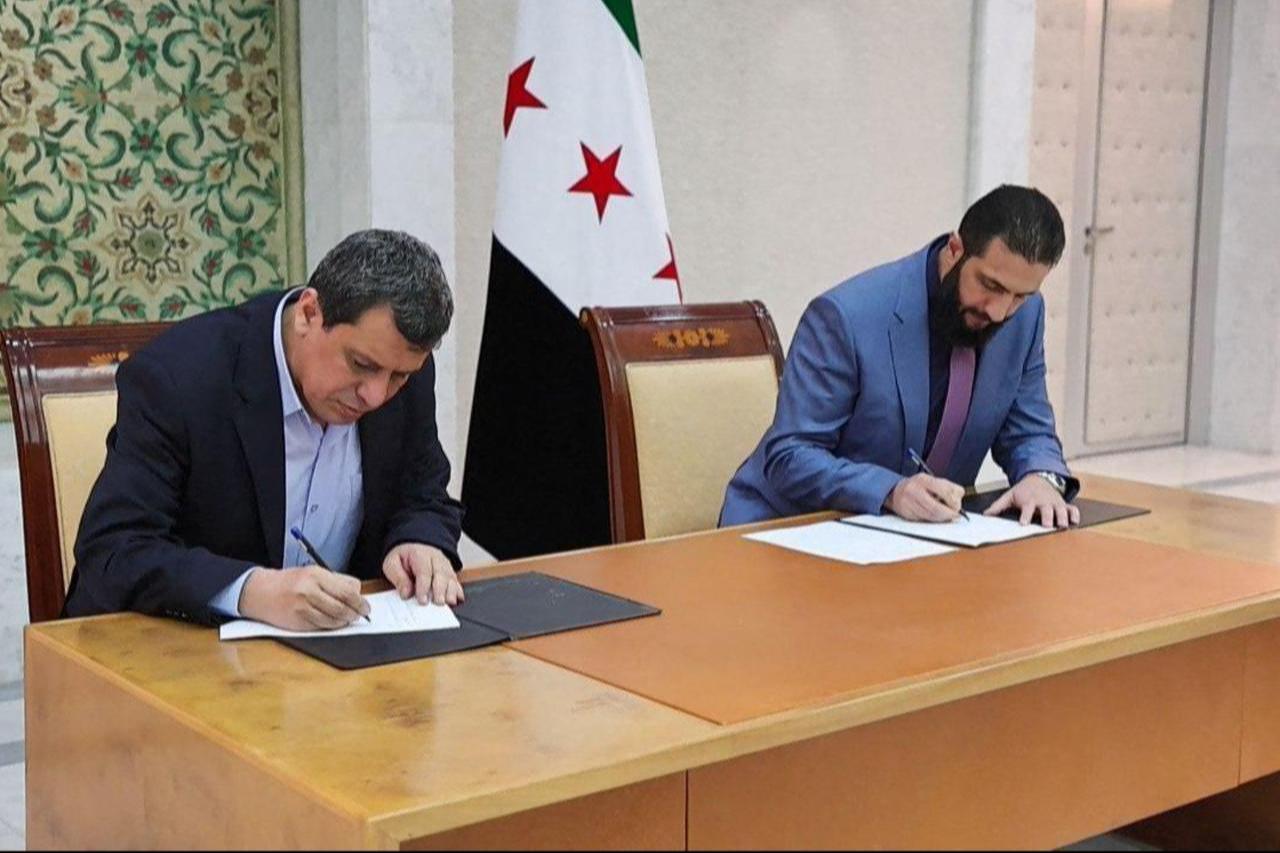
Simultaneously, Syrian President Ahmad al-Sharaa welcomed Kurdish representatives, as well as the governors of Aleppo, Hasakah and Raqqa, to mark and celebrate the Newroz festival.
For many, these two developments appear unrelated, but they are not. To understand this, one must look at Syria’s decentralized administrative system. Under Law 107, the Syrian government delegated vast administrative duties and authorities to provincial governors.
Within this framework, governors function as presidents of their respective governorates, with the ability to make decisions and enact regulations independently.
In this context, the governor of Damascus decided during the holy month of Ramadan to restrict alcohol sales in his governorate, with exceptions for Christian neighborhoods and venues under the authority of the Tourism Ministry, such as hotels.
However, the regulation regarding the required distance between bars and religious sites, such as mosques and churches, will force many establishments to close or reorganize.
At the same time, the governors of Hasakah and Aleppo organized large-scale Newroz celebrations. Sharaa also hosted Kurdish representatives in a symbolic gesture of acceptance toward Kurdish identity and traditions.
Notably, the governor of Hasakah participated in the celebrations wearing traditional Kurdish attire.

From the perspective of the Syrian government, these parallel developments highlight a fundamental dilemma. By granting extensive authority to governors, the central government exposes itself to criticism and the consequences of uncoordinated policymaking.
While other governors have not imposed alcohol restrictions, the governor of Damascus has. This indicates the decision was not made centrally, yet its repercussions are felt nationally.
This dynamic affects the image of the Sharaa government in multiple ways. Some criticize Sharaa for not implementing such restrictions nationwide and for failing to follow the Damascus governor’s example. Others criticize it for restricting alcohol sales at all, fearing a gradual, hidden policy shift.
To resolve this tension, Sharaa would need to curtail the authority of the governors. However, doing so would undermine a key component of his strategy to win over local communities, including Syrian Kurds.
It could also jeopardize the integration deal with the YPG. Given the importance of Syria’s territorial integrity and stability, Sharaa is likely to accept these complications and continue operating within the decentralized framework, preserving the operational autonomy granted to governors under Law 107.


 Set as preferred source
 Set as preferred source


 1 min read
 1 min read