Newsletters


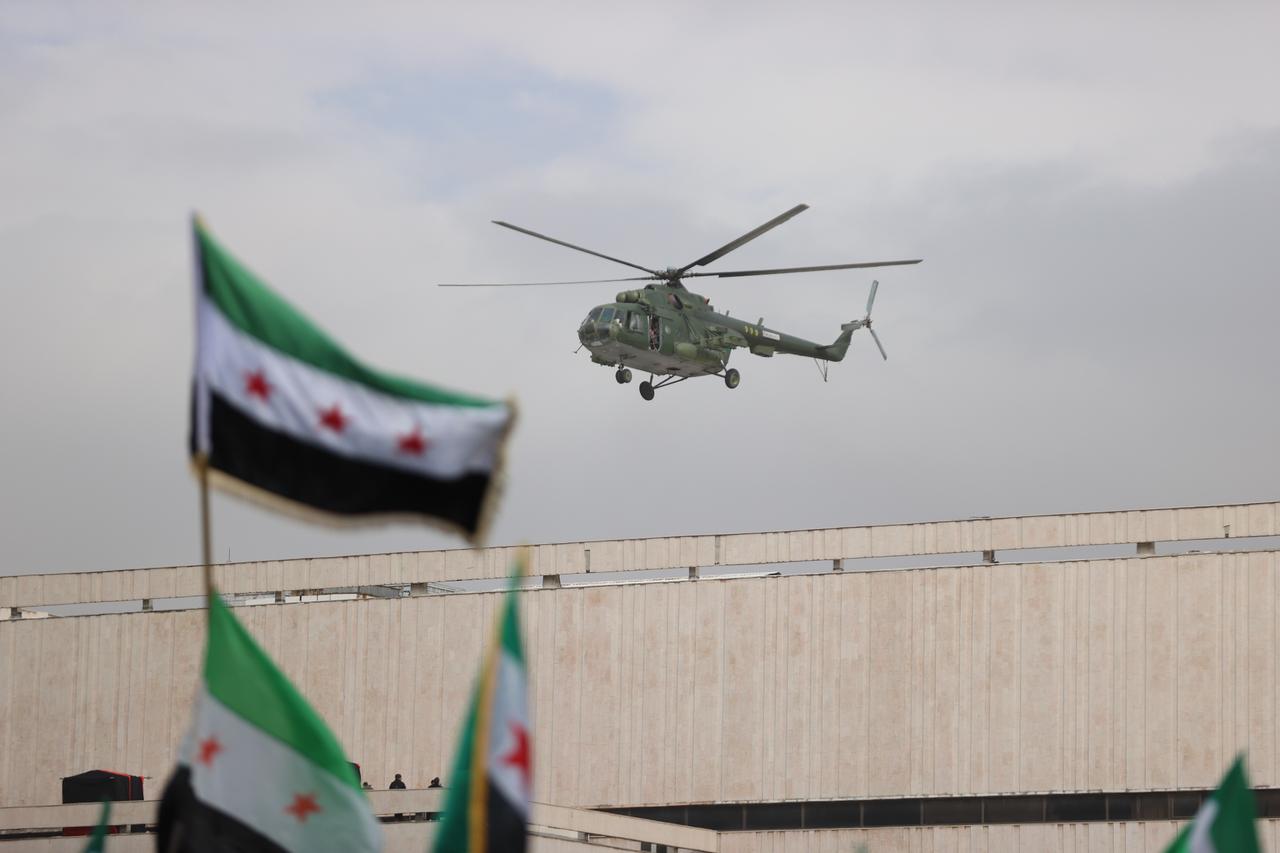


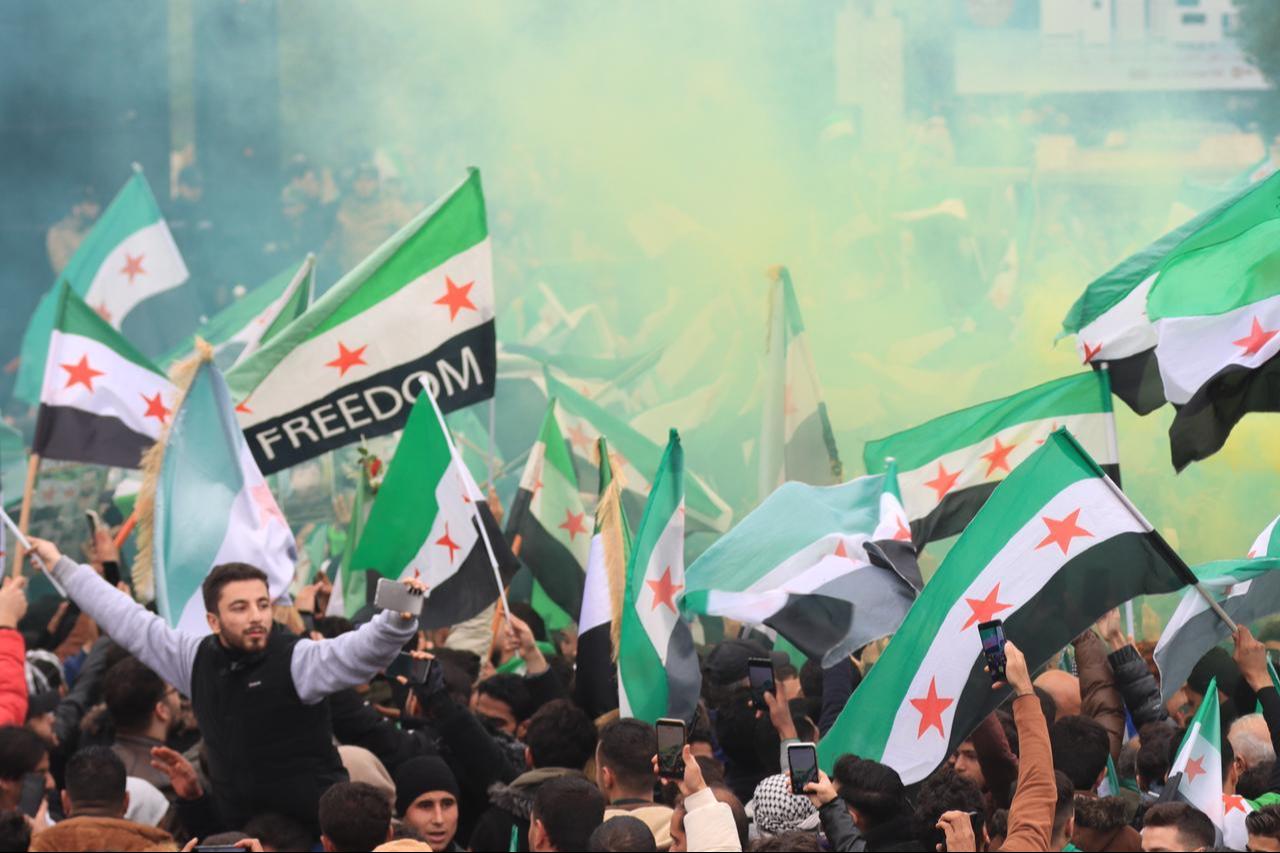
One year has passed since the fall of the Assad regime. At that time, some questioned whether Syria might become a Turkish protectorate, while others pointed out their expectation that Türkiye would exercise overt influence in Syria. U.S. President Trump even described the fall of the Assad regime as a Turkish takeover.
At that time, I argued that these assessments were exaggerated and that Syria would emerge as an independent actor—a bridge between Türkiye and the Arab world rather than a Turkish client state. But now, after a year has elapsed, where do Turkish-Syrian relations truly stand?
In the early days following the regime change, the Turkish public was incredibly euphoric about the unfolding events in Syria and rejoiced over the opportunities they believed were to come. Turkish businessmen hoped for intensive economic profits, and the Turkish public almost believed that all Syrian refugees would return to Syria immediately.
After a year, the public now understands that refugee returns, albeit high in number, will take time to materialize fully. Furthermore, Turkish businessmen have discovered that they face competition from Syrian entrepreneurs and other third-country businessmen.

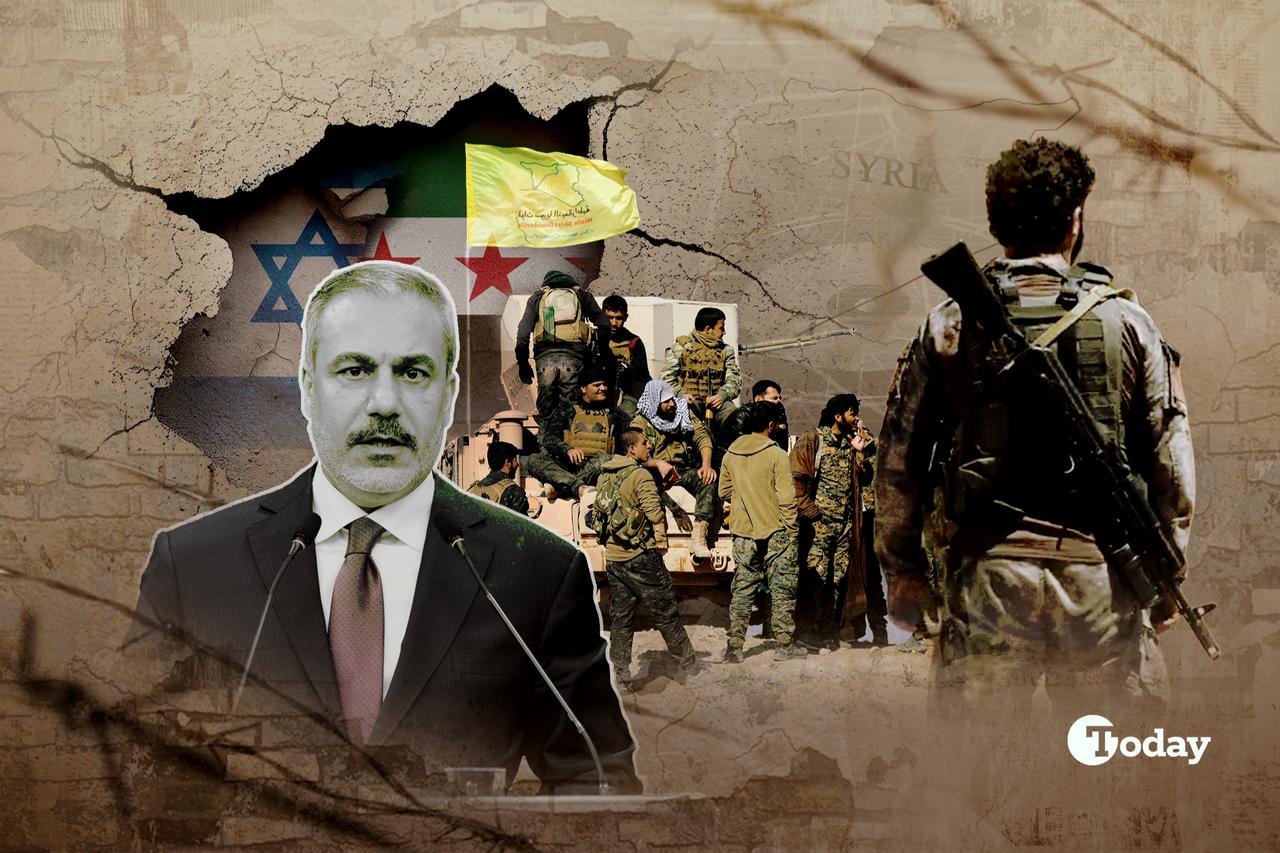
To be fair, Turkish institutions were very fast in acknowledging the geopolitical reality. Turkish Foreign Minister Hakan Fidan successfully managed expectations and laid out the Turkish policy approach to the region: Türkiye does not want to shoulder the burden of Syria alone. Rather, Türkiye wants Syria to transform into a region of cooperation.
In Syria today, the Turkish influence is undeniable. Türkiye’s soft and hard power is both acknowledged and welcomed by the authorities in Damascus. They understand that they need Türkiye to balance the threats posed by Israel and the YPG-dominated SDF. Furthermore, Turkish aid and training—alongside support from other nations—is essential for Syria to rebuild its institutions.
That being said, the exact equilibrium for Turkish-Syrian relations has not yet been decided. Sometimes, the Turks struggle to maintain the balance between respecting Syria’s independence and their feeling of entitlement.
Conversely, the Syrians feel the need to demonstrate to other nations and Türkiye that they are an independent actor. Because they have a pre-existing relationship with Türkiye, Damascus can, to some degree, overcorrect.
In my view, the difficulty in finding the right balance in Turkish-Syrian relations comes as no surprise, but it is a dynamic that needs to be recognized and accepted. The question for Turkish-Syrian relations is not about whether they will be good or not. The task is to unlearn former habits and to change former approaches toward one another.


 Set as preferred source
 Set as preferred source


 1 min read
 1 min read