Newsletters


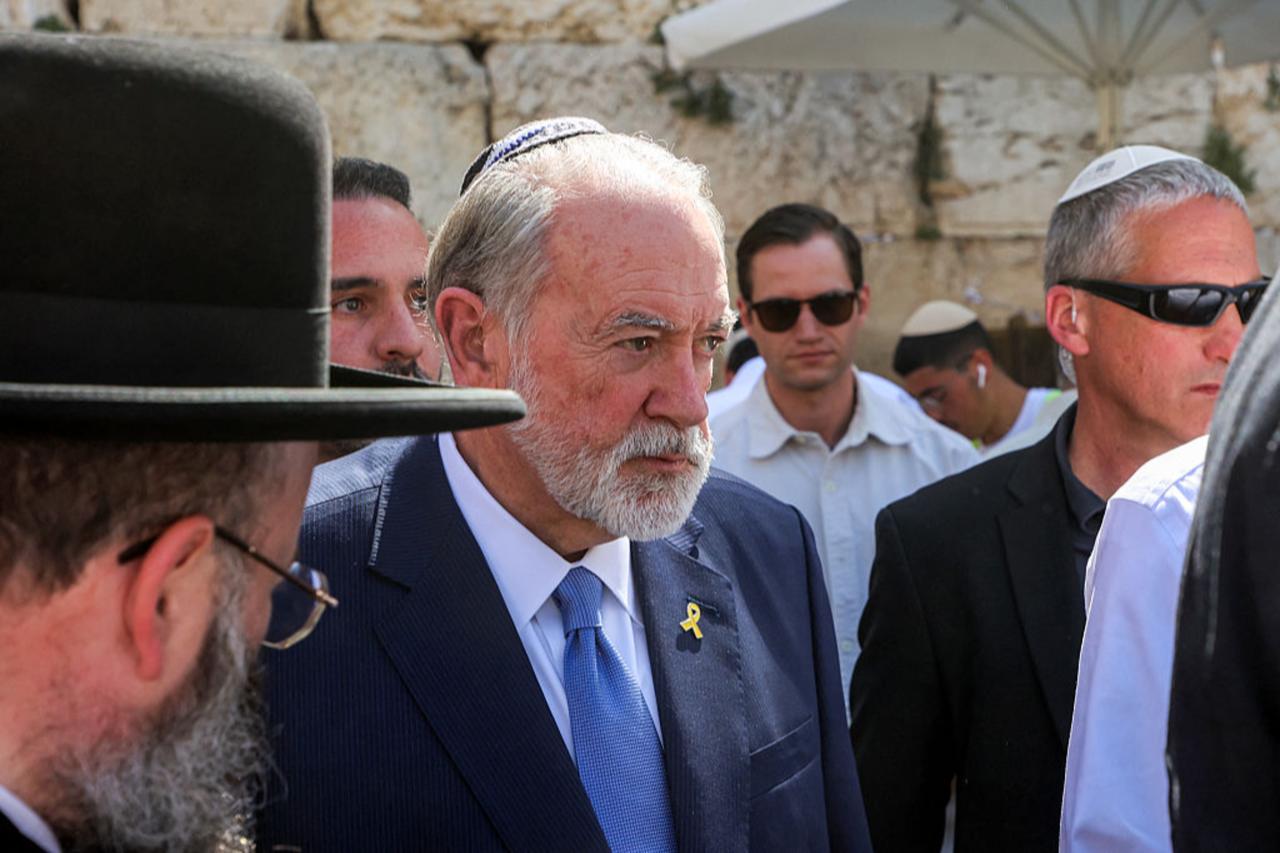


In a lengthy interview with U.S. journalist Tucker Carlson, American Ambassador to Israel Huckabee suggested that it "would be fine" if Israel took land stretching from the Nile to the Euphrates River—a biblical reference to Genesis 15.
A joint condemnation from 14 Arab and Muslim-majority countries followed, warning that such rhetoric inflames religious and national sensitivities.
For the Turkish public, this was seen as an affirmation of the rhetoric that Israel seeks to expand its borders to include parts of Türkiye.
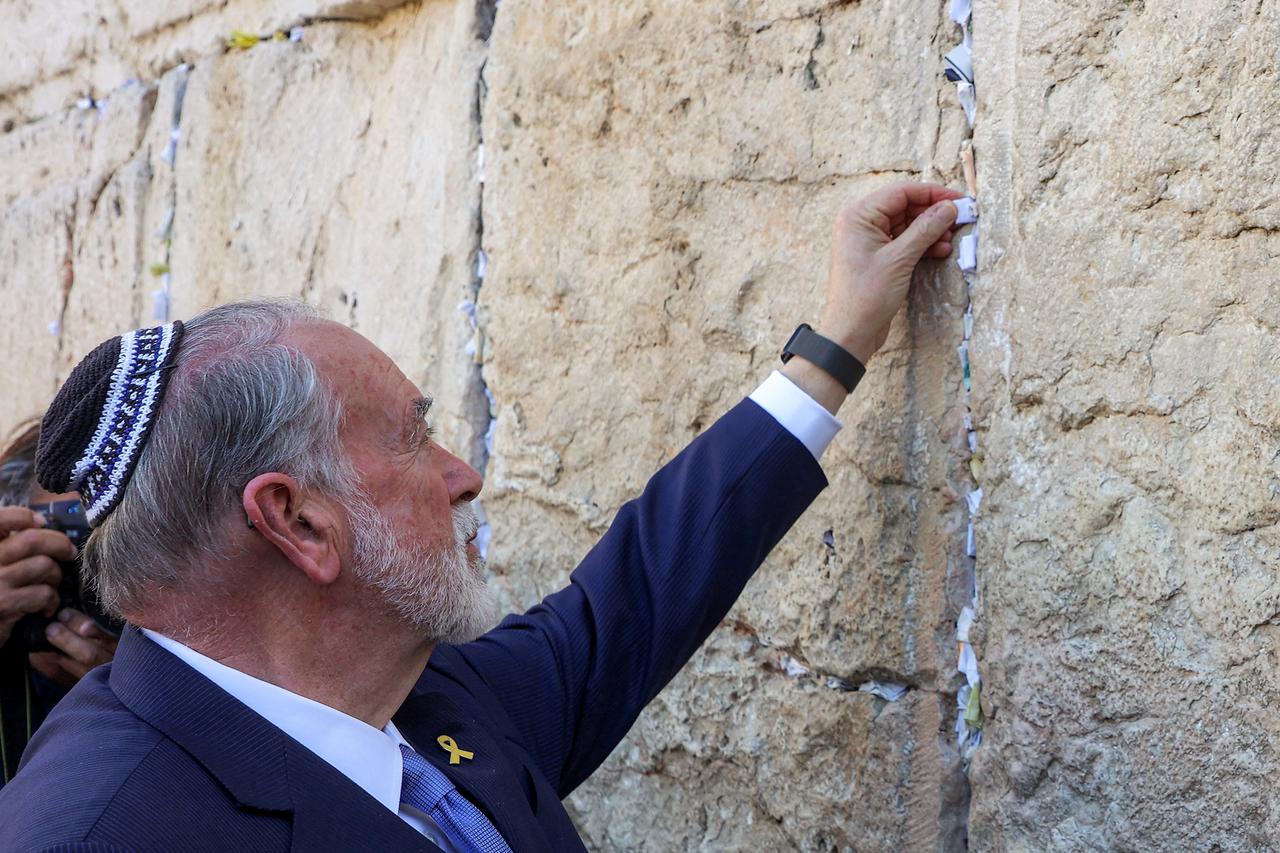

When a sitting U.S. ambassador invokes a territorial vision that stretches to Türkiye, people take notice. It fuels the regional threat perception vis-a-vis Israel and forces regional states to coordinate more strongly with each other.
Interestingly, this regional cooperation is increasingly framed by Israeli politicians as a hostile Sunni alliance that aims to replace the Shia alliance. But it is an expected reaction from a pure, realistic geopolitical lens.
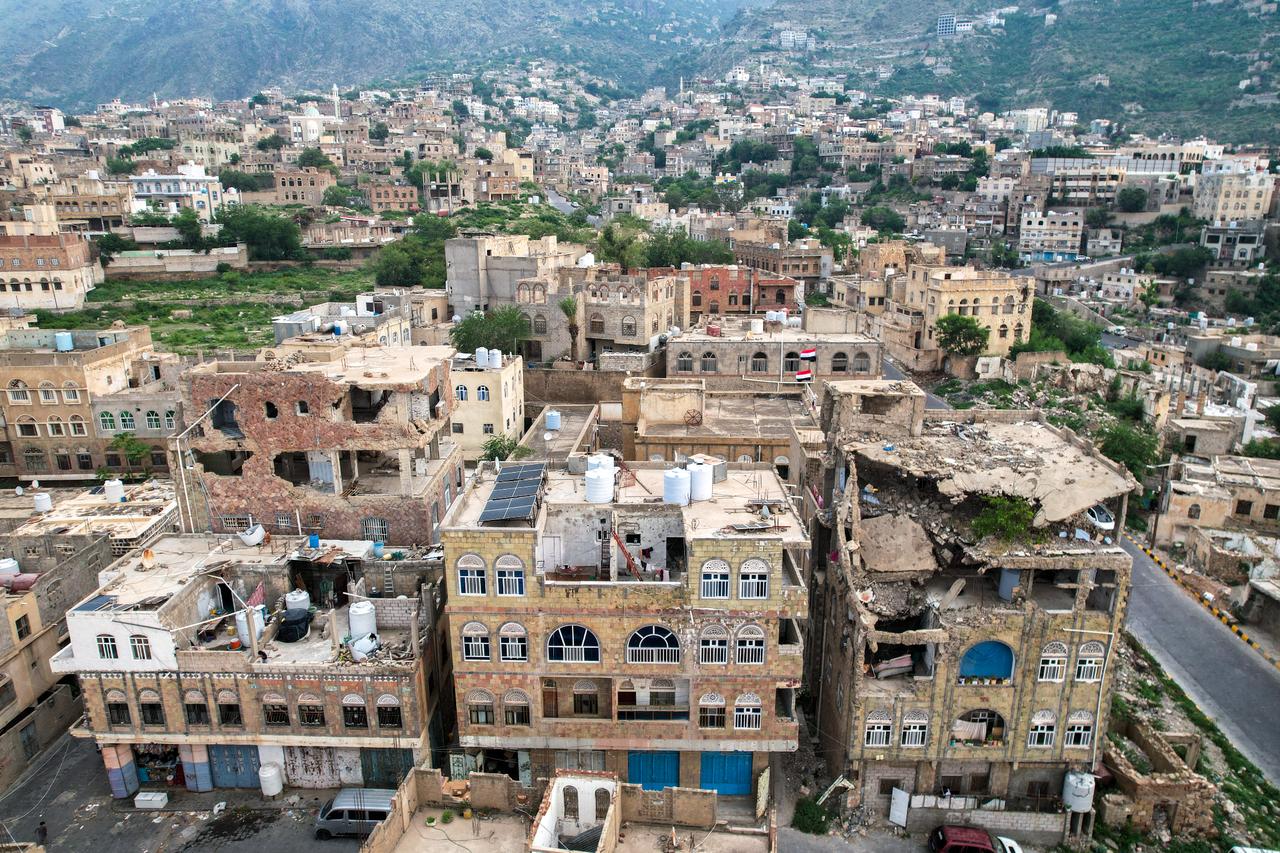
Seeing how Israel bombed Iran, Syria, Yemen, Lebanon, Tunisia and Gaza, regional states are forced to balance Israeli aggression by working closer together.
This is 101 in International Relations studies.
Israel's conduct in the region since Oct. 7 worries many regional states. And the concerns are not without reason.
Putting all the context aside, Israel tried to push Palestinians in Gaza into Egypt while simultaneously expanding illegal settlements in the West Bank. Furthermore, its military occupied territories in southern Lebanon and in southern Syria.
These developments follow a historical pattern: since 1967, Israel has occupied the West Bank and the Golan Heights, while maintaining a long-standing siege of the Gaza Strip.
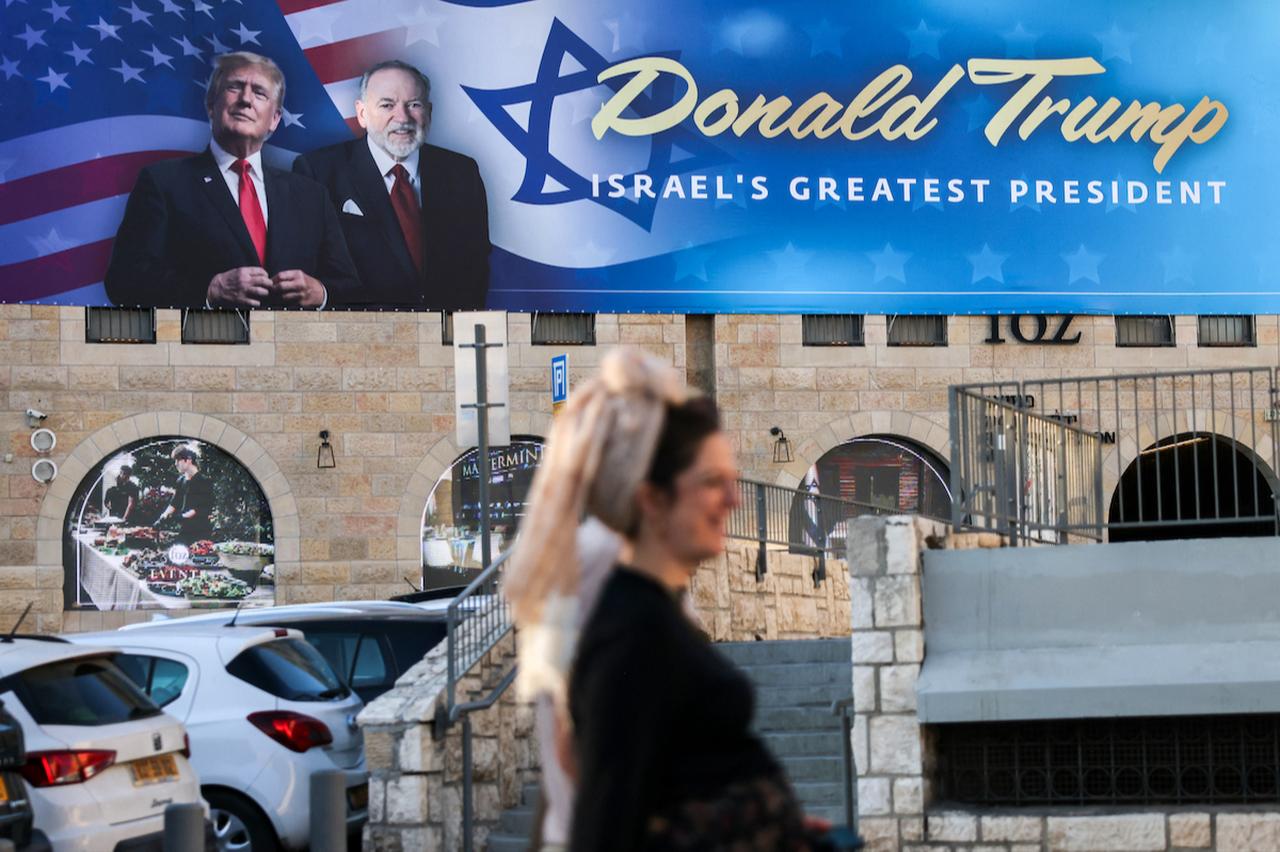
Every regional state knows that Israel’s border remains undefined—a lack of clarity that the state itself maintains by design.
The statement by Huckabee fuels the threat perception that Israel may aim for more than it has now and may refuse to withdraw from recently occupied areas.
It is deeply problematic that Huckabee has labeled Area C of the West Bank as part of Israel and consistently refers to the territory as “Judea and Samaria.” Huckabeeis not merely an eccentric Christian preacher in the United States, but the U.S. ambassador to Israel.
But does this mean that the U.S. will recognize Area C in the West Bank as Israel, similar to the recognition of the Golan Heights in Trump's first term?
For now, it doesn’t appear like Huckabee’s statement necessarily reflects the official line of the Trump administration, but for regional actors, these internal American fissures matter. They watch not only what Washington declares as policy, but also how coherent that policy appears.
When theological maximalism surfaces alongside official denials of policy change, it introduces uncertainty.


 Set as preferred source
 Set as preferred source



 7 min read