Newsletters


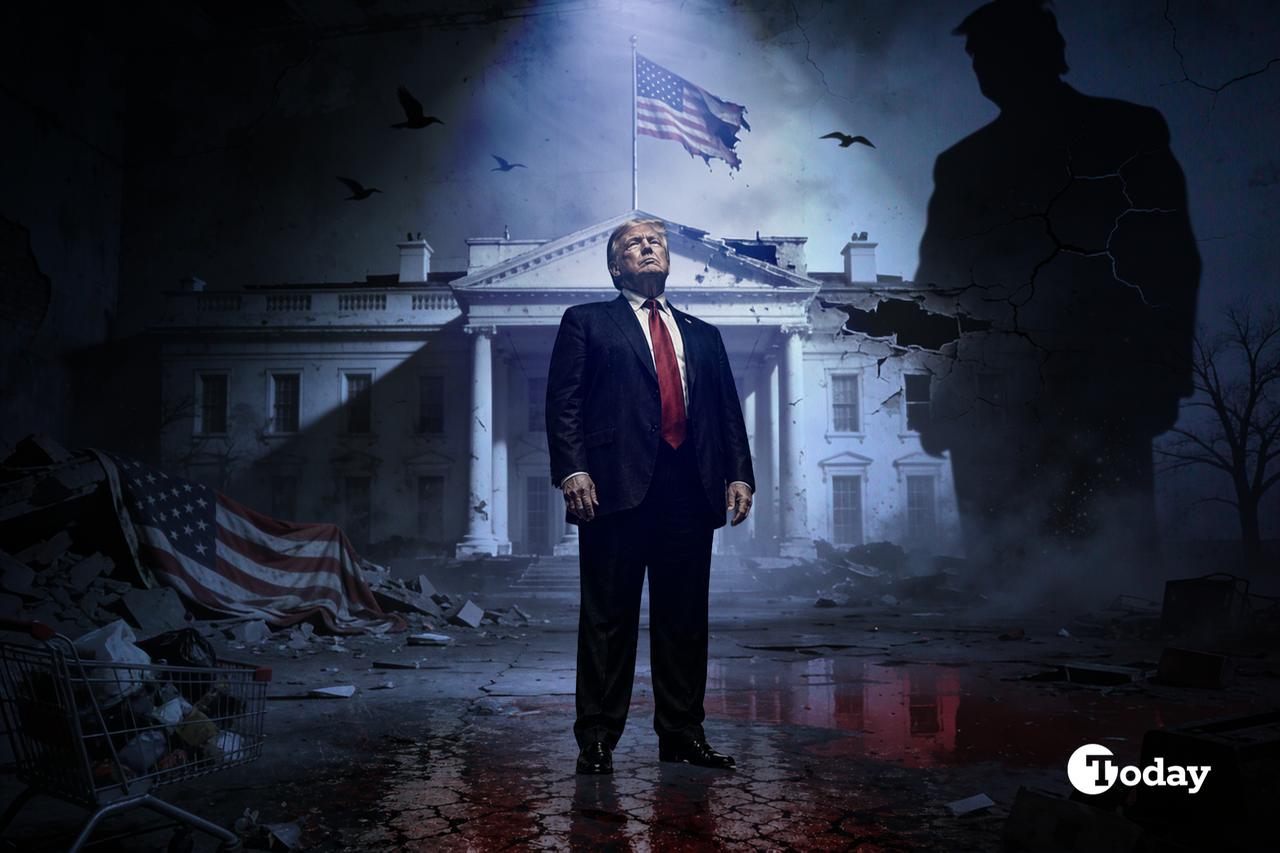


The electoral success of the Democrats—however fiercely celebrated or bitterly derided—falls conspicuously short of an actual regime change in Washington.
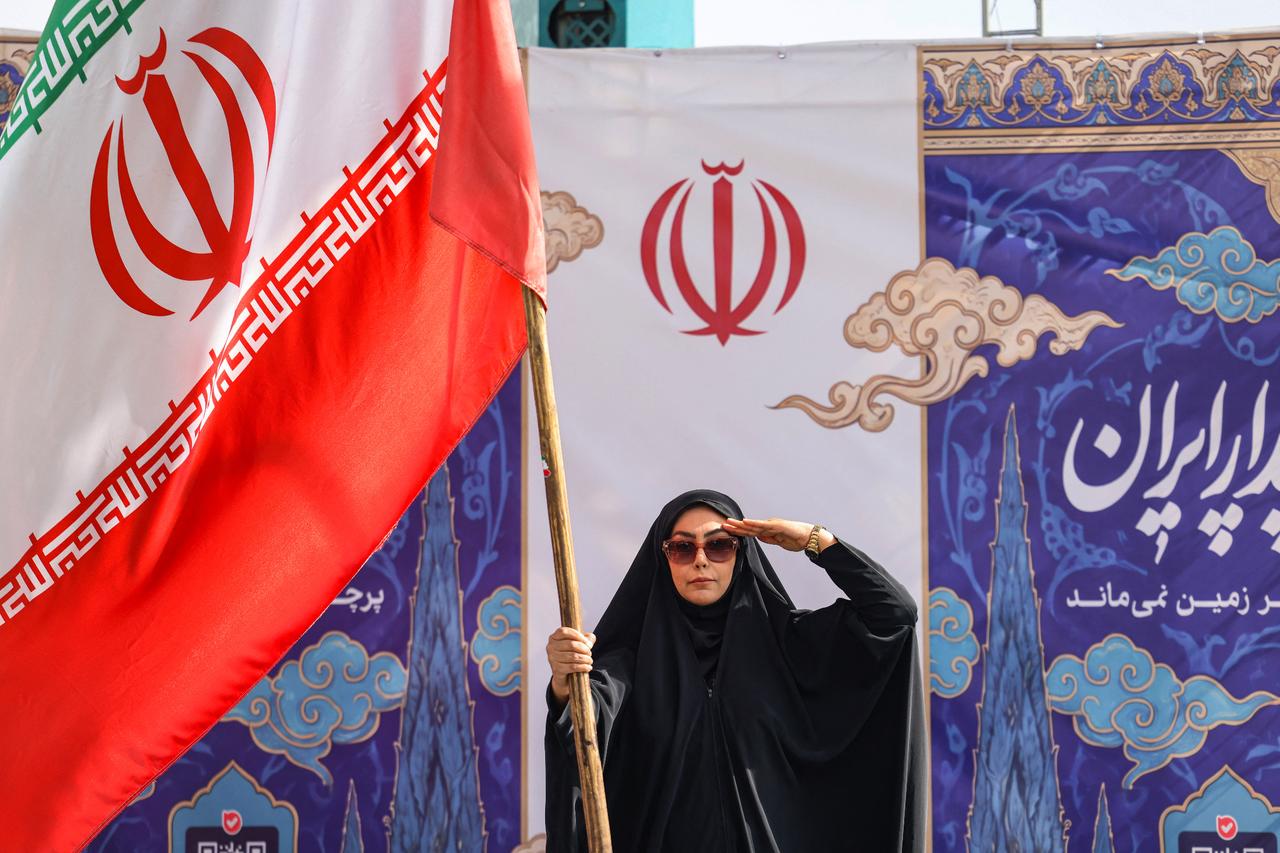
That particular brand of political overhaul is generally best left to Tehran.
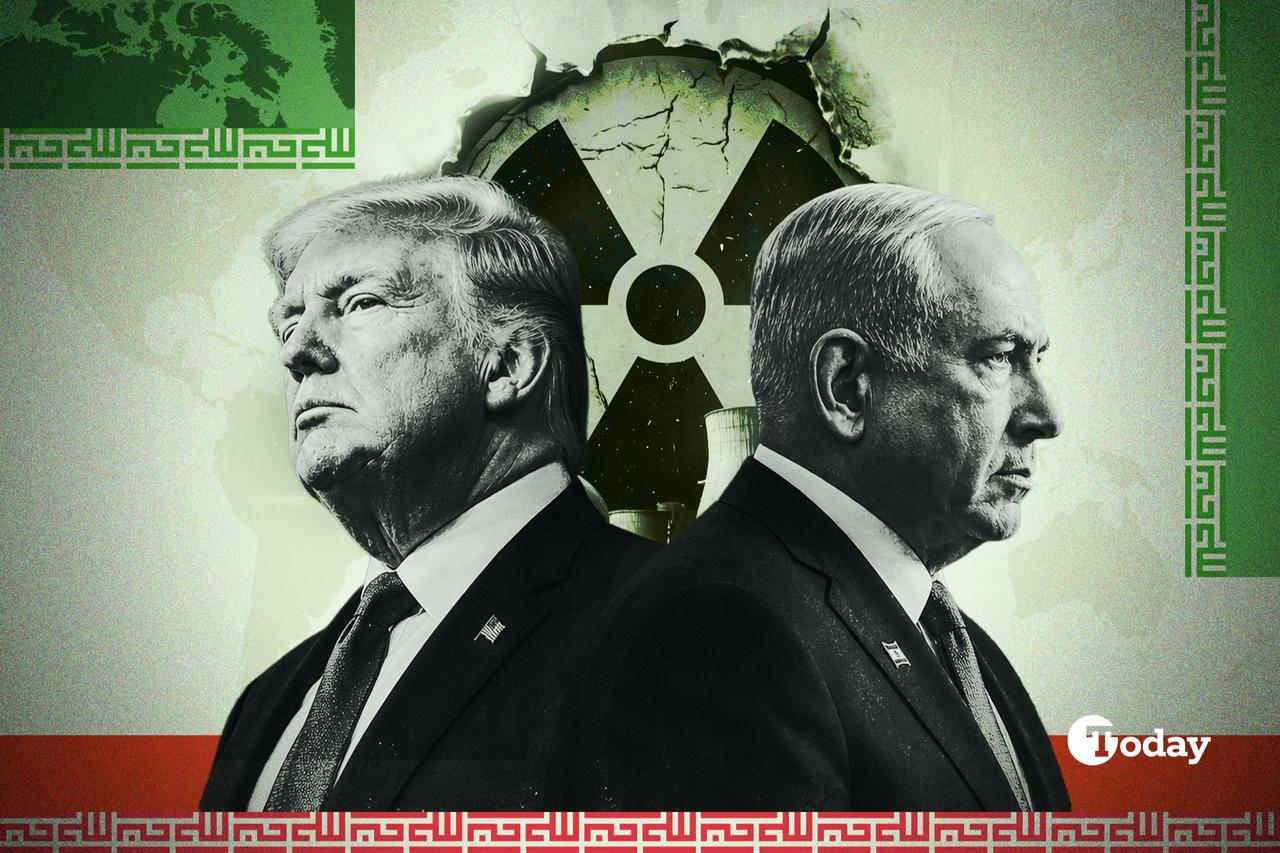
And the election results don’t reflect any change in President Donald Trump’s willingness to entertain military action against Iran. He may not care about the political consequences and may just want to settle scores with Iran. One of the main reasons for the defeat of Trump and the Republicans is Netanyahu, but Trump is clearly unable to realize this. We will see how things develop in Iran within the next few days at the latest.
On another front, Trump has been trying to reshape both domestic and foreign policy in increasingly reckless and genuinely crude ways, but he has also managed to do, within a single term, some of the things that Democrats might otherwise have pursued over several administrations in response to the great-power competition.
Democrats will probably continue Trump’s efforts to decrease America’s role as the world’s policeman, gain access to rare earths and other critical minerals, and reindustrialize the U.S. mainland in the next presidential cycle. They are likely to keep these policies but make radical changes to tariffs.
They could partly reverse some of the effects of Trump’s policies, especially regarding economic inequality, unfair enrichment, rising energy prices due to the Iran policy and the subsequent increase in the cost of living.
They could even force Trump himself to reverse some of those measures. But on China and global competition, they will retain at least some of the steps Trump has taken, however reluctantly.

Europe will be pulled back into a more manageable framework on Ukraine, but a sudden return to the pre-Trump era appears unlikely. The U.S. has already exhausted much of its strategic munitions in the war with Iran and can no longer provide Europe with the same security umbrella as in the past.
Democrats will probably seek to resolve tariff fights, end tit-for-tat economic retaliation, and quickly reconstruct a shared liberal vision of the international order with Europe.
Now we’ll just have to wait and see what they do with the time they have. But no major shift in U.S. policy toward Europe would be expected if Trump's proposed peace plan with Russia, which he has been trying to impose on Ukraine, comes into effect somehow.
NATO could be reborn, maybe even with a more global role, and the relationship with Europe and Ukraine could be reconfigured around it. But these are early assessments.
 2 min read
Regarding Türkiye, I do not expect the U.S. election results to have any immediate effect on the country or its regional initiatives. But some points of friction will remain. Examples include the F-35 issue, Greece, and the Eastern Mediterranean.
Other examples are Libya and Sudan. Then there is military cooperation in the Sahel, where Türkiye had to keep a certain level of engagement with Russia. But beyond these issues, we will likely have to wait until the next presidential election to see more substantive political disagreements emerge between Ankara and Washington.
If the Democrats win the next presidential election, the long-standing differences over human rights and the rule of law, which were already present during the previous Democratic administration, are likely to affect the relations between Ankara and Washington. How these tensions are handled will depend largely on the political context of Türkiye’s 2028 elections and, ultimately, their outcome.
But either way, I think we will see a real change in the U.S.-Israel relationship.
Democratic candidates in their victory speeches took direct aim at the pro-Israel lobby, which had supported the Republicans against them. Recall the wave of left-wing mobilization that started on university campuses, motivated by opposition to the treatment of refugees and the genocide in Gaza, and that gradually transformed into an electoral movement. And the people who were against it were not so much Trump supporters as the Israeli lobby and corporations.
The left-wing influence behind the Democrats’ success should not be underestimated in this respect. Israel simply does not have enough money to buy off this political current, because these people are not selling anything at all.
Now we can only hope that this change in the Democratic Party will be a lasting power in Congress and the Senate. After all, the previous Democratic administration was as much a servant of Israel as Trump has been, while also being an executor of the traditional American elites’ ideology of global hegemony.
Change is definitely coming. But the coming months will tell us what exactly is changing and how far that change will go.
But one thing is already clear: we are seeing how a left-wing wave that started on university campuses, fueled by opposition to the treatment of refugees and the genocide in Gaza, has shifted perceptions and tipped the balance of political opinion in the United States. This is something we need to pay attention to.


 Set as preferred source
 Set as preferred source


 1 min read