Newsletters




In his famous 1969 song "Space Oddity," released ahead of the Apollo 11 mission, David Bowie told the story of an astronaut who travels through space, leaves his spacecraft, and loses contact with Earth.
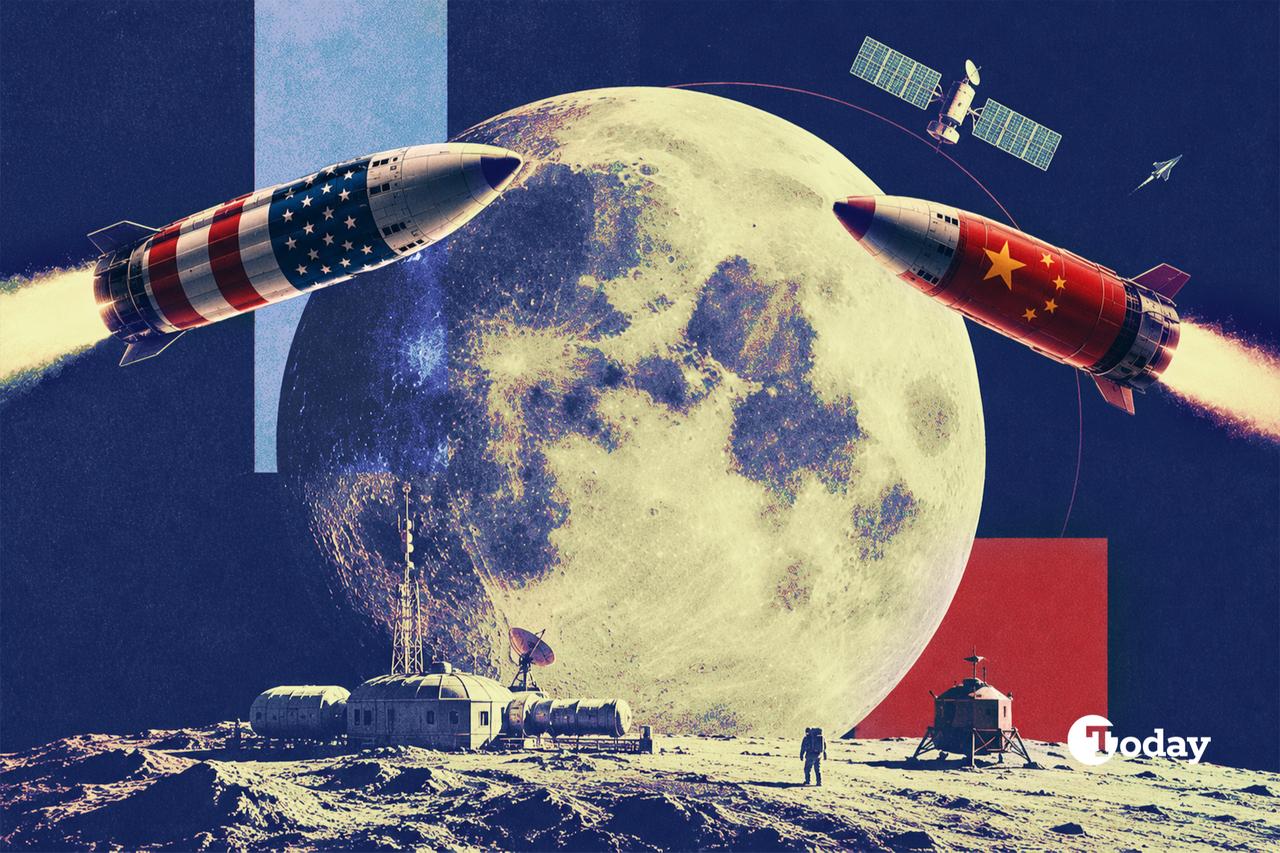
During the Cold War, the United States and the Soviet Union competed to achieve milestones in space, from launching the first satellites to sending humans into orbit and ultimately reaching the moon. Today, efforts to return humans to the moon have gained significant momentum.
China and the United States have developed and begun implementing their lunar exploration programs, with crewed landing deadlines approaching. The competition, however, is no longer simply about returning to the moon, but about establishing a presence there, building a permanent base, and even powering it with a nuclear reactor.
The space race is not limited to lunar missions. Although China spent the past two decades largely following the United States in space, it has now closed much of the gap and achieved several notable world firsts. These include landing on the far side of the moon and returning samples to Earth, reportedly conducting satellite-to-satellite refueling in geosynchronous orbit, and operating the world’s first communications relay satellite around the Earth-moon L2 point, enabling communication with spacecraft on the lunar far side.
An important aspect of the competition is the development and deployment of increasingly sophisticated satellites in Earth orbit, essential for communication, navigation, surveillance, and military operations.
As dependence on these capabilities grows, so does the importance of protecting these capabilities and, if necessary, disrupting an adversary’s satellites.
Last month, the United States publicly acknowledged for the first time that it has weapons in space, making space-control weapons an important part of the broader competition and, for now, serving primarily as a deterrent against potential adversaries.
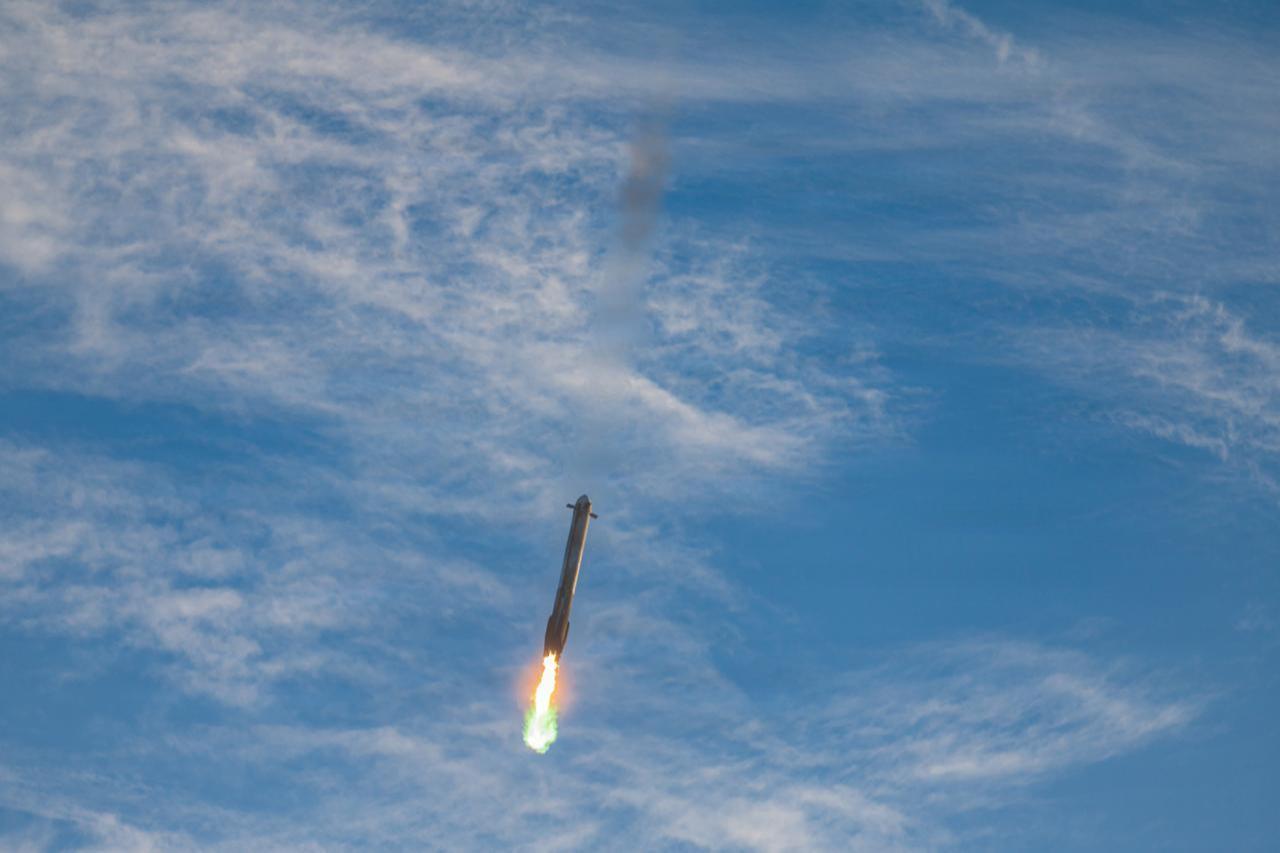

U.S. Secretary of the Air Force Troy Meink said the weapons are intended to “defend the Joint Force against hostile adversary action.” For decades, the United States, China, and Russia have developed and tested anti-satellite (ASAT) weapons capable of degrading, disrupting, or destroying adversaries’ satellites. While the arms race is not new, the public acknowledgment could further normalize and accelerate the competition.
ASAT weapons include kinetic weapons, such as anti-satellite missiles that can create significant space debris, and non-kinetic weapons, such as jamming and spoofing systems that disrupt or manipulate satellite signals.
China has maneuvered satellites in ways that reportedly allow these satellites to monitor and respond to U.S. satellites, including changing their positions to avoid or counter U.S. attempts to observe and inspect them.
ASAT weapons may provide a military advantage by disrupting an adversary’s satellite capabilities, but their use, particularly kinetic attacks, can create large quantities of debris that threaten critical space infrastructure and essential services on Earth, making space increasingly dangerous.
Despite reportedly possessing or developing their own kinetic and non-kinetic ASAT weapons, both China and Russia responded to Meink’s statement by warning against an arms race in space.
Russia also called for an agreement that would prevent the use of force against objects in space. But as there are no reliable ways to monitor the placement and use of weapons in space, such a legally binding agreement would face significant verification challenges.
An important part of the space race is the effort to send humans to the moon and establish permanent bases there. During President Trump’s first term, NASA announced its human lunar exploration program, Artemis, with an initial goal of landing the first woman and the next man on the Moon by 2024.
In 2022, Artemis I sent the Orion spacecraft on a nearly month-long uncrewed journey around the Moon. Artemis II followed in April 2026, carrying four astronauts around the Moon on a nine-day mission.
Originally scheduled for 2024, Artemis III was later postponed to 2026 and then redesigned as a 2027 demonstration mission in low Earth orbit (LEO). The mission will test rendezvous and docking between Orion and commercial lunar landers being developed by SpaceX and Blue Origin. Artemis IV, the mission intended to return astronauts to the Moon, was delayed to 2028.
Under the revised Artemis IV plan, the U.S. changed its approach to the Lunar Gateway, a planned lunar-orbit space station designed to support crew staging and longer-term cislunar operations. Rather than proceeding with the Gateway, the U.S. announced “Ignition,” a plan to establish a permanent base on the lunar surface.
Despite the progress to date, experts warn that technical challenges could further delay the U.S. mission, potentially allowing China to land astronauts on the moon first.
CSIS experts identify the readiness of the Human Landing Systems (HLS)—SpaceX’s Starship or Blue Origin’s lander—as a key challenge, as neither has yet demonstrated an uncrewed lunar landing.
One lander must be ready by 2027 for Artemis III, while that mission must also successfully test Orion’s rendezvous and docking with a commercial lander in LEO for Artemis IV to remain on schedule. New spacesuits and the complex integration of the Space Launch System (SLS), which launches crews from Earth, the Orion spacecraft and HLS could cause further delays.
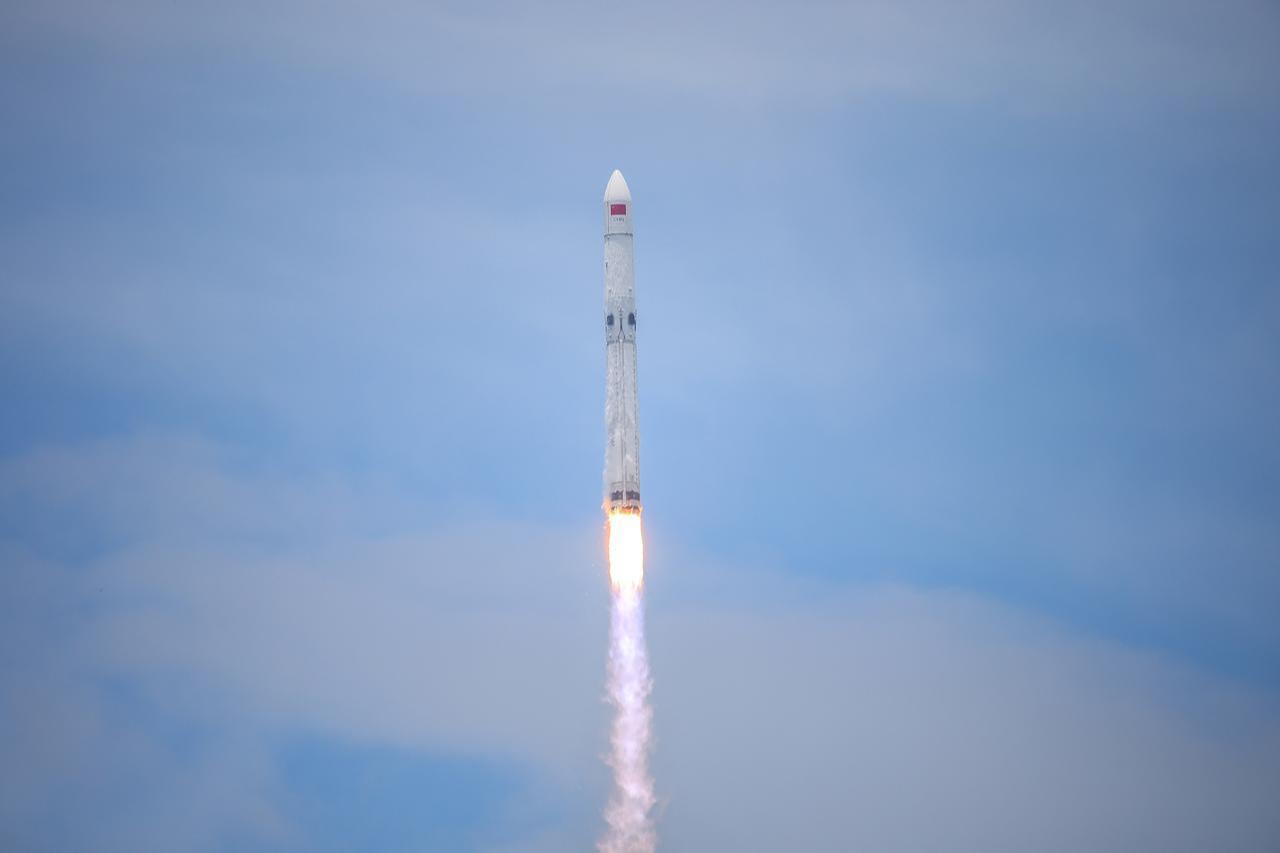
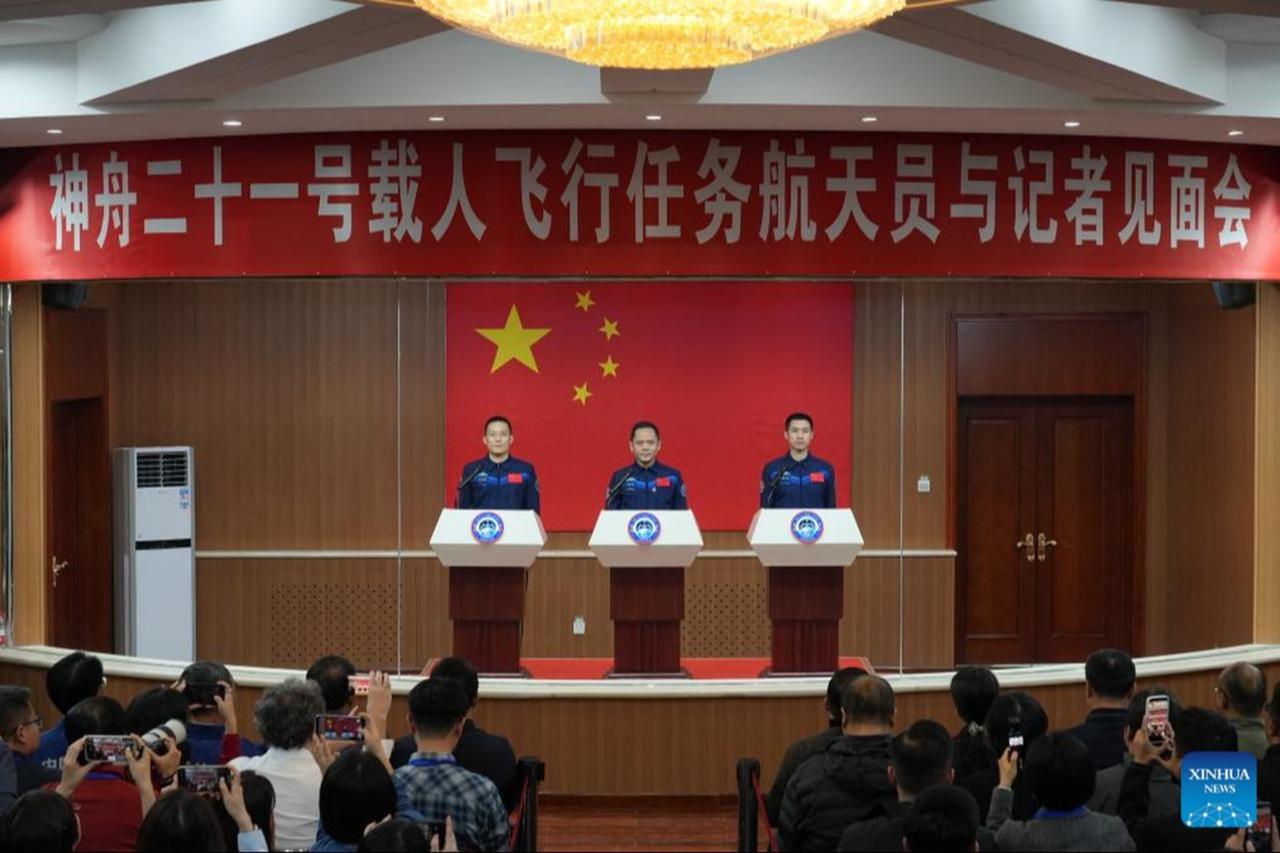
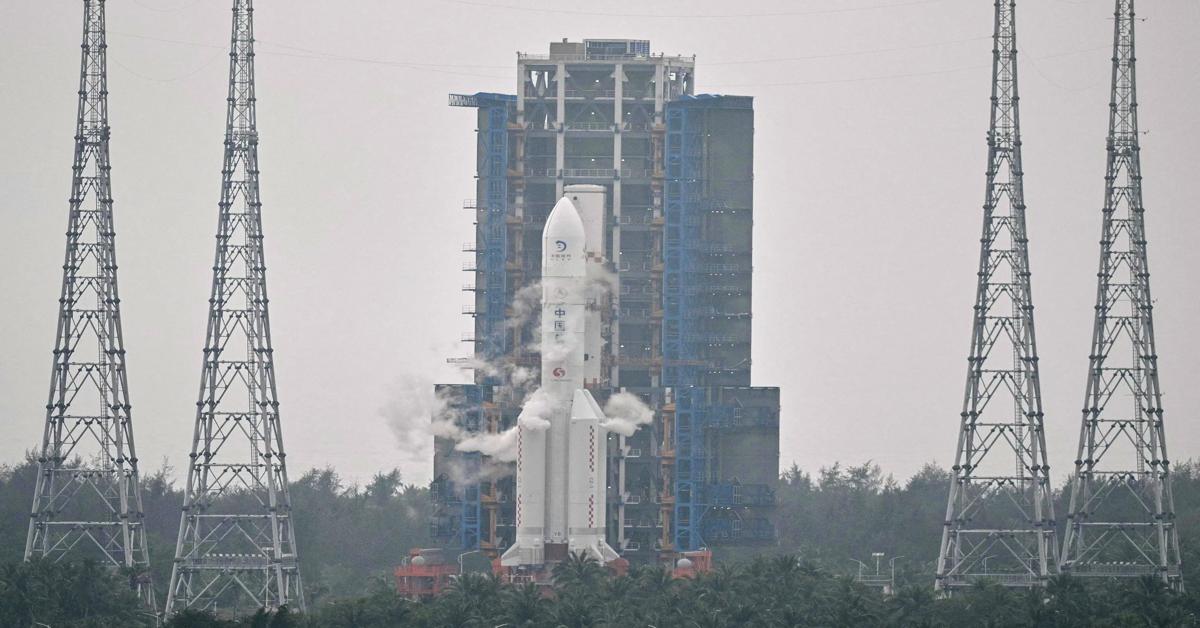
China’s first crewed lunar landing is planned for 2030, and Chinese officials stated in 2024 that key components—including the Long March 10 rocket, Mengzhou spacecraft, Lanyue lunar lander, and lunar landing spacesuits—had been completed.
China has also conducted six robotic lunar missions under the Chang'e program. Chang’e 7 and Chang’e 8 were planned for 2026 and 2028, respectively, although Chang’e 7 was delayed to 2027. China is also working with Russia to build a permanent lunar base, with Chang’e 8 planned to test technologies needed for the base’s construction.
The first phase of the International Lunar Research Station, comprising facilities on the lunar surface, in lunar orbit, and on Earth, will be built by 2035 in the lunar south pole.
Another component of the space race is nuclear power on the Moon: the U.S. plans to build a reactor by 2030, while Russia and China are targeting 2036 to support their planned bases.
In 1969, David Bowie imagined Major Tom as a hero journeying into the unknown. More than half a century later, the question goes beyond who will reach the Moon to who will build the infrastructure and technologies that will shape humanity’s future beyond Earth.
From lunar bases and nuclear power systems to increasingly sophisticated satellites and space-control weapons, the new space race is evolving into a competition over who will be able to operate in space, protect their assets, and project power beyond Earth.


 Set as preferred source
 Set as preferred source


 1 min read
 1 min read