Newsletters


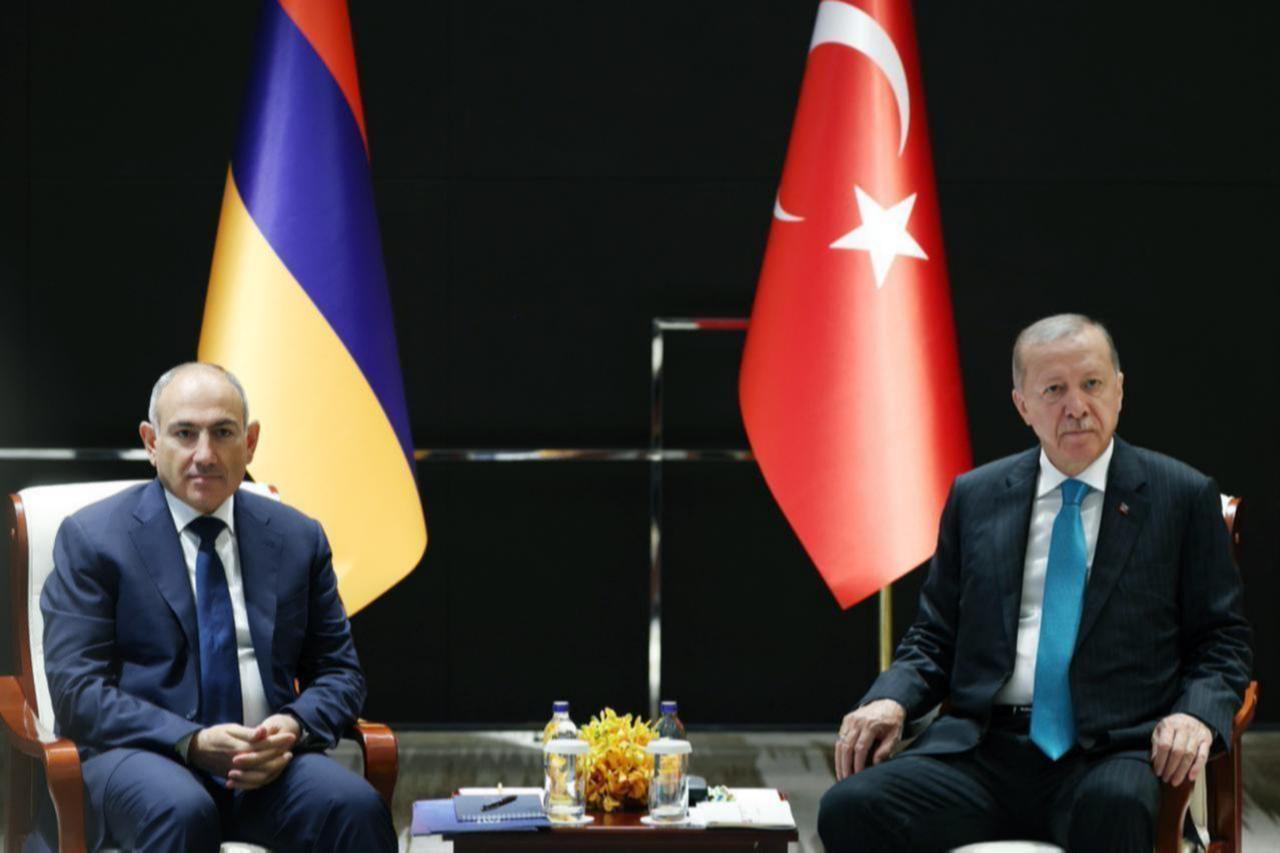


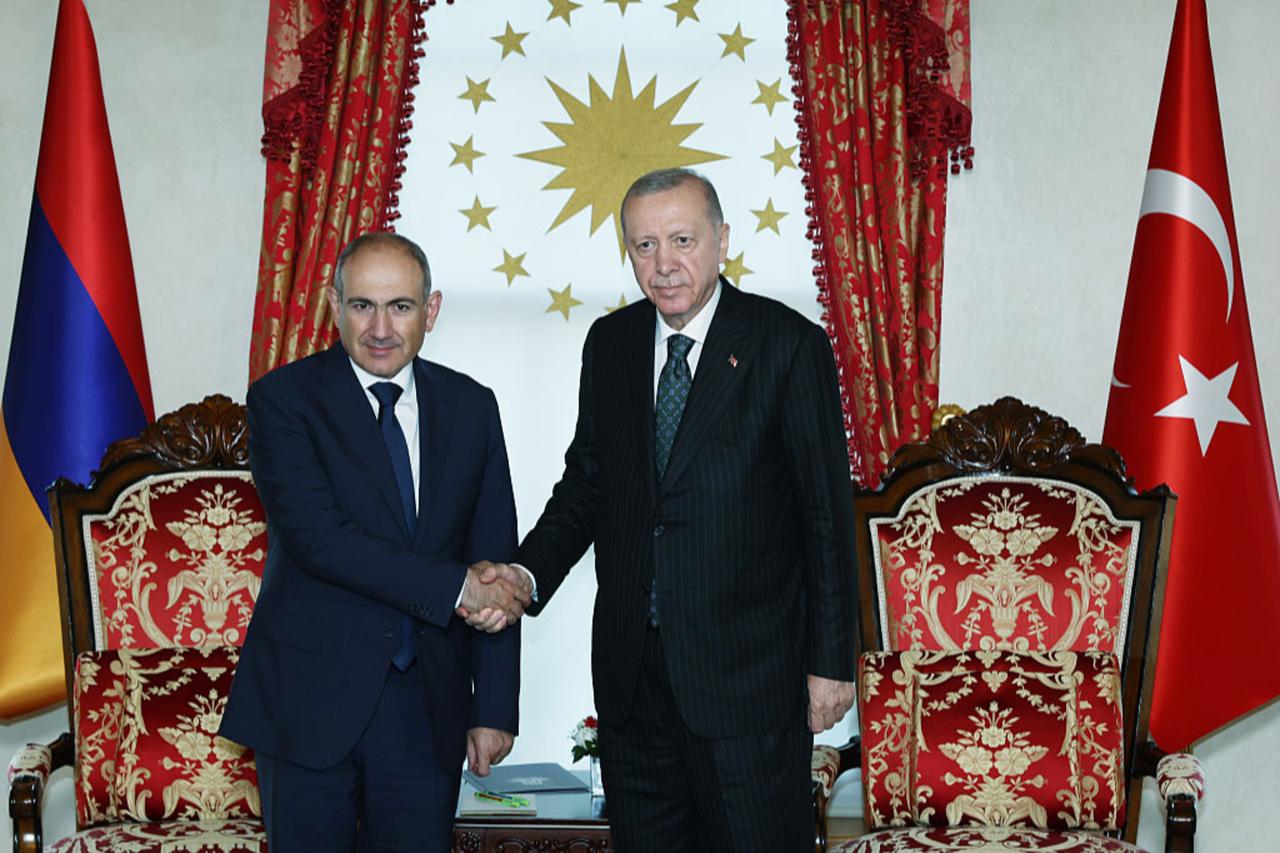
For 33 years, the border between Türkiye and Armenia has been a locked door. But as Moscow leans on its traditional tools of control, and normalization with Türkiye speeds up, the door is slowly starting to crack open.
A geopolitical fantasy is now taking shape between Türkiye and Armenia. Direct flights have resumed, visa rules are easing, and a full reopening for goods and people is on the horizon.
And Moscow’s heavy-handed tactics are only speeding up the clock.
On April 1, Armenian Prime Minister Nikol Pashinian left Moscow empty-handed. His sit-down with Vladimir Putin fell flat, with the two leaders clashing over security and energy cooperation. Just three days later, on April 4, Armenian Parliament Speaker Alen Simonyan delivered an ultimatum: if Moscow hikes gas prices, Yerevan could walk away from both the Russian-led CSTO military alliance and the Eurasian Economic Union.
Moscow didn't wait long to fire back. On April 7, Russia's alcohol and tobacco regulator yanked the distribution license of Armenian cognac maker Proshyan. The official excuse was “non-compliance with product composition.” But the writing on the wall was clear: the Kremlin was taking a political sledgehammer to a prized symbol of Armenian exports.
For years, Russia has kept Yerevan on a tight leash using three main levers: the military base in Gyumri, control over the natural gas tap, and access to Russian markets. Gas is the ultimate trump card. Russia sells gas to Armenia at a rock-bottom $177.5 per thousand cubic meters, a fraction of the $500–$550 prices seen in Europe.
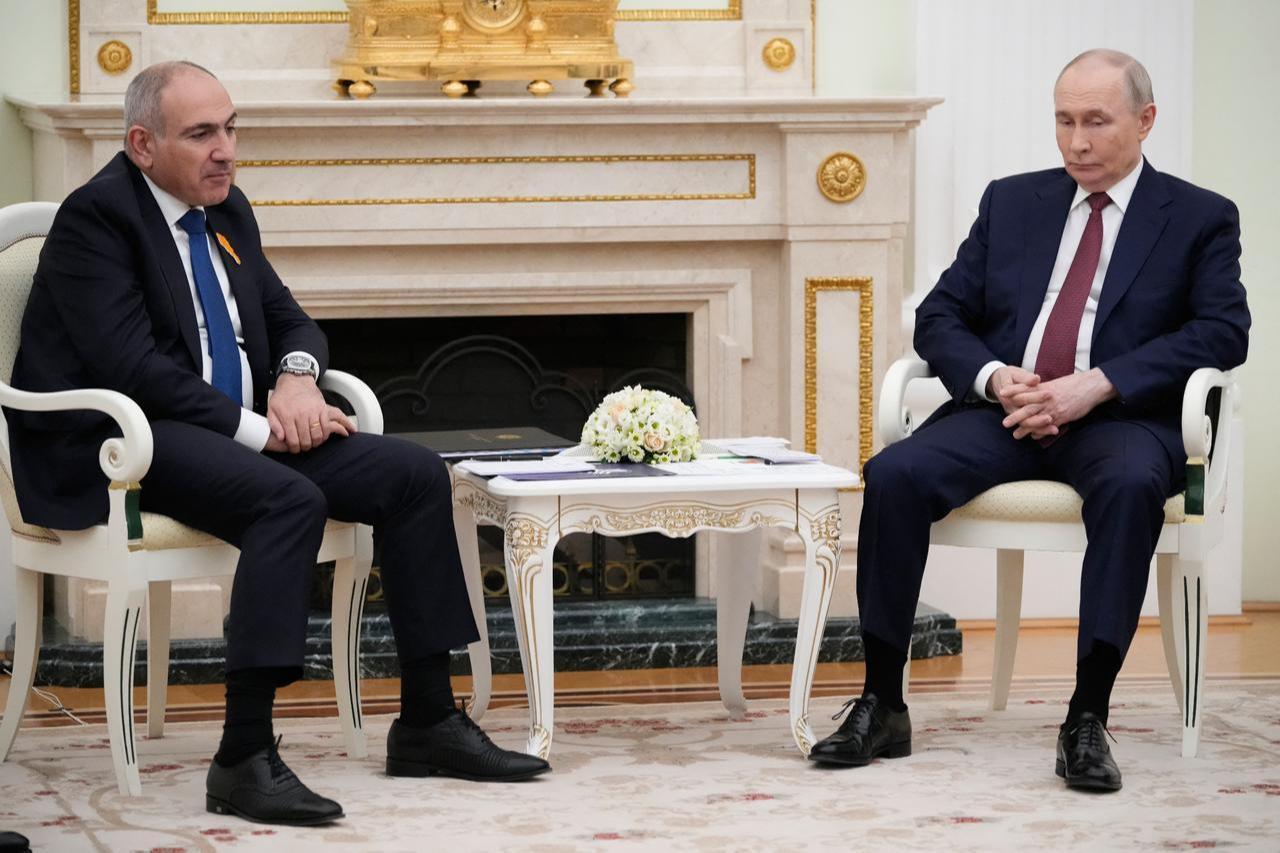

Putin spins this as a reward for loyalty. But in Yerevan, it looks more like a chokehold. Every subsidized cubic meter is a bargaining chip, and history shows that negotiations with Moscow rarely end well for the smaller partner. If regional tensions flare, a sudden price hike is likely the Kremlin's next move.
Meanwhile, statements from Russian politicians and propagandists against Pashinyan show no signs of cooling. If Moscow wants to squeeze harder, Armenian alcohol, agriculture, and food exports—sectors deeply dependent on Russian buyers—will be the first to suffer.
The Kremlin routinely masks these economic strikes as “technical” issues, using surprise inspections or temporary bans to inflict political pain while maintaining legal deniability.
But instead of bringing Yerevan to heel, Moscow’s bullying is driving Armenia away at record speed. Facing blocked exports, Armenia desperately needs new trade routes. Suddenly, transit corridors through Türkiye look highly attractive. Yerevan’s new geopolitical compass isn't just pointing toward the EU; it’s pivoting toward Türkiye and Azerbaijan.
The turning point came in 2023. When Azerbaijan fully reclaimed Karabakh, Armenia watched the CSTO stand by. In Yerevan’s eyes, Russia was exposed as an unreliable ally, and the defense bloc as a paper tiger. In response, Pashinian has pushed for regional integration to escape Moscow's orbit, repeatedly insisting that normalizing ties with Türkiye is “only a matter of time.”
The facts on the ground back him up. By early 2026, Turkish Airlines had launched regular Istanbul–Yerevan flights. Border trade negotiations are in high gear. As of Jan. 1, diplomatic and service passport holders can score free e-visas. Turkish Vice President Cevdet Yilmaz has praised the step-by-step progress, noting that opening the borders will be the ultimate peace dividend for the region.
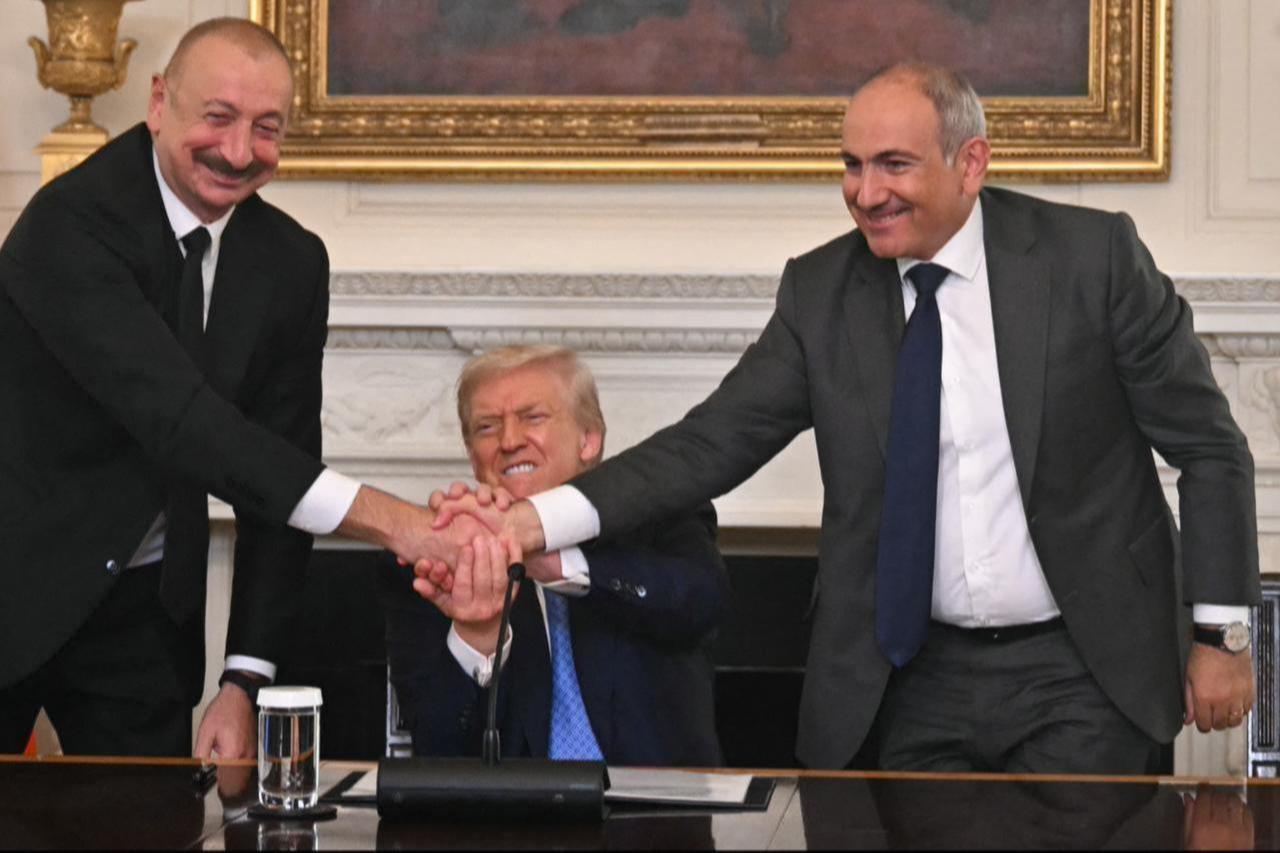
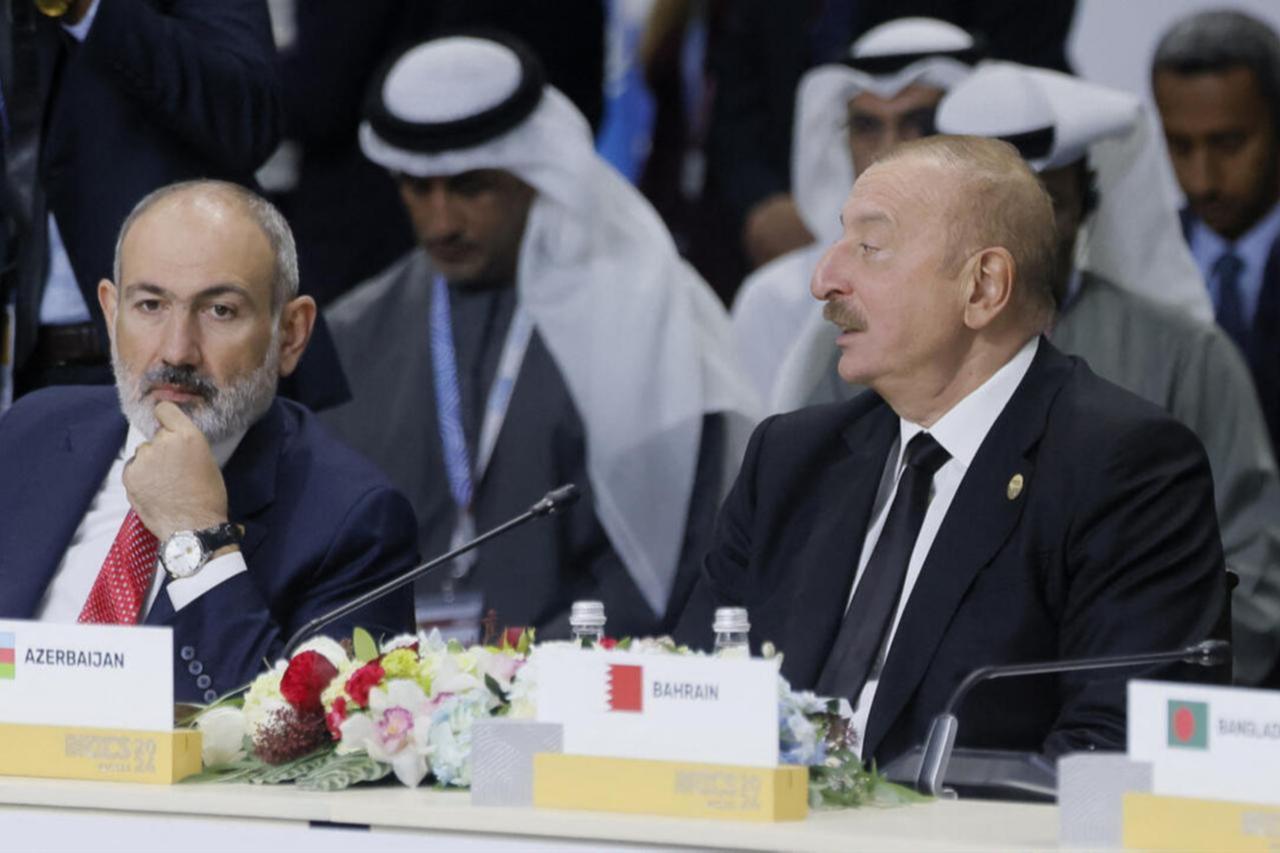
Still, Ankara is playing it safe, coordinating every move with its primary ally, Baku. The diplomatic groundwork was laid in August 2025, when Pashinyan and Azerbaijani President Ilham Aliyev signed a joint peace declaration in Washington, brokered by U.S. President Donald Trump.
Now, Turkish Foreign Minister Hakan Fidan predicts a formalized peace agreement could be inked in the first half of 2026. At the center of this new dynamic is the TRIPP transport corridor—dubbed the “Trump Route”—which will link Azerbaijan to Nakhchivan through Armenian territory. Backed by U.S. oversight and designed to bypass both Russia and Iran, this corridor could transform Armenia from an isolated enclave into a vital transit hub, feeding directly into Türkiye’s Europe–China “Middle Corridor.”
But Pashinian is walking a tightrope. He has to balance his pivot to the West and Türkiye with the harsh reality of Armenia's reliance on Russia—from the gas grids to the railways to the troops stationed in Gyumri. Looming parliamentary elections in June 2026 raise the stakes even higher, with the domestic opposition fiercely accusing the Prime Minister of selling out the country's national interests.
Normalizing ties with Türkiye remains a deeply polarizing issue for Armenian voters. When Pashinian urges his country to “overcome historical patterns,” he is taking a massive political gamble. Critics warn that a sudden break from Moscow could leave Armenia physically defenseless without Western military guarantees, economically stranded by strict European market regulations, and vulnerable to internal sabotage given Russia's ownership of the country’s critical infrastructure.
Yet, the geopolitical current is undeniably shifting.
Putin’s weaponization of “discounted gas” has only proven how dangerous it is to rely on Moscow. By trying to trap Yerevan, the Kremlin is actually accelerating its escape. As the South Caucasus transforms to the detriment of Russian power, Türkiye is stepping into the vacuum—no longer just an old rival, but a pragmatic partner in a brand-new regional order.


 Set as preferred source
 Set as preferred source


 2 min read
 1 min read