

 Newsletters


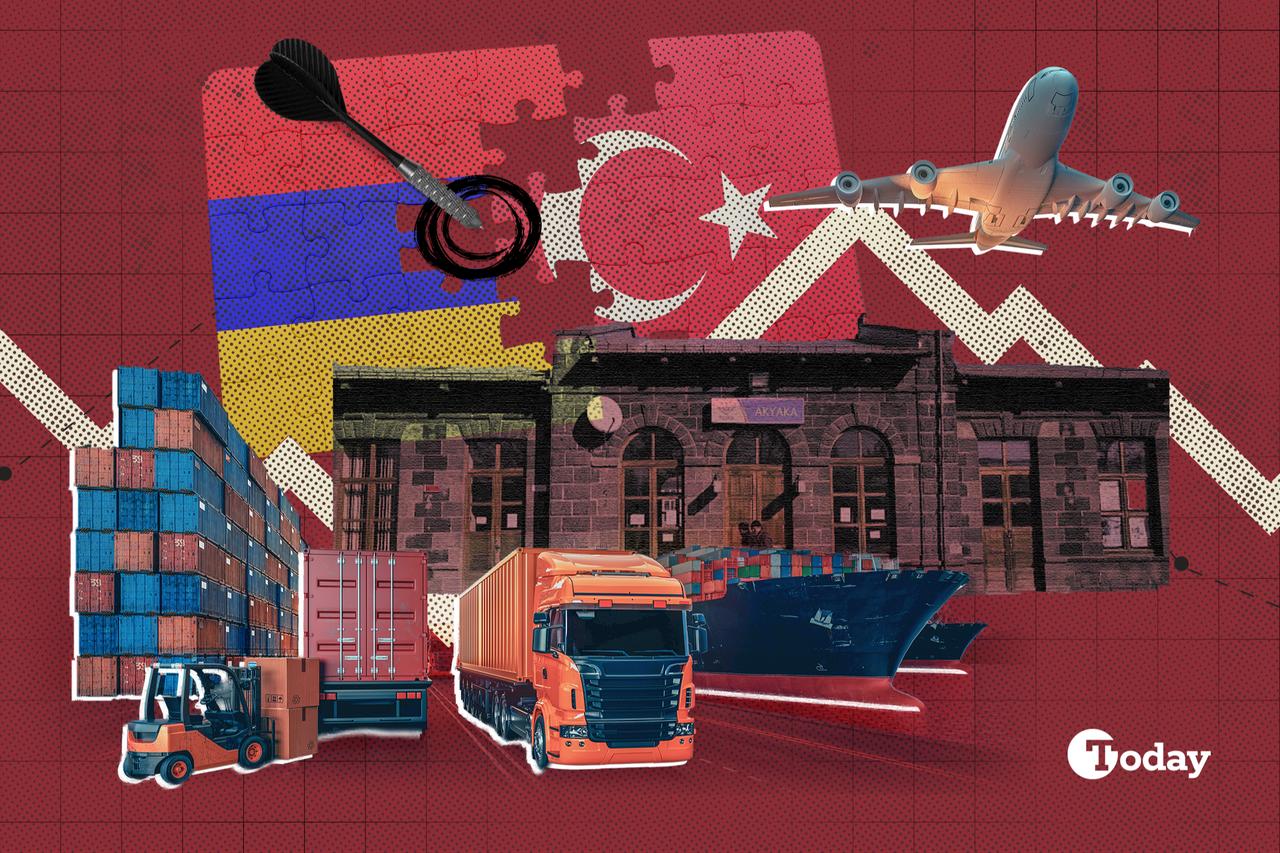


The relative easing of tensions in the South Caucasus in recent times has reached a critical stage with steps toward direct land trade between Türkiye and Armenia.
The structural disconnect created by the border closure, in place since 1993, has forced the parties to conduct trade through third countries; this has not only increased economic costs but also created a functional barrier to political normalization.
In particular, the indirect trade model conducted through Georgia has led to higher transaction costs, preventing bilateral economic relations from reaching their full potential.
At this point, the effective elimination of the “re-export” model and the ability to record Armenia as the final destination of shipments signify a strategic shift beyond a mere technical customs regulation.
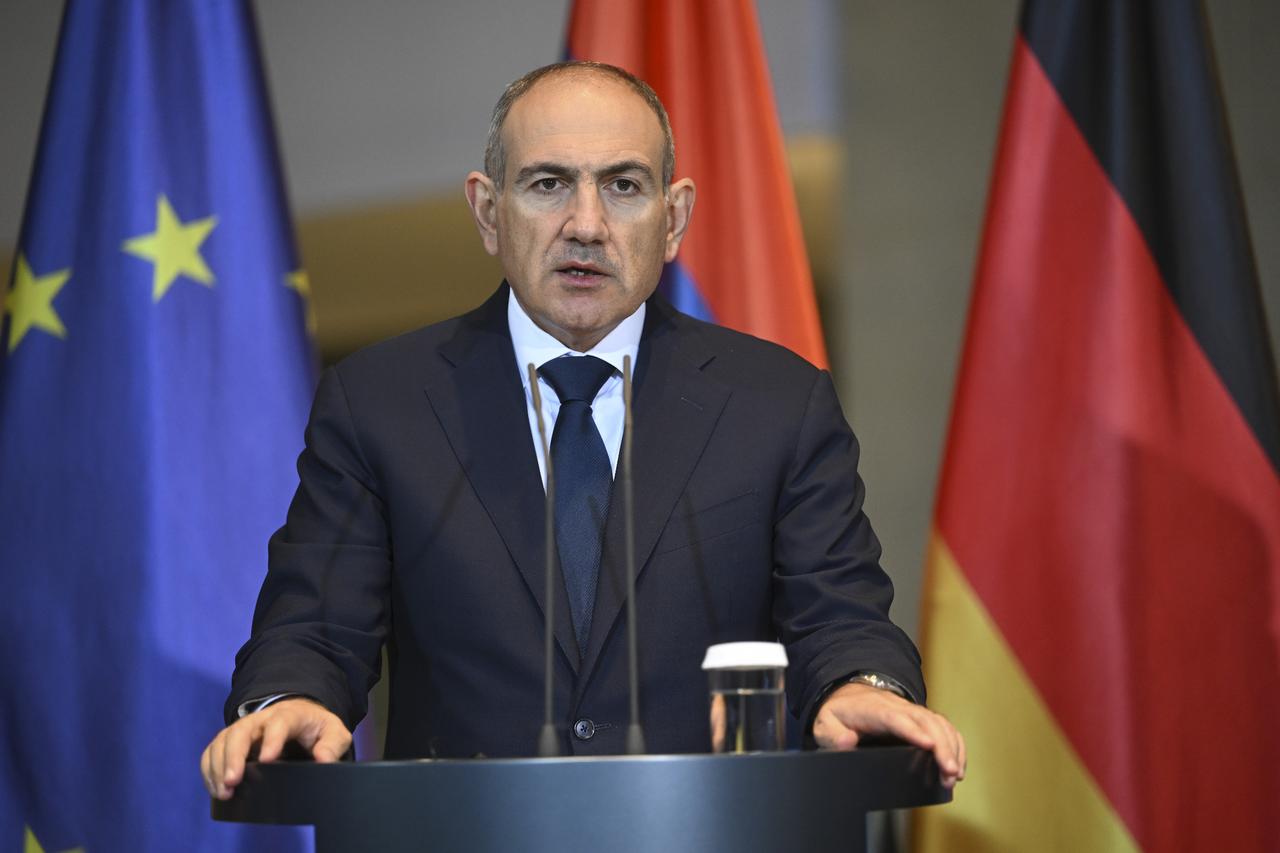
Indeed, Armenian Prime Minister Nikol Pashinian's recent statement, referring to the events of 1915, accusing Russia and emphasising that Armenia must move away from the paradigm of being a “victim of history”, indicates that Yerevan is seeking a more pragmatic and integration-focused foreign policy.
In this context, the facilitation of trade is an early sign of a multi-layered strategic repositioning that intersects with the Azerbaijan-Armenia peace process, the Middle Corridor competition, U.S. policy toward the region, and the West's regional connectivity agenda.
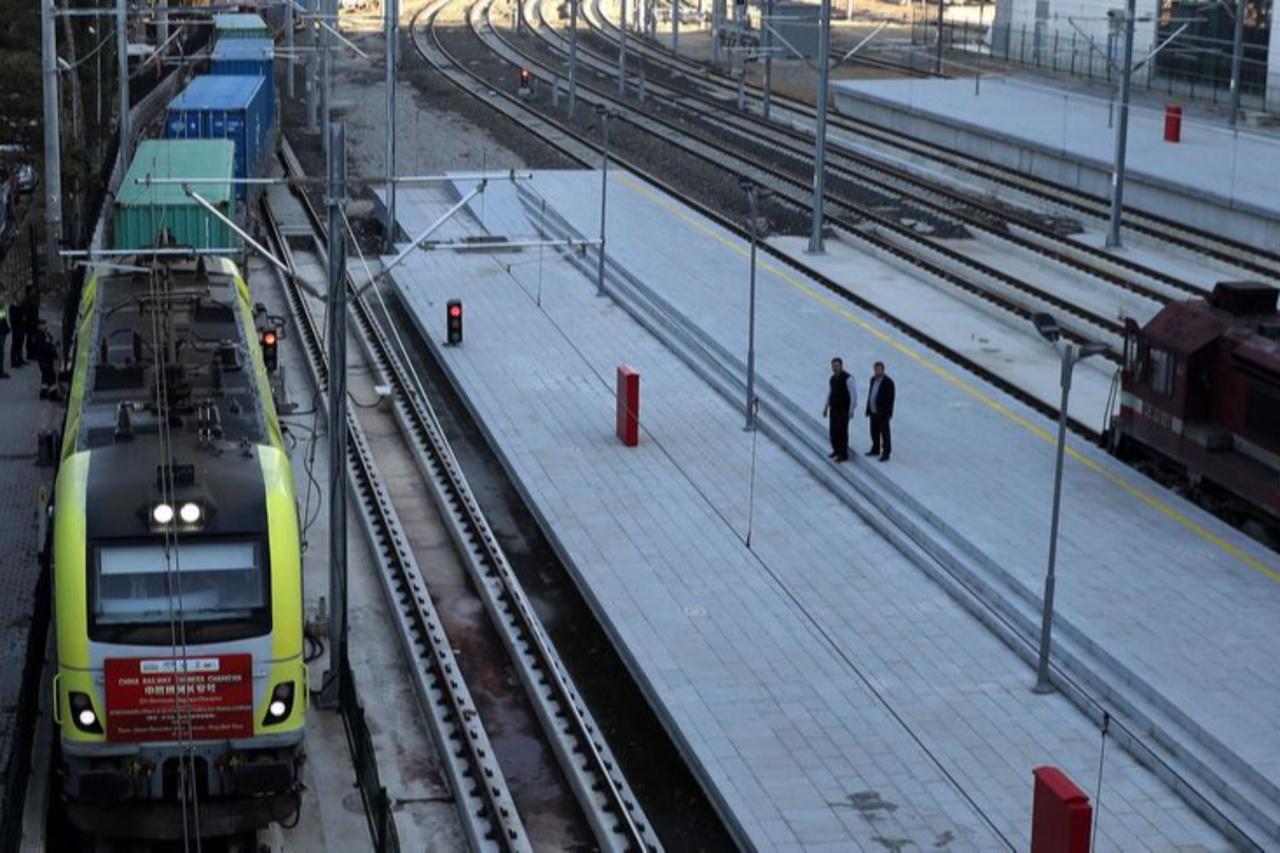
Technically, the transition to direct land trade between Türkiye and Armenia simplifies the logistics chain; however, such steps are primarily seen as the initial phase of “functional normalization.” Even in the absence of formal diplomatic relations, regular trade flows foster mutual dependence—a reliance that gradually diminishes the perception of political risk.
In this context, the latest steps taken indicate that the long-frozen channels of economic interaction in the South Caucasus are being reopened in a controlled manner. More importantly, the willingness of the parties to facilitate economic operations even before diplomatic normalization has been completed indicates that the model of “functional rapprochement” has been consciously chosen.
This approach is consistent with a gradual normalization strategy that aims to build trust in low-risk economic areas before taking high-political-cost steps.
Considering that the current trade volume is in the range of $300 million to $350 million and that the new system will bring a 10%-15% cost advantage, economic rationality can be expected to produce a functional lever that encourages political normalisation. Such cost reductions are likely to trigger a rapid expansion in trade volume, particularly within low- and medium-value-added sectors.
This expansion of economic interaction also creates a new area of contact, which could be termed “daily diplomacy.” The regular operation of commercial networks compels a broad ecosystem—ranging from logistics firms and customs administrations to border-region producers and financial institutions—into continuous mutual interaction.
Over time, this strengthens the perception of predictability and contributes to a reduction in the political risk premium. The significance of the current step taken on the Türkiye-Armenia route also stems largely from this capacity to generate structural trust.
In this context, the transition to direct land transport has three levels of significance. At the micro level, transaction costs are expected to fall, the supply chain to become simpler, and price competition to increase. Particularly in sectors that are already heavily traded, such as machinery, iron and steel, textiles and consumer goods, marginal cost reductions are likely to accelerate volume growth. Furthermore, the elimination of the requirement for intermediary firms may reduce market entry barriers for small and medium-sized exporters.
At the meso level, the most notable impact may emerge in border regions. To date, it is possible that trade, which has been centred on Türkiye's western provinces, may shift partially towards production and logistics centres in Eastern Anatolia. This situation could pave the way for the formation of new economic micro-basins based on border trade, particularly in Kars, Igdır and surrounding provinces.
Increased commercial activity in border regions could broaden both economic and social channels of contact, laying sociological groundwork for long-term normalisation.
At the macro level, this step is part of the process of reconfiguring the geo-economic architecture of the South Caucasus. The region is gradually evolving from a logic of closed borders and frozen conflicts towards one of transit corridors and mutual interdependence. The facilitation of Türkiye-Armenia trade is one of the early but important indicators of this transformation.
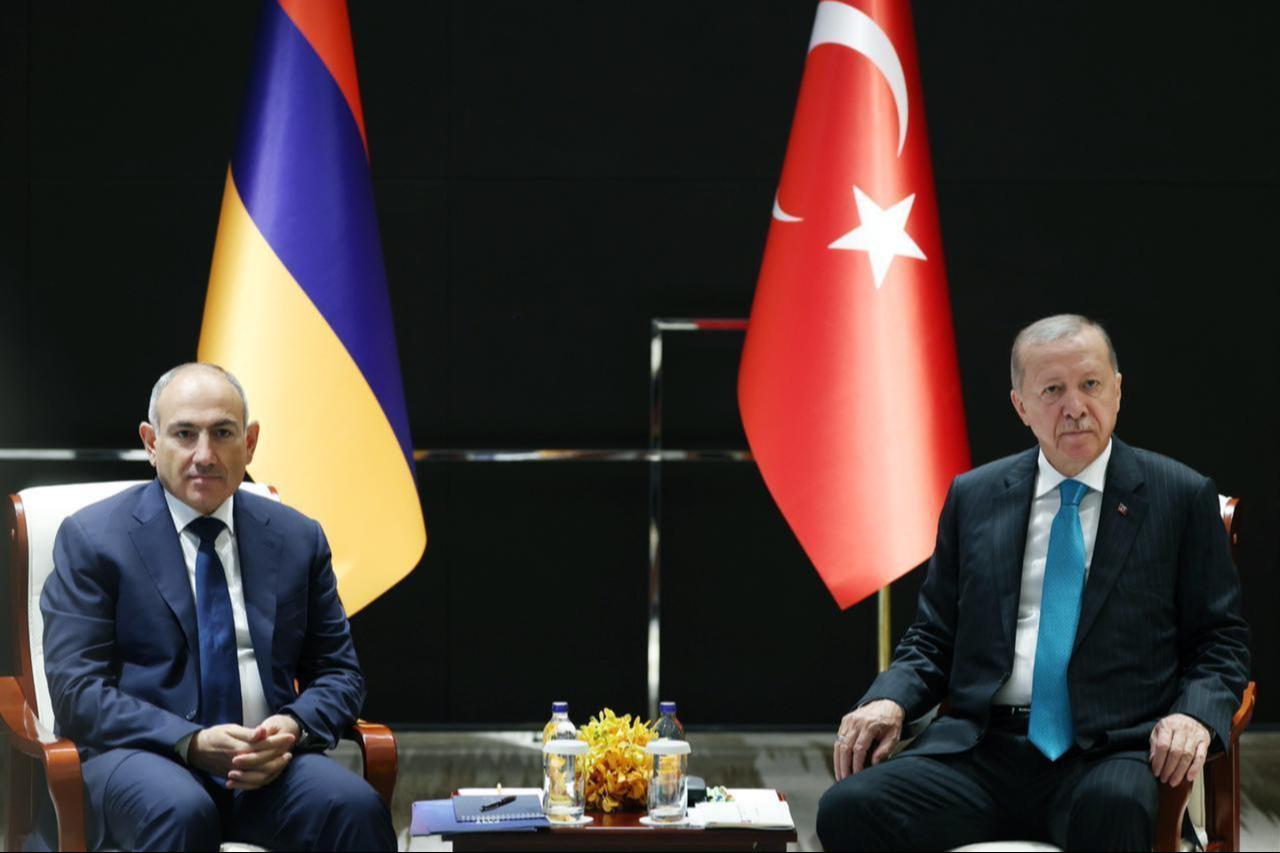

Explaining the decision to transition to direct land trade solely through bilateral economic rationality falls short analytically. This development is a concrete reflection of accelerating geo-economic competition in the South Caucasus and intersects with three main dynamics in particular: the institutionalisation process of the Middle Corridor, the U.S.' increasing regional engagement, and the European Union's connectivity-based strategic opening.
This three-way interaction is shifting the region from classic security-centered geopolitics towards a new geo-economic competition defined by logistics routes and trade flows.
The new balance of power that emerged after the Second Karabakh War has fundamentally transformed the status quo in the South Caucasus. The regional order, which for many years was shaped by closed borders and frozen conflicts, is increasingly evolving toward a search for integration based on the logic of transit corridors.
The renaming of the route, once framed as the “Zangezur Corridor,” as TRIPP indicates an attempt to remove the transport architecture from unilateral geopolitical projects and place it within a multilateral and internationalized framework. In this respect, TRIPP heralds a hybrid model in the South Caucasus that accommodates both competition and cooperation.
Thus, Türkiye's central position on the Middle Corridor is becoming even more apparent. Facilitating trade between Türkiye and Armenia is a complementary step that supports Ankara's vision of regional connectivity. Türkiye is strengthening its claim to be both a transit bridge on the East-West axis and a “distribution center” at the intersection of multiple logistics routes. From this perspective, the normalization of land trade provides Ankara with significant geostrategic flexibility.
Türkiye is now moving toward a position where it is no longer solely dependent on the Azerbaijan route in the South Caucasus transport networks, but can also exert influence through alternative routes. This situation can create a structural advantage that broadens the room for manoeuvre in times of crisis and increases regional game-changing capacity.
The increase in the value of transit countries is also one of the most critical outcomes of this process. When considered alongside the institutionalisation of the Middle Corridor through the TRIPP initiative, Türkiye's indispensability in the Europe-Asia logistics chain could be reinforced. The new transit architecture brings Türkiye closer to the status of an “essential transit country” at a time when the diversification of supply chains is gaining importance on a global scale.
Especially in the current climate, where the search for alternative routes for energy, critical minerals, and high-volume container transport is accelerating, Türkiye’s geo-economic value is poised to expand on a Eurasian scale.
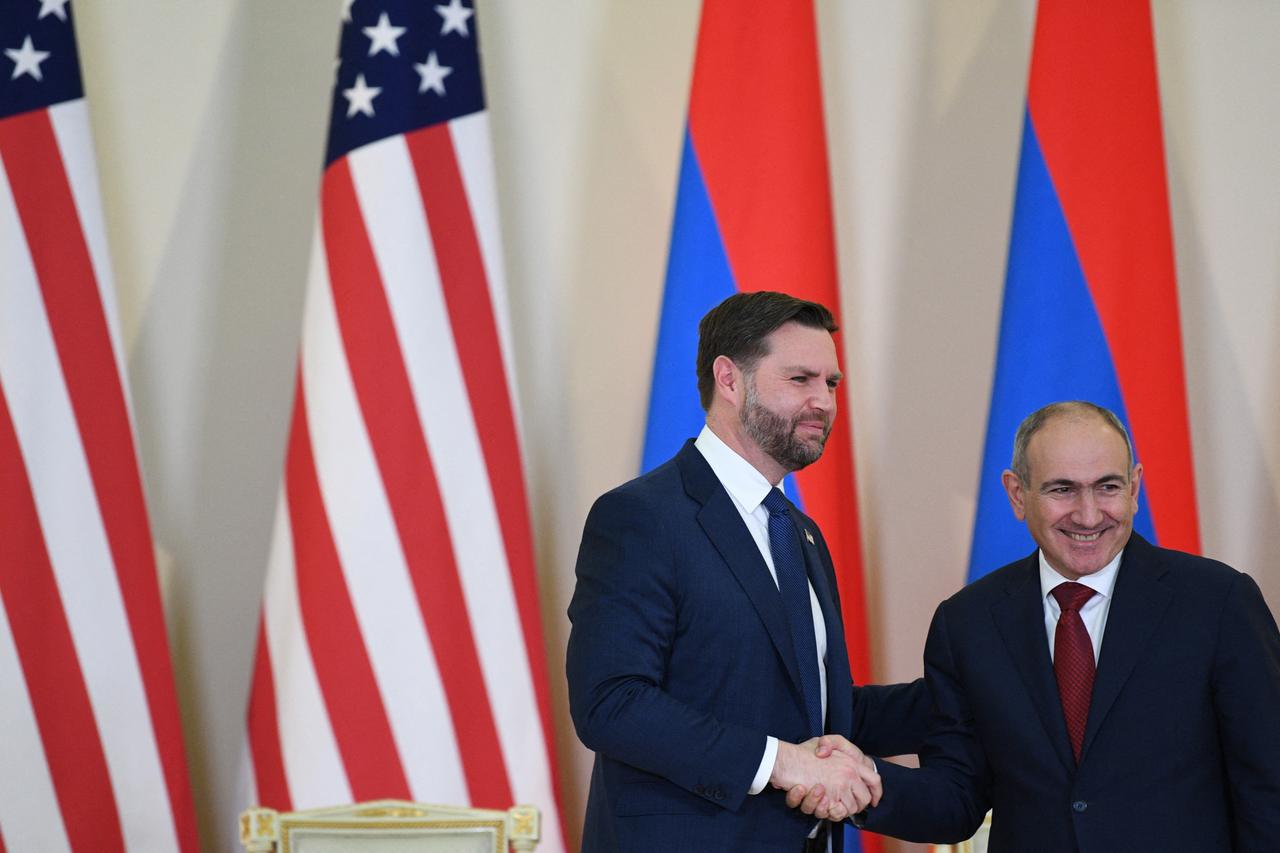
The expansion of the area of coordination with the West strengthens the diplomatic dimension of the process. The United States' peace and integration-focused initiatives in the South Caucasus and the European Union's connectivity projects overlap to a certain extent with Ankara's long-standing Middle Corridor vision.
The facilitation of trade between Türkiye and Armenia can be seen as a pragmatic step that concretizes this area of overlap. This development is also in line with Türkiye's multidimensional foreign policy approach, which simultaneously pursues competition and cooperation with the West. However, whether this coordination will translate into lasting strategic rapprochement will largely depend on political progress on the ground.
However, the risks inherent in the process should not be overlooked. South Caucasus remains a fragile geopolitical basin where multi-actor power competition is intensifying. Russia has not entirely lost its traditional sphere of influence in the region and is cautiously approaching the development of transport routes outside its control.
While not rejecting the Middle Corridor, China is strategically monitoring its development to ensure it complements, rather than competes with, existing Belt and Road Initiative (BRI) routes.
Therefore, the sustainability of the process largely depends on the deepening of the ongoing peace negotiations between Azerbaijan and Armenia and the establishment of solid stability on the ground. Should new tensions arise along the Baku-Yerevan axis, connectivity projects in the South Caucasus could quickly come under pressure from geopolitical competition.
Conversely, if the peace process becomes institutionalised, the current steps toward commercial normalization have the potential to form the core of regional economic integration.


 Set as preferred source
 Set as preferred source


 1 min read
 1 min read



