Newsletters




Armenia is politically and technically ready to open its border with Türkiye at any time, Armenian Deputy Foreign Minister Vahan Kostanyan said, but added that the next step now depends on the Turkish side.
The normalization process between the two countries remains stalled on the ground despite recent diplomatic momentum.
Speaking to CNN TURK during the Antalya Diplomacy Forum, Kostanyan said the current focus is on the Alican border gate, while technical work also continues on reopening railway links between the two neighbors.
“We are politically and technically ready to open the border at any moment,” Kostanyan said. “However, I think this question should be directed to the Turkish side.”
Kostanyan said Armenia and Türkiye had already agreed since 2022 to open the border for diplomatic passport holders and third-country nationals, and that both sides had repeatedly reaffirmed that understanding.
He said Armenia now expects those agreements to be implemented in practice.
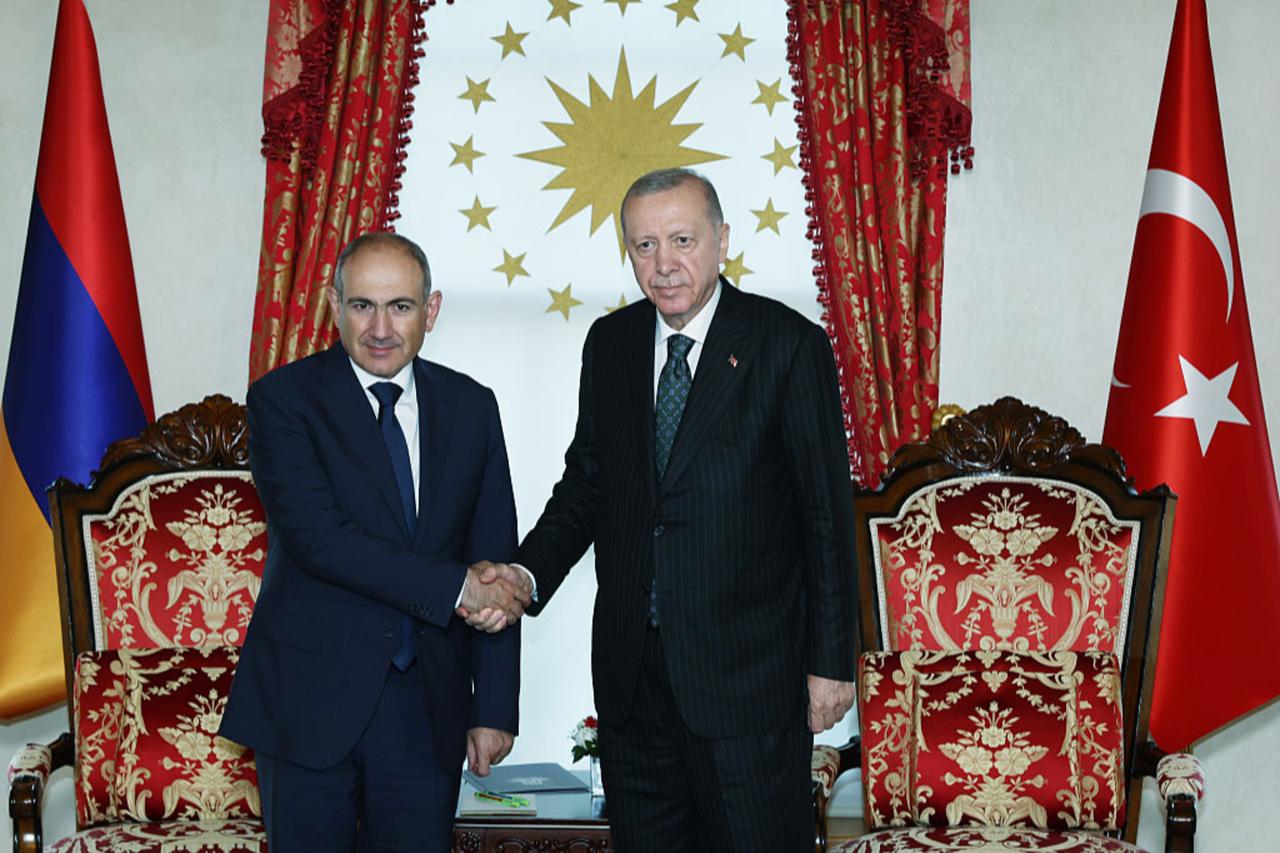
Kostanyan said Armenian Prime Minister Nikol Pashinian’s official visit to Türkiye on June 20 gave new momentum to the relationship.
He described it as a historic visit and said it was the first official prime minister-level visit from Armenia to Türkiye with a bilateral agenda since Armenia’s independence.
But he said that despite that political progress, the situation on the ground in Armenia-Türkiye relations remains unchanged.
“Unfortunately, Armenia-Türkiye relations on the ground are still in the same condition as one, two, three years ago,” he said.
He said Türkiye’s completion of infrastructure work had been important, but added that Armenia is now waiting for implementation in the field.

Asked whether Alican and Akyaka could open at the same time, Kostanyan said the current discussion is focused on Alican.
He added that technical experts from both sides met last year to discuss the possibility of reopening railway links, and that expert groups are continuing their work and are expected to meet again in the near future.
Kostanyan said the worsening regional security environment should serve as an added motivation for Armenia and Türkiye to open the border.
“This should strengthen stability in the region,” he said.
He also noted that the border, closed since 1993, has occasionally opened for humanitarian purposes, including after the earthquake, when it was used for search and rescue teams and aid deliveries to Türkiye and Syria.
He said the border has too often opened only in times of crisis and argued that it should be fully open in times of prosperity as well.
Kostanyan linked the importance of the Armenia-Türkiye border directly to the regional fallout from the war involving Iran.
He said Armenia has not yet faced major immediate difficulties because of the effective closure of the Strait of Hormuz and the U.S. blockade, despite its large trade volume with Iran.
But he warned that over the longer term, the consequences could affect the whole region, including both Armenia and Türkiye.
“For this reason, in this context, the opening of the border between Armenia and Türkiye is very important,” he said. “This could be an important gain for both countries and a very important factor for stability not only in the South Caucasus but in the wider region.”
Asked about Iran’s warning that it could halt maritime trade in the Gulf and Red Sea if the blockade continues, Kostanyan said such developments would create turbulence not only for the region but on a global scale.
He said Armenia hopes negotiations between the parties will produce positive results.
Addressing the broader regional crisis, Kostanyan emphasized that stability remains critical for Armenia’s national interests.
He characterized the United States as a strategic partner while identifying Iran as another vital collaborator for the nation. Regarding ongoing regional tensions, Kostanyan expressed Armenia’s hope that all parties can reach a final agreement, maintaining that diplomacy is the sole path forward.
“We believe that the only way to overcome differences is through a diplomatic solution,” he affirmed. He further noted that Armenia appreciates international efforts to bring opposing sides together to seek resolutions for long-standing and complex issues.
Kostanyan said direct trade, tourism and connectivity could create major opportunities for the region.
He said new economic and logistical networks stretching between Europe, Central Asia and China could be important for regional development.
He also referred to the project he called TRIPP, or “Trump Route for International Peace and Prosperity,” saying that agreed terminology should be preserved.
According to Kostanyan, the agreements reached in Washington on Aug. 8 are important and backed by the U.S., and all sides need to remain committed to that peace declaration.
He said the two key elements of that declaration are inclusiveness and preserving the agreed terminology.
Turning to Armenia-Azerbaijan relations, Kostanyan said he sees no legal obstacle to signing the agreed peace treaty between the two countries.
He said constitutional questions are an internal Armenian matter.
“Since 2018, discussions on a new constitution have continued, and the government plans to publish the draft text soon,” he said.
He also said the upcoming June 7 parliamentary election in Armenia will be the first election held in a period of peace with Azerbaijan, and described that as notable given the deterioration in the wider regional security environment.
Kostanyan said relations between Armenia and Azerbaijan are moving in a positive direction and that the calm border carries symbolic and practical importance.
He also said it was meaningful that the foreign ministers of the two countries reaffirmed their commitment to peace when the developments around Iran began.
On the issue of the Zangezur corridor, which he referred to by its new name, the “Trump Route for International Peace and Prosperity,” Kostanyan said he does not view it as a demand because an agreement had already been reached on Aug. 8.
He said both Armenia and Azerbaijan attach great importance to reopening communication lines and that the process is drawing interest from Türkiye, the broader region and global actors.
He added that Armenia is working with the United States on implementation and said a joint Armenian-American initiative is planned.
According to Kostanyan, the implementation framework was adopted on Jan. 13, feasibility studies are underway, a U.S. company has taken on the process, financing work is continuing, and presentations for international investors are expected soon.
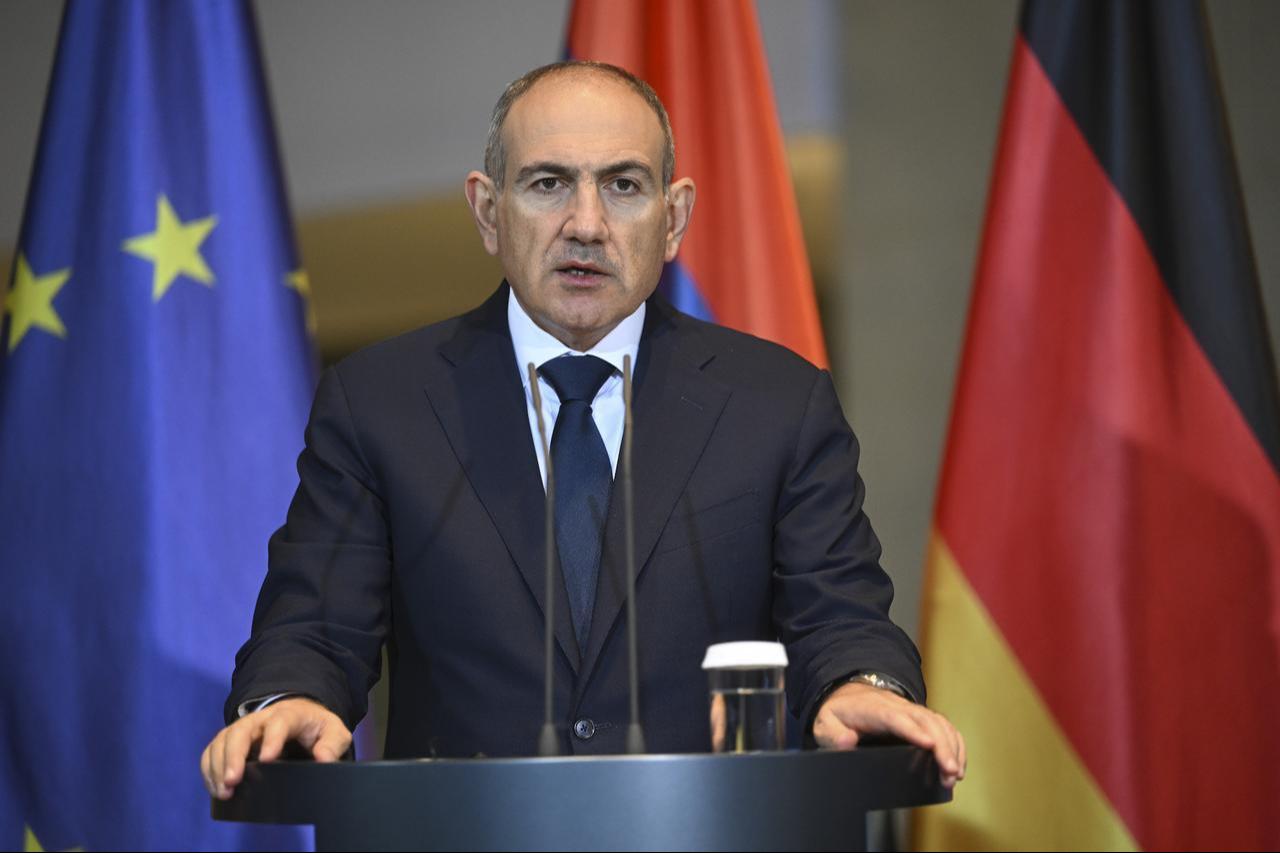
Asked when diplomatic relations with Türkiye would be formally established and when ambassadors might be appointed, Kostanyan said Armenia is ready.
He said if the matter depended only on Armenia, the process could have been completed even yesterday.
“If it depended only on Armenia, this process could have been completed even yesterday,” he said.
He added that Armenia is determined to achieve full normalization with Türkiye and said that many names would be ready to seek an ambassadorial role once diplomatic relations are established.
For now, he said, normalization must move forward as a two-sided process.


 Set as preferred source
 Set as preferred source


 1 min read
 1 min read