Newsletters


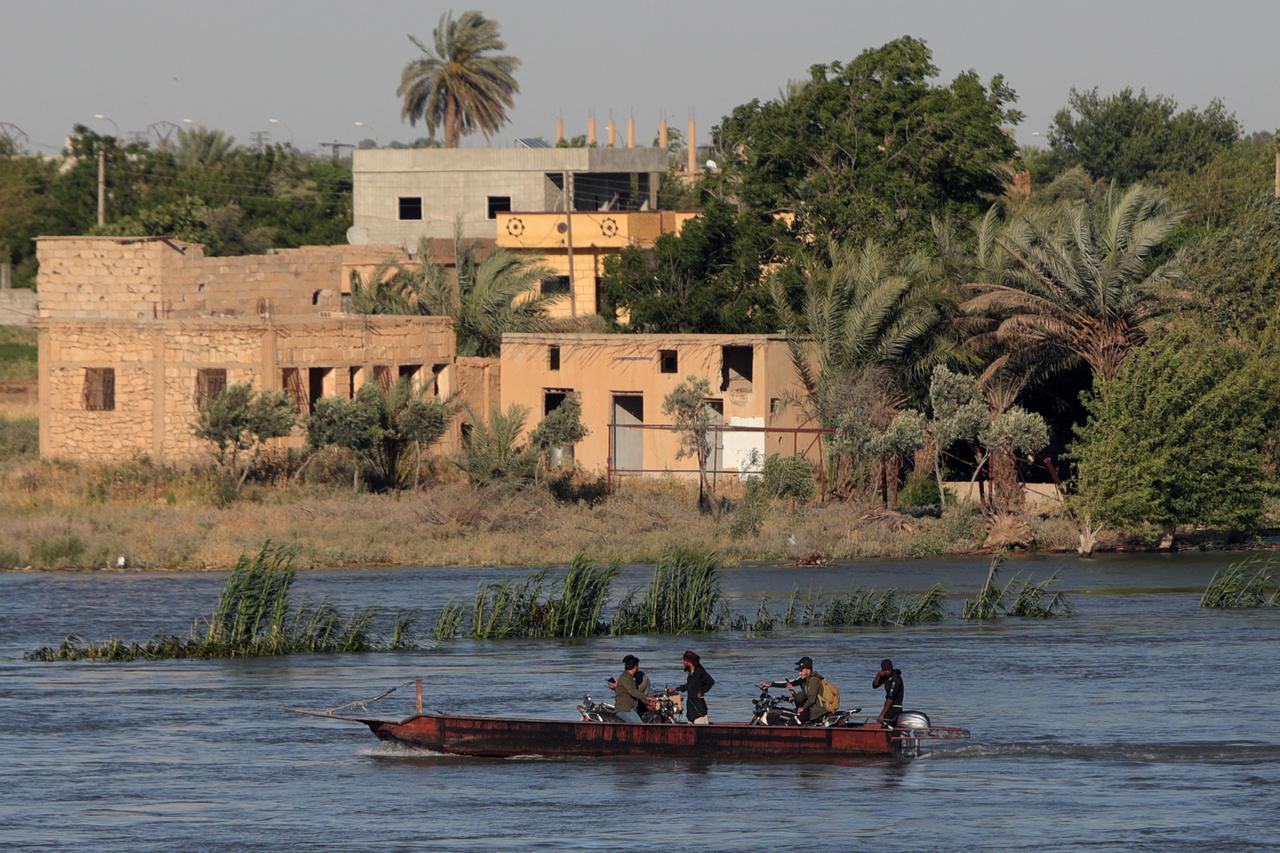


After Türkiye released water downstream from its dams, a large swath of land in Syria’s eastern regions was flooded, damaging crucial agricultural lands and harming the livelihoods of over 2,000 people.
Despite warnings by the Syrian Emergency Ministry, three children drowned during the floods. Why did Türkiye release water, and why did it cause such destruction?
Türkiye has experienced unusually intense rainfall events in recent months, with several regions recording precipitation levels that rank among the highest observed in decades.
Rainfall during the 2026 winter season reached its highest level in 66 years, significantly exceeding seasonal averages across the Mediterranean, Aegean, and Southeastern Anatolia regions.
While the increased rainfall has provided much-needed relief for reservoirs, agriculture, and groundwater resources, it has also heightened the risk of flooding, landslides, and other weather-related disasters.
A year ago, Türkiye witnessed a drought season, and many dams were almost empty. But this year’s rainfall filled many dams in Türkiye.
As reservoir capacities reached critical limits, Türkiye was forced to initiate controlled water releases from several major dams across the country. The operations received extensive coverage across Turkish media, accompanied by a series of public briefings from government officials.
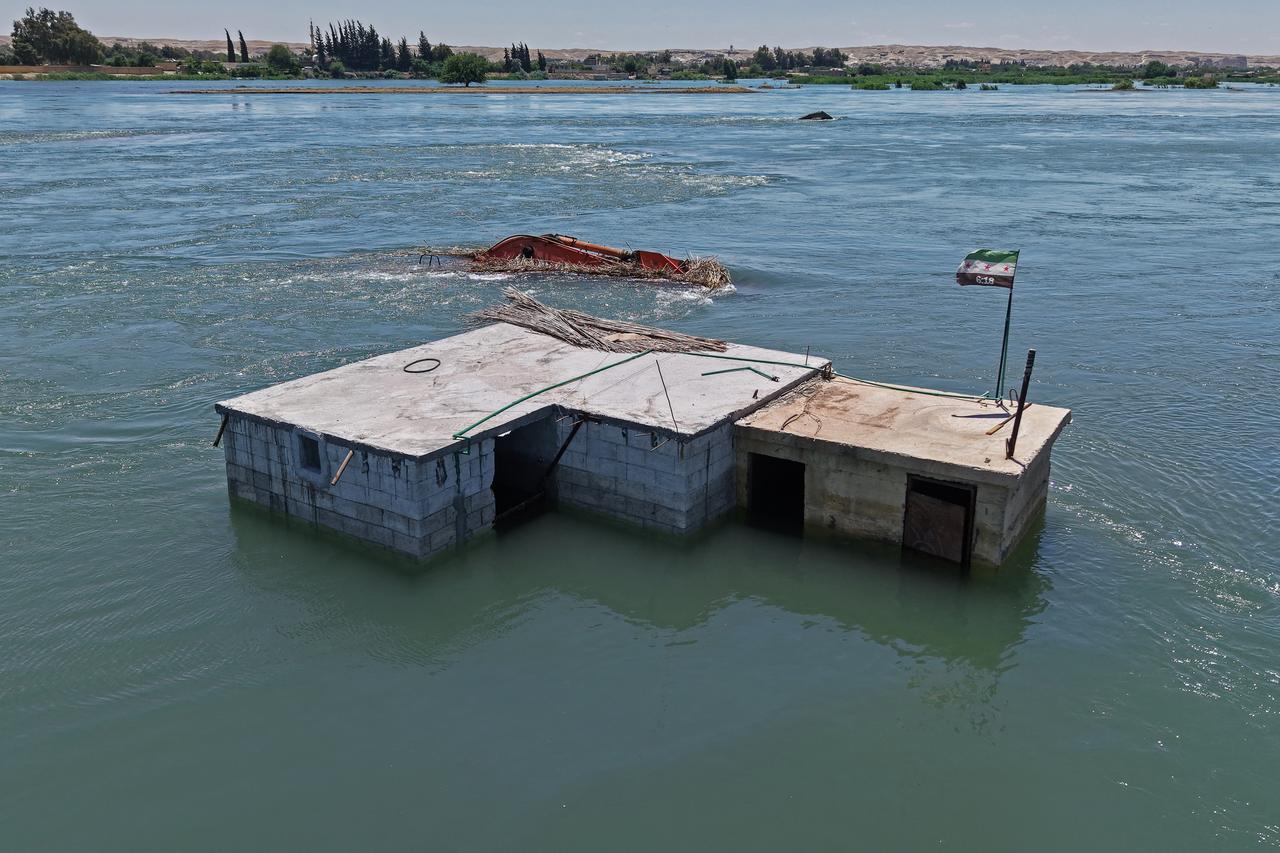

However, a disaster occurred when it came time to release water from the dams on the Euphrates River.
Although Turkish media had reported on the intent, a decades-old warning mechanism between Türkiye and Syria was never activated. While the mechanism existed, it had reportedly sat unused for decades.
The war in Syria and the lack of direct and systematic relations between Türkiye and Syria until the fall of the Assad regime further contributed to this mishap.
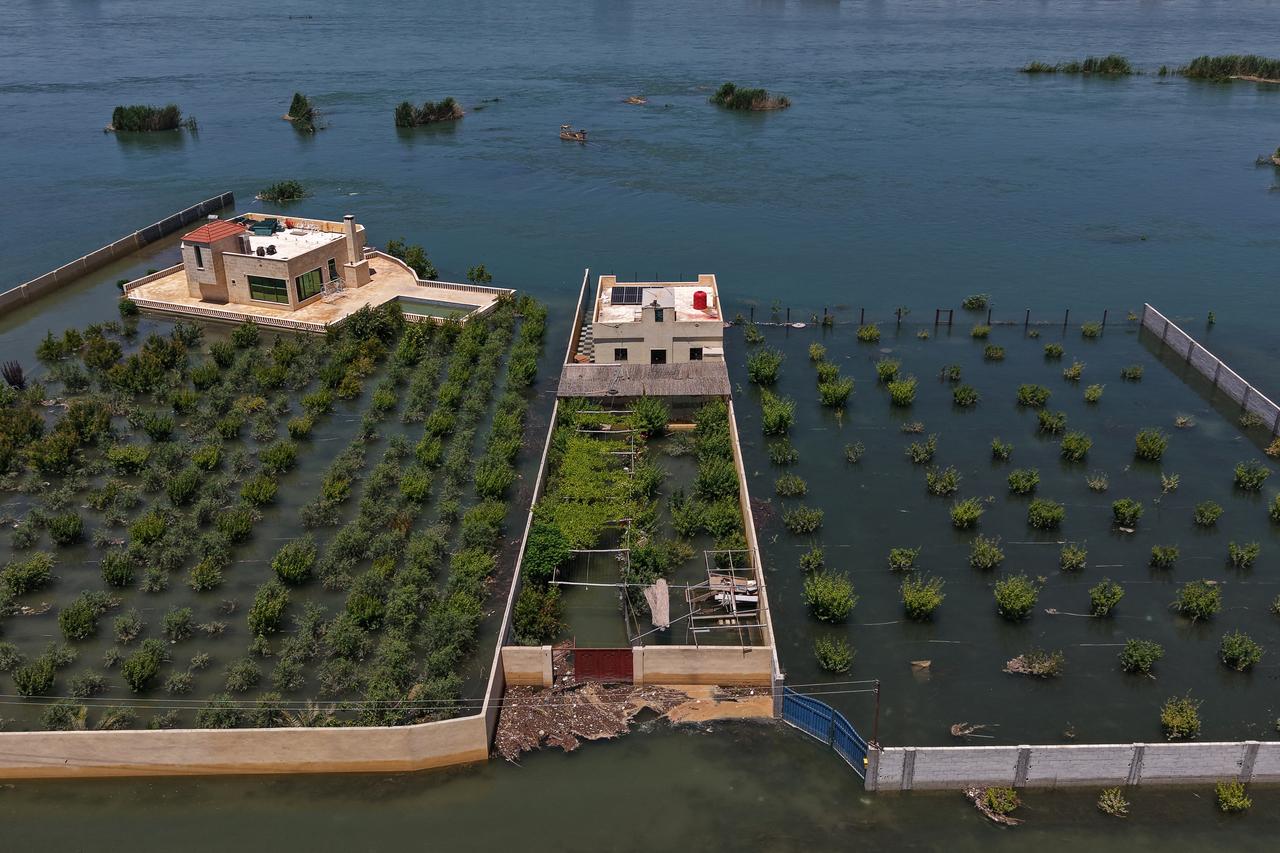
Even though the mechanism was bypassed, warnings from the Syrian Emergency Ministry indicate that Syrian authorities were aware of the approaching water streams.
However, despite the warnings, civilians and state institutions could do little. Syria's water infrastructure is largely outdated and insufficient, leaving a country accustomed to drought entirely unprepared for heavy rainfall.
Therefore, while criticism against Türkiye for failing to use the old warning mechanism may be technically valid, it is inaccurate to say the Syrian side was completely unwarned.
Amid the torrential rainfall, there was little either the Turkish or Syrian sides could realistically do.
Ultimately, water dams remain highly profitable assets and a vital foundation for both Turkish and Syrian infrastructure. What occurred in this instance was simply an overwhelming natural phenomenon.


 Set as preferred source
 Set as preferred source



 7 min read