Newsletters





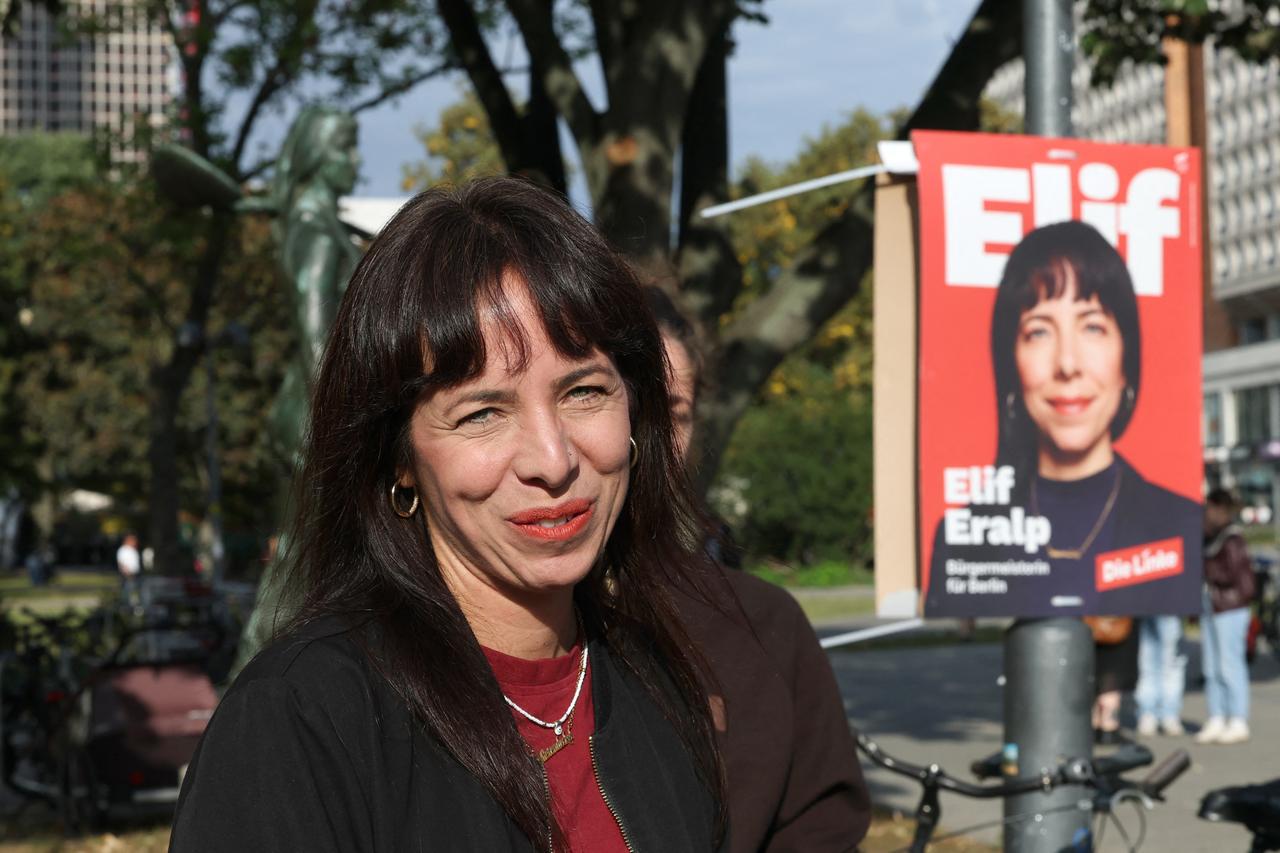
"In our city, love and justice have triumphed over hatred," Elif Eralp declared to a roaring crowd.
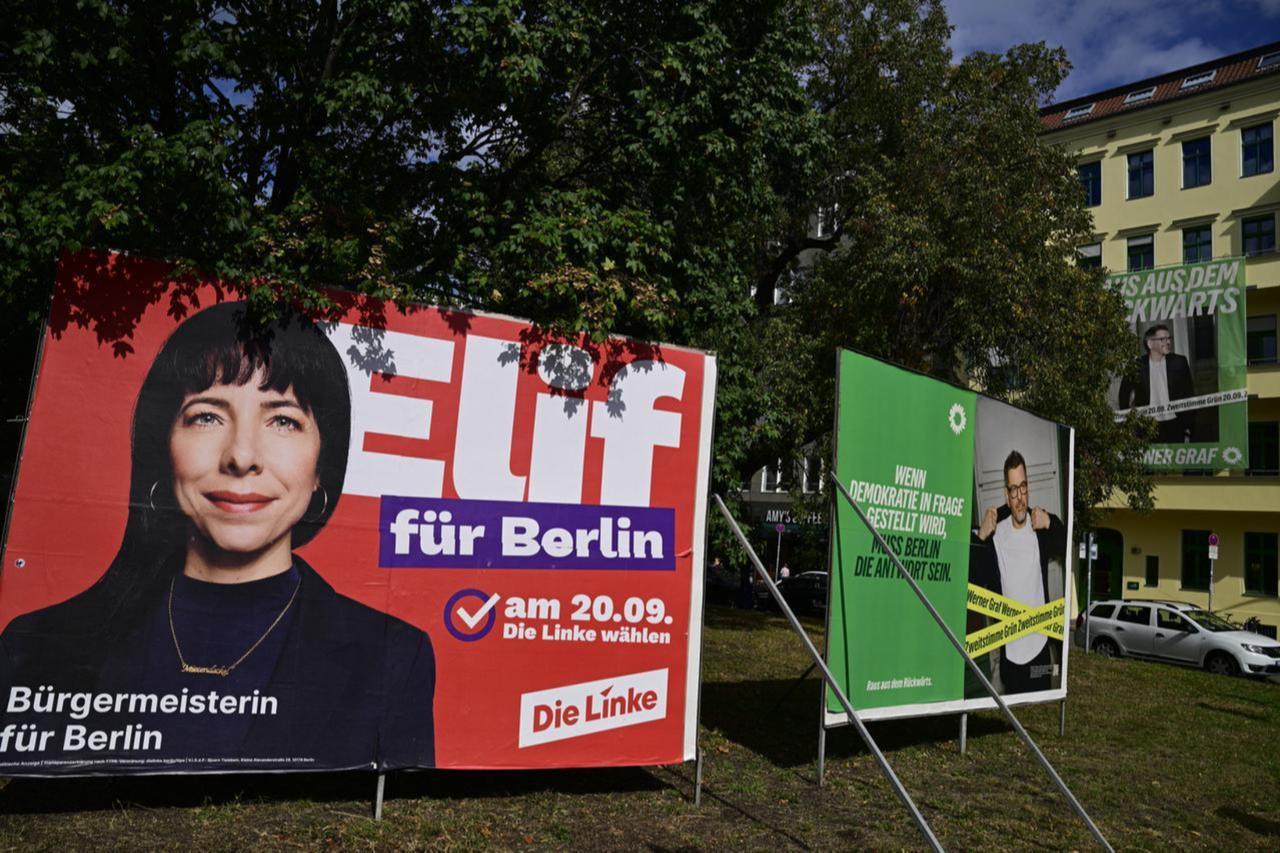
The 45-year-old lawyer leading The Left Party (Die Linke) in Berlin's state electionaddressed a packed hall at Festsaal Kreuzberg on the night of Sept. 20, switching between German and Turkish as she celebrated an astonishing upset.
Die Linke won first place with 25.7% of the vote, defeating Kai Wegner's Christian Democratic Union (CDU) at 18.8%. While the far-right Alternative for Germany (AfD) surged to 16.3% by blaming immigrants for the housing shortage, a 74.2% turnout among renters carried the left to victory.
Celebrating Eralp simply as Berlin's first Turkish-origin mayor misses why ordinary tenants mobilized for her. Her breakthrough was built on kitchen-table economics.
Raised by socialist trade unionists and trained as a legal adviser in the federal parliament, Eralp proved that organizing residents around affordable housing could cut through cultural divisions, even as centrists offered moral lectures and the far right blamed migrants.
For decades, Berlin's established parties took immigrant voters for granted. The Social Democrats and the Greens offered diversity photo opportunities while lecturing families about integration.
The Christian Democratic Union courted business lobbies while ignoring predatory landlords. Rents steadily outpaced wages across working-class districts.

The parallels between Eralp and Zohran Mamdani go beyond campaign tactics. Both grew up in politicized immigrant homes.
Mamdani's family fled Uganda to New York, while Eralp's parents left Türkiye after the 1980 coup. Neither politician accepted being treated as a token for party elites.
That shared instinct drew Berlin organizers to Queens. There, socialist assembly member Mamdani showed that organizing around rent dissolves ethnic divisions.
In early 2026, Die Linke sent a team to New York to study his operation. The lesson was straightforward. Corporate landlords raise rents across immigrant and German neighborhoods alike.
The Mamdani ground game gave that idea scale across Berlin. Over six weeks, more than 2,000 volunteers knocked on thousands of doors, tracking broken heaters and illegal rent hikes.
Identity arguments quietly dissolved. Doorstep conversations turned toward documenting chronic landlord neglect.
Canvassers tapped into a crisis that had been building for years. Asking rents jumped 44.5% over five years to €18.5 ($21.2) per square meter in 2026. Average households spent over 40% of their income on rent.
By focusing on everyday costs, Eralp united divided neighborhoods. Die Linke swept immigrant wards across North Neukölln, Kreuzberg, and Wedding alongside student precincts in Friedrichshain, winning Eralp a 50.4% direct mandate.
The campaign broke the far right's claim on working-class anger. While the AfD took 16.3% in outer districts, Eralp directed economic frustration toward corporate landlords. Centrist support eroded as the Social Democratic Party slid to 12.1%, offering rhetoric while landlords raised rents.
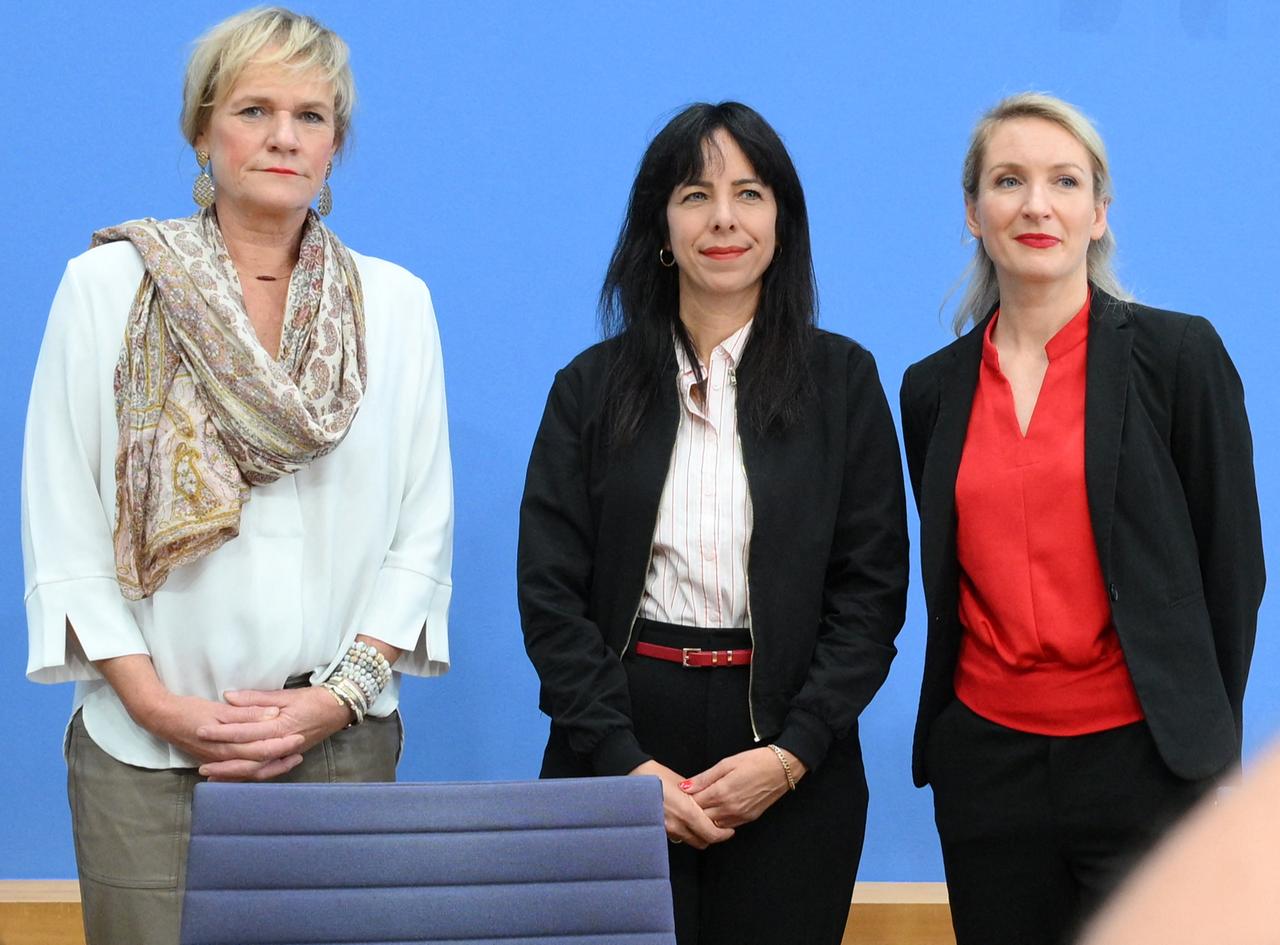
Eralp now holds the keys to Berlin's city hall. Her coalition terms are clear: Berlin must implement the 2021 referendum and bring 240,000 corporate-owned apartments into public hands under Article 15 of the Grundgesetz.
What began as a grassroots tenant campaign has become official governing policy.
To be sure, centrist critics argue that Berlin remains a unique outlier. Outgoing Mayor Kai Wegner insists that radical tenant politics only work in a city where 85% of residents rent, claiming such tactics cannot scale to homeowner-heavy western states. Centrists warn that municipal socialism offers no viable model for national competitiveness.
The financial hurdles are formidable. Buying back corporate housing carries compensation costs between €13.7 billion and €36 billion, according to the Senate Expert Commission. Because Germany's constitutional debt brake strictly limits state borrowing, bringing hundreds of thousands of corporate apartments into public ownership faces an immediate legal battle before the Federal Constitutional Court in Karlsruhe.
Eralp also faces resistance from commercial property lobbies. Turkish-German shopkeepers and business owners have warned that blanket rent caps threaten small commercial property investments.

Writing off Eralp's victory as a Berlin exception misses a larger crisis. Across Europe, center-left parties have lost working-class voters by preaching about cultural values while living costs soar. By focusing on kitchen-table economics, Die Linke proved that voters return to the left when it defends their wallets.
The result offers a roadmap for beating the far right. The AfD gained ground by framing the housing crisis as a clash between native workers and immigrants.
Eralp dismantled that claim by targeting corporate landlords, showing that progressives can win back working-class voters without copying right-wing rhetoric on migration.
However, winning is only the first step. If Die Linke fails to turn its housing mandate into lower rents, frustrated tenants could easily drift back to political apathy or the far right.
For progressive parties watching Berlin, the lesson is straightforward. Winning working-class majorities means organizing around everyday survival, but keeping them requires real governing results.


 Set as preferred source
 Set as preferred source


 2 min read

 1 min read