Newsletters


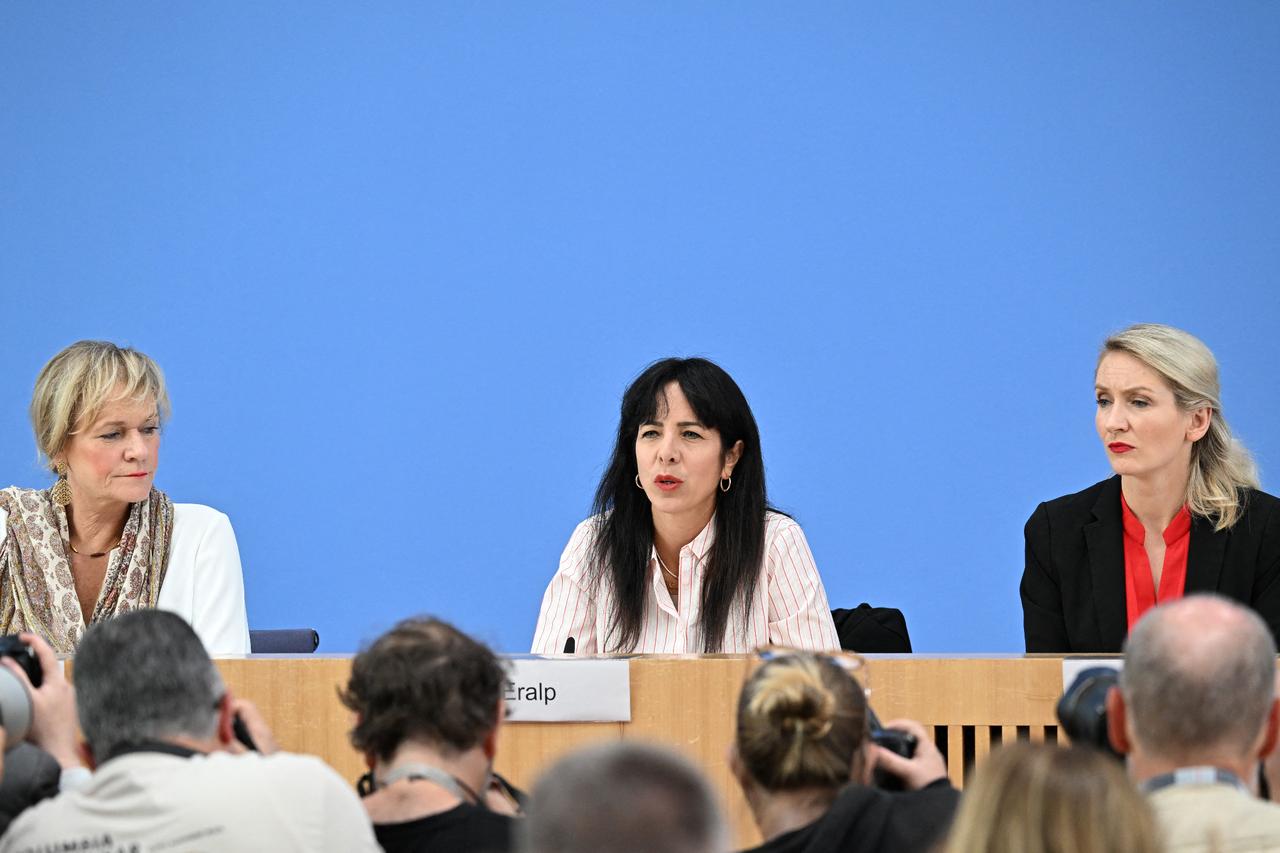


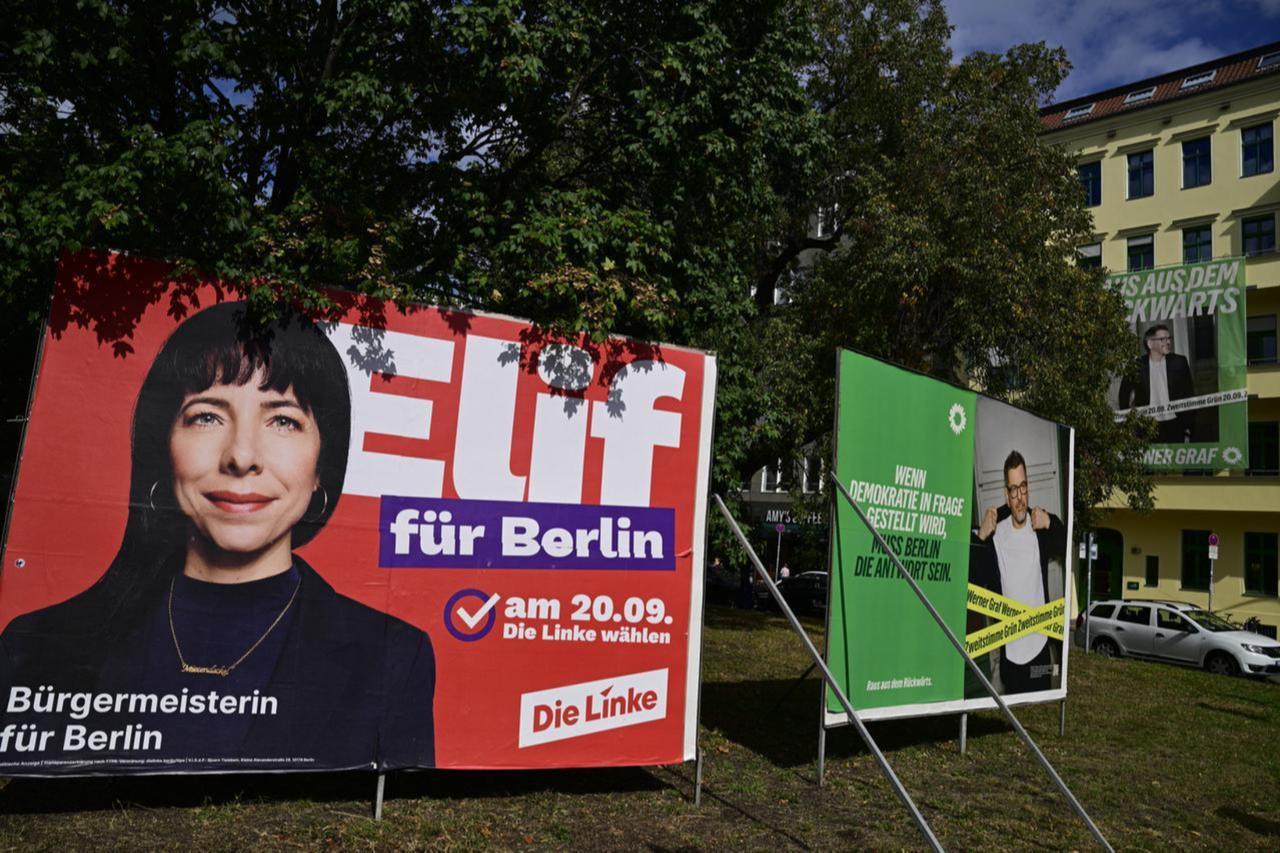
Elif Eralp, the Left Party’s candidate for Berlin mayor after the party finished first in the Sept. 20 state election, has rejected accusations of antisemitism against her party, saying criticism of Israeli Prime Minister Benjamin Netanyahu’s government should not be equated with hostility toward Jewish people.
The dispute has become a key issue in coalition talks after the Left Party won 25.7% of the vote but fell short of the majority needed to govern alone.
Josef Schuster, president of the Central Council of Jews in Germany, called on the Social Democrats, or SPD, and Greens not to form a government with the Left Party, citing antisemitic slogans during the campaign and concerns over the party’s response to antisemitism.
Israel’s ambassador to Berlin, Ron Prosor, also said the party’s election success should concern the Jewish community, describing antisemitism within the party as a “direct existential threat” to Jewish life in Berlin.
The SPD and Greens have made the issue part of coalition discussions. Green Party co-leader Felix Banaszak said his party was open to a coalition with the Left Party and SPD but demanded a clear commitment to combating antisemitism.
CDU politician Serap Guler also criticized Left Party voters after the election, writing on X that “at least 24.5% of Berliners have no problem with antisemitism.”
German media, including Welt and public broadcaster ZDF, have also reported extensively on allegations of antisemitism within the Left Party.
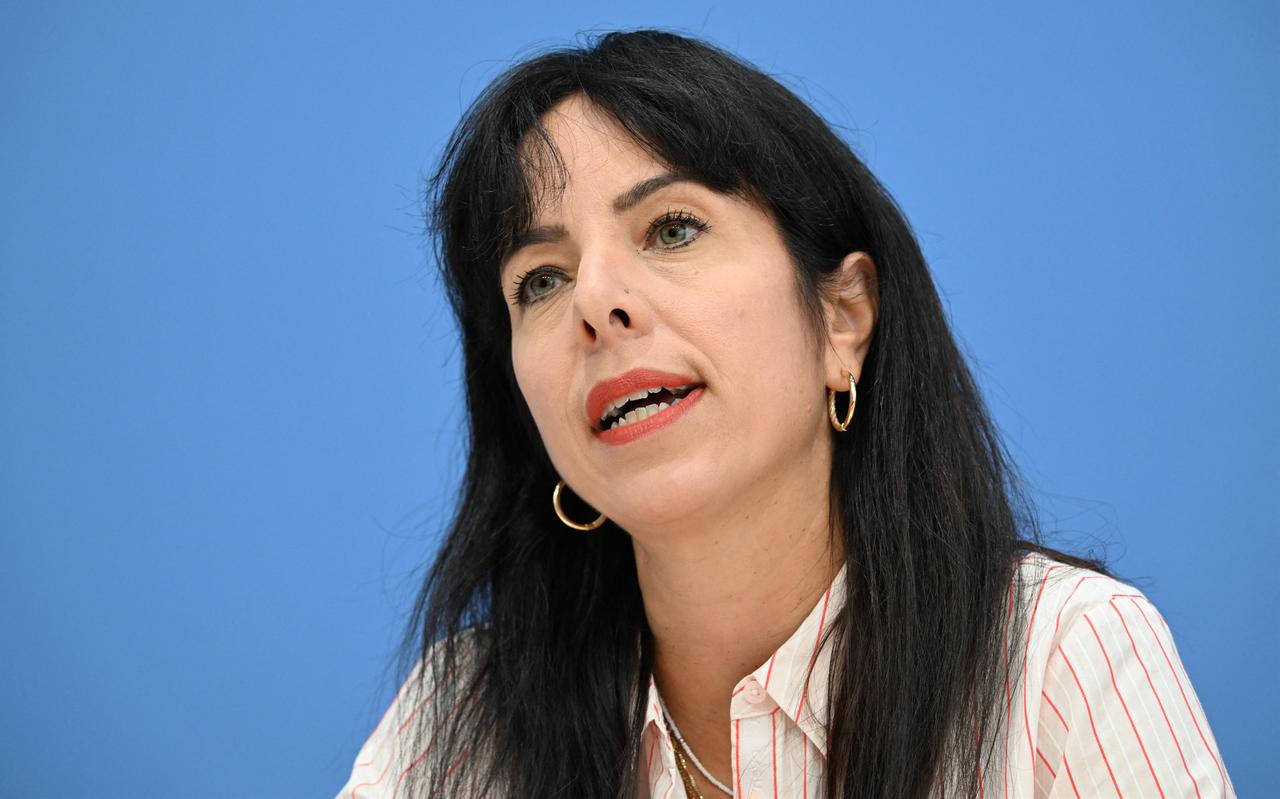

The Left Party says criticism of Israel’s government should be distinguished from antisemitism.
Party co-chair Ines Schwerdtner said criticism of the Israeli government and military was “not equivalent to antisemitism” and accused the CDU of using the issue for political purposes.
Eralp also rejected the allegations.
“We clearly oppose the use of criticism of the Israeli government as a tool. We also oppose every form of antisemitism,” she said, adding that the two issues should be clearly separated.
During the campaign, Eralp presented a five-point plan to protect Jewish life in Berlin, including measures to protect Jewish institutions, increase visibility and combat antisemitism.
Left Party parliamentary leader Heidi Reichinnek also said anyone crossing the party’s “red line” on antisemitism had no place in the party.
In a separate interview with Turkish state-run Anadolu Agency, Eralp said the scale of the election victory exceeded her expectations and thanked voters with migrant backgrounds for their support.
She said Palestinians and Muslims in Germany often do not feel sufficiently represented and argued that politics should represent all groups, including Muslims, Palestinians and Jews.
Eralp also said people with migrant backgrounds who helped build Berlin should be more visible and called for the removal of headscarf restrictions in public institutions.
She identified high rents and the cost of living as major concerns raised by voters during the campaign, saying the Left Party wants to lower rents and make Berlin more affordable.
The Left Party won 25.7% of the vote, up 13.4 percentage points, and secured 47 of the Berlin parliament’s 158 seats.
The CDU finished second with 18.8% and 34 seats, followed by the AfD with 16.3% and 29 seats. The Greens won 14.3% and 26 seats, while the SPD received 12.1% and 22 seats.
A governing majority requires 80 seats.
The Left Party wants to form a coalition with the SPD and Greens. Other parties have ruled out bringing the AfD into coalition negotiations.


 Set as preferred source
 Set as preferred source


 2 min read

 1 min read