

 Newsletters


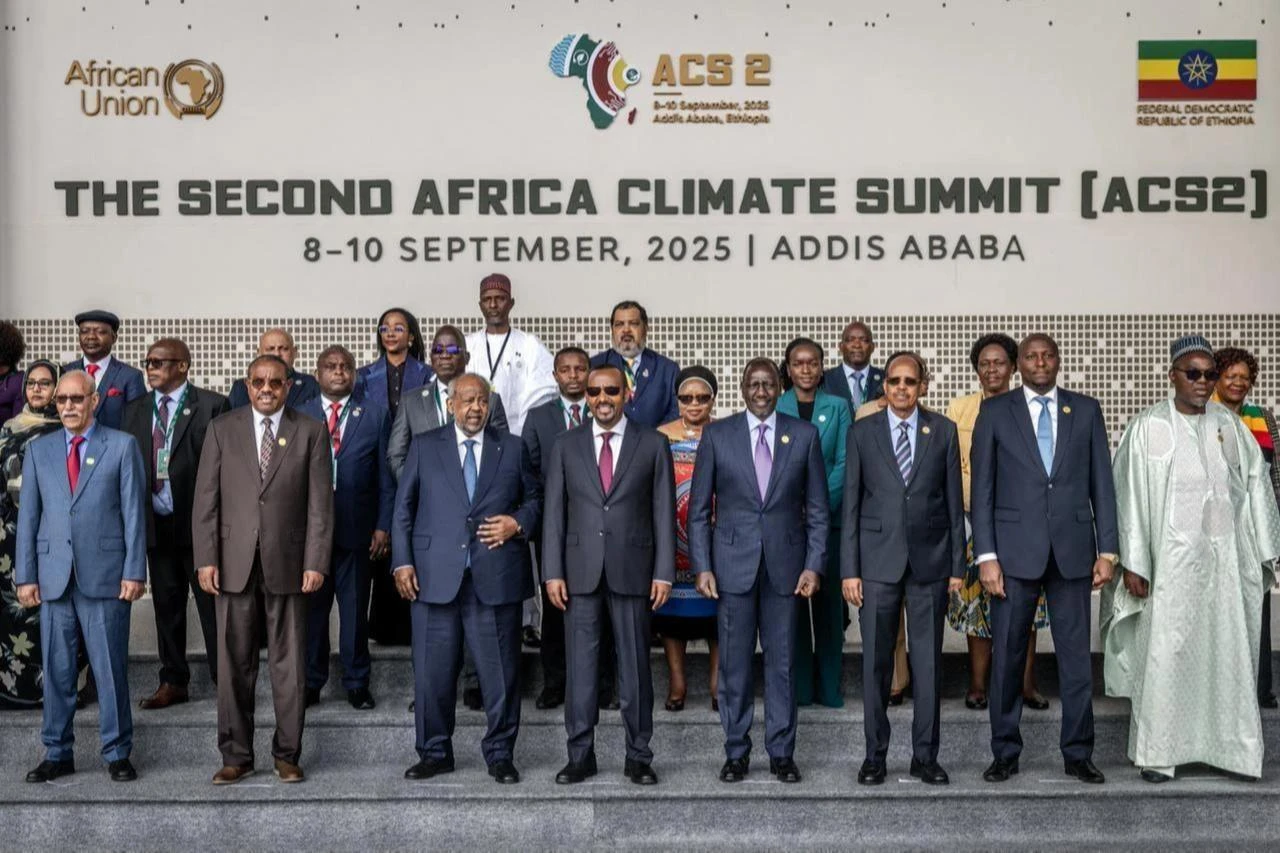


When civil war erupted in April 2023 between the Sudanese Armed Forces (SAF) and the paramilitary Rapid Support Forces (RSF), the conflict was long read as a Sudanese tragedy. By August 2026, however, both the geography of the war and its cast of actors have changed beyond recognition.
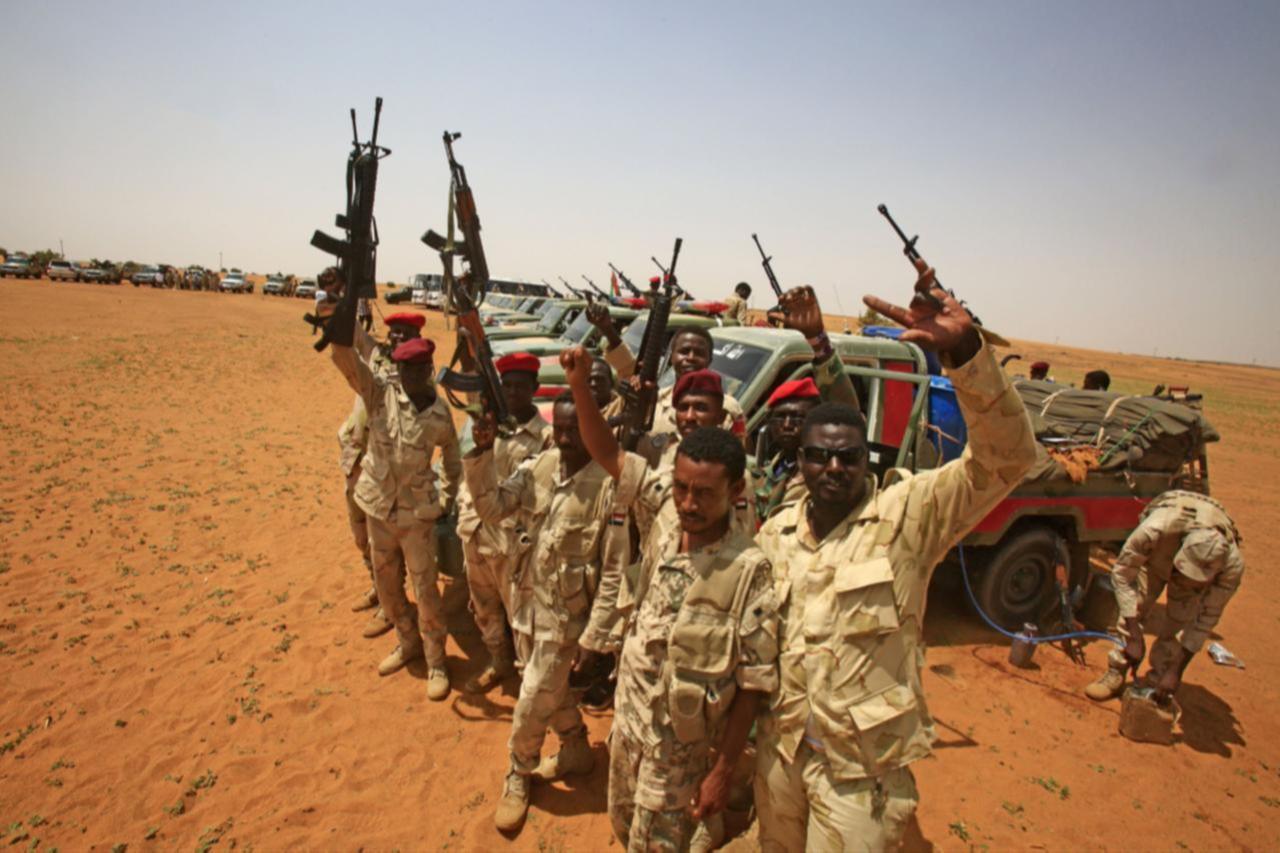
The Sudanese army's interception of a 150-vehicle RSF convoy crossing the border from Ethiopia, a Reuters investigation revealing that thousands of RSF fighters were being trained at a camp near the Sudanese border at a facility linked to a serving Ethiopian general, and reports of RSF units deploying in Benishangul-Gumuz, in the very shadow of the Grand Ethiopian Renaissance Dam, all point to a single conclusion: Ethiopia has become a de facto party to Sudan's multinational, multi-actor war.
The costs of this transformation will not be borne by Sudan alone. Addis Ababa's choices are redrawing every file on the regional agenda, from the Nile negotiations to the security architecture of the Red Sea and they are pushing Ethiopia, even as its own internal fragilities deepen, into a state of encirclement that will grow ever harder to sustain.
The key to understanding Ethiopia's Sudan policy lies not in Khartoum but in Abu Dhabi. Since 2018, the United Arab Emirates has served as the principal external guarantor of the Abiy Ahmed government's economic stability, while Emirati military and financial support, which staved off the collapse of the federal government during the Tigray war, gave the relationship a hard security dimension as well.
That relationship is now entering a new phase. As the UAE draws down its presence at the Bosaso base in Puntland, it is redirecting its military hardware to Ethiopia. With the Egyptian air force striking resupply convoys running from Libya toward Sudan, and the Kufra airbase far less active than in earlier phases of the war, the RSF's western supply lines have been choked off and Ethiopian territory is emerging as the new eastern backbone of the network.
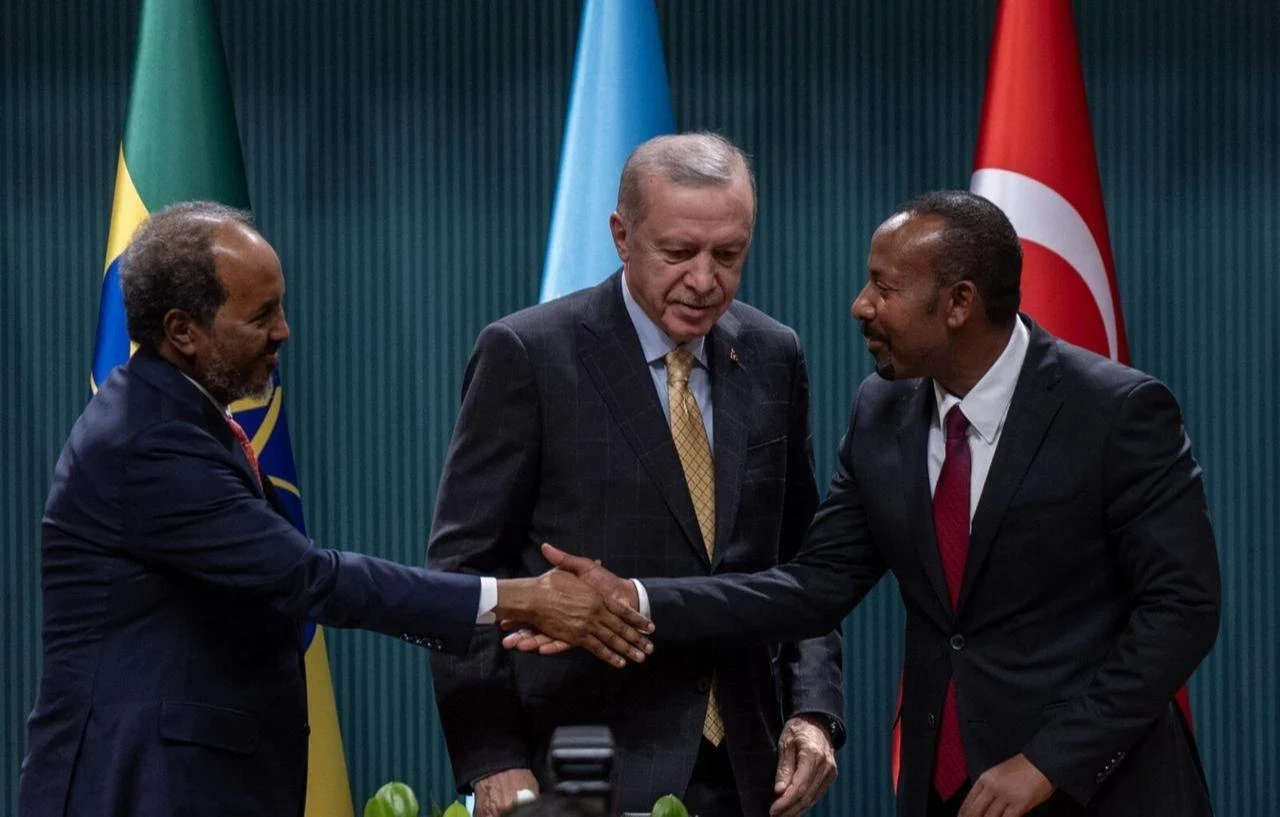

What makes Ethiopia's assertive turn abroad so striking is that it is the move of a state whose authority is contracting at home. The conflict with the Oromo Liberation Army in Oromia has dragged on for years without resolution; the war against Fano militias in Amhara has rendered the country's second-most-populous region largely ungovernable.
Tigray's reconstruction remains unfinished, and the federal army is engaged on multiple internal fronts at once. Classical strategic theory counsels states that have not completed their internal consolidation to avoid foreign adventures; the Abiy government is doing precisely the opposite.
The foreseeable consequence is that the weapons and fighters flowing into the borderlands will eventually leak to actors beyond state control, perhaps to armed groups on Ethiopia's own soil.
Completing the picture is the renewed escalation with Eritrea. Abiy's rhetoric on access to the sea, which has shaded into veiled threats against the port of Assab, has turned Isaias Afwerki into one of the Sudanese army's most committed backers: Sudanese fighter jets have been relocated to Eritrean airbases to shield them from RSF drones, while Asmara trains thousands of SAF-aligned fighters on its territory and has deployed naval assets to protect the Sudanese coast.
The result is a strategic paradox for Ethiopia. Its support for the RSF has not merely created a hostile Sudan to the west; it has consolidated an Eritrea-Egypt-Sudan axis to the north, positioning two armies that still carry the memory of the 1998–2000 war on opposite sides of the same conflict. A direct Ethiopian-Eritrean confrontation now looks more plausible than at any moment in the past quarter century.
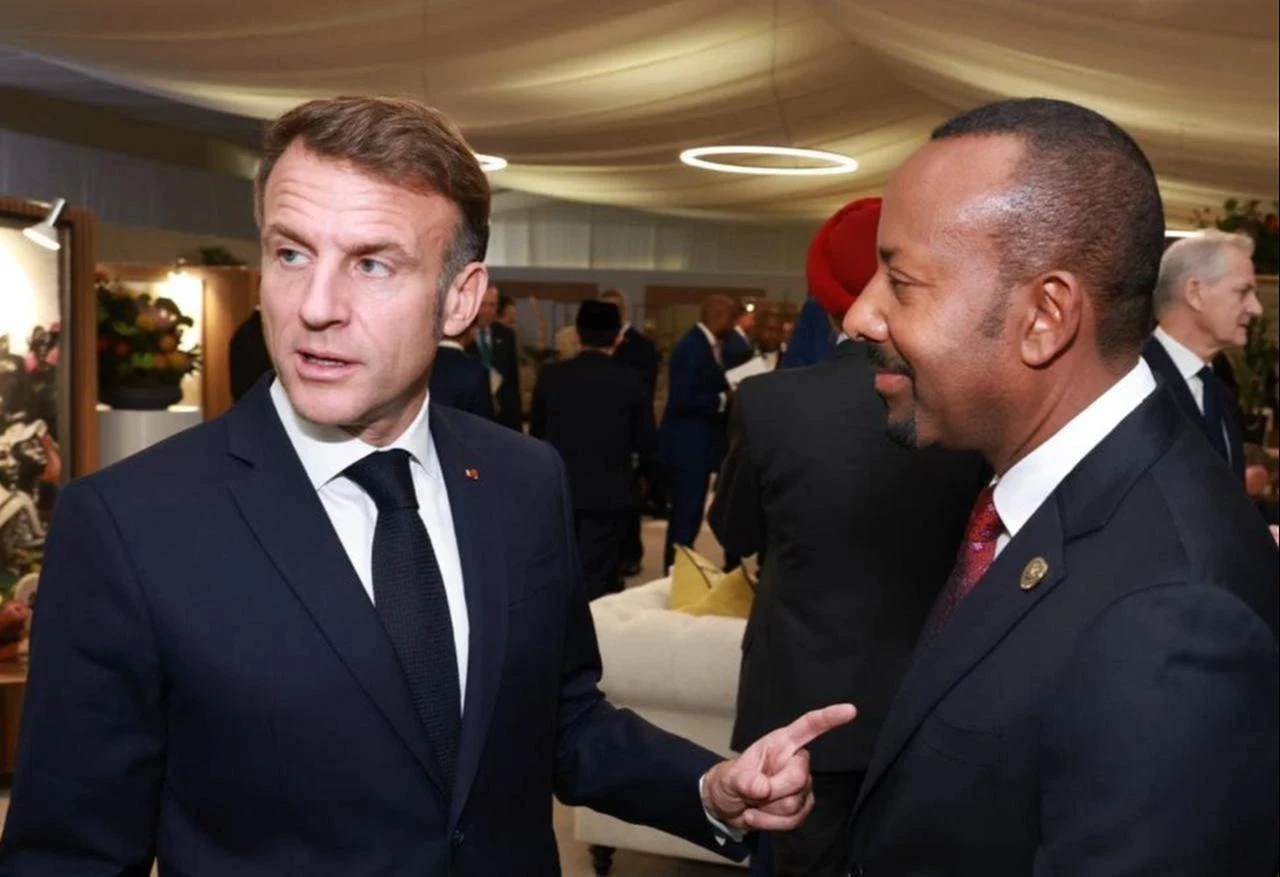
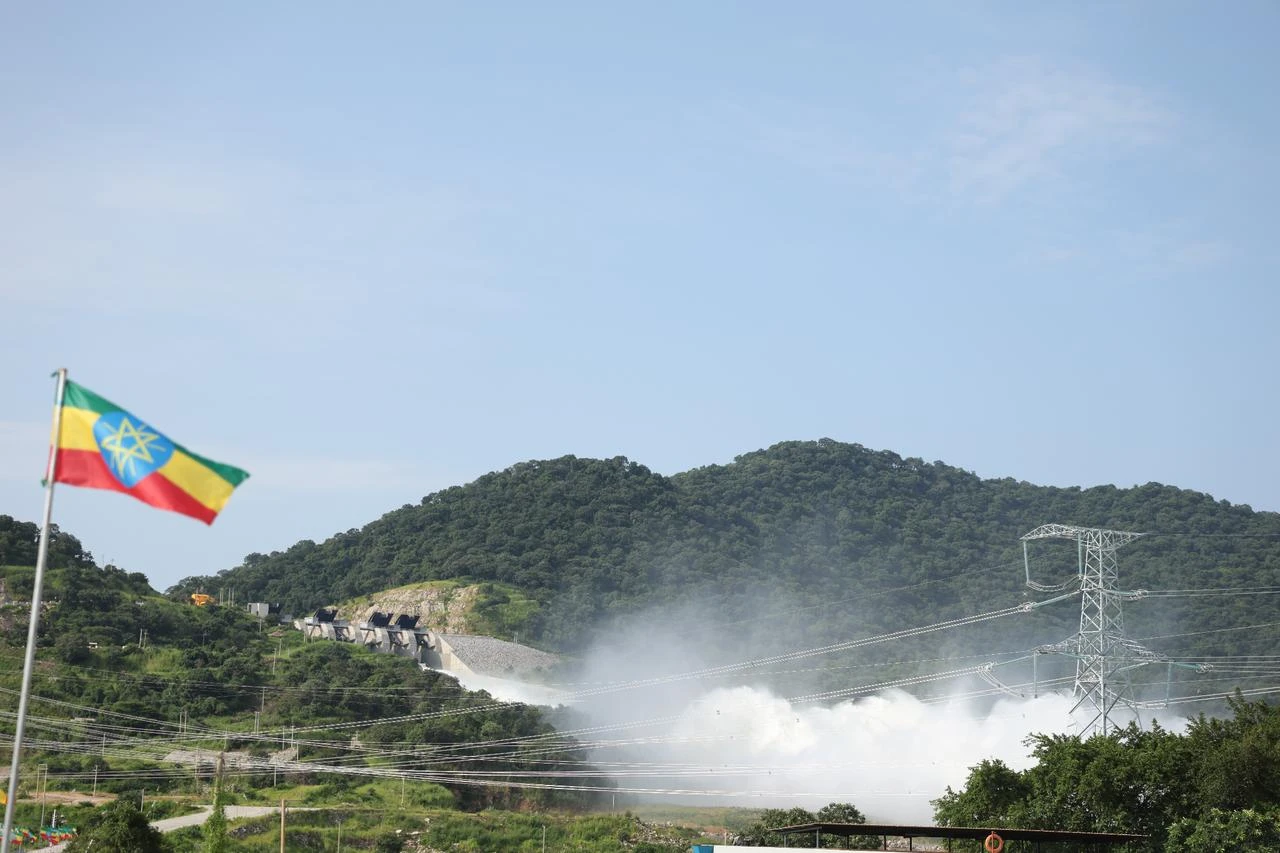
Perhaps the most enduring damage from this polarization is unfolding in the Nile file. The fundamental problem surrounding the Grand Ethiopian Renaissance Dam was never technical but institutional: the absence of a binding operational and data-sharing framework among the three riparian states.
The bilateral technical agreement that Sudan and Ethiopia quietly signed in 2022, providing for daily data exchange, minimum release guarantees, and emergency notification, was a rare mechanism that partially filled this void.
But no such channel could survive an environment in which Khartoum published evidence implicating Addis Ababa in drone strikes on its capital and recalled its ambassador, with Ethiopia responding in kind.
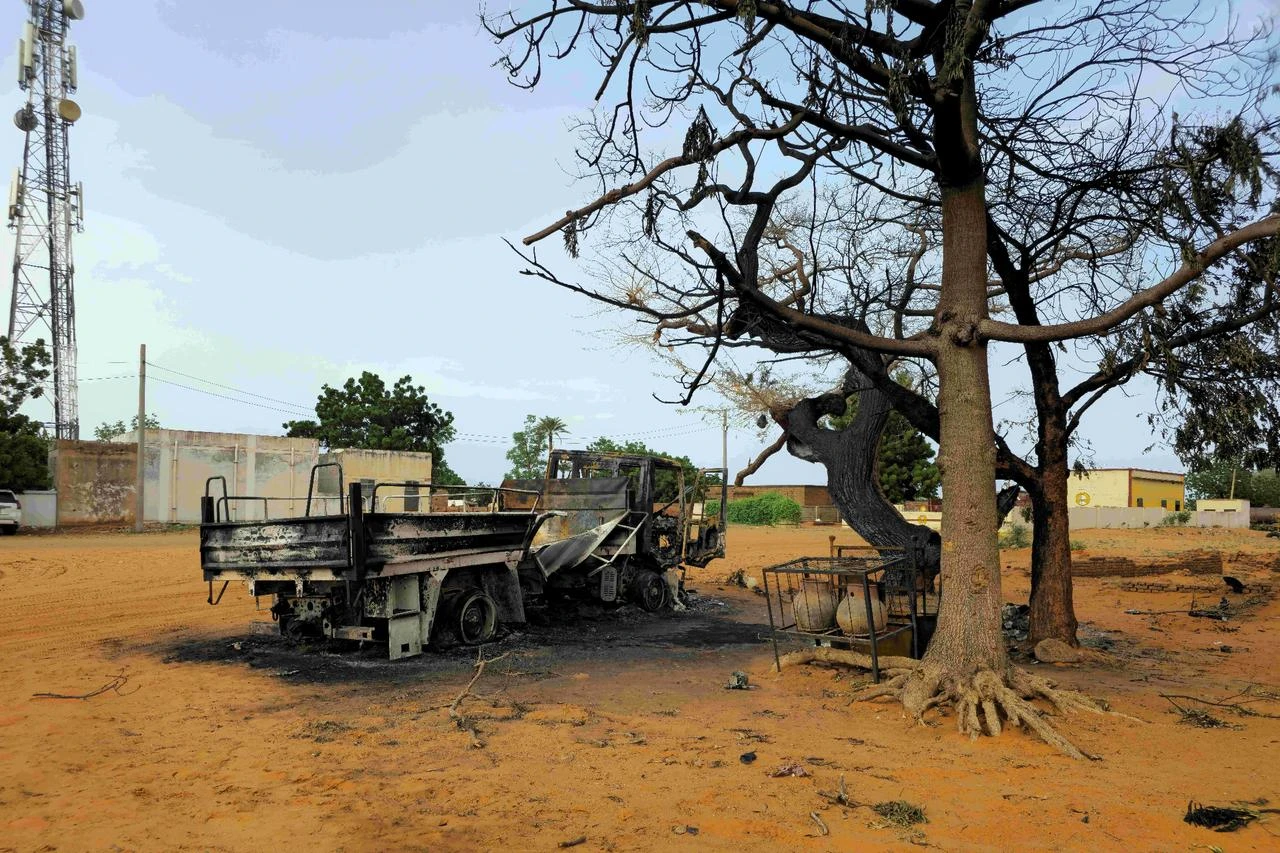
When the Blue Nile receded in Sudan in July 2026 and neighborhoods in Omdurman were left without water, not a single functioning joint mechanism existed to verify who was doing what. Two capitals waging a proxy war inside the same country cannot be expected to manage a shared river with transparency. That is precisely the problem.
Abiy Ahmed's calculus may appear defensible in the short term: Emirati capital and weapons offer breathing room to a strained economy and a worn-down army.
Read as a whole, however, the balance sheet tells a different story. Ethiopia today faces a Sudan it has antagonized to its west, a fortified Eritrea-Egypt axis to its north, insurgencies it cannot suppress at home, and an increasingly damning international indictment as an accessory to atrocity.
Projecting influence through non-state actors may be a manageable strategy for a wealthy and geographically distant power like the UAE; for a country sitting directly on the front line, divided along ethnic fault lines, the same strategy amounts to an imported fire.
It was not inevitable that Egyptian President Abdel Fattah el-Sisi's 2015 declaration, "We have chosen cooperation, and to trust one another" would curdle into bitter irony 11 years on.
That outcome was produced by the deliberate choices of the parties, and increasingly by those of Addis Ababa. Unless Ethiopia changes course, the address of the Horn of Africa's next great war may already be known.


 Set as preferred source
 Set as preferred source


 1 min read
 1 min read



