Newsletters


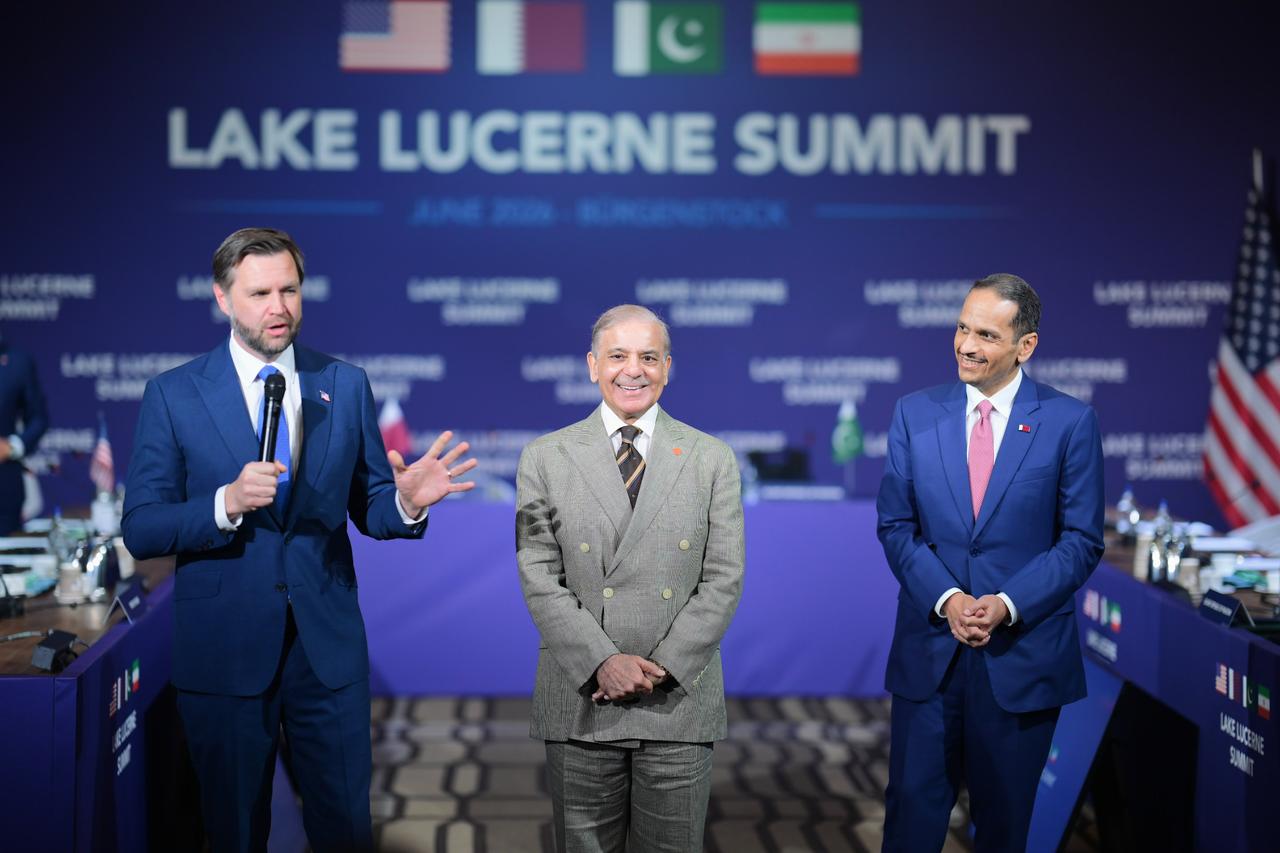


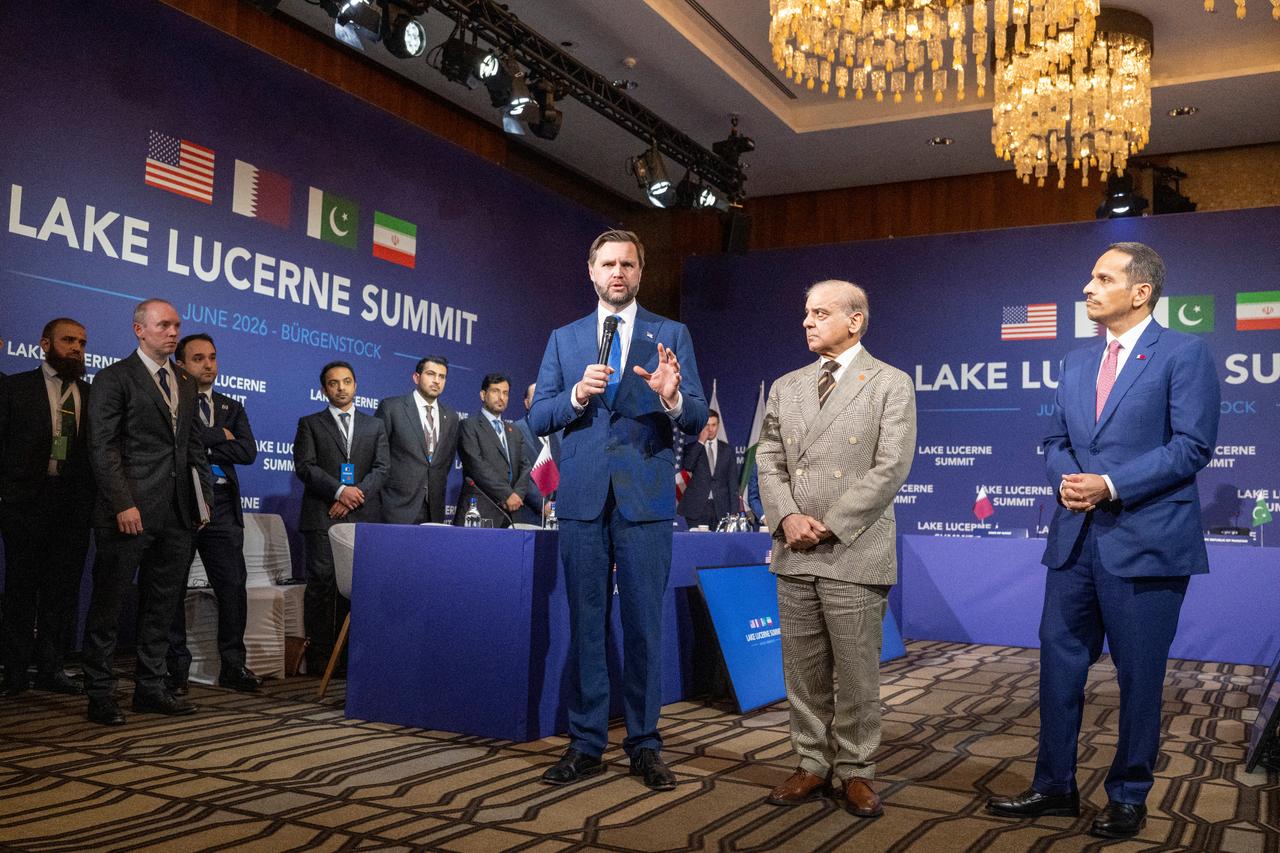
A day after Iran-U.S. technical negotiations began at Burgenstock in Switzerland, Iranian President Masoud Pezeshkian touched down in Islamabad—his first overseas trip since the U.S.-Israel war began with Iran.
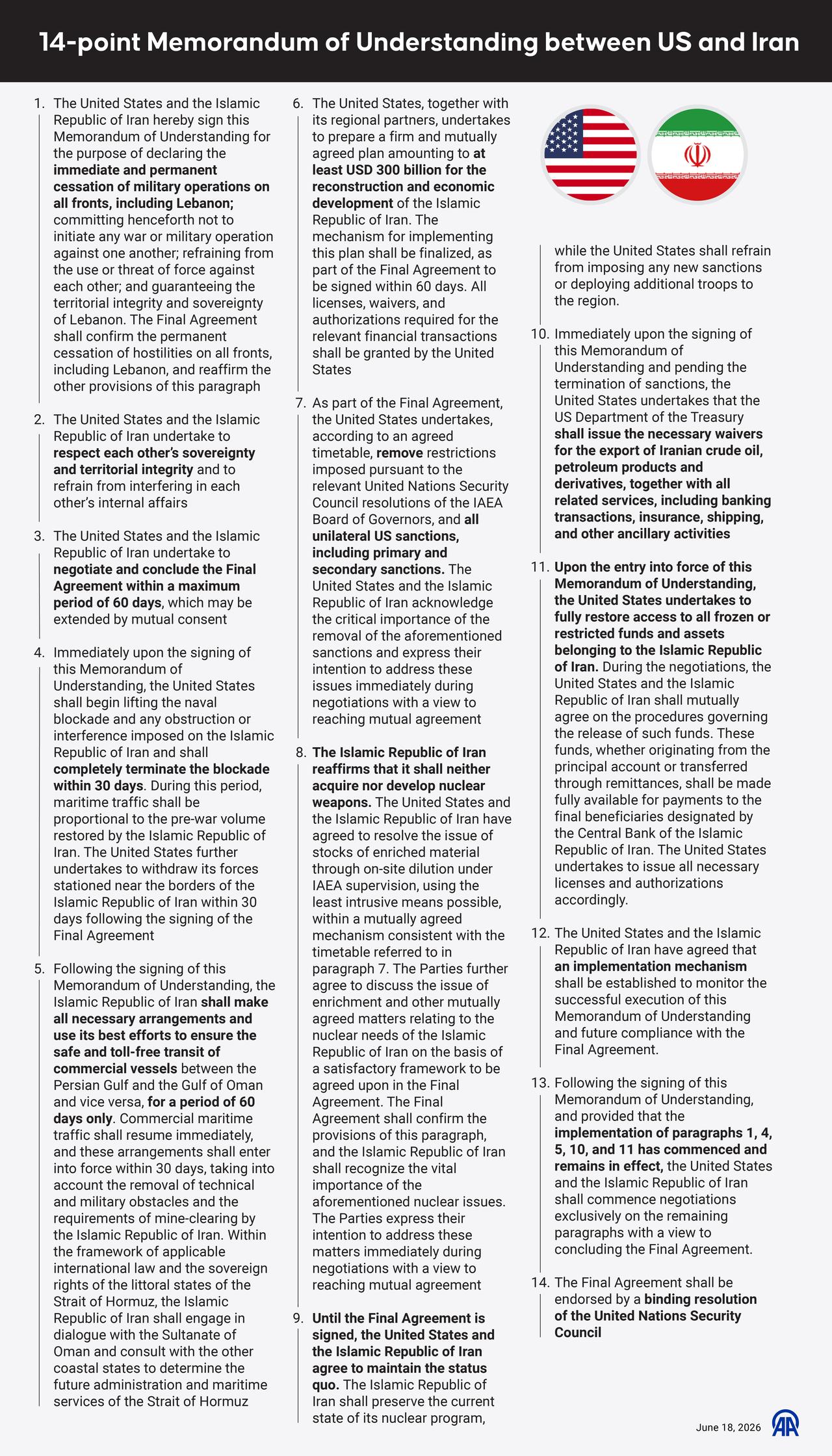
Though seen as an expression of gratitude for Pakistan’s role in brokering the Islamabad Memorandum of Understanding signed on June 18, sensitive matters came under discussion during this visit.
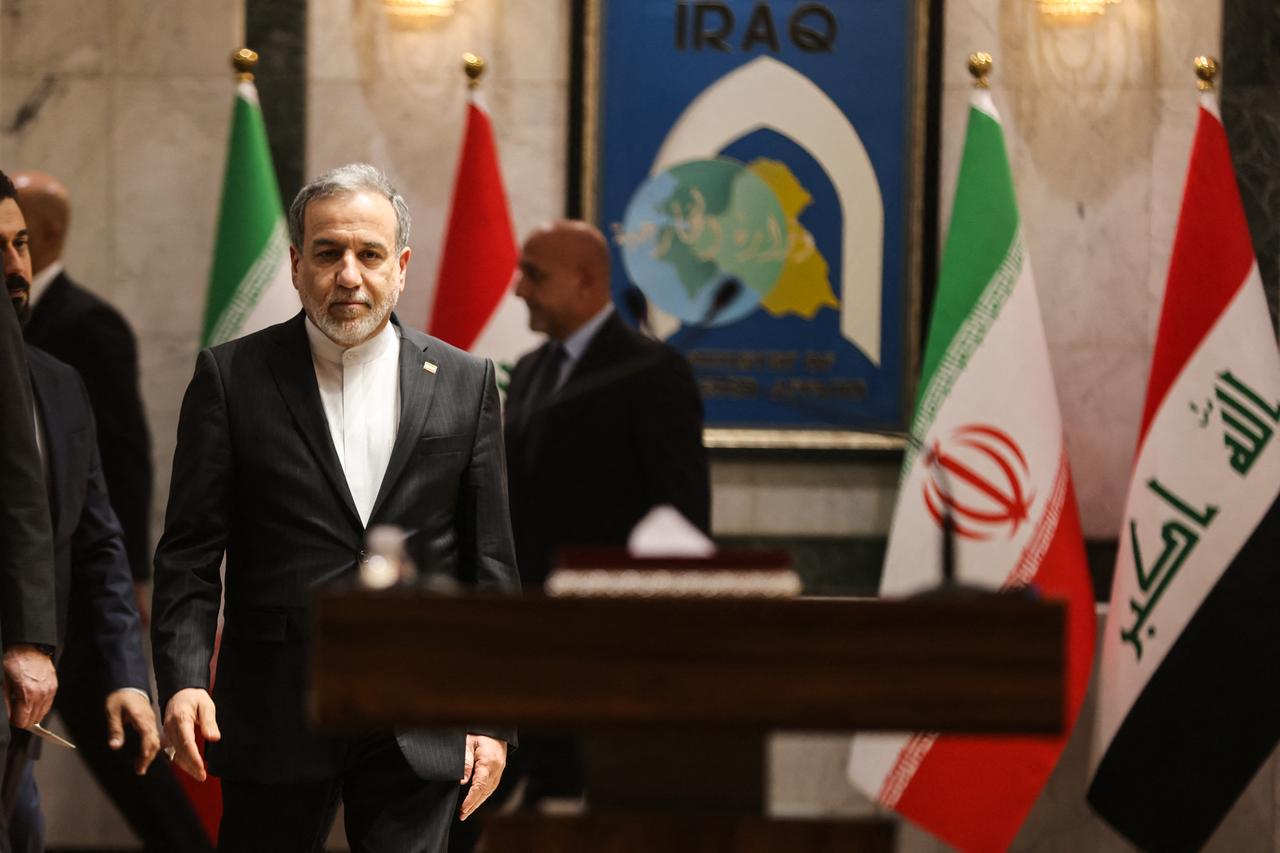
At a presser during his visit, Pezeshkian stressed that there was no mention of Iran’s missile program in the MoU signed between the U.S. and Iran. Delegation-level talks were held with the Pakistani side, and Iranian Foreign Minister Abbas Araghchi was also present, having arrived earlier in the day from Oman.
Though the 60-day window to reach a permanent deal to end the war had just started, Tehran was still working closely with Islamabad. Surprisingly, Pakistan has managed to maintain strong links and a bond of trust with both the U.S. and Iran, though it has had frictions with both in the past.
Tehran increasingly acknowledges that events could have unfolded very differently without Islamabad's quiet support—but it is in Washington where appreciation for Pakistan runs deepest, for having pulled off something that few believed possible.
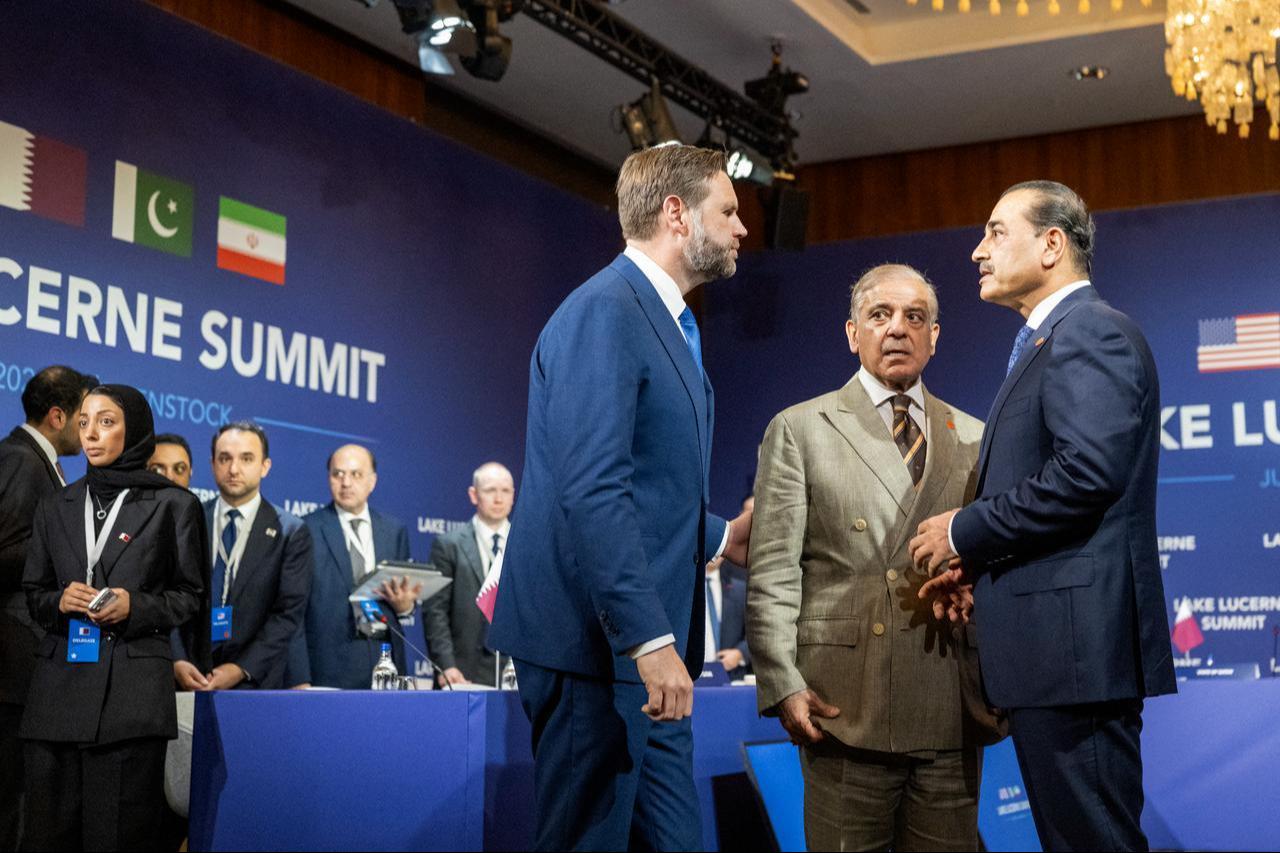

When the first strikes hit Tehran, Pakistan was among the first regional states to condemn the attacks. But though it denounced the strikes on Iran, Islamabad rebuked Tehran for firing missiles and drones at Saudi Arabia and the other Gulf states.
Having no American base on its soil, Pakistan was able to maintain close ties with Iran, the GCC, as well as the U.S., and that diplomatic space proved valuable, as unlike other countries in the region, Pakistan faced no attacks from Iran.
This enabled Islamabad to encourage deescalation and reassure each side, adopting a policy of strategic balance. It managed to convert it into influence and get support from countries like Saudi Arabia, Turkey and Egypt in the mediation efforts.
Maintaining constructive ties while remaining outside direct military entanglements, Islamabad ended up functioning as a bridge between two increasingly polarized sides.
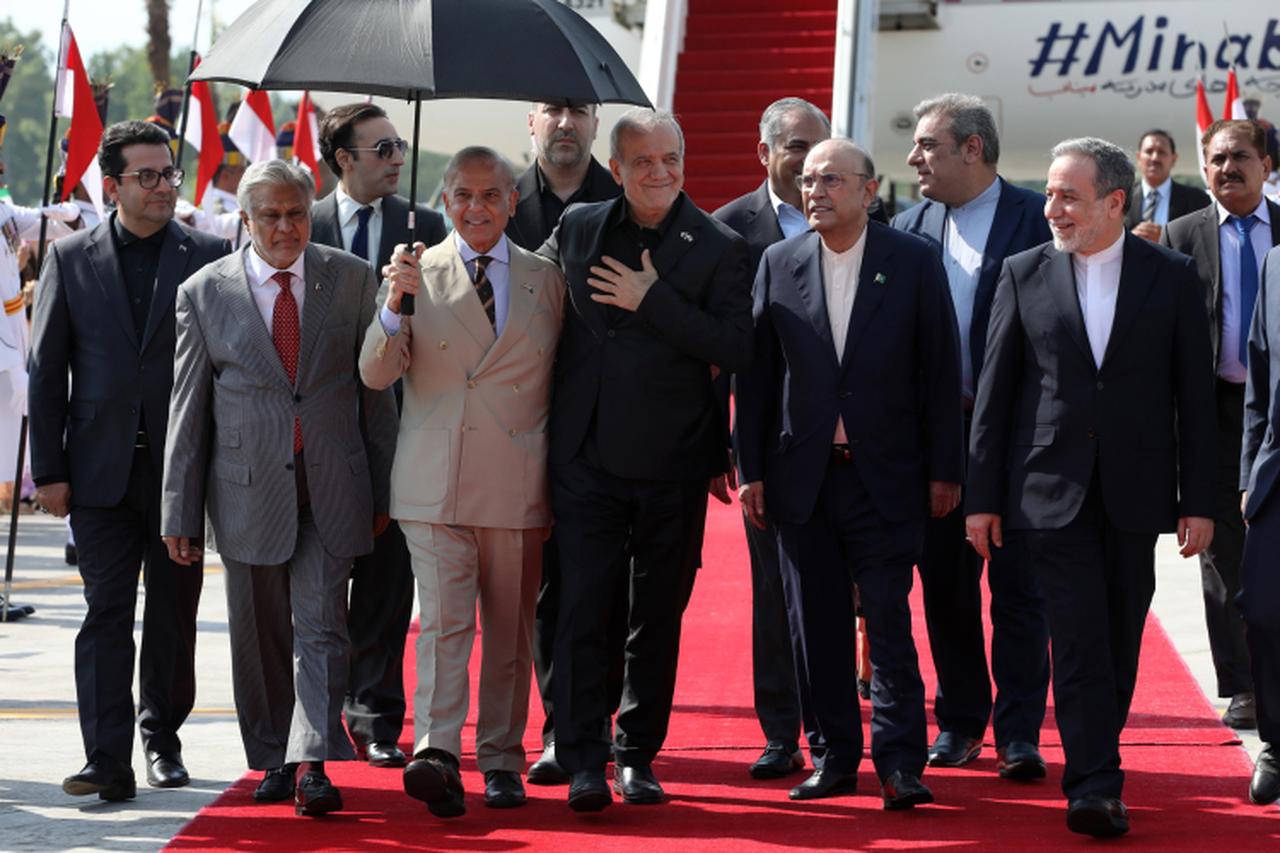
Last year, as Israel and the U.S. launched strikes on Iran, Pakistan's Army Chief, Field Marshal Asim Munir was invited to the White House in the middle of the war.
Given Pakistan’s long security relationship with Washington, there were widespread fears that Pakistan might get drawn into the conflict or even get used against Iran as a launching pad.
But instead, Pakistan not only helped Iran navigate one of the most difficult periods in its recent history, but Islamabad also leveraged its access to the Trump administration to further diplomacy. And the foundations of this relationship were laid last year. In fact, this breakthrough happened due to a four-day conflict in May 2025 between India and Pakistan.
After U.S. President Trump publicly claimed credit for ending the war, Pakistan welcomed his diplomatic role and later formally nominated him for a Nobel Peace Prize. This goodwill was reinforced through cooperation on what officials describe as the "3Cs" of cryptocurrency, critical minerals and counterterrorism, creating a sound framework for U.S.-Pakistan engagement.
The security relationship further deepened. In August 2025, Munir attended a retirement ceremony for General Michael Kurilla, chief of Central Command (CENTCOM), who had previously praised Pakistan and Munir as a “phenomenal” partner in counterterrorism, for Pakistan’s help in extraditing the key accused of the Kabul airport attack in 2021.
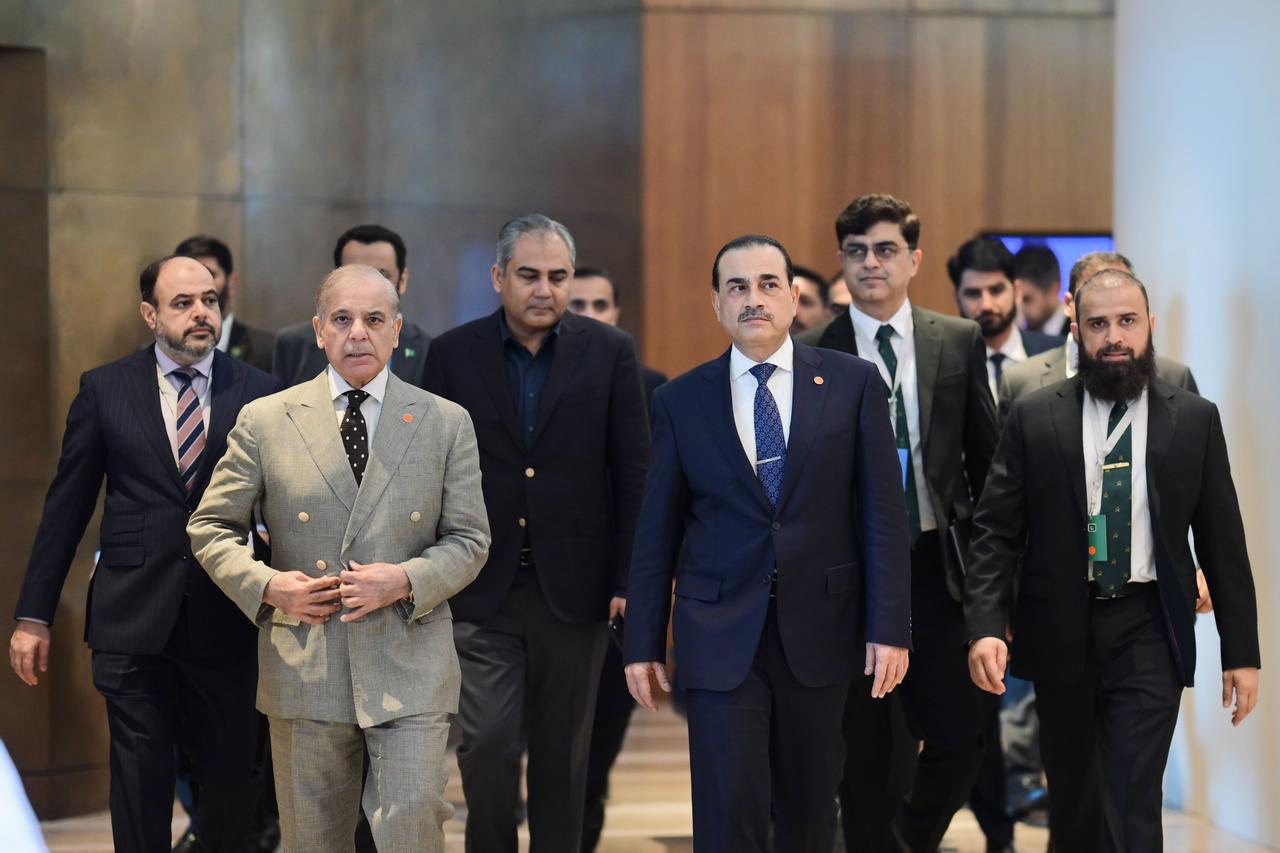
By September 2025, Munir returned to the Oval Office with Prime Minister Shehbaz Sharif. At that time, Trump remarked that Pakistan “knows Iran very well, better than most,” and it was but natural that Islamabad would end up as a lead mediator in a U.S.-Iran deal the following year.
Zeeshan Shah, a Washington-based political observer and analyst, told Turkiye Today that relations between Iran and Pakistan over the last 30 years have “veered from a cold friendship to one of mutual distrust.” He said that these phases of mutual distrust were due to rivalry over Afghanistan, Iran’s strong embrace of India, and the perceived backing of Baloch separatist groups in both countries.
Due to this background, he said, “along with the recent Pakistan-Saudi defense pact, many believed that Pakistan would join the U.S. war against Iran, especially if Saudi security was threatened.”
According to Shah, “Relations between the U.S. and Pakistan improved significantly, specifically due to the personal relationship between Field Marshal Asim Munir and President Trump. The relationship was at such a level that the U.S. was able to use it as a conduit with Iran as it saw Pakistan being an honest broker since it was the only one of Iran’s neighbors which it did not attack during the war.”
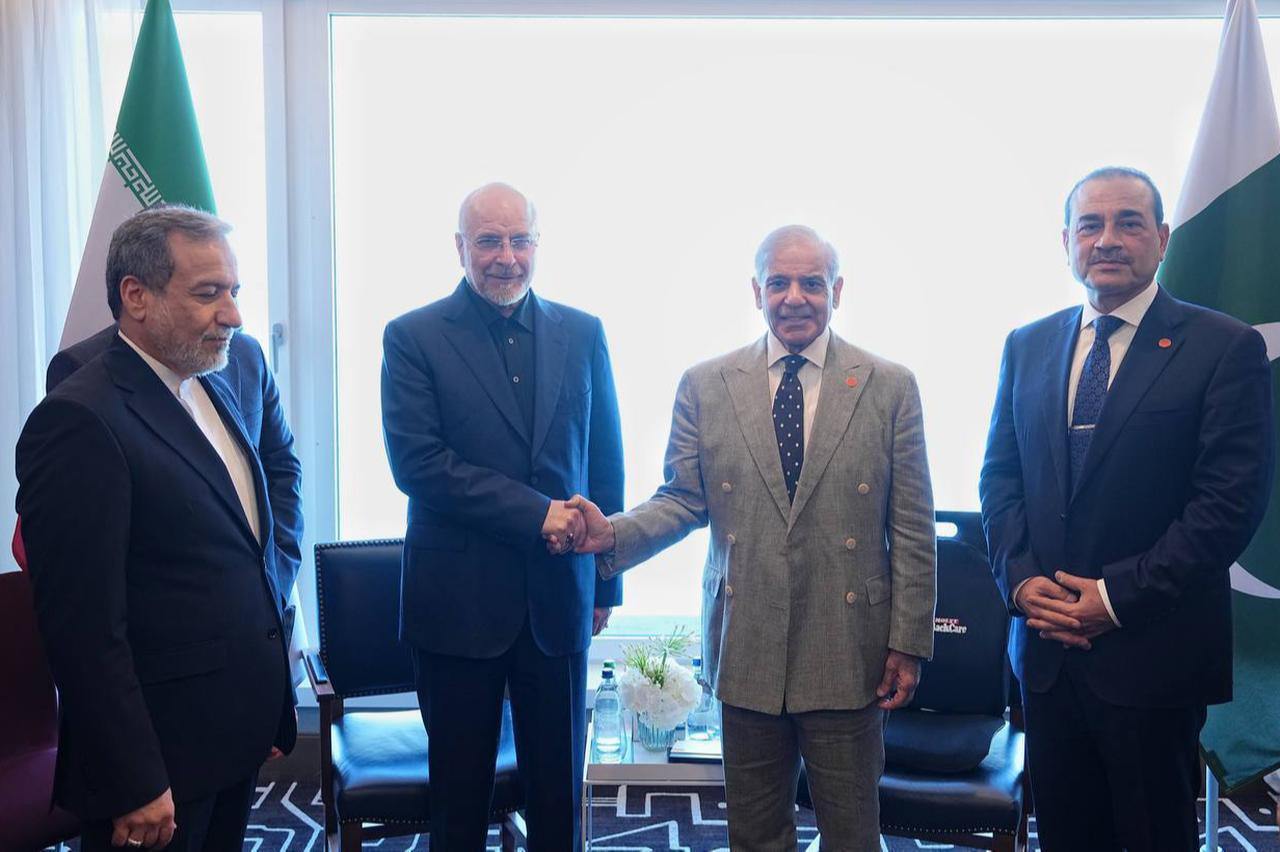
Notwithstanding the bad phases in Pak-Iran ties, maintaining relations with Tehran has never been a matter of choice for Islamabad, as it is more than just a neighbor. Sharing a long (909-kilometer) restive border with Iran, as well as cultural and religious ties, Islamabad’s connection with Tehran is more than a geographical or strategic necessity.
Though Iran’s southern province of Sistan-Baluchestan, and Pakistan’s Baluchistan have been volatile regions for a long time, with insurgencies, proxy warfare and illicit drug smuggling and trade. Pakistan also happens to have the second-largest Shia population (15% to 20 %) in the world after Iran, and this has resulted in powerful social links.
Many Pakistani families have Iranian surnames and trace ancestral links to Iran, and Pakistan’s national language, Urdu, includes some Persian words. While it is true that instability in Iran can hurt Pakistan’s Baluchistan, there are deeper roots still, and the Pakistani public had sympathies for Iran when it was under attack.
The economic rationale is quite compelling.
For Iran, a comprehensive agreement with the U.S. would unlock oil exports, foreign investment and unfreeze bank assets, accelerating its economic growth. For the United States, it would help stabilize energy markets, create opportunities for American exports and investment, and reduce the economic costs of this conflict.
Should sanctions on Iran be lifted, the long-stalled Iran-Pakistan gas pipeline could finally move forward. Pakistan also stands to gain an additional route to Central Asia, while the newly operational transport corridors with Iran hold the potential to reshape regional connectivity. Yet the most consequential prize within reach may be a long-term oil agreement.
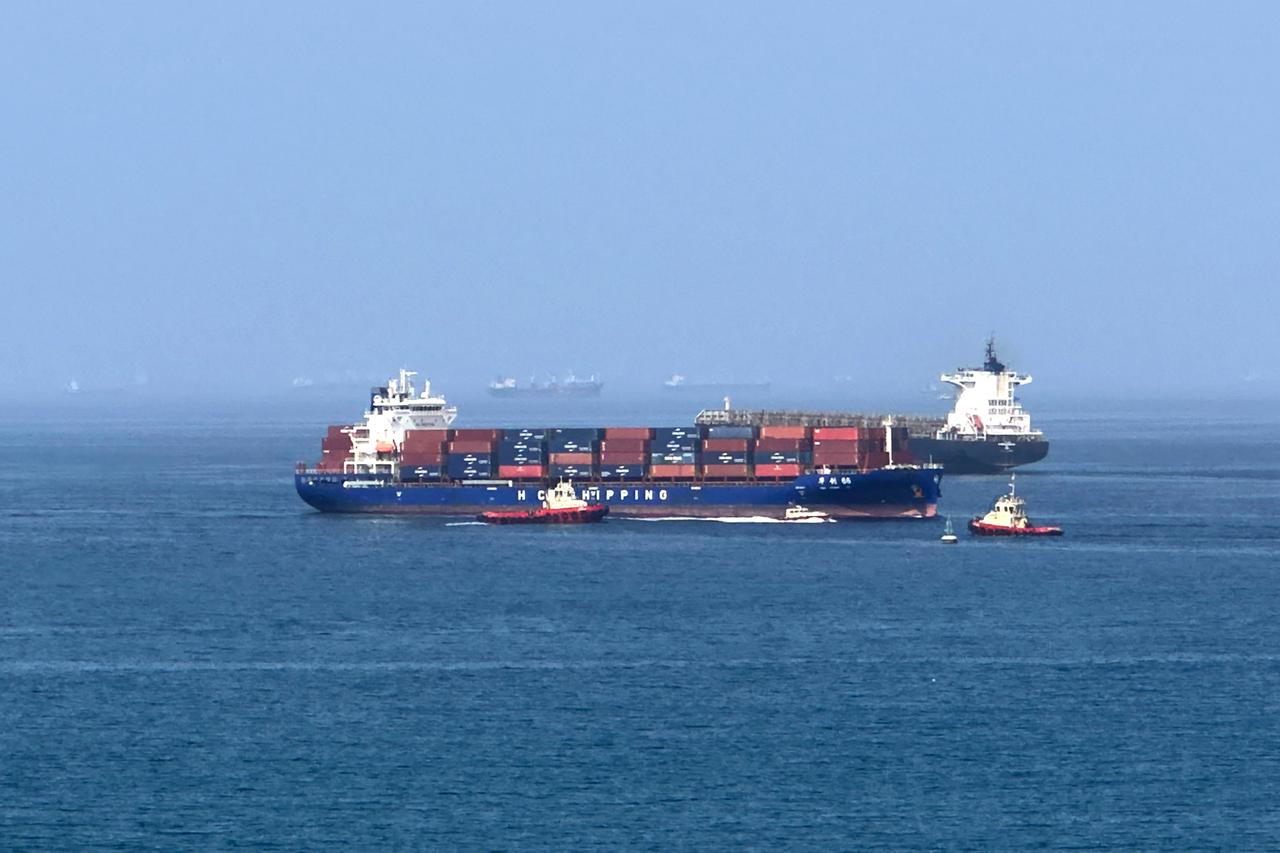
Heavily reliant on energy imports, with 85% of its oil needs and nearly all its LNG supplies from the Gulf states, the blockade of the Strait of Hormuz affected Pakistan’s economy, making austerity measures compulsory.
In Shah’s opinion, the main benefits of the Islamabad MoU are that “Pakistan established itself as a significant mediator in the region with the military power to back it up, then the “positive momentum in relations with the U.S. is likely to continue.”
For the United States, Shah said, “it would be the end of an unpopular war, and the ending of the severe economic stress causes by the closure of the Strait of Hormuz.”
And for Iran, it would be the “de facto recognition of its control over the Strait of Hormuz, and the fact that its missile program and its proxies are not part of the talks with the U.S.”
Right now, Pakistan’s mediation between Washington and Tehran is being described as a “landmark achievement” by Pakistani analysts, putting it in the same category as Islamabad’s historic role in the U.S.-China engagement in 1971 and the OIC Council summit hosted in Lahore in 1974.
But the Islamabad MoU only provides a framework for future negotiations, and its successful implementation requires a lot of patience and sustained commitment. With small strikes happening between Tehran and Washington in the very initial days, it seems more like a game of roulette.
The guns may have fallen largely silent, but neither side has stepped back from the edge. Tensions persist at a lower register, and it is precisely this unresolved hostility that makes a final deal so difficult to clinch—politically and strategically.
The region has stepped back from catastrophe. It has not yet stepped toward peace.


 Set as preferred source
 Set as preferred source


 1 min read
 1 min read