Newsletters





Forget Western models of deradicalization. In Syria, the state’s approach to rehabilitation looks less like a clinical program and more like a traditional community intervention, relying on marriages and Islamic discourse to pull individuals back from the brink.
The strategy is rapid and direct: identify Daesh sympathizers early and aggressively dismantle the group's theology from within. While Western counterterrorism experts routinely dismiss this approach as "naive," the ground reality tells a different story.
When it comes to neutralizing jihadi radicalization, Syria’s shoestring budget is yielding far greater success than Western programs flushed with millions in funding.

For decades, counterterrorism efforts and counterterrorism literature have made significant progress. Especially after 9/11, counterterrorism has benefited from billions of U.S. dollars in funding.
The funding reached from military to research. But one cannot say that counterterrorism efforts have been particularly effective. In most cases, military success didn’t transform into lasting resolutions.
The best visible area where counterterrorism efforts fail is rehabilitation. It costs immensely and delivers few results, if any.
Furthermore, military engagements and military methods have the problematic side effect of radicalizing civilians and creating new terrorists. Yes, I believe that counterterrorism requires a military approach first.
Territory cannot and should not be relinquished to terrorists, but military methods alone cannot defeat terrorists alone.
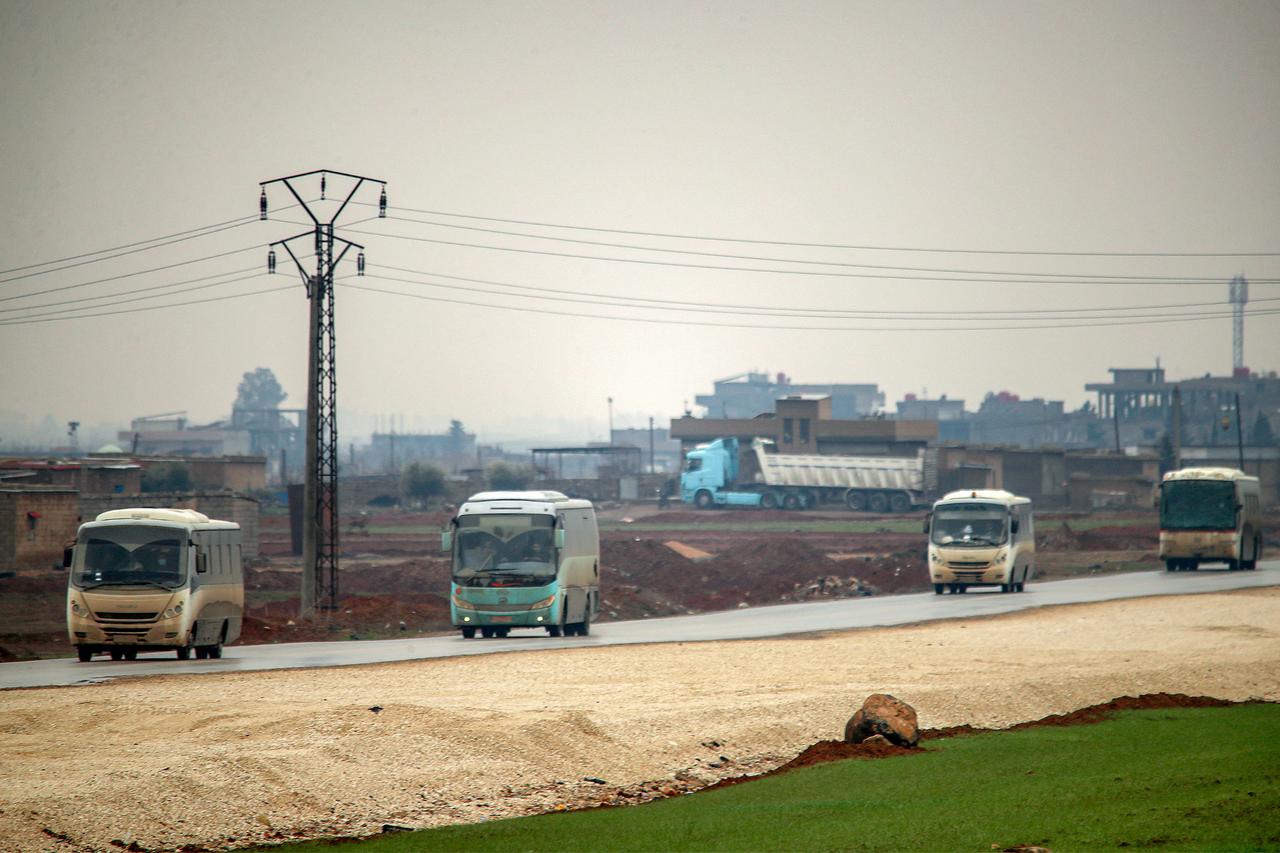
In this manner, I believe we are witnessing a very interesting case study in Syria. Thousands of women, children and young boys fled, were released, or relocated from the notorious al-Hol camp in northeastern Syria amid the chaotic decision by the SDF to flee from the compound without coordination.
However, contrary to fears, we have yet to see a visible increase in Daesh activity in Syria or the region.
Further research is required, but I suspect that the new Syrian government's traditional and Islamic approach to this file, combined with the lack of organizational capacity, is the reason why Daesh couldn’t regroup and benefit from this development.
While further research is required, the new Syrian government’s traditional, faith-based approach—coupled with its sheer lack of organizational capacity—is likely why Daesh failed to regroup and exploit this development.
For years, we feared Daesh 2.0. was nurtured in the al-Hol camp under the auspices of the U.S.-led international coalition and the SDF.
Senior figures overseeing Syria’s counter-Daesh strategy maintain that combining traditional social rehabilitation with robust religious counter-narratives is the ultimate key to success.
And surprisingly, they are much more successful in rehabilitation than the secular and modern rehabilitation efforts, which cost immensely.
The conventional stand of knowledge gives enough reason to doubt the Syrian government's approach to deradicalization and rehabilitation of Daesh members and associates. However, their results speak for themselves.
Seeing this, I argue that the international coalition and counterterrorism experts should be more humble, listen to the Syrian experience and be ready to learn.


 Set as preferred source
 Set as preferred source


 1 min read

 1 min read