Newsletters


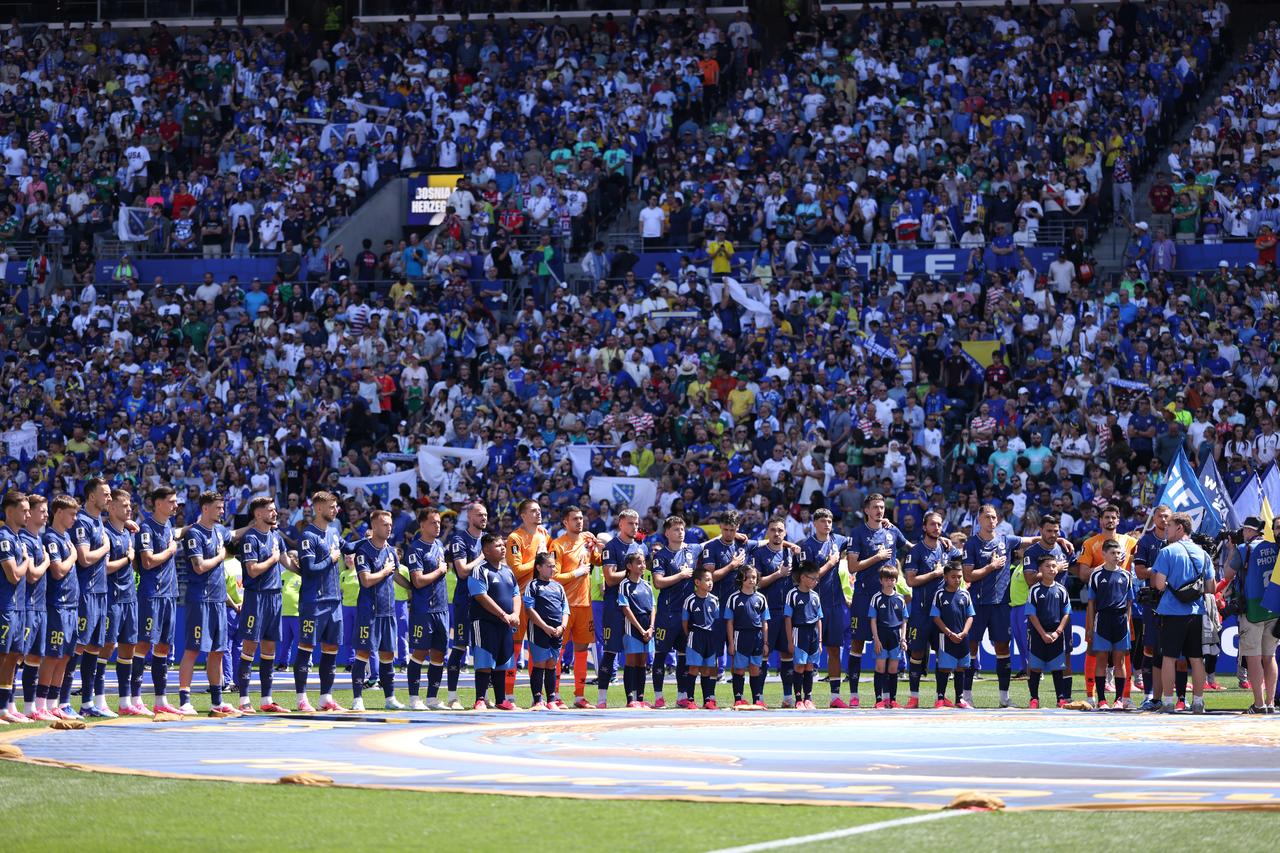


A clip from ABC7 Los Angeles reporter Abigail Velez, who was previewing the FIFA World Cup match between the United States and Bosnia and Herzegovina, has been making rounds on social media.
Trying to inject some humor, the reporter admitted she could not point to Bosnia and Herzegovina on a map and did not know the first thing about the country.
The comment was meant as light-hearted banter. But it quickly went viral, drawing criticism from around the world. Days later, Velez apologized, acknowledging that her remarks were insensitive.
Everyone deserves the chance to make a mistake and learn from it. But this story is about something much larger than one reporter’s ill-judged joke.
It is about journalism itself. Because if there is one profession that cannot afford intellectual laziness about the world, it is ours.
Bosnia and Herzegovina is a country where Europe witnessed genocide and is home to the longest siege of a capital city in modern history. It is a country whose recent past shaped international law, NATO policy, humanitarian intervention, and the debate over the international community’s responsibility to protect civilians.
Its modern history is taught in universities across the world. It has been examined by international tribunals, documented by journalists and remembered through countless books, documentaries and films.
Most importantly, its story became part of America’s own history. The war and aggression in Bosnia and Herzegovina ended in November 1995 with the signing of the Dayton Peace Agreement at Wright-Patterson Air Force Base in Dayton, Ohio, during the administration of President Bill Clinton.
For most Americans, Dayton is simply another Midwestern city. For Bosnians, it is a place whose name is forever associated with the end of nearly four years of bloodshed.
The agreement did not create a perfect political system. Bosnians still feel its consequences nearly three decades later. But it stopped a war and genocide that claimed over 100,000 lives and displaced over two million people.
That alone makes Bosnia part of America’s foreign policy legacy.
As journalists, we do not need to be experts on every country. But we should know enough to recognize why certain places matter.
Imagine a reporter, 30 years from now, casually admitting they do not know where Gaza is and how Israel conducted genocide while the world was watching.
Covering global affairs has taught me that reporting begins long before the camera starts rolling. It begins with reading, learning, and understanding.
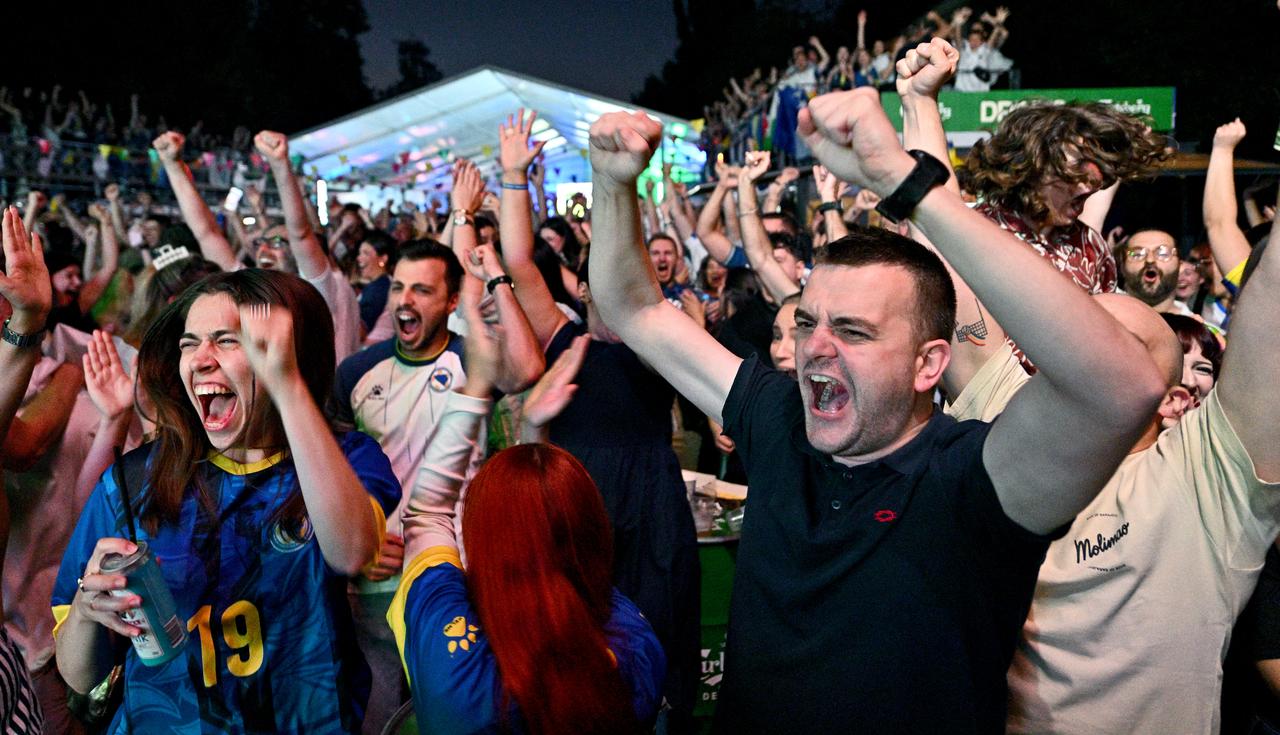

What struck me most about this controversy is that the football match itself tells a story that should be familiar to many Americans.
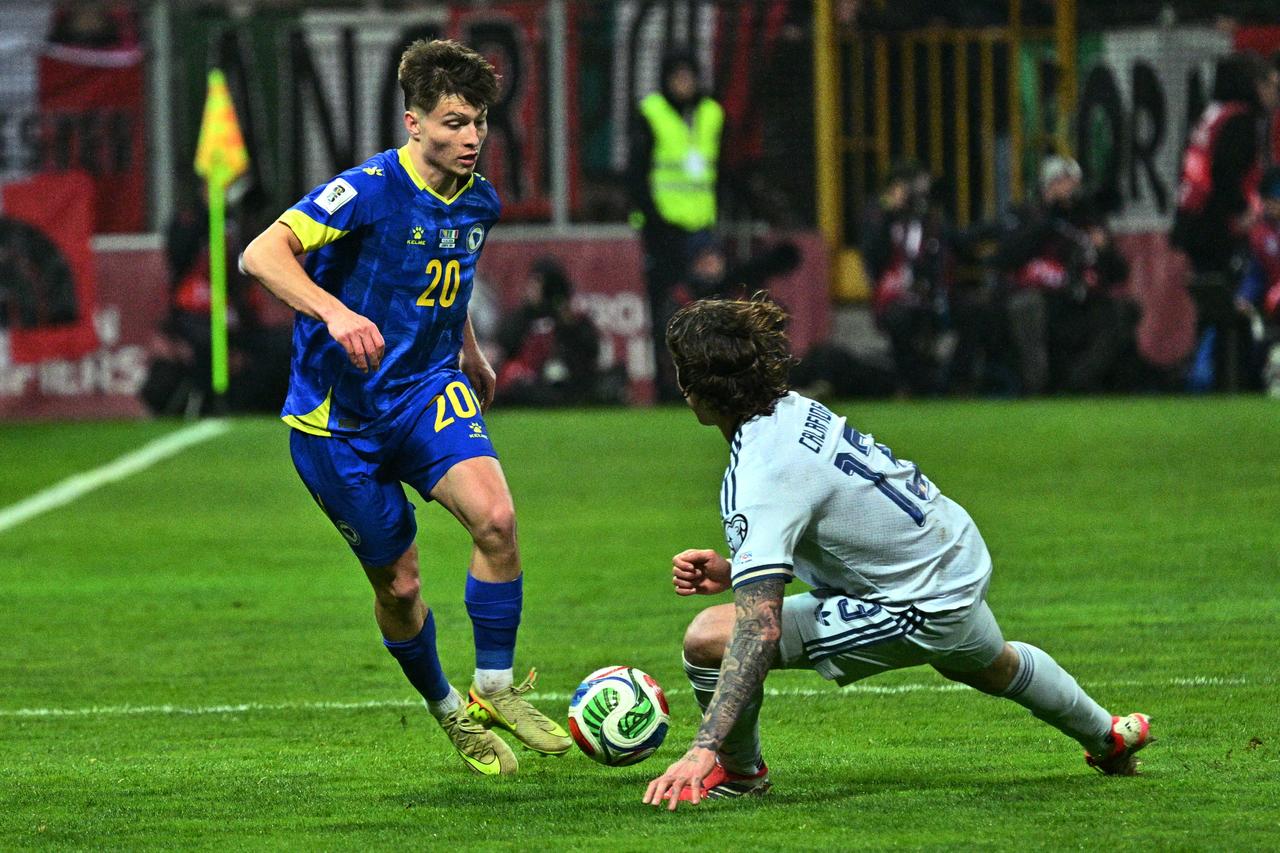
Several members of Bosnia and Herzegovina’s national team were born in the United States after their parents fled the Bosnian War. They are children of refugees who arrived in America seeking safety, rebuilt their lives, raised families, and watched their sons grow into professional footballers.
Those players carry two stories at once. They proudly represent the country their parents were forced to leave. But they are also products of the United States—a country that gave thousands of Bosnian families a chance to begin again.
Their biographies remind us that Bosnia and America are connected in ways that go far beyond diplomacy or sport. Today, Bosnian-American communities thrive in cities such as St. Louis, Chicago, Phoenix, Jacksonville and many others.
They have become business owners, doctors, engineers, teachers, entrepreneurs, police officers, journalists and public servants. Their children speak English with American accents while preserving the memory of a homeland many know only through family stories.
One of those stories belongs to Almin Karamehmedovic, the Bosnian-born president of ABC News. He joined ABC News in the late 1990s and eventually became the network’s president after working for decades as an Emmy Award-winning producer and senior executive. His journey reflects the remarkable contributions Bosnians have made to American society.
There is an irony in that fact, but the real lesson lies elsewhere.
Journalism has never simply been about speaking confidently into a camera. It is about curiosity. It is about recognizing that places many viewers consider distant or unfamiliar are someone’s home, someone’s history and often someone’s tragedy.
In an age when wars in Gaza, Ukraine, Sudan and elsewhere compete for public attention, journalists carry an extraordinary responsibility. The people who appear on our television screens shape how millions understand the world.
When that understanding becomes shallow, public knowledge becomes shallow too.
Bosnia and Herzegovina is a small country. It rarely dominates international headlines anymore. But its story continues to matter because it helped shape many of the international principles that still guide diplomacy and conflict resolution.
It also matters because its people became part of the American story.
A reporter introducing a U.S.-Bosnia match didn't realize some players were born in America because the country had opened its doors to families escaping the very war she knew nothing about.
Sometimes history has a quiet way of reminding us why knowledge still matters.
And perhaps that is the most important lesson this episode has offered—not only for one reporter, but for all of us who have chosen journalism as a profession.
The United States remains a country I deeply respect for the role it ultimately played in ending the war in Bosnia and Herzegovina, even if that intervention came painfully late.
And I genuinely hope that before the next match, Velez takes a few minutes to learn about Bosnia and Herzegovina—not simply where it is on a map, but why so many Bosnians now call America home.
The stories of their children, even those wearing national jerseys, say as much about the United States as they do about Bosnia itself.


 Set as preferred source
 Set as preferred source


 1 min read
 1 min read