

 Newsletters


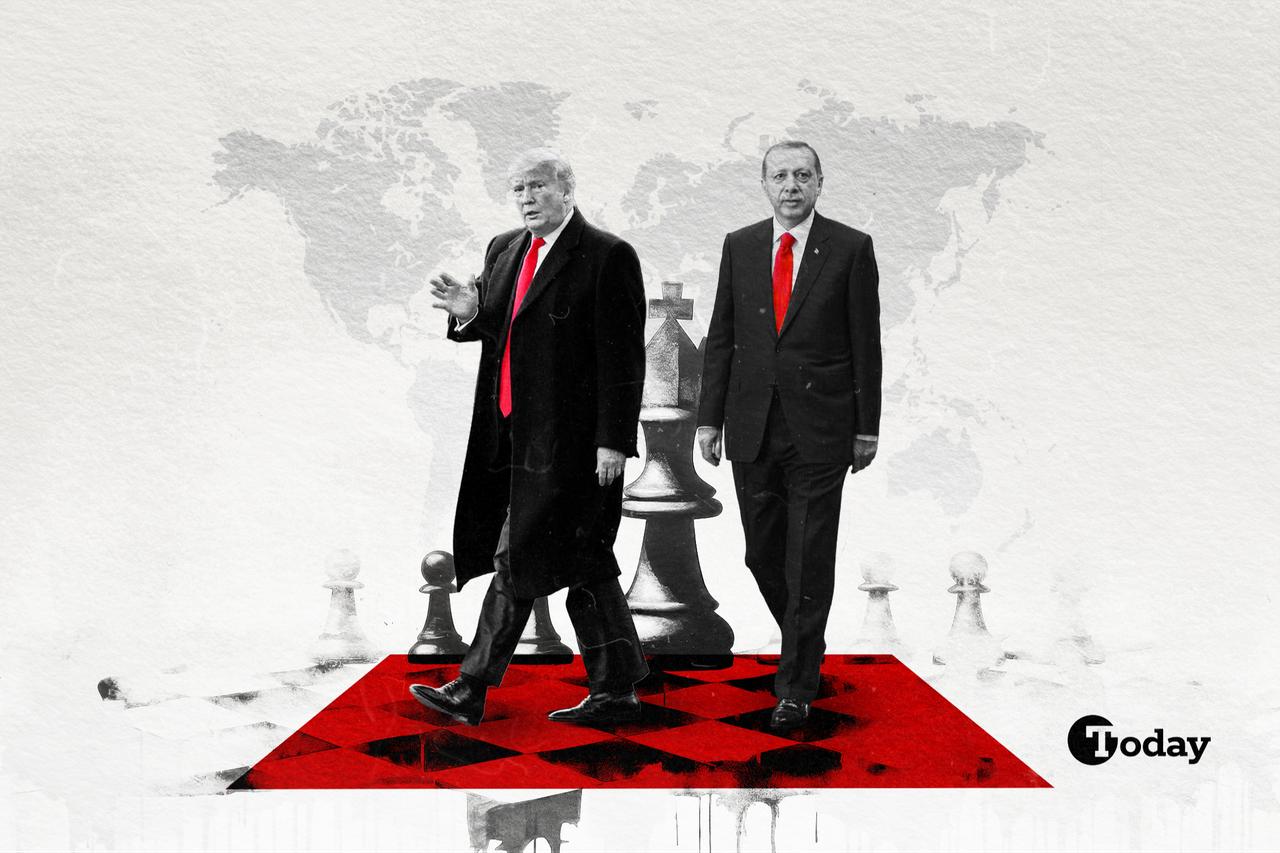


Relations between the United States and Türkiye have reached an interesting crossroads.
The first year of the Trump administration produced close regional cooperation and an air of optimism about U.S.-Turkish relations, a welcome sign after two decades ridden with crises and tensions that alternatively spiked and simmered.
Back in 2015 or 2020, differences between the two countries over Syria, Libya, Gaza, the Eastern Mediterranean, and other issues seemed unbridgeable. Yet, in 2025, new and real trust emerged between the teams of Presidents Trump and Erdogan as deals were struck on the South Caucasus, Syria, Gaza, energy cooperation, and more.
It is fair to say that the transition from the Biden administration to Trump's brought mutual respect and broadened access between the two sets of key national leaders. The new era has been personified by Ambassador Tom Barrack, a high-profile Trump confidante who speaks energetically and frequently on the importance of Türkiye and the benefits of regional cooperation. It was symbolized by President Trump telling another close friend, Israeli Prime Minister Benjamin Netanyahu, that he could work out any problems between the Israelis and the Turks, “but Bibi, you have to be reasonable.”
The year 2025 provided a welcome reset. But in 2026, the nascent euphoria had been largely replaced with renewed concern.
The trigger has been the war in Iran.

Ankara has experienced wars on its borders several times this century and has not been fond of the results. It is justifiably reticent to see the current war continue or broaden.
The Turks have tried to couch opposition to the war in a stance still sympathetic to the Trump administration, as demonstrated by Foreign Minister Hakan Fidan’s recent assessment that Washington has largely achieved its goals and would prefer to terminate the conflict but has its hands full convincing Israel to stop.
While Turkish public opinion is very suspicious of American goals and actions, President Erdogan and his advisors still see the U.S. as the only force capable of balancing the regional system. Washington, for its part, is learning once again the limits of unilateral power and the corollary of needing a strong and capable alliance system when Israel, or a coalition of the willing, fails to produce the desired results.
Meanwhile, the approaching midterm elections on November 3 will affect the bilateral relationship as much or more than the course of the present war. Longtime "bete noire" for Türkiye, Robert Menendez, resigned from the Senate in disgrace in 2024 and was replaced as the senior Democrat on the Senate Foreign Relations Committee (SFRC) by Jeanne Shaheen, who, with Republican Jim Risch, provides a leadership team more inclined to seek cooperative relations with Ankara.
The U.S. Senate generally shows more interest in the country’s foreign policy than the House of Representatives, but for certain key issues, especially on international arms cooperation, which impacts Turkish interests, the “Four Corners” matter the most. These are the bicameral and bipartisan foreign policy leadership comprising the Chair and Ranking Member of the House Foreign Affairs Committee (HFAC) and the Senate Foreign Relations Committee (SFRC).
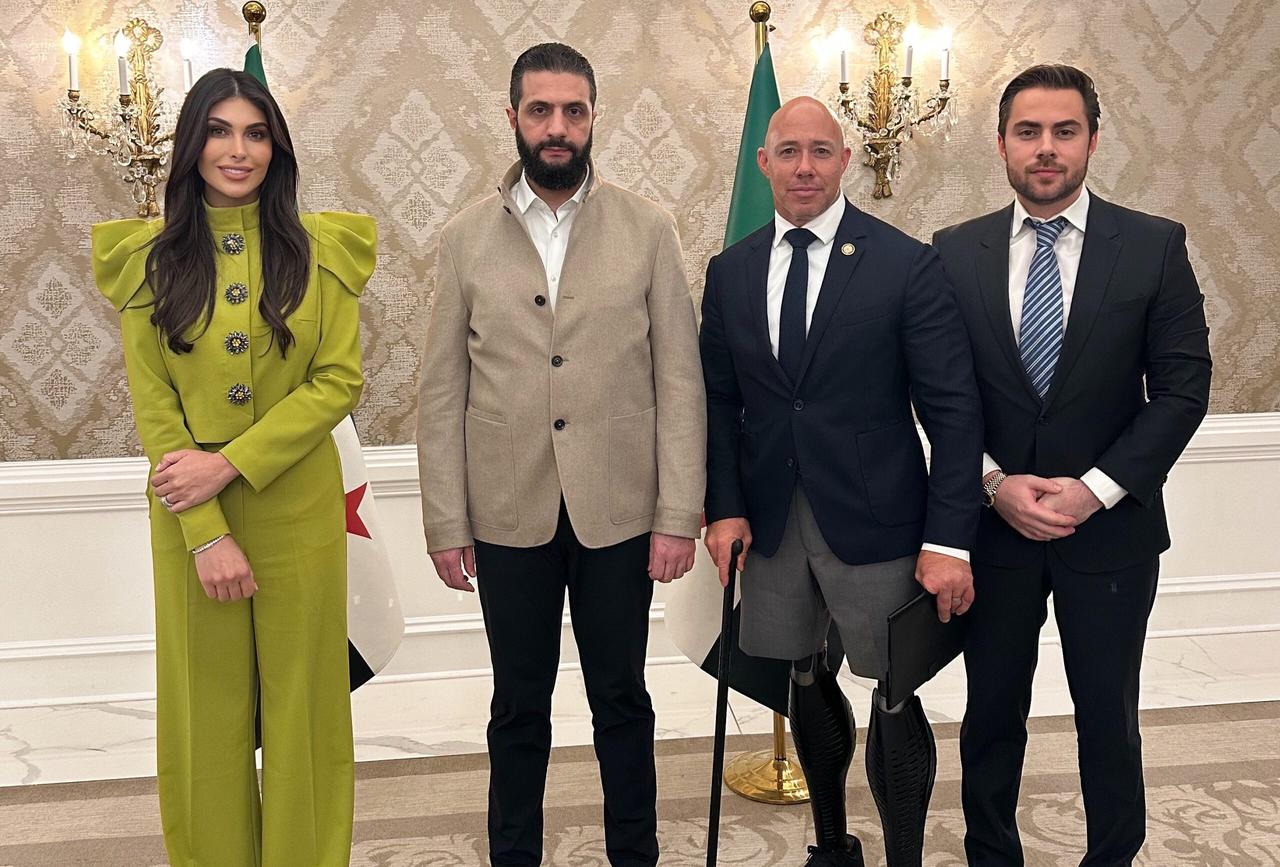
One of the corners at present is Congressman Brian Mast, whose passionate attachment to Israel (he volunteered to assist the Israeli military and has worn an Israeli uniform on Capitol Hill) complicates his approach to U.S.-Turkish relations.
Mast has apparently slow-rolled the approval for F110 engines requested by Ankara for its Kaan fighter aircraft, though the other “corners” are reportedly seeking to move the sale ahead.
The combination of an election year with a “war year” means pragmatism in foreign (or domestic) affairs can easily fall prey to fiery rhetoric and pointed attacks against opposing candidates, with accusations of insufficient vigilance against “bad allies” a tried-and-tested attack vector.
For that reason, high-profile actions to work with, or sell to, Türkiye may seem an electoral liability in 2026, especially to those running in districts with active Turco-skeptic constituencies. Ankara’s efforts to broker de-escalation in Iran, together with Riyadh, Cairo, and Islamabad, may be useful for President Trump, but it may be spun on Capitol Hill as undermining the U.S. in a crisis.
The war is not popular among Trump’s support base, of course, as demonstrated by the Joe Kent resignation.
Kent, a senior counter-terrorism official, gave voice to the suspicion across the “restrainer” wing of the MAGA movement that Trump has made an uncharacteristic blunder in attacking Iran due to the influence of Israel.
The war has broad support from Republicans more generally, though, and Kent can be dismissed as an anomaly to the current Trump administration’s internal discipline unless the war drags on for months and fails to yield desired outcomes.
The course of the next month also intersects with rising intrigue over the Trump succession plan. Will it be Vice President J.D. Vance or Secretary of State/National Security Advisor Marco Rubio? Rubio and the hawkish wing of the party back the interventions in Venezuela and Iran and geopolitical hardball more generally. Vance and a significant portion of the party, on the other hand, supported Trump in large measure due to his abjuration of “forever wars."
So, the more the Iran campaign looks like 'forever,' the more likely it is to become a wedge issue as the fight for 2028 becomes obvious.
The next few months are rife with risk for a president who has been very good for U.S.-Turkish relations and, therefore, with risk for Ankara. The war has led to higher energy prices and given new ammunition to the “No Kings” anti-Trump campaign led by progressive Democrats. It has unsettled a wing of Trump’s support base.
 1 min read
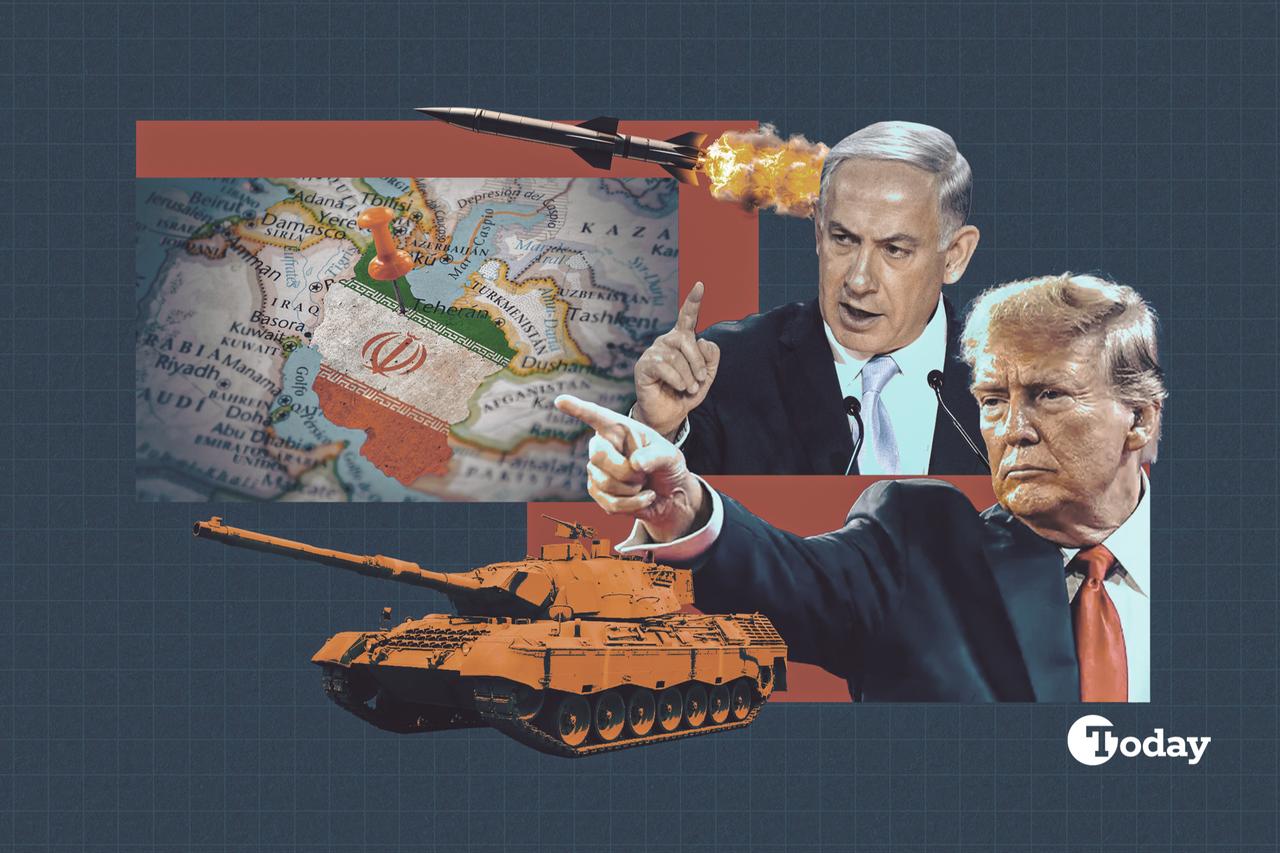
The campaign has been operationally impressive without question, badly damaging Iranian military capabilities and punishing the theocratic regime. But conflict termination matters more than operational virtuosity. If Trump can end this in April, or at least before the summer heat really kicks in, he can claim victory as prices go back down and grumbling grows more muted on the right and the left.
If he can’t, Democrat energy and Republican pique may repudiate Trump at the ballot box in November and deliver a Congress that ties his hands and rolls back his policies where it can.
Ankara’s negotiating efforts may not be without risk, but they are increasingly vital if Trump is to exit the war with the right combination of operational effects and political framing. If Trump navigates these risks, the post-November U.S.-Turkish bilateral relationship will likely resume the steady progress observed in 2025.


 Set as preferred source
 Set as preferred source


 1 min read



