Newsletters


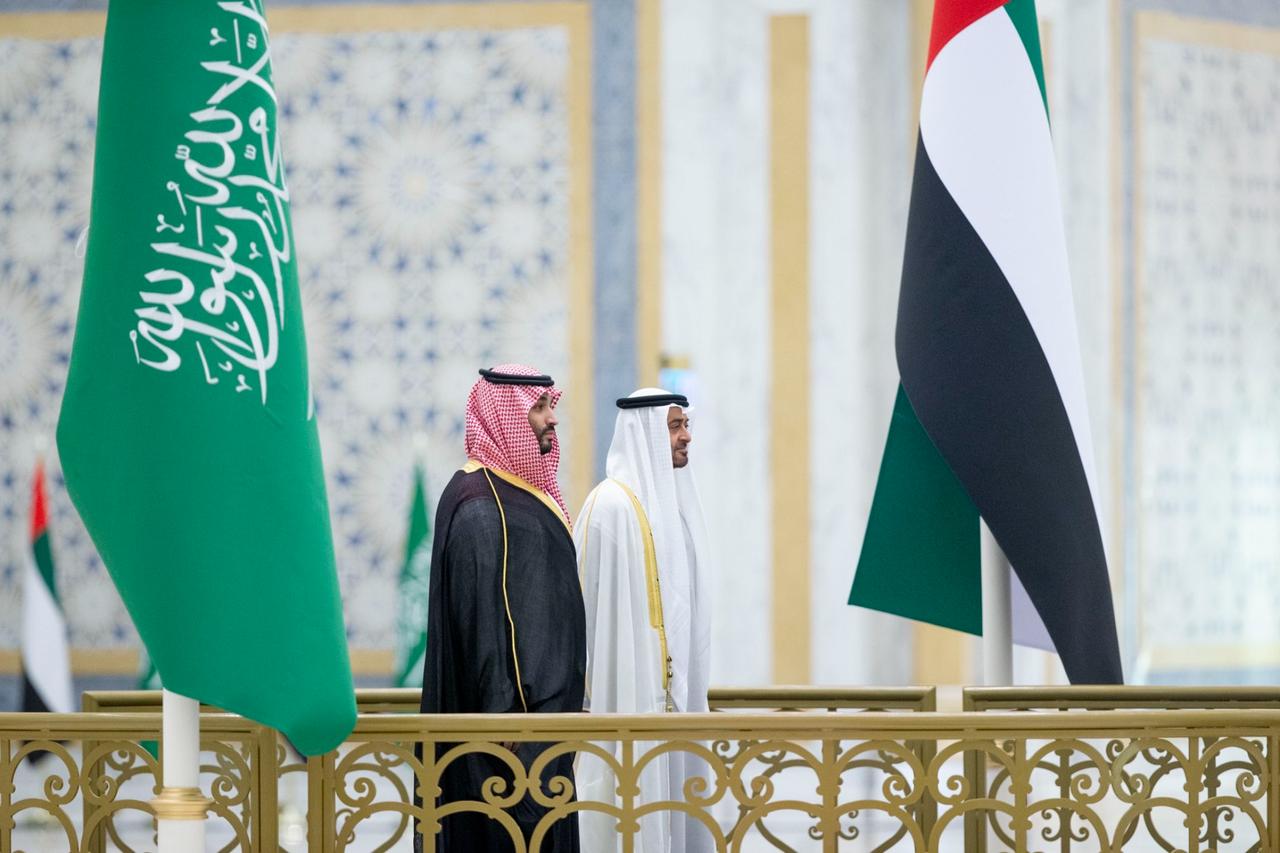


Over the past week, Yemen has witnessed one of the most significant shifts in the conflict since its inception. The UAE-backed Southern Transitional Council (STC) advanced rapidly into key areas of Hadramawt and al-Mahra, altering local power balances and prompting Saudi Arabia to bolster its military presence.
Although these advances have not yet led to full territorial consolidation, they signal a decisive escalation in Yemen’s political struggle for control of its territory. This isn’t just a competition over districts, supply routes, or local command structures. This is a battle for the very concept of Yemen itself.
Yemen has once again become a major player in regional geopolitics due to these developments, not just because of Houthi activity in the Red Sea, but also because regional powers are intensifying their rivalry over how Yemen should be governed and whether it should exist as a single political entity. In this sense, the STC’s military moves represent the visible surface of a deeper crisis.
These are accompanied by a long-term erosion of state authority, competing regional projects, and a sharpening divide between two strategic visions: one that favors fragmented authority managed by proxies, and the other that favors centralized states as regional anchors.
Within this context, Yemen has become a crucial lens through which to understand the accelerating rapprochement between Türkiye and Saudi Arabia.
The local maneuvers on the battlefield are part of a broader rebalancing of regional power, threat perception, and alliance structures within the Middle East.
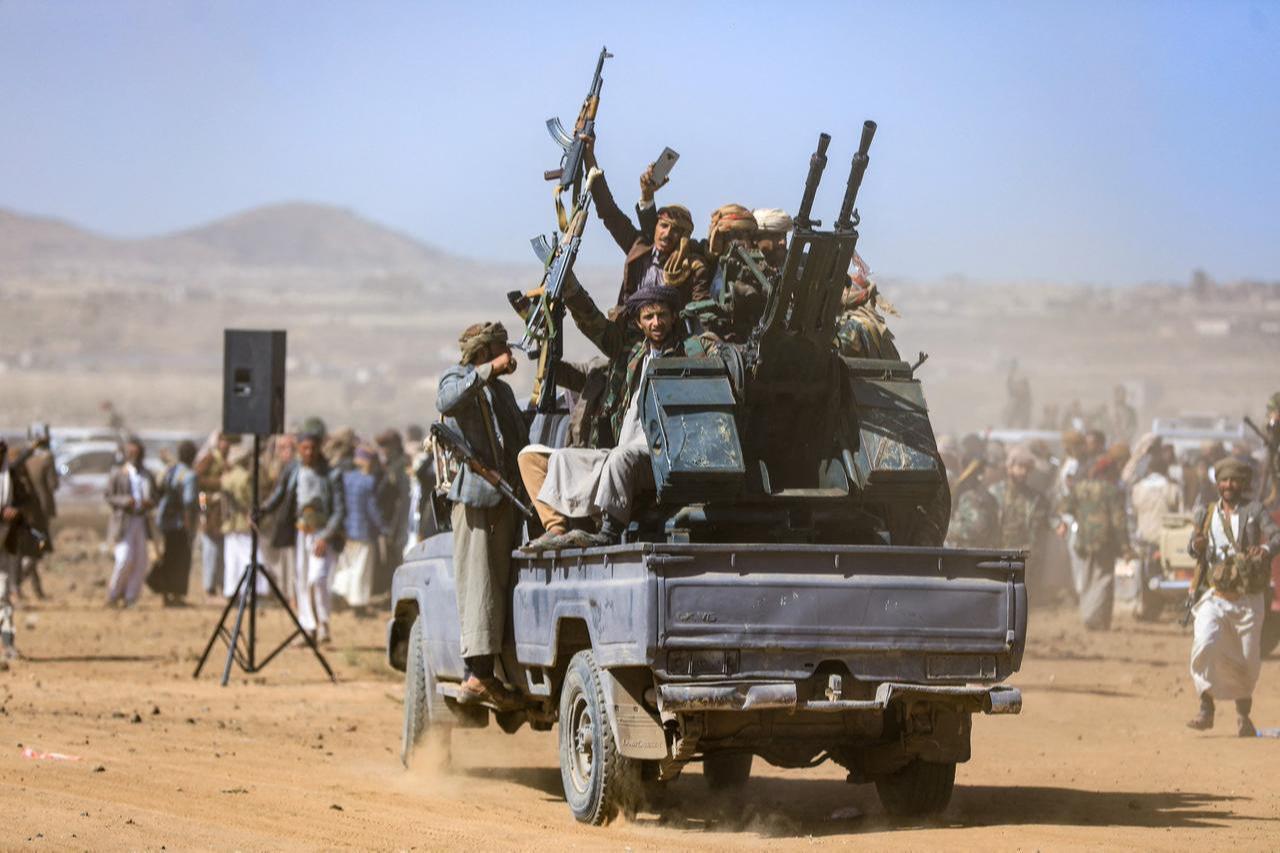

The current Yemen control map revolves around two actors in theory, but three in practice. In the north, the Houthis dominate Sana’a, large portions of the Red Sea coastline, and Yemen’s most densely populated regions.
From a military standpoint, the Houthis are the strongest force in the country, demonstrating that they are not simply an insurgent movement. Despite not having a legal foundation, they collect taxes, administer justice, impose security, and project power beyond Yemen's borders.
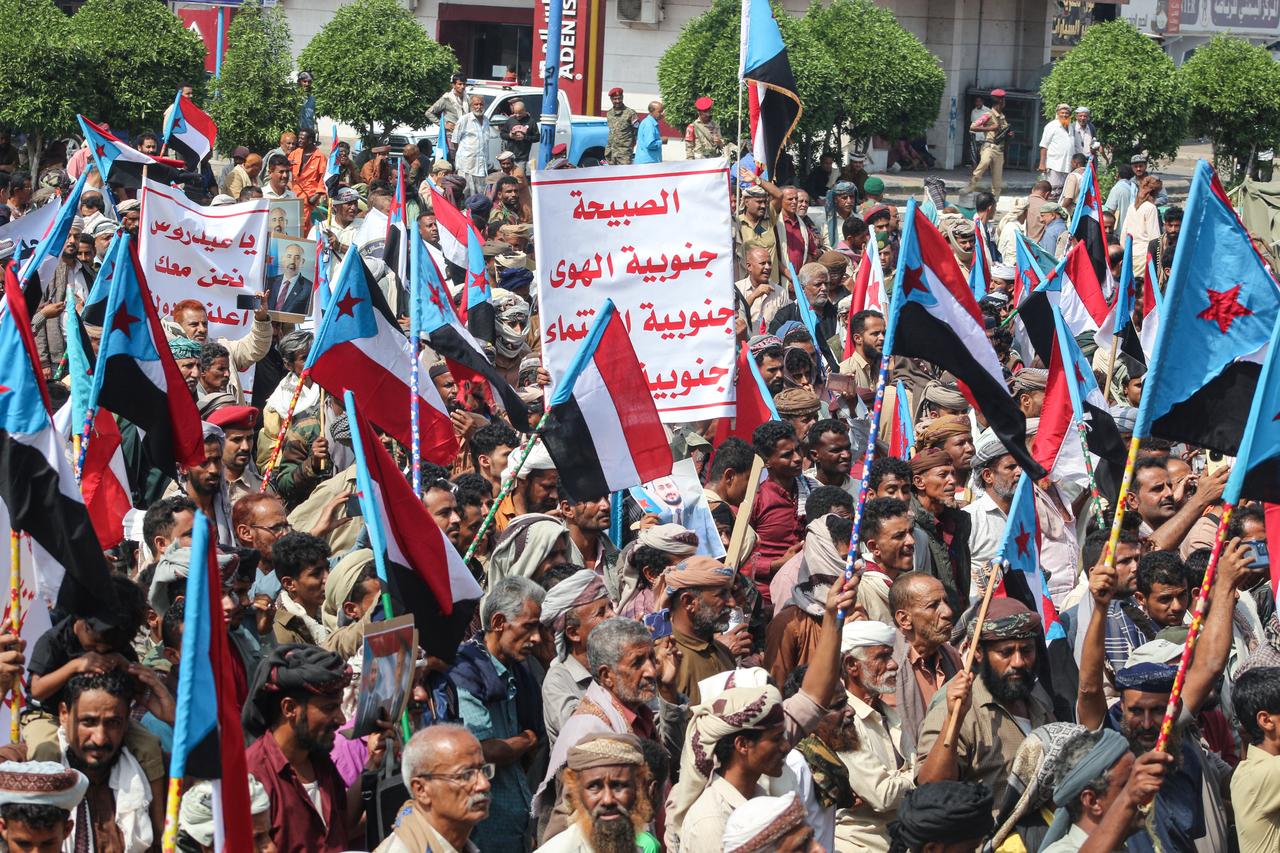
In the south, the STC—backed militarily, financially, and politically by the United Arab Emirates—has established effective control over Aden, Lahij, Abyan, Shabwa, Socotra, and increasingly Hadramawt and al-Mahra. The recent push into these eastern governorates is not a spontaneous escalation but the culmination of a long-planned strategy.
Hadramawt and al-Mahra are indispensable to any viable southern state project due to their energy resources, port access, territorial depth, and proximity to Oman. Without them, the STC’s vision of a revived South Yemen would remain economically hollow and geopolitically incomplete. These advances, therefore, are strategic rather than tactical.
The internationally recognized Yemeni government, by contrast, has largely vanished from the battlefield. Its authority is confined to fragmented pockets in Marib and Taiz, while it has effectively lost control of Aden, its nominal interim capital.
At this stage, the Yemeni government functions more as a diplomatic label than as a governing institution, maintaining international legitimacy.
The erosion of state authority has reached a point where the central question is no longer which faction will prevail. Instead, it is who redefines the Yemeni state itself.
It is essential to situate Yemen's trajectory within the broader, multilayered rivalry between Saudi Arabia and the UAE.
The rivalry extends far beyond Yemen, including economic competition, political visions, and military doctrines across the Gulf and the wider Middle East. For a while, Riyadh followed or bandwagoned Abu Dhabi's regional lead.
This alignment manifested itself in Libya through support for Khalifa Haftar, through the empowerment of Madkhali Salafi networks, and in tentative efforts to normalize relations with the Assad regime.
Over time, however, these policies proved ineffective and strategically costly for Saudi Arabia.
They neither produced stability nor secured Riyadh’s long-term interests.
The recalibration began alongside the normalization of Saudi–Turkish relations and accelerated as the regional threat environment evolved.
Iran’s forward projection weakened, Hezbollah lost ground in Syria, and Tehran became increasingly preoccupied with internal security and intelligence vulnerabilities following Israeli strikes. Transnational jihadist threats such as Daesh receded.
The extremist movements, once perceived as existential threats to Gulf monarchies, have largely disappeared from the battlefield.
In contrast, a more concentrated and unmistakable threat has emerged: Israel’s untamed military aggressiveness. Israel's expansion of its operational footprint near Gulf security zones like Qatar, along with the genocide in Gaza, fundamentally altered threat perceptions. For Gulf capitals, the strategic question has shifted from managing diffuse ideological threats to confronting a destabilizing regional power unconstrained by international norms.
In this environment, Türkiye emerged as the only actor with both military capability and strategic autonomy capable of serving as a counterbalancing force.
Türkiye’s record in Libya, Azerbaijan, Syria, and Ukraine demonstrated its ability not merely to manage crises but to decisively alter power equations. Saudi Arabia increasingly concluded that the UAE’s reliance on fragmented authority structures, militias, and port-centric control mechanisms would ultimately lock the region into an Israel-centric security architecture.
The alternative was a return to a more traditional doctrine: preserving centralized states as pillars of regional stability.
This logic now underpins Riyadh’s growing emphasis on territorial integrity in Yemen, Sudan, and Libya—and it is precisely this logic that aligns Saudi Arabia with Türkiye.
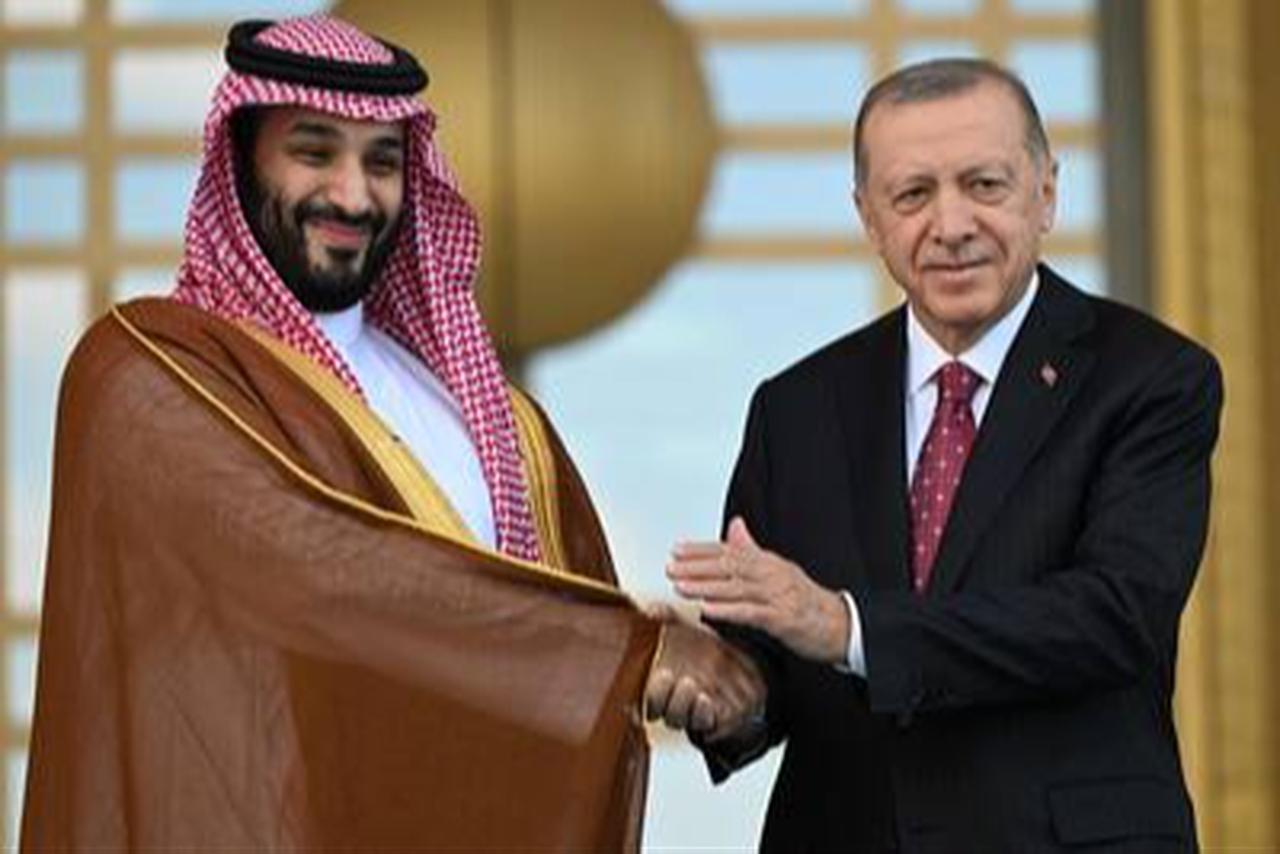
Yemen has become one of the clearest arenas in which the Türkiye–Saudi convergence is taking shape. Riyadh is now openly contesting UAE-backed partitionist projects and responding militarily to attempts at entrenching southern secession.
This posture reflects not a tactical disagreement but a strategic break. Yemen, like Sudan and Libya, is increasingly viewed by Saudi decision-makers as a frontline in determining whether the region will be governed by fragmented proxy entities or restored central states.
In the coming period, deeper Türkiye–Saudi cooperation across these three theaters is increasingly plausible. Libya may witness the consolidation of a more centralized state structure by 2026; Sudan could see intensified efforts to prevent irreversible fragmentation; Yemen may follow a similar trajectory.
In each case, Saudi Arabia’s rivalry with the UAE is likely to shift from quiet competition to more explicit confrontation—drawing Türkiye further into the field as a balancing partner.
Yemen thus illustrates the defining characteristics of an emerging regional order. What is unfolding is not simply a new phase of civil war but a moment of structural rupture in which sovereignty, statehood, and regional alignment are being renegotiated.
Crucially, this renegotiation is no longer driven solely by the logic of fragmentation. A renewed, if fragile, search for stability through centralized state authority is re-entering the regional agenda.
Yemen remains the most difficult testing ground for this vision. Yet it is precisely because of its complexity that Yemen offers the clearest insight into where the Middle East may be heading.
Decisions taken there will resonate far beyond its borders, shaping not only Yemen’s future but the strategic architecture of the Red Sea and the wider region.


 Set as preferred source
 Set as preferred source


 1 min read

 1 min read