Newsletters


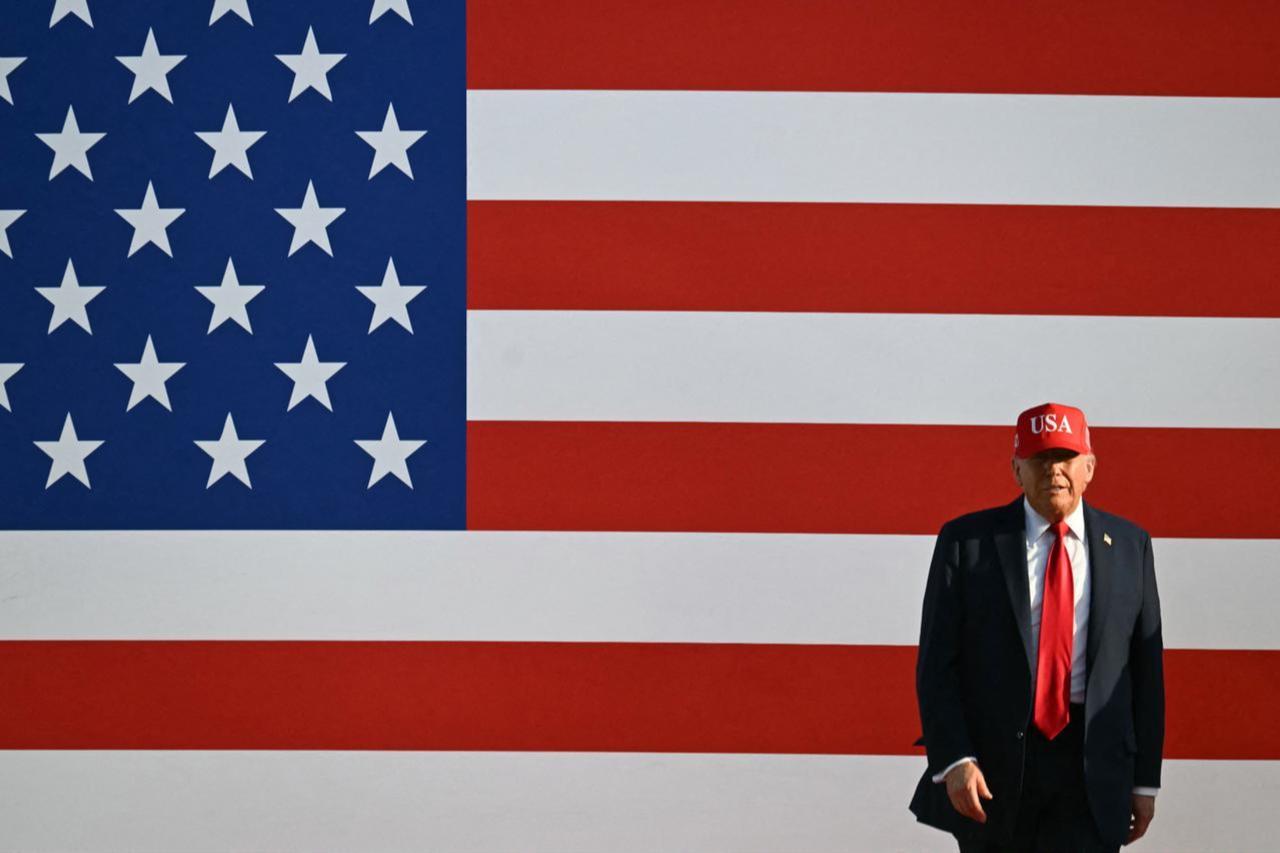
Israeli Prime Minister Benjamin Netanyahu met with President Donald J. Trump on Dec. 29, marking the latest in a steady stream of interactions between the two leaders.
While the optics suggest a standard diplomatic engagement, the frequency of these meetings begs a deeper question: Why the constant contact?
For Trump, the primary motivation likely transcends foreign policy. It is about managing the internal friction within the MAGA movement, a conflict he must keep from spiraling out of control.
In this context, Israel has effectively ceased to be merely a foreign policy item for the United States; it has emerged as a domestic wedge issue.
The fault lines within the MAGA camp are becoming increasingly distinct. We are seeing a split that is both ideological, pitting localists against revisionists, and geopolitical, divided between the Israel hawks and the Israel skeptics.
While this divide is often personified by the public clash between figures like Tucker Carlson and Mark Levin, it runs much deeper than just two pundits.
At its core, the friction stems from America’s ballooning trade deficits and conflicting perspectives on how to arrest them. American interventionism is shifting from being the rule to the exception.
This shift effectively redefines America’s role on the global stage.
Consequently, Trump’s various peace initiatives are significant not just for resolving specific conflicts, but as a signal of the weight he now places on regional powers to handle their own backyards.
Amidst this realignment, Türkiye has found a significant window of opportunity. The rise and spread of Israel-skepticism within Trump’s inner circle has inadvertently elevated Türkiye’s strategic value.
Historically, Türkiye’s grievances were often sidelined by influential foreign policy interest groups, with campaigns frequently organized to bypass or undermine Ankara’s interests.
This time, however, the landscape is different. Türkiye has found an aligned bureaucratic elite, a sympathetic media environment, and a social base, however limited it may be currently.
This represents a vital strategic asset for Türkiye. On long-standing points of contention—such as the status of the SDF in Syria, the F-35 program, and Türkiye’s broader role in U.S.-Middle East relations—Ankara’s arguments are finally being met with understanding.
More importantly, they are receiving validation and messages of support from the highest levels of the administration.
When we look back at previous administrations, it is clear that this dynamic is both novel and fluid. There is now a high potential for shaping American public opinion in a way that was previously inaccessible.
Moving forward, Turkish public diplomacy has the chance to develop new strategies specifically tailored to these unique, shifting dynamics within the American political right.
The acquisition of F-35 jets is a critical piece of this puzzle. Given the regional risks Ankara faces, establishing air superiority is viewed as indispensable for building credible deterrence.
Trump’s recent statements suggest that concrete steps toward selling the F-35 to Türkiye are on the horizon. Of course, realizing this sale depends heavily on how Türkiye navigates the S-400 issue.
However, unlike Biden, who used the S-400 file primarily as a tool to pressure and isolate Ankara, Trump appears intent on keeping cooperation channels open. He is looking for a solution, not a cudgel.
For Türkiye, this is a pivotal opportunity. U.S.-Türkiye cooperation could prove instrumental in overcoming bilateral hurdles, particularly where regional bottlenecks exist.
New conflict zones emerging in Somalia, Yemen, and Sudan are pushing Türkiye closer to countries seeking to maintain the status quo, notably Saudi Arabia.
The convergence of Turkish and Saudi interests is a development Trump values highly.
The formation of a regional bloc capable of establishing new norms would significantly alleviate the pressure on Washington to intervene directly.
For a president looking to prioritize domestic renewal over foreign entanglements, a self-sufficient regional architecture led by allies like Türkiye and Saudi Arabia is the ultimate goal.


 Set as preferred source
 Set as preferred source


 1 min read
 1 min read