

 Newsletters


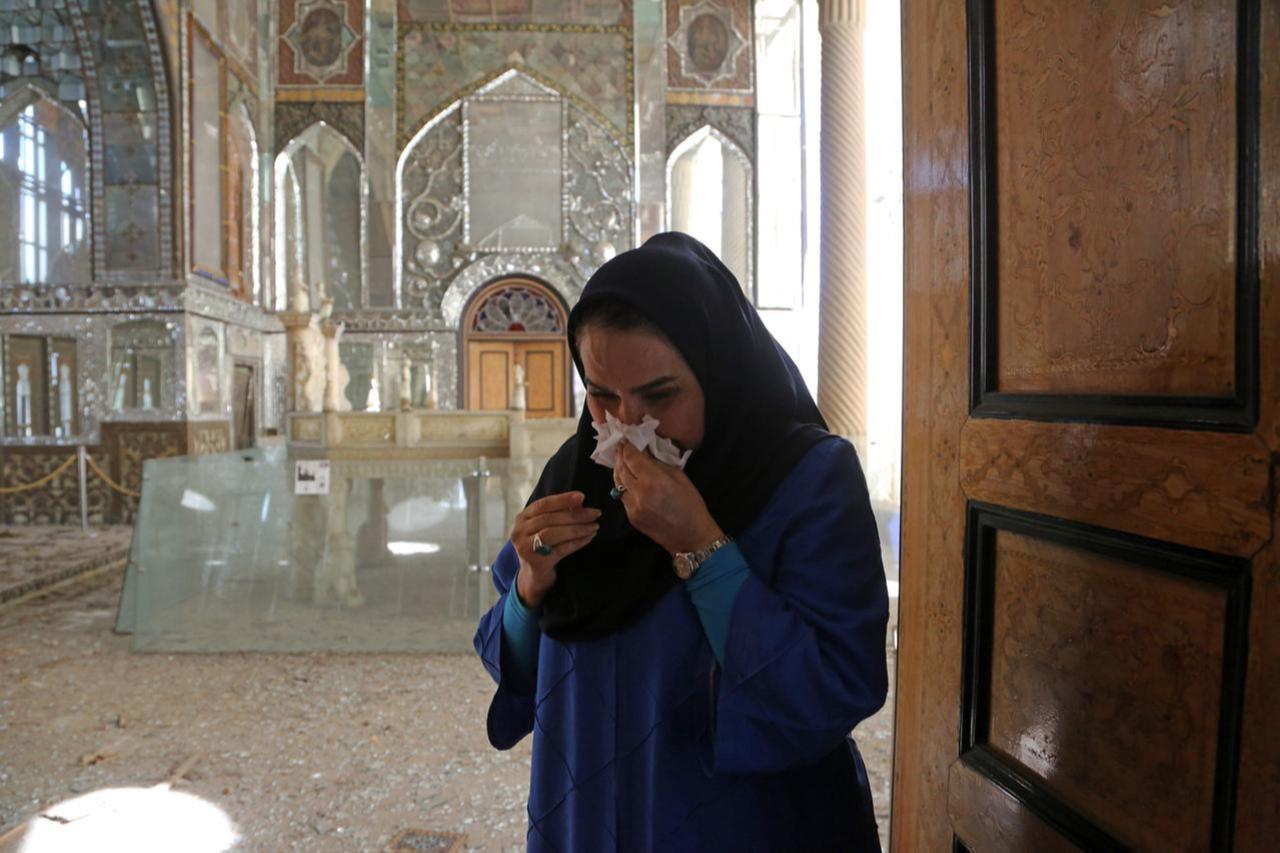


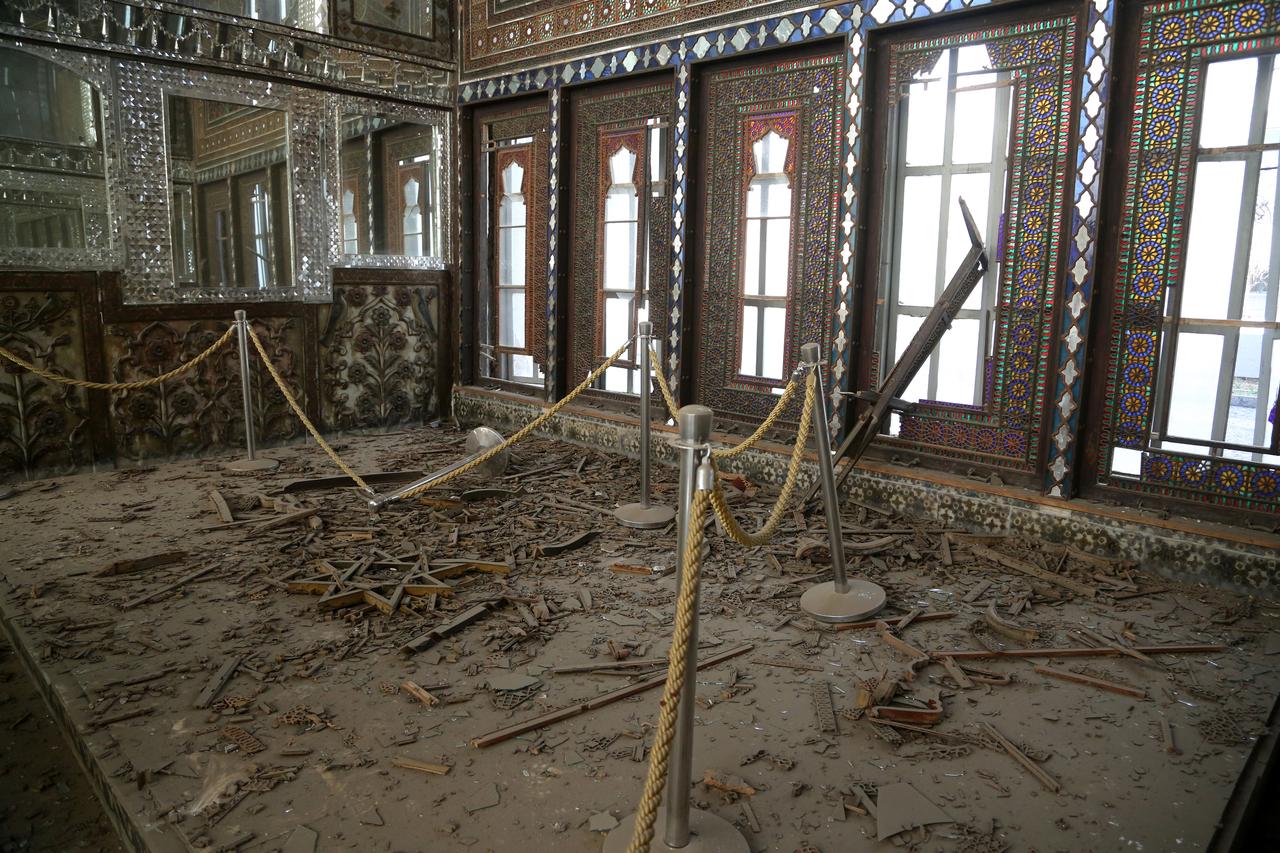
There is finally a fragile ceasefire in the Middle East. Besides devastating humanitarian and economic losses, the war so far has also damaged Iran's cultural heritage. The country claims as many as 131 monuments have been damaged, mostly in Tehran and Isfahan.
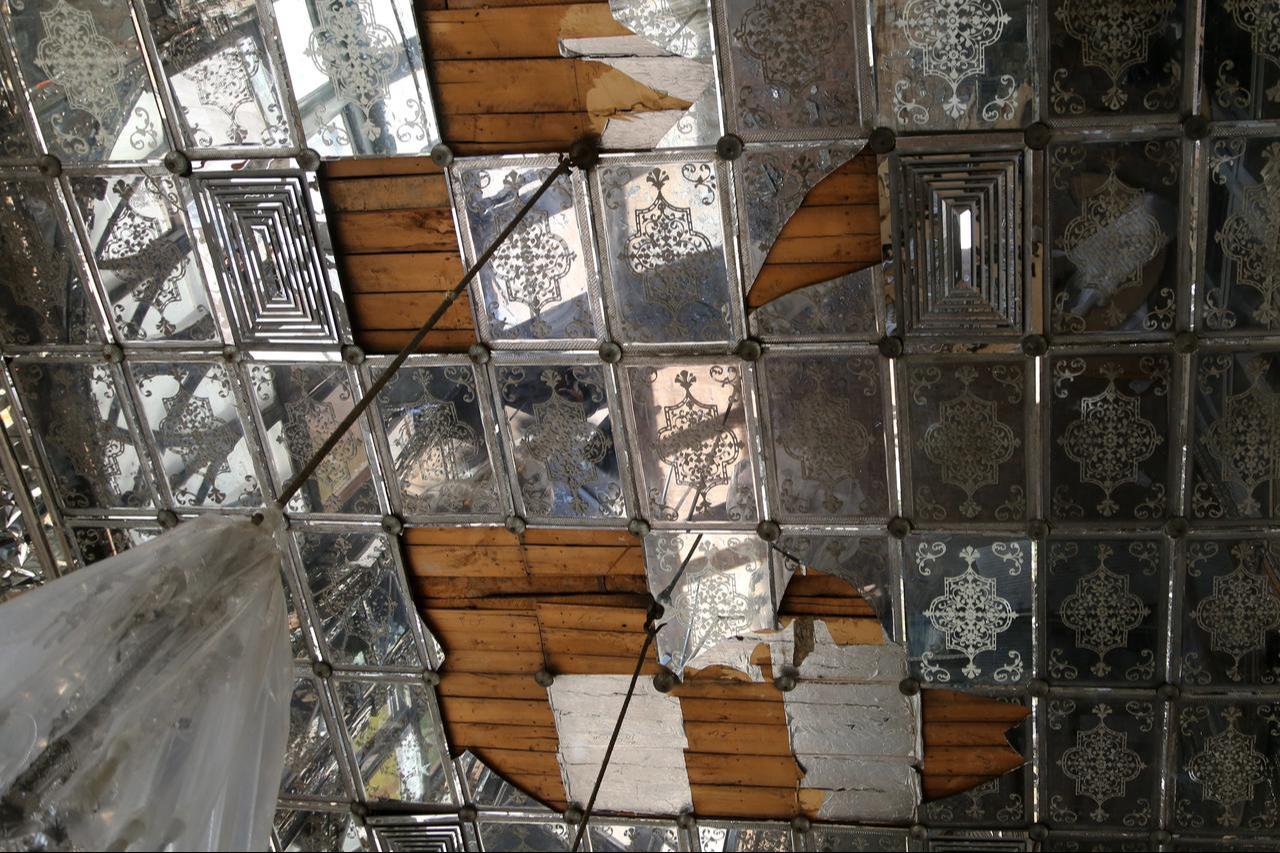
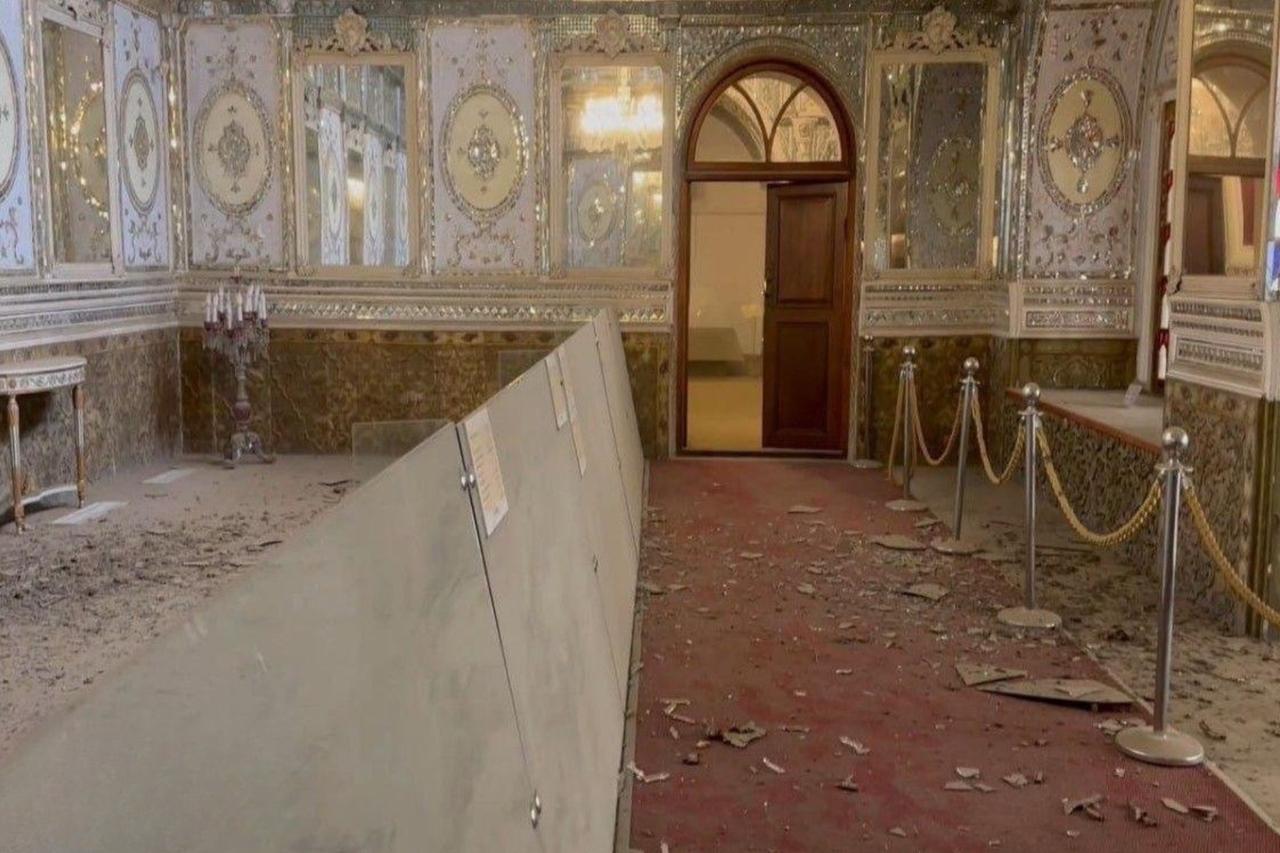
Nearby explosions have reportedly damaged Tehran’s Golestan Palace and Isfahan’s Chehel Sotoun Pavilion.
Major sites, including Isfahan’s medieval Seljuk-era Jameh Mosque and Ali Qapu Palace and Tehran’s Sadabad Palace complex, are among the treasures that have been partially damaged.
Although none of the monuments suffered a devastating calamity, they remain under serious risk if fighting is to resume in the coming days.
Also, these sites are highly fragile, and even mild damage is a loss hard to bring back.
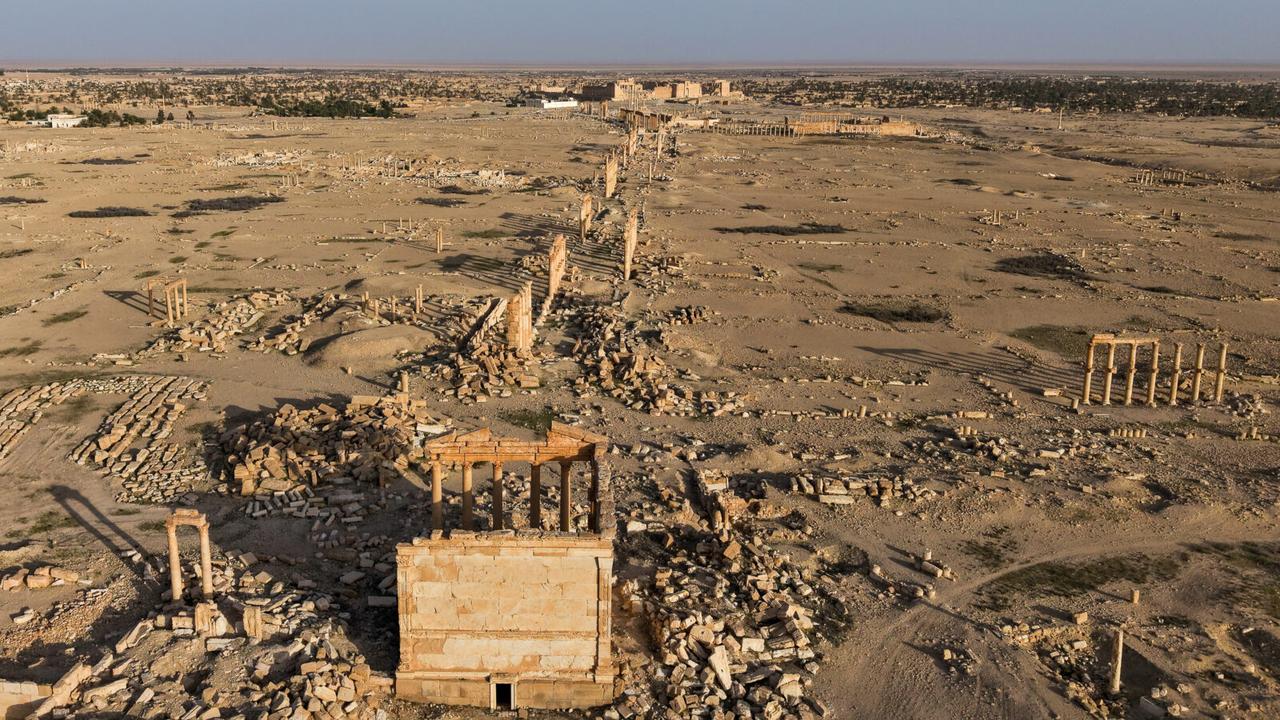

Iran’s monuments are not exceptions. UNESCO has an extensive list of 53 heritage sites that are under threat for various reasons.
The list does not include Iran’s sites at present. Sites in Syria, Libya, Mali, Yemen, Afghanistan, Lebanon, Iraq and Ukraine stand out as sites under threat from war and conflict.
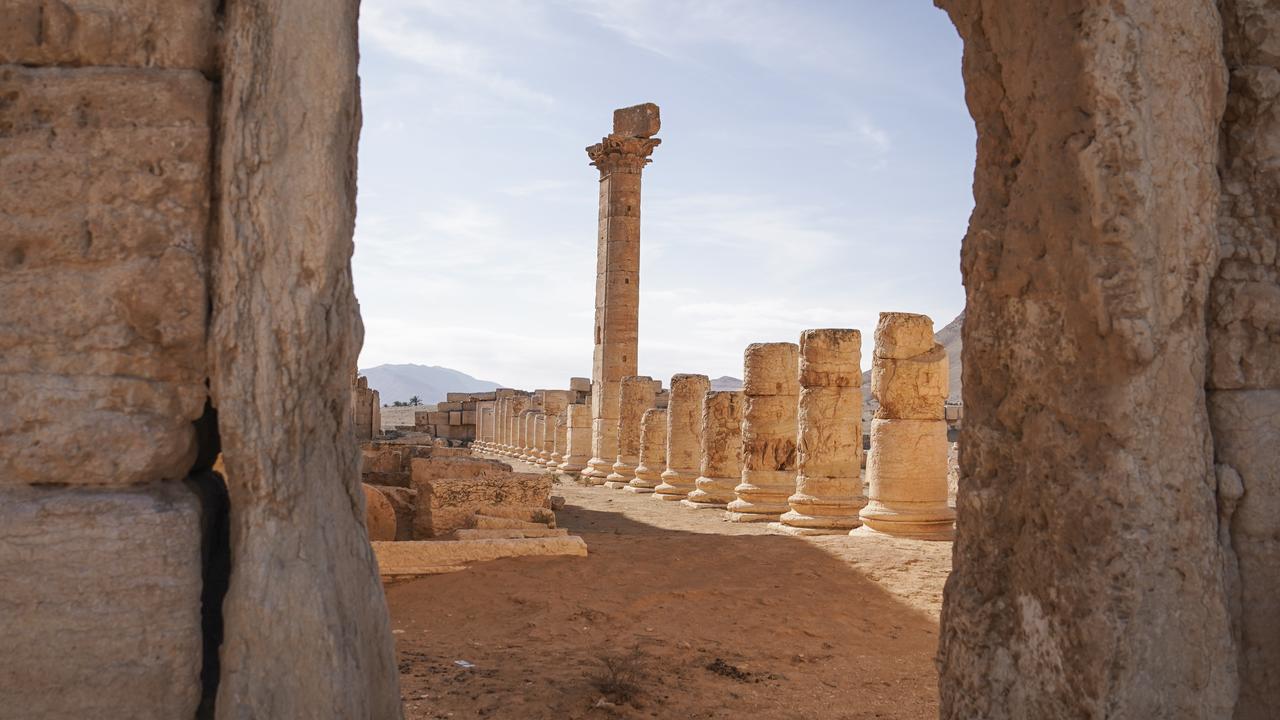
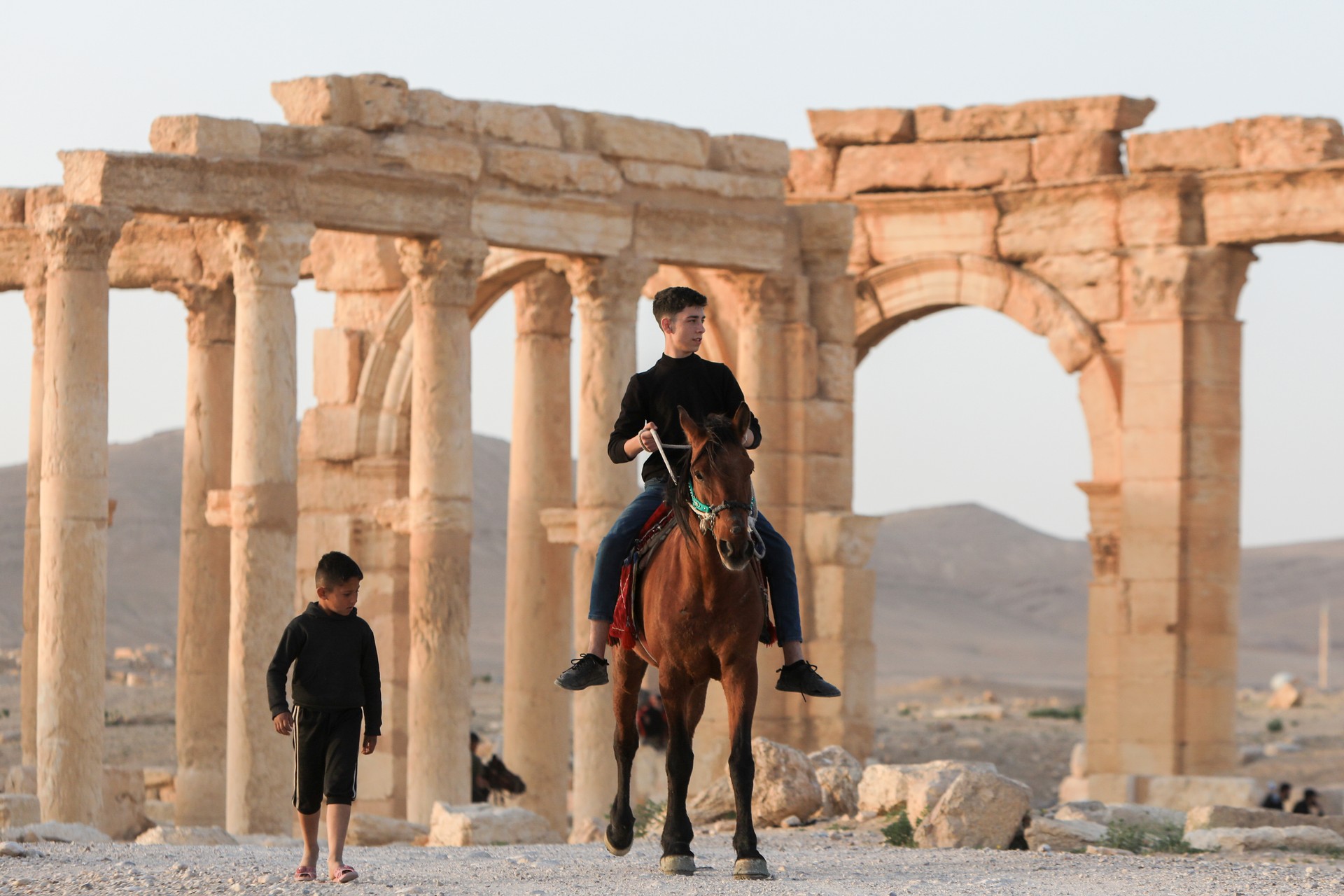
In recent history, the ancient cities of Aleppo and Palmyra have been devastated by civil war and intentional destruction in Syria. All six UNESCO sites in the country, a list that includes Crac des Chevaliers and the ancient city of Damascus, are considered to remain at risk.
All heritage sites in Afghanistan also remain at risk. In Iraq, three sites, the archaeological cities of Samarra, Hatra, and Ashur, are on the danger list.
The ancient Lebanese cities of Baalbek and Tyre are also at risk from the ongoing war with Israel.
To the south of the region, the Old Walled City of Shibam, the Old City of Sana’a, Historic Town of Zabid remain under constant risk from internal instability in Yemen. In Gaza, the Saint Hilarion Monastery was added to the danger list in 2024.
The threat to cultural heritage is not just a Middle East phenomenon. In Ukraine, the war has led to emergency protection status for the Historic Centre of Odesa, the Saint Sophia Cathedral in Kyiv, and the ensemble of L’viv, all of which face the threat of missile strikes.
In Africa, prolonged civil strife and militia activity continue to endanger the historic sites of Timbuktu and Djenné in Mali.
Libya’s ancient ruins, including Leptis Magna and Cyrene, also remain on the danger list due to the presence of armed groups and the lack of security following years of civil unrest.
In the face of such a dire situation, can the international community make a difference? If the ceasefire holds in Iran, the international community should start by helping Iran restore the damaged sites.
The same should apply to all the countries, such as Lebanon, Syria, and Ukraine, as conditions permit. In sum, we need a 21st-century version of the Monuments, Fine Arts, and Archives (MFAA) program.
The MFAA, famously known as the Monuments Men, was a task force that tried to save European cultural heritage looted by the Nazis.
Their crowning achievement was to save the Ghent Altarpiece, one of the most important paintings in the history of Western art.
Today, the restoration of Golestan and Chehel Soutoun and other sites should be the primary goal for UNESCO and the international community. The restoration of other sites in Iran and the region should follow.
The international community has failed miserably to stop conflicts in the last few decades. Under such strains, it will not be realistic for cultural heritage to be taken seriously and protected.
However, restoring the damage caused by the conflicts in the aftermath is doable and should be set as an achievable goal. We owe this much to the treasures and heritage of the wider Middle East.


 Set as preferred source
 Set as preferred source


 1 min read
 1 min read


