Newsletters


The international community lacks any serious tools to protect the world's cultural heritage from war and conflict.
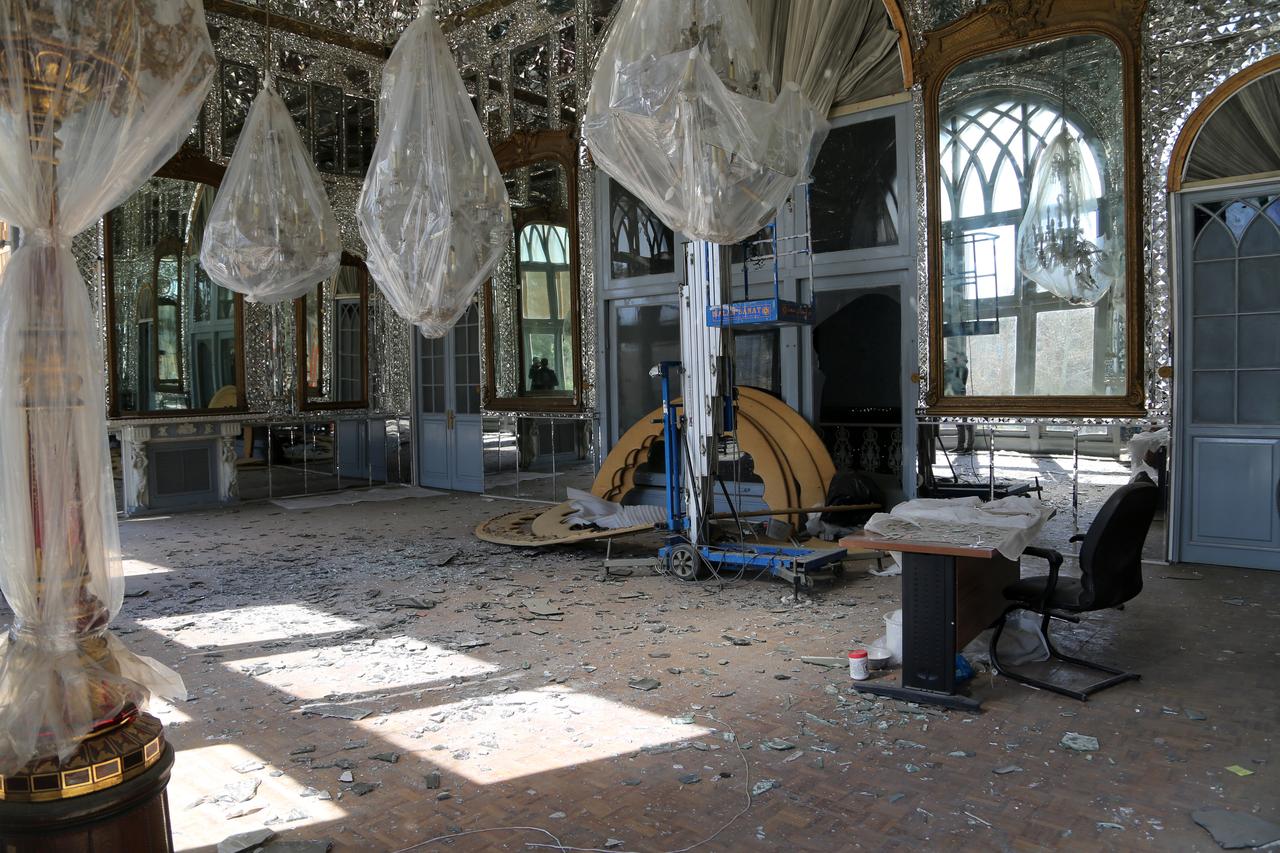
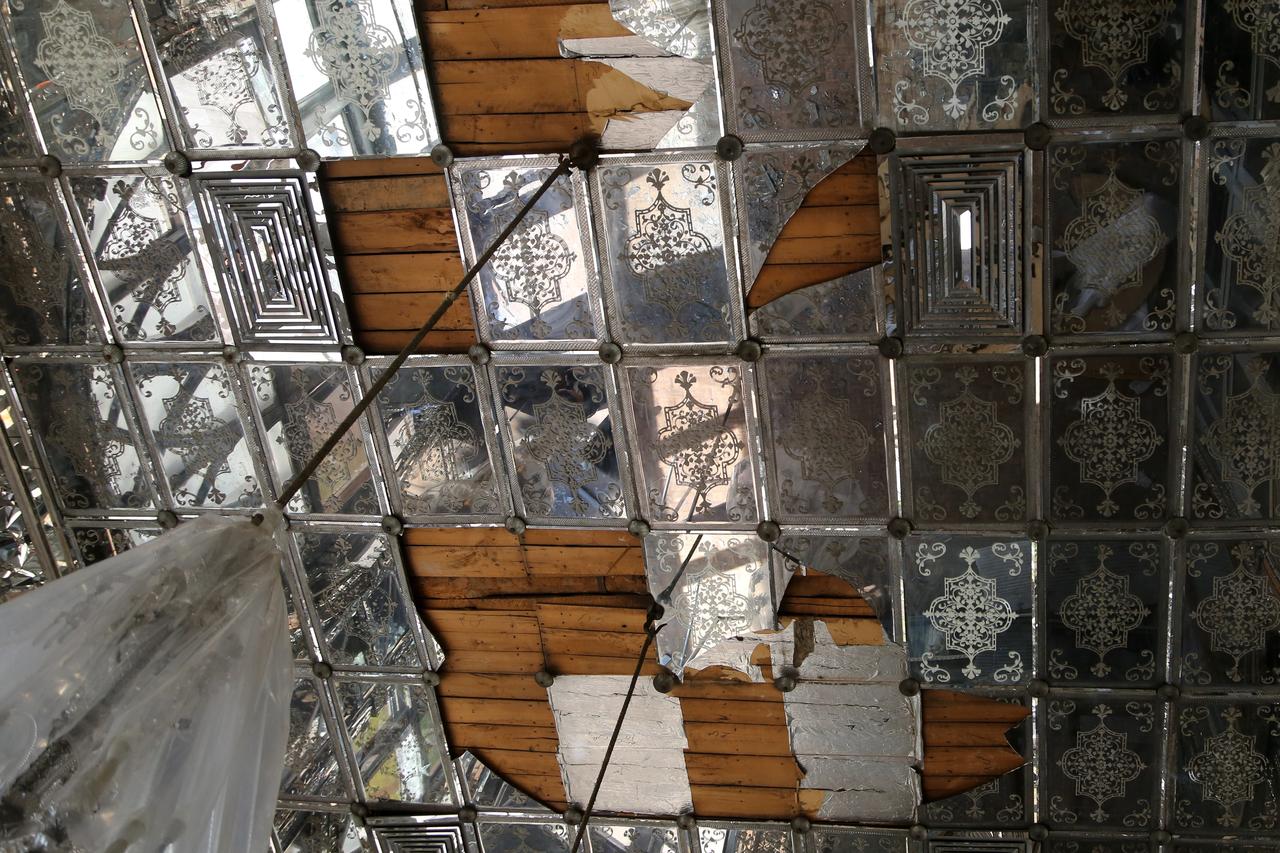
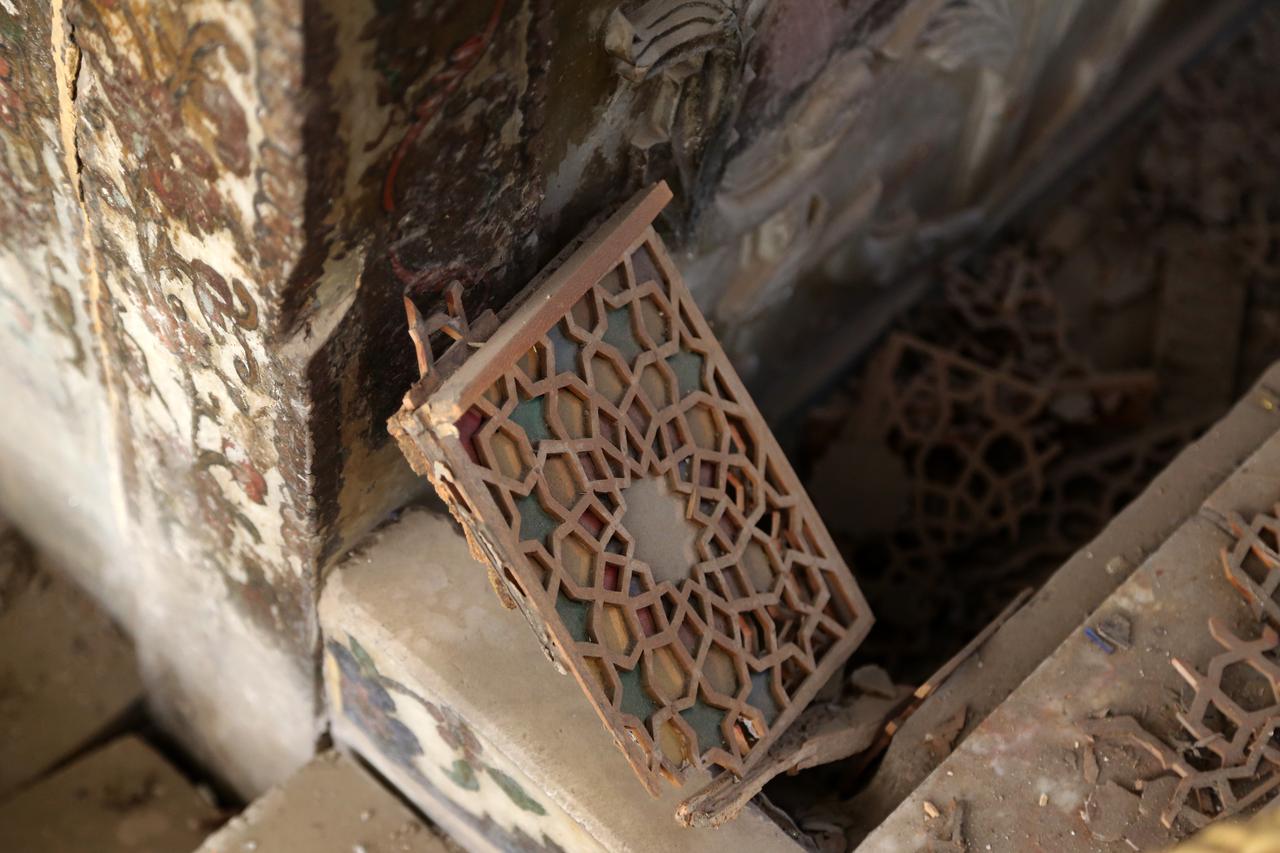
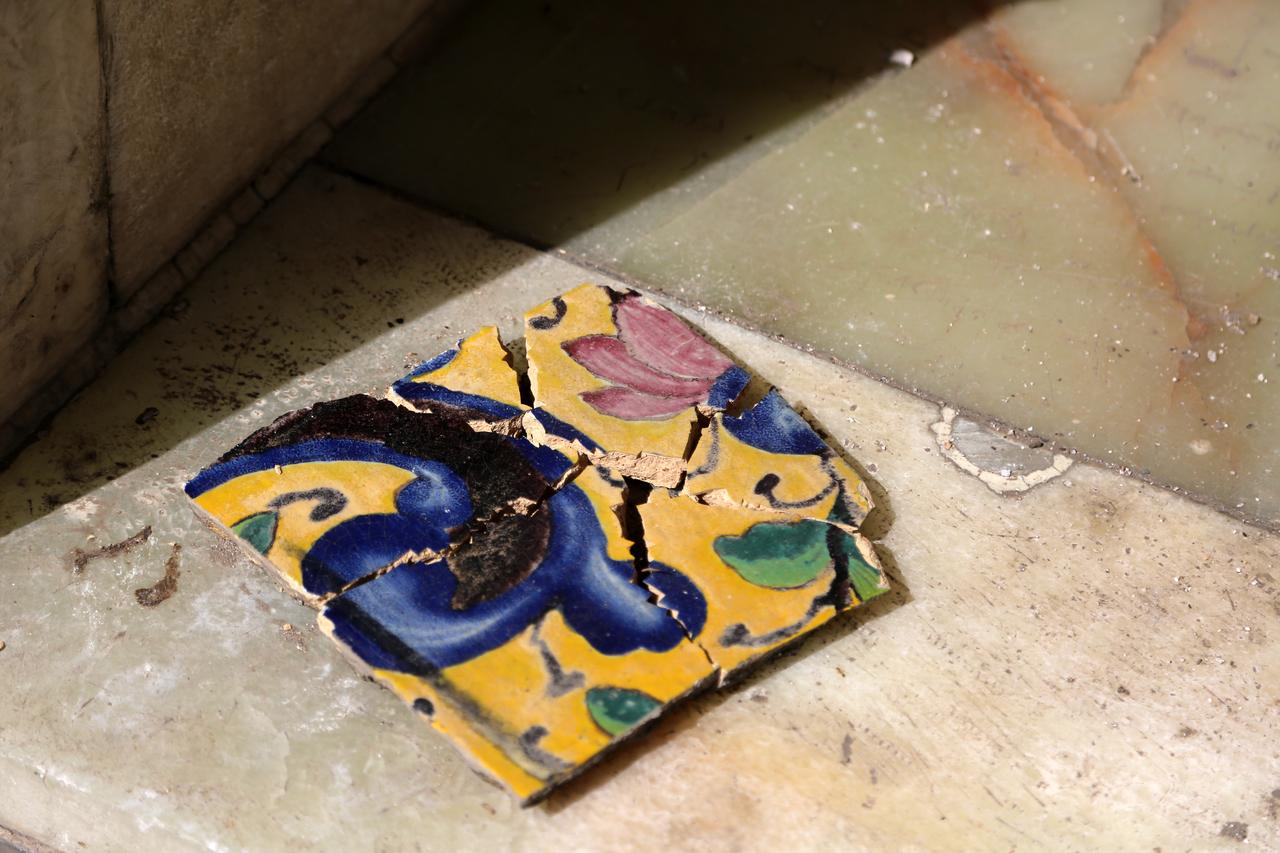
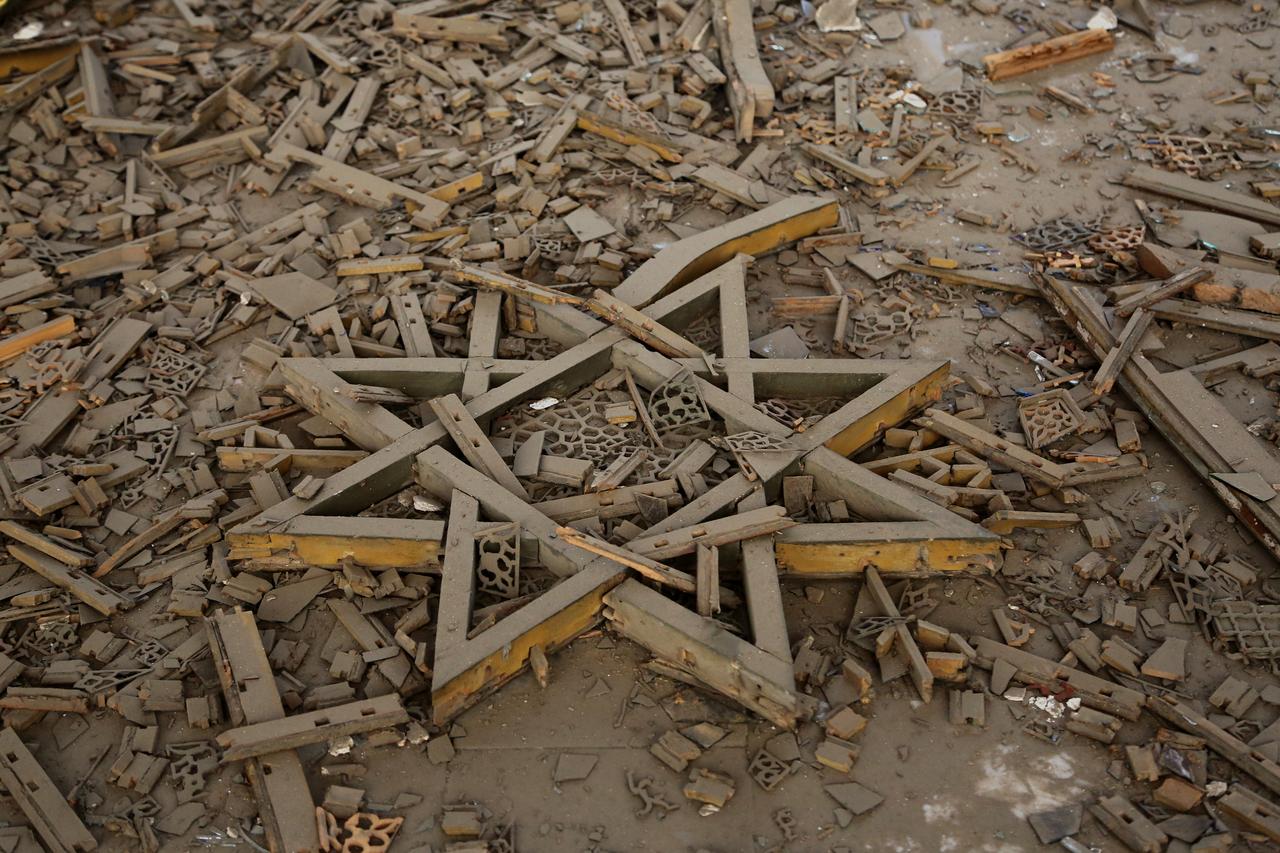
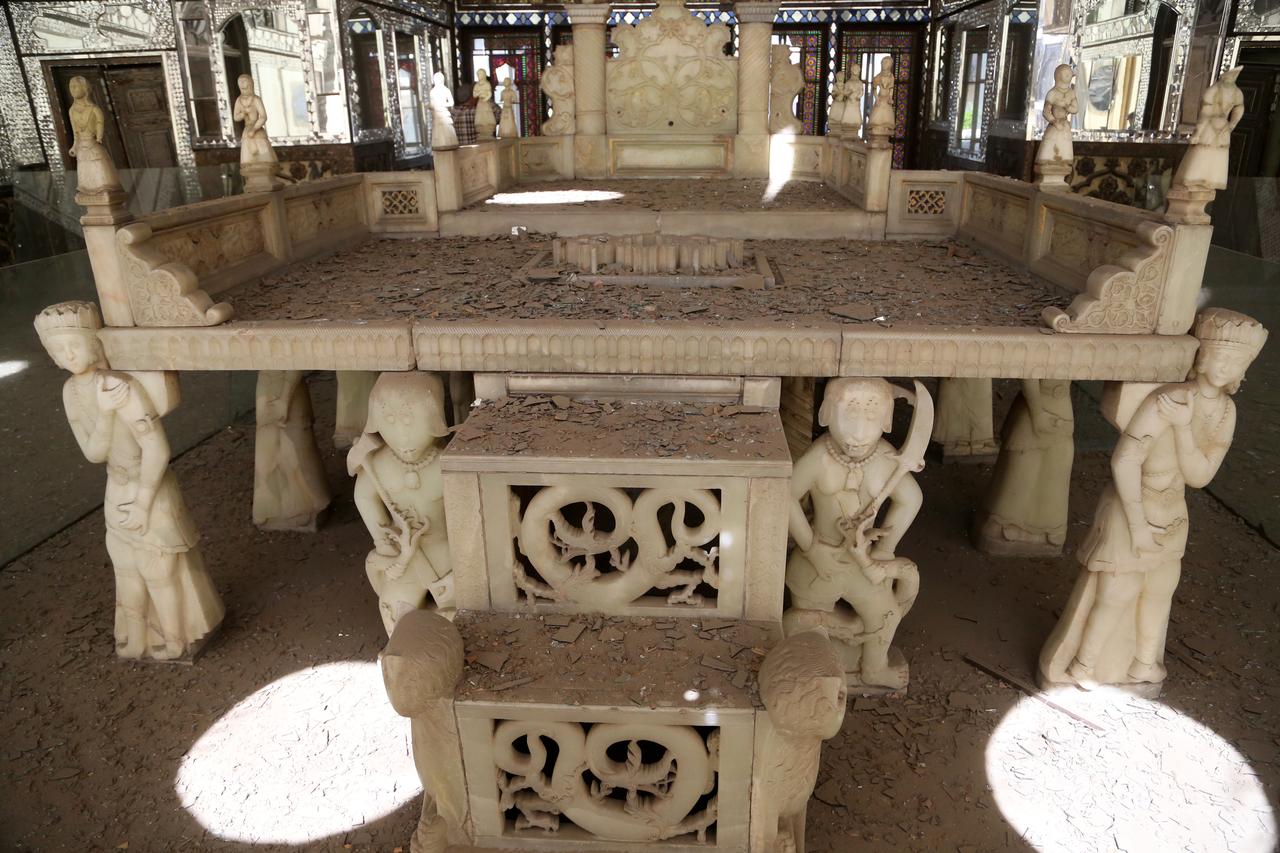
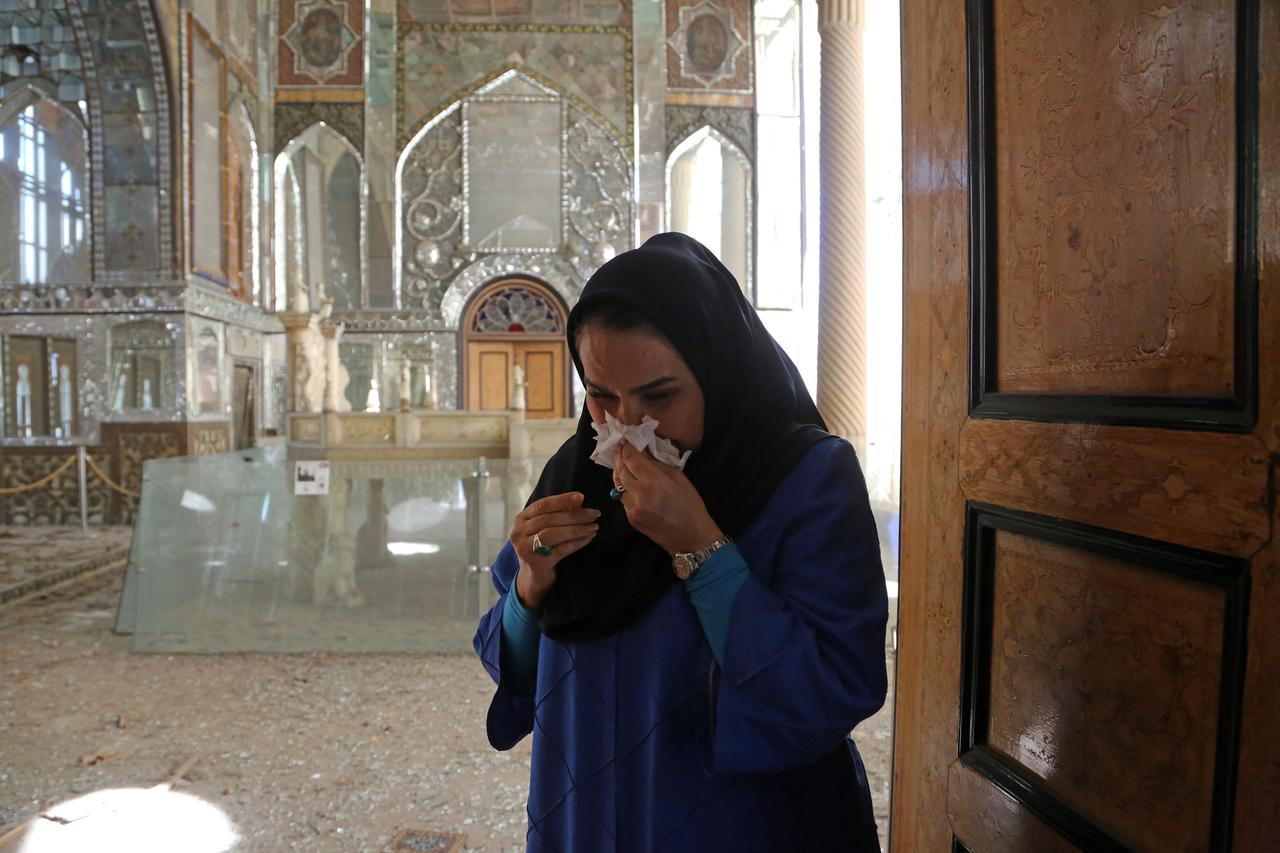
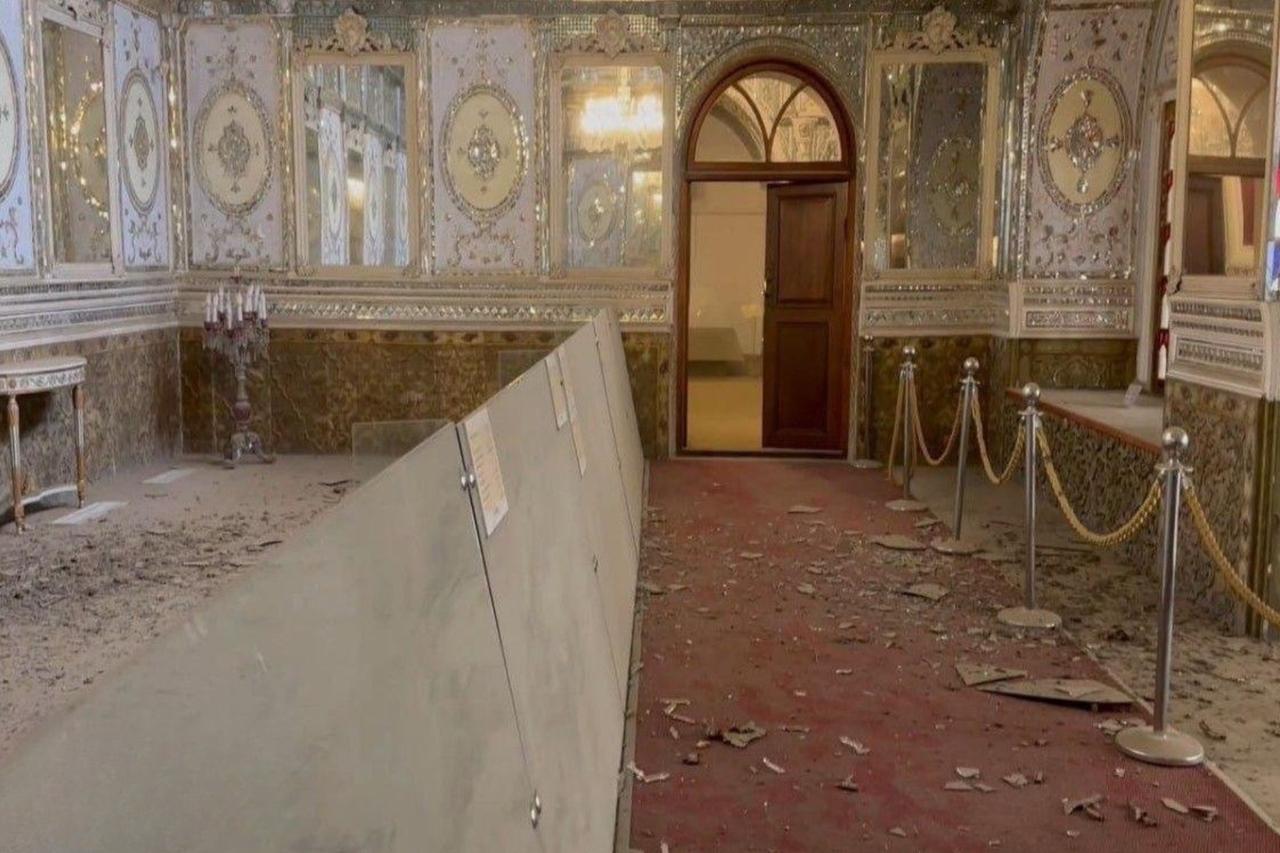
Iran has been the latest example. Tehran’s Golestan Palace was damaged by a nearby airstrike targeting a police station and a judiciary building on March 2. The palace, one of Iran’s 29 UNESCO world-heritage sites, received considerable damage by debris and shockwaves from the explosions. Historic windows, intricate mirror mosaics and ceiling decorations in the renowned Mirror Hall and Marble Throne Hall as well as other sections of the palace.
For those who love Iranian history, the image of the 18th century Golestan Palace takes them not just back to the Qajar era but also the heydays of the last Shah of Iran. The Shah had chosen the Salam Hall of the palace for his 1967 coronation which has been a key image of 20th century Iran. In documentaries you also see him in the palace for important ceremonies. Visiting the palace resembles going to a festival of light and color. Thousands of mirror mosaics and colorful tiles and glass adorn the walls.

In fact, cultural property is protected under international law. The 1954 Hague Convention for the Protection of Cultural Property in the Event of Armed Conflict and the 1972 Convention concerning the Protection of the World Cultural and Natural Heritage do provide a legal basis and certain protection mechanisms. However, in practice it is up to the good-will of the belligerents. UNESCO also issued a statement expressing concern and underlining that it had communicated the coordinates of world-heritage and other significant sites to all parties. Iran also demanded an inspection of the site by UNESCO.
The Golestan Palace once again showed that cultural heritage in war zones remains at serious risk. In the face of human loss and suffering, the concern for cultural sites might seem frivolous and even revolting. That is quite agreeable. However, vulnerable and fragile monuments, like human loss cannot be ever replaced.
We do not even know how much and what exactly we lost in the libraries of Baghdad and Alexandria. We can, on the other hand, remember Klimt’s ‘faculty paintings’ or Raphael’s ‘the Portrait of a Young Man’, the masterpieces that did not survive World War II. We at least possess their photographs.
Unfortunately, we do not have to go back that far back to be reminded of similar losses. The Iraq Museum was plundered during and after the invasion of Iraq in 2003. Daesh destroyed Palmyra in 2015, the well preserved archaeological remnants of a Roman city in Syria. Today, the old town of Sana’a, the Temple of Baalbek in Lebanon, historic centers of Kyiv and Odessa are at risk. In the light of the damage in Golestan, what can we say about the risk cultural treasures of Iran face?
Unfortunately, considering that a number of Iranian cities have major downtown monuments, a number of important monuments are under serious risk. As in the Golestan Palace case, we have seen that even police headquarters have been targeted in an attempt to dismantle the security apparatus in Iran. Therefore cultural damage can occur in airstrikes that target Iran’s historic city centers. The ancient cities of Isfahan, Tebriz, Shiraz and Yazd would be specifically vulnerable to such hits. A concern in Tehran could be the National Museum of Iran, a major institution among museums of archaeology around the world. It possesses many treasures of ancient Iranian empires. A large number of important archaeological sites, the most famous being Persepolis, stand away from urban areas, so they are hopefully in relative safety.
The Monuments in Iran are also important for Turkish history as the country hosts masterpieces of the Great Seljuk Empire. The 11th century Jameh Mosque in central Isfahan is a jewel that has survived since the days of Malik-Shah and Nizam al-Mulk. Beyond Seljuks, Iran was ruled by Turkish dynasties such as the Safavids and the Qajar for most of the last millennium. In this regard, Iranian cultural heritage is of utmost importance for Türkiye as well.
Video of the historic Golestan Palace, which is on the UNESCO World Heritage List, and had served for years as the administrative center of the Qajar dynasty, were damaged in attacks by Israel and the United States targeting Iran's capital, Tehran, Iran, March 3, 2026. (AA Photo)
In the final analysis we just have to hope that there is minimal damage to this rich heritage that is special for Türkiye and important for the world. Beyond that we have to wait for peace in the Middle East in the coming days.


 Set as preferred source
 Set as preferred source


 1 min read
 1 min read