Newsletters


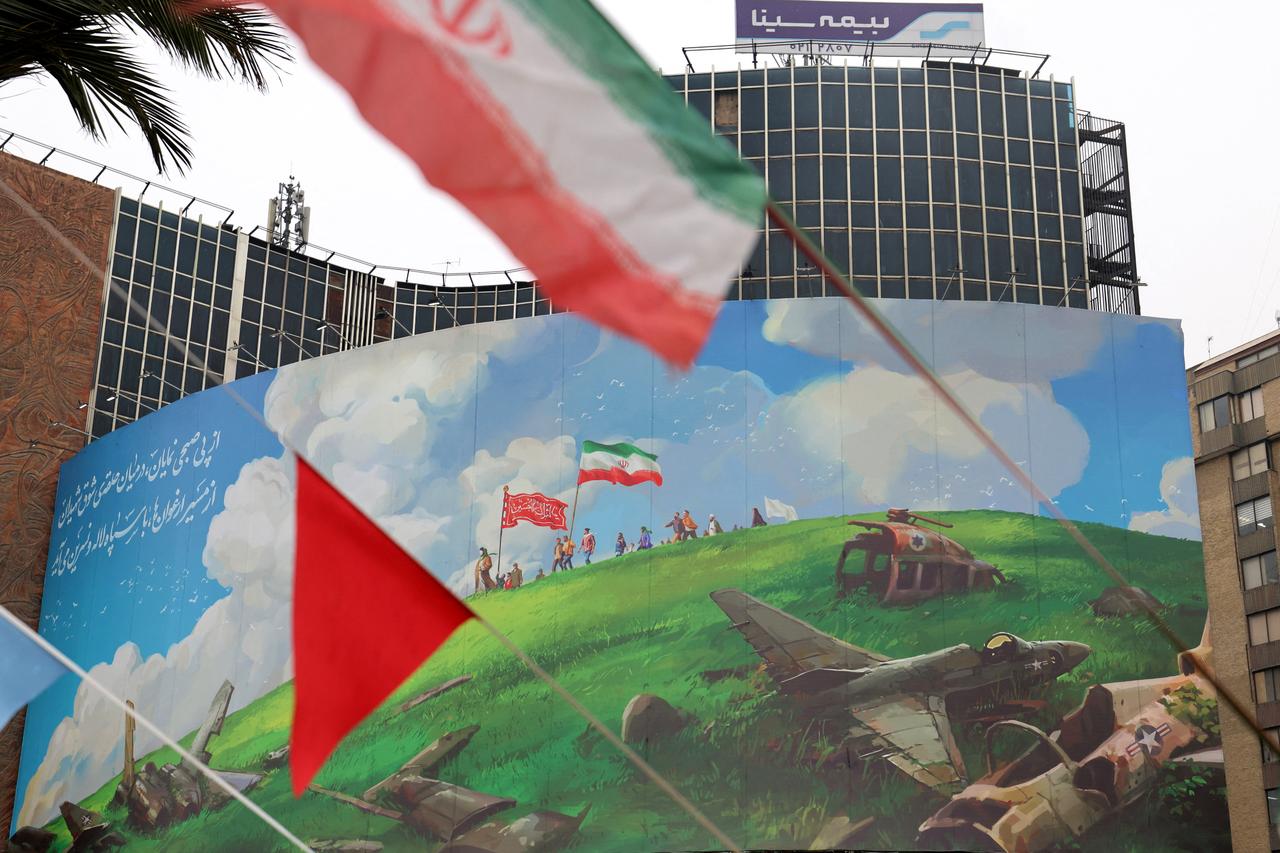


In countries like Iran, where security apparatuses are strong and surveillance mechanisms are deeply entrenched, the collapse of regimes through sudden street uprisings is highly unlikely.
In such systems, protests often emerge not as a genuine alternative capable of overthrowing the regime, but as outward manifestations of internal power struggles within the state.
The street frequently turns into an indirect arena of confrontation among rival actors within the ruling elite.
For this reason, understanding whether the Iranian regime is strong or fragile cannot be achieved solely by focusing on protests or the visible face of opposition.
The real issue lies in how the state was constructed, the logic according to which the security apparatus operates, and the mechanisms through which power controls relations among elites.
When Iran’s political and security structure is examined from this perspective, one encounters an order reminiscent of Michel Foucault’s concept of the "Panopticon." Yet the Panopticon in Iran is far more than a technical surveillance model.
It represents the transformation of a trauma-shaped leadership mindset into state rationality over time.
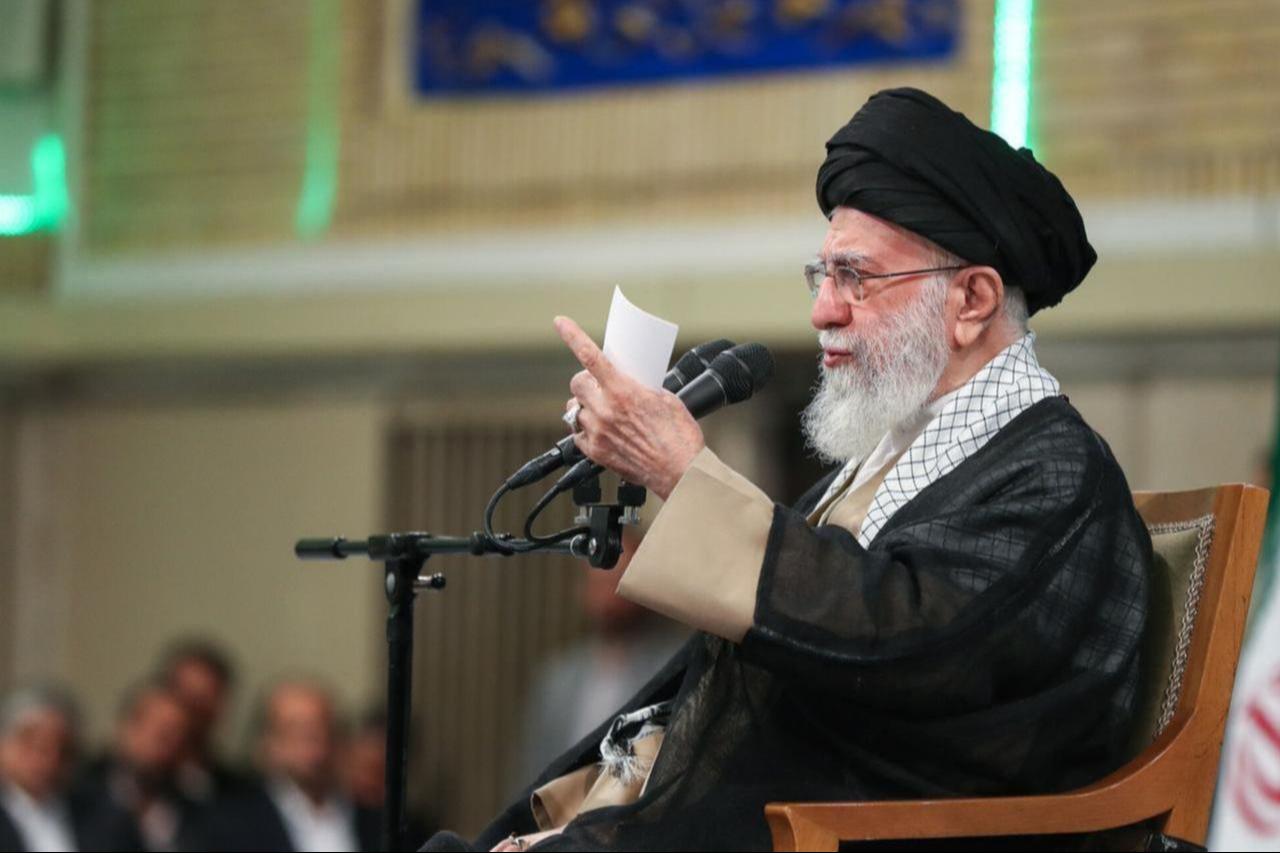
At the center of this mindset stands Ali Khamenei.
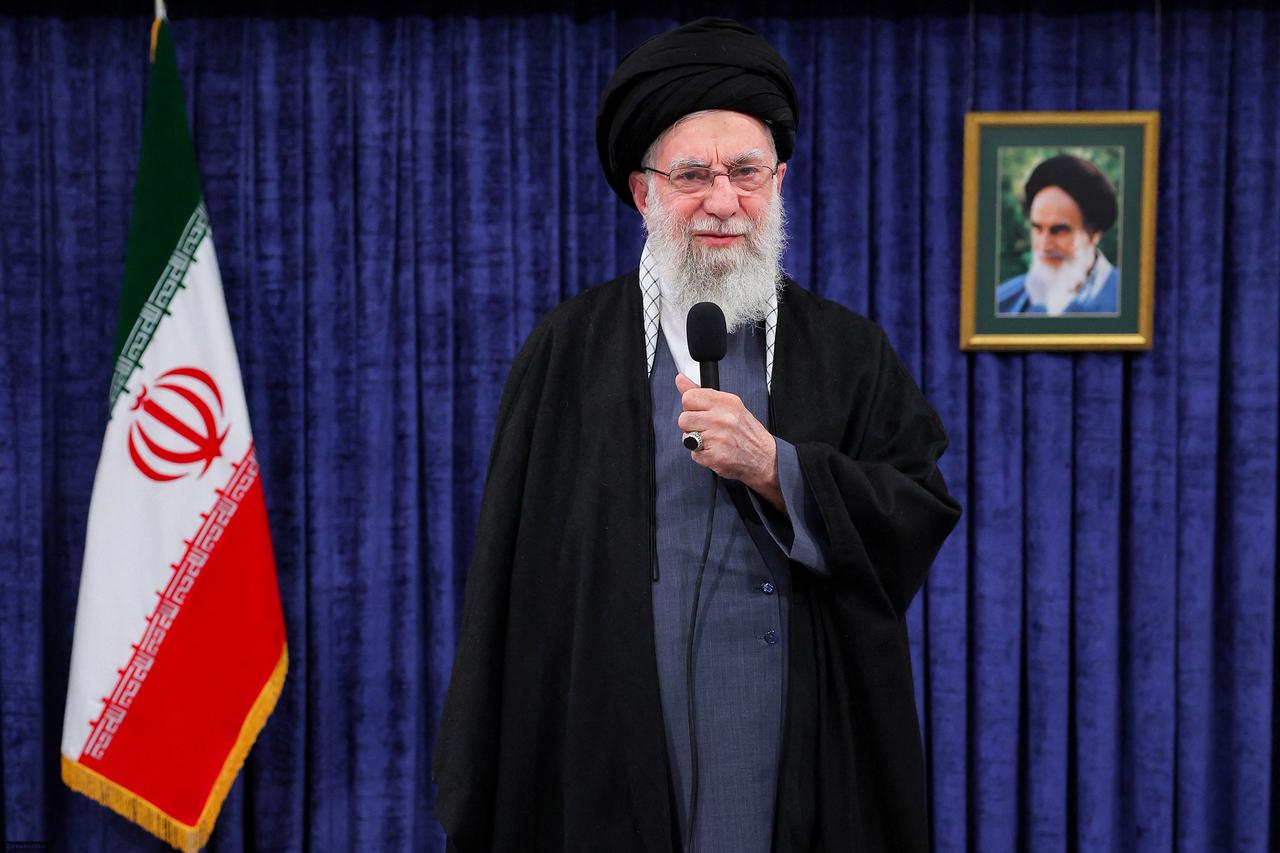

In systems governed by leaders who hold absolute power, the state does not function solely through ideology or constitutional institutions.
The state apparatus takes shape according to how the leader perceives the world. The leader’s fears, past experiences, threat perceptions, and emotional memory are reflected in every domain, from security institutions to the intelligence architecture.
Thus, in absolute power regimes, "state rationality" often manifests as the translation of personal memory into public authority.
Security is not merely a rational defense developed against external enemies. It is also the institutionalized expression of the leader’s need to control, to foresee, and to survive.
The extent of surveillance, the degree of repression, and the deliberate use of uncertainty are determined less by ideological objectives than by the leader’s psychological responses to lived traumas.
this reason, in the Iranian case, separating the state structure from the leader’s psychology is nearly impossible.
The panoptic security order observed in Iran today is not the product of an overnight institutional decision. Rather, it emerged as Khamenei’s pre-revolutionary experiences of imprisonment and exile gradually transformed into state rationality.
Prison and exile memoirs clearly illustrate how this mindset was formed.
For Khamenei, repression does not merely signify physical violence. The primary threat is uncertainty—not knowing who is where, or when disintegration might begin.
The constant possibility of being watched did not produce a temporary sense of victimhood; instead, it generated a lasting awareness. This awareness, however, did not turn into fear but into a desire for control.
In Khamenei’s mind, power became not a force that simply suppresses, but a mechanism that detects fragmentation early and intervenes without delay.
The panoptic security order operates differently from classical repressive states. The state is not always visibly present, yet it keeps alive the sense that it could appear at any moment. Who conducts surveillance and when remains unknown.
This uncertainty compels individuals and institutions to discipline themselves without the need for direct intervention.
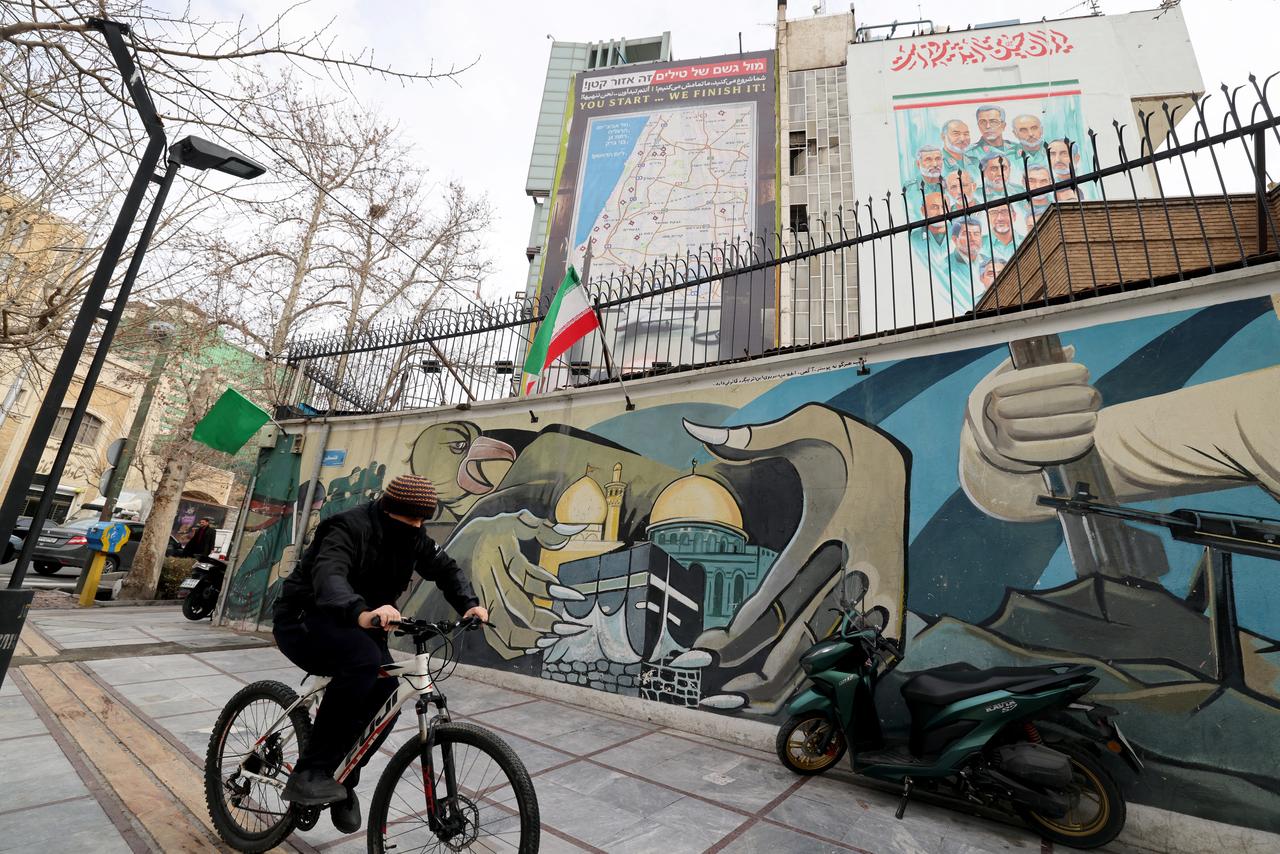
In Iran, the Panopticon is not an abstract surveillance technique, but a conception of the state in which security is transformed into a psychological continuity. This order encompasses not only society, but also the regime’s own elites.
Surveillance thus operates not only from the top down, but also at the top itself.
During Khamenei’s leadership, Iran diverged from classical repressive states focused primarily on crushing opposition.
The priority was not to suppress dissent outright, but to detect at an early stage the tendencies from which opposition might emerge. Consequently, the intelligence system was not centralized in a single authority. Instead, competing, overlapping, and mutually monitoring structures were established.
These intelligence institutions do not deal solely with external threats. They also measure loyalty within the regime, monitor fractures among elites, and identify potential points of disintegration.
The deliberate avoidance of concentrating power in one hand is a conscious choice.
For Khamenei, absolute power also means absolute risk.
Khamenei’s emotional world has played a decisive role in shaping Iran’s security order.
The emotional tone reflected in prison and exile memoirs points not to explosive anger, but to a controlled, transformed, and strategic hardness. There is no explicit language of revenge. But there is also no forgetting.
This has produced a harsh yet silent discipline in Iran.
The state does not punish at every moment, but it constantly signals that it could punish at any moment. This is precisely the most effective form of the panoptic order: awareness of potential intervention instead of constant physical violence.
This panoptic security mindset also shapes Iran’s foreign policy behavior.
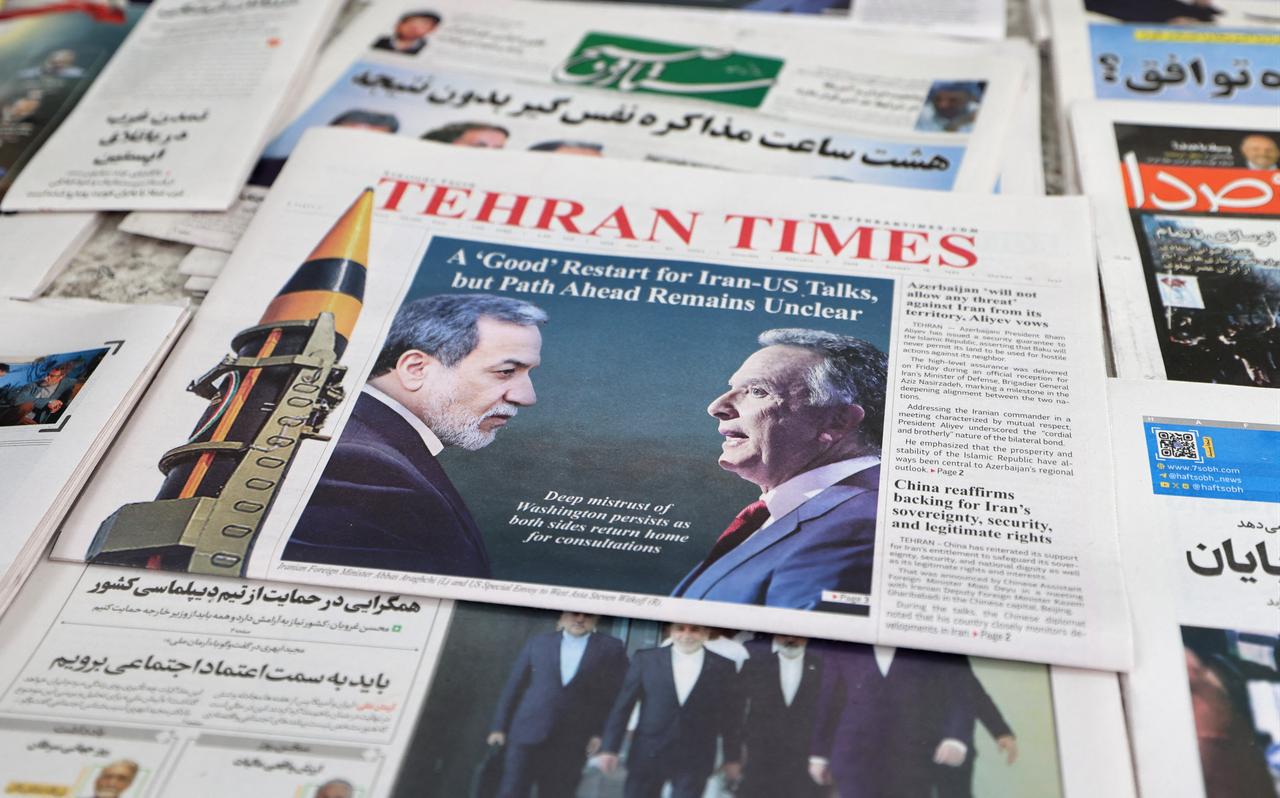
Khamenei’s perception of the United States is not that of an enemy that attacks directly, but of an ontological threat that constantly observes, tests, and waits for opportunities. Therefore, Iran–U.S. relations evolve neither toward full confrontation nor genuine reconciliation. Instead, they proceed along a line of mutual observation and balancing.
Nuclear negotiations and indirect diplomatic contacts function less as confidence-building processes than as arenas in which each side tests the other’s limits.
Uncertainty is deliberately preserved in these relations.
Although Iran’s panoptic security order originated from personal fears, it has, over time, become a core governance technique ensuring regime continuity.
Security apparatuses are no longer merely tools protecting the regime; they are mechanisms that reproduce the regime itself.
Khamenei’s aging and the uncertainty surrounding succession have made this system more intense and more sensitive. As surveillance capacity expands, elite competition has also been securitized. The possible rise of Mojtaba Khamenei should not be interpreted as a classical dynastic succession. Rather, it points to a transition model overseen by the Revolutionary Guards and security elites, prioritizing continuity. However, the lack of revolutionary charisma and historical legitimacy may push the regime to rely more on security than on social consent.
Even if leadership changes, the panoptic security mindset shaping Iranian state rationality is unlikely to disappear in the short term. On the contrary, it may persist in a more institutionalized, more technical, and more impersonal—yet equally harsher—form.
Under Khamenei, Iran has evolved from a classical repressive regime into a panoptic security state—one where surveillance is no longer a tool, but a national reflex.
This structure does not dissolve with a change in law; it is baked into the state’s DNA.
Ultimately, the panopticon is not a building, but a shared trauma—a cold, calculated rationality forged decades ago behind the walls of Khamenei’s own prison cells.


 Set as preferred source
 Set as preferred source


 1 min read
 1 min read