Newsletters




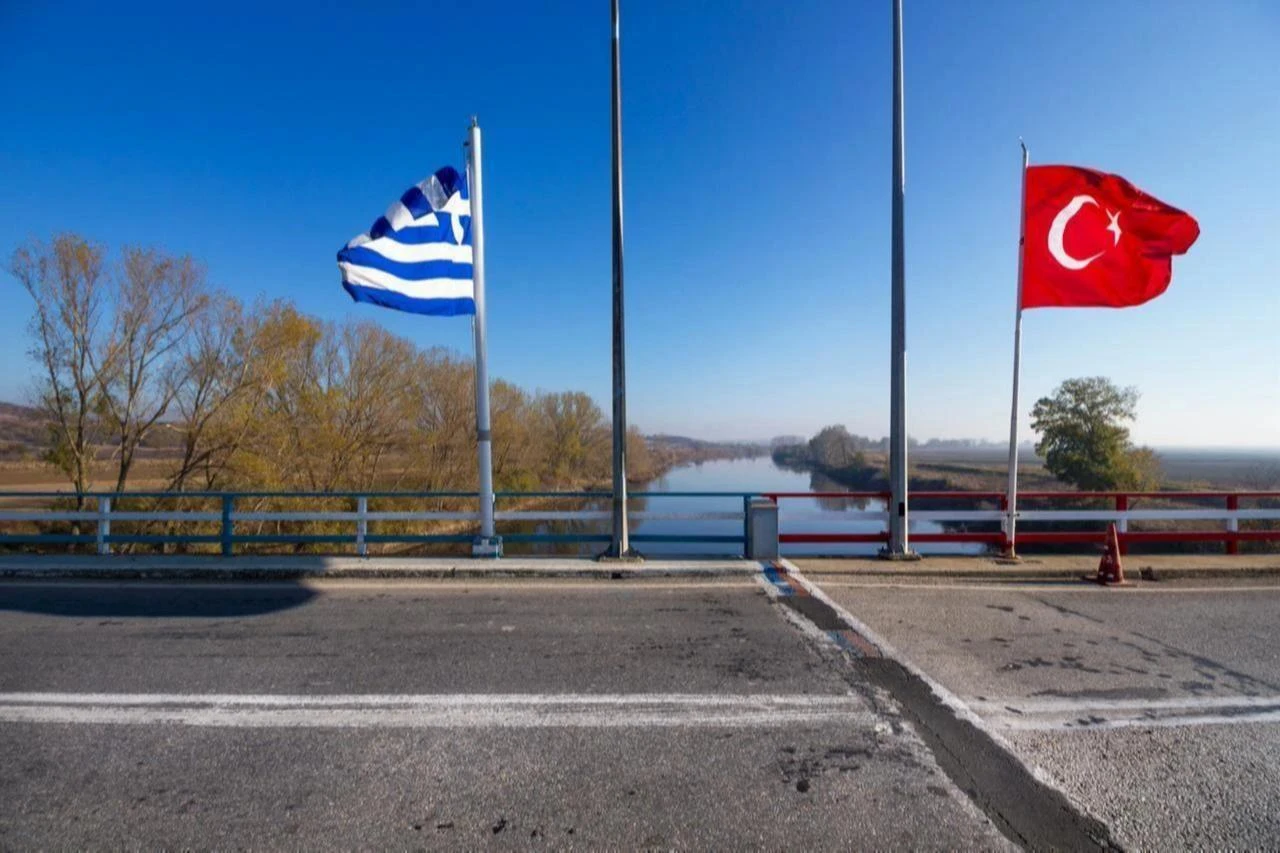
The "bromance" between Donald Trump and Recep Tayyip Erdogan has emerged as the main driver of Turkish-American relations following Trump’s 2024 resurgence.
For Ankara, the "nightmare" years under Democratic administrations have given way to a renewed sense of hope, driven by the feeling that both leaders have "suffered" at the hands of the American establishment.
Türkiye found a way to work with Trump because he is pragmatic, acts quickly, and isn’t focused on exporting "American values," even if he is unpredictable.
‘’As I have stated strongly before, and just to reiterate, if Turkey (Türkiye) does anything that I, in my great and unmatched wisdom, consider to be off limits, I will totally destroy and obliterate the Economy of Turkey (Türkiye),’’ Trump tweeted in October 2019, which sent shockwaves across the Turkish economy.
Despite that record, Trump’s second term has been a blessing for Türkiye.
However, U.S. Democrats are now poised to take back both the House and the Senate in the November elections. The presidential campaigns for 2028 will soon follow.
If the current trends continue, the Democrats will have a strong run for the White House in 2028. Trump has been a unique phenomenon in Turkish-American bilateral relations, with the rapport built between him and President Erdogan. A Democratic president beyond 2028 will therefore open a new chapter for the relations. Currently, there area few names in the party, expected to run with a considerable degree of chance of becoming the Democratic nominee whom Ankara should watch closely.
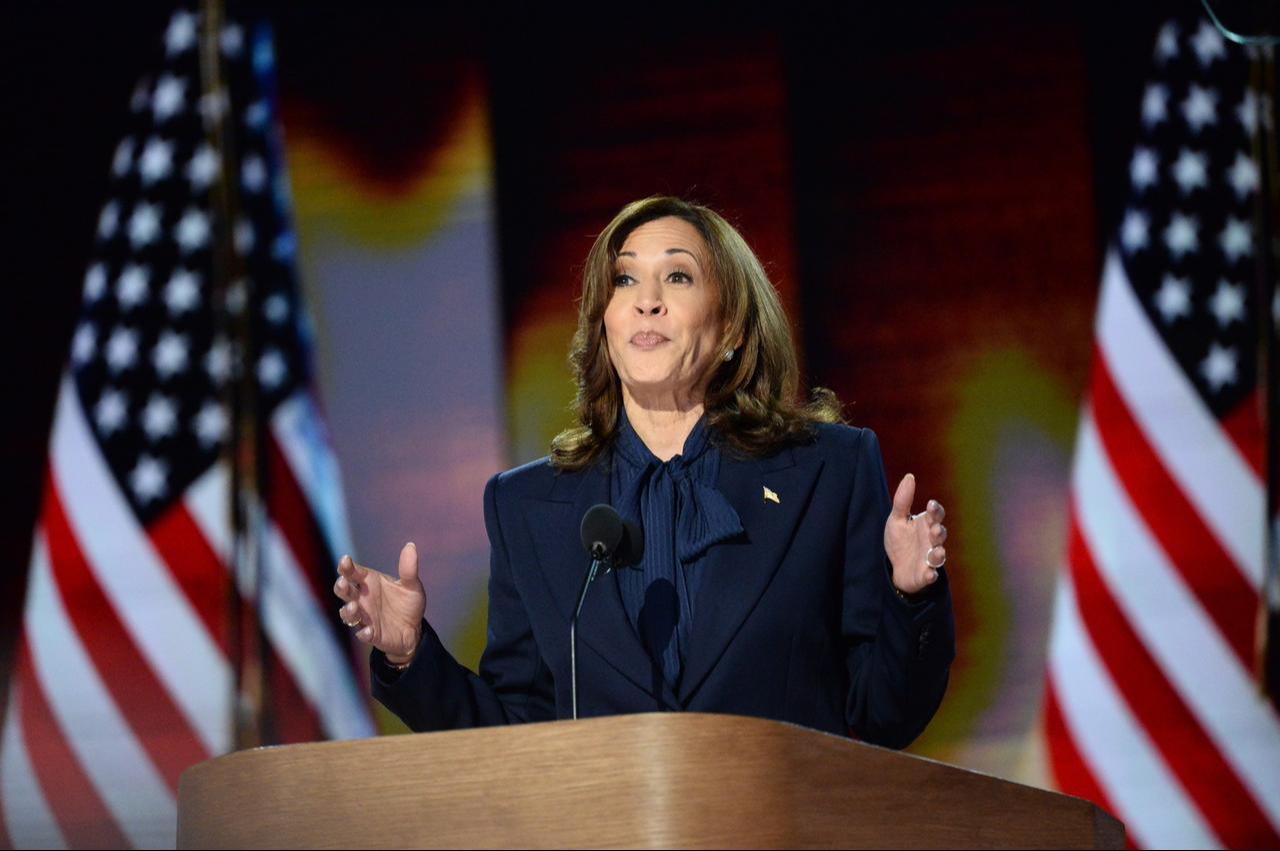
The most well-known potential candidate in Türkiye is Kamala Harris. The former vice president has signaled she’s running again, and as the first female, black, and Asian vice president, she carries weight and name recognition—currently leading the Democratic field with about 24% in the polls.
However, she might also be haunted by her heavy loss in 2024 and the criticism of her silence on President Biden’s diminishing capacity. In addition, she angered many top fellow Democrats with her recent memoir of the 2024 election, which included a lot of blame directed at other Democrats.
For Turkiye, Harris remains a question mark. She didn't comment on Türkiye-U.S. relations during her time as vice president. However, her approach would mirror Biden’s—cooperating institutionally while keeping distance from the Turkish president and possibly being critical at times.

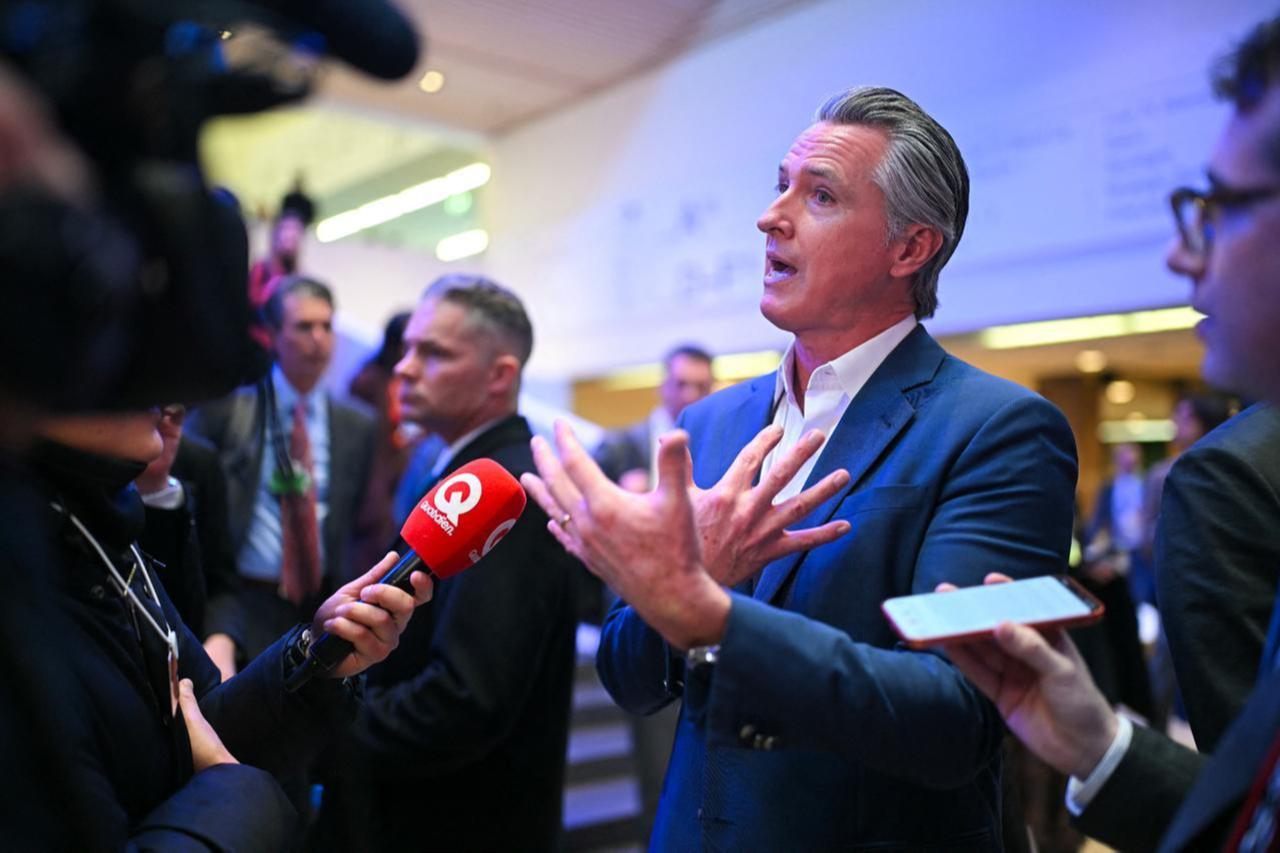
California Governor Gavin Newsom is also considered a potential frontrunner; governors of big states often are. Over the past year, he's gained popularity outside his state, topping betting markets and trailing Kamala Harris closely in the polls. His rise comes from being a leading opposition figure against Trump at a time when a shell-shocked Dmocratic Party struggled after the 2024 defeat.
Newsom leans left as governor of one of America’s most progressive states. For Ankara, he may be the least desirable candidate, given his ties to the Armenian-American community—California alone has over 250,000 Armenians.
As a lieutenant-governor of California in 2018, Newsom called for a halt to Californian investments in Turkish businesses and bonds during an April 24 rally in front of the Turkish Consulate in L.A.
If Newsom carries his instincts as a Californian politician to the White House, he can adversely affect bilateral relations.
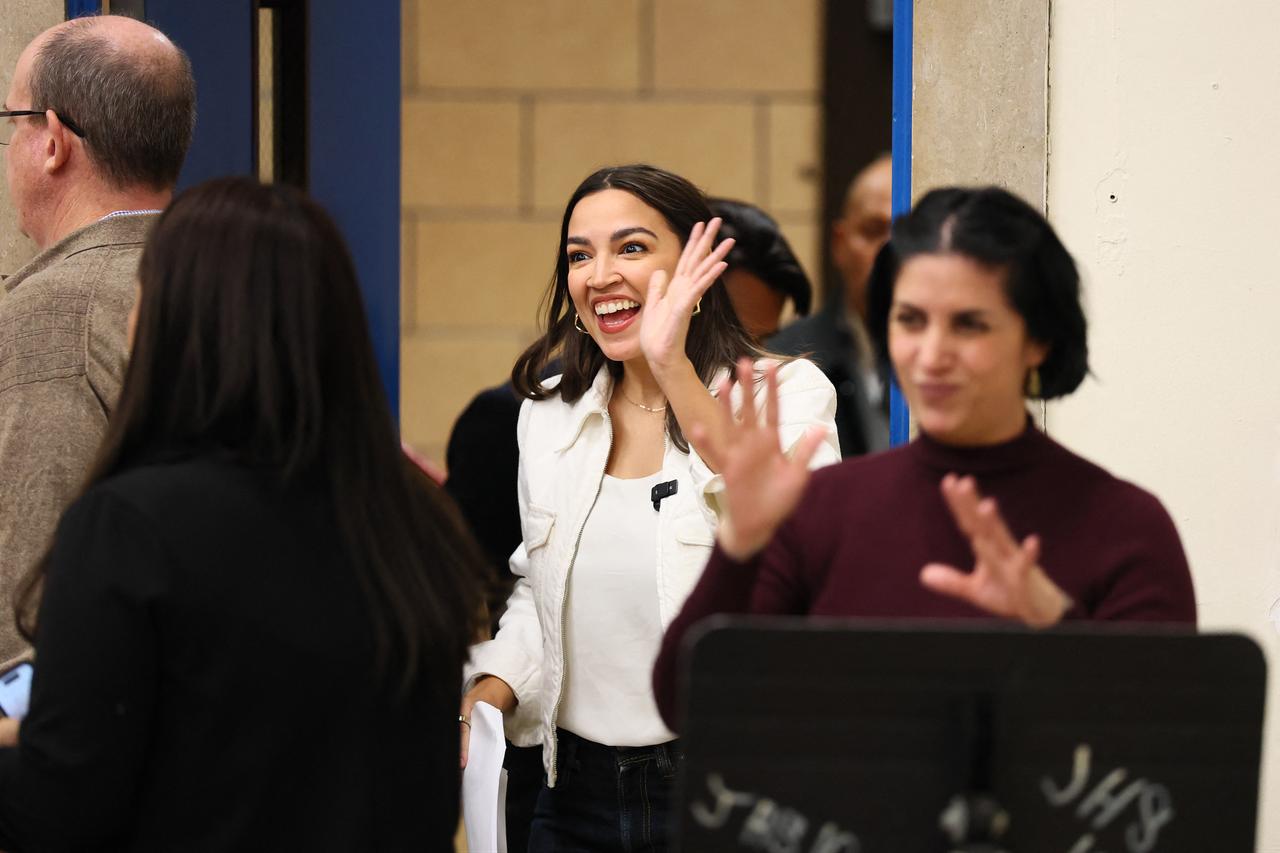
Alexandria Ocasio-Cortez (AOC), a New York congresswoman, is a rising star on the Democratic left, following in the footsteps of Bernie Sanders and Elizabeth Warren. The recent election of Zohran Mamdani—though ineligible for president as he was born in Uganda—reinforces the left wing’s growing strength in the party.
Currently, she is trailing far behind Harris and Newsom with about 9% in polls. Even if she closes the gap, she would still have an uphill battle, as the party establishment would be skeptical of her candidacy just as they were of Bernie Sanders in the past.
If elected, she would not just be the first female but also the youngest U.S. president.
AOC has criticized Elon Musk previously on his relations with Türkiye, claiming Musk was intervening in Turkish politics by blocking X accounts. Her presidency could bring a chill to bilateral relations reminiscent of the Biden era. However, her policies toward Türkiye remain a mystery.
A lesser-known potential candidate in Türkiye, Pete Buttigieg, is an intriguing figure in U.S. politics. The former mayor of South Bend, Indiana, and Biden’s transportation secretary, he made history as the first openly gay Democratic presidential candidate in 2019–2020. A centrist popular with both moderates and the left, he polls around 9%, competing with AOC for third place. Buttigieg hasn’t commented on Türkiye as a candidate, though he criticized the U.S. withdrawal from Northern Syria after Türkiye’s Operation Peace Spring.
Josh Shapiro, a first-term governor of Pennsylvania, is running for a second term this year. His reelection in a critical swing state, which used to be a stronghold for the democrats would put the spotlight on him once again and improve his polling numbers, currently at single digits.
Shapiro came under the presidential politics spotlight when he was shortlisted as a vice president for Harris in 2024. Shapiro is a centrist figure and it is hard for him to lean left in a state carried twice by President Trump. His popularity as a governor in one of the most crucial states in 2028 would play to his advantage not just as a nominee but also again as a potential VP pick. Shapiro would also make history as the first Jewish president. He remains a question mark for Ankara.
What does the current Democratic field mean for Turkish-U.S. relations beyond 2028? For now, there are no game-changers—none of the candidates are proposing anything substantially different from past Democratic presidents.
Having said that, candidates from the left wing of the party, such as AOC or Harris would tilt back to classical U.S. foreign policy with a strong emphasis on democratic values and international law. They would be more difficult figures for Ankara to deal with.
An overall transactional relationship with such presidents would be significantly tougher to achieve for Türkiye. Newsom’s close ties to the Armenian Diaspora could also prove to be a headache for Ankara.
On the other hand, centrist figures like Shapiro or Buttigieg might potentially be pragmatic and inclined to avoid friction as they re-adjust back to America’s classical foreign policy. Ankara traditionally prefers Republican presidents. The current democratic field suggests that Ankara will not be diverting from this tradition in 2028.


 Set as preferred source
 Set as preferred source



 4 min read