Newsletters


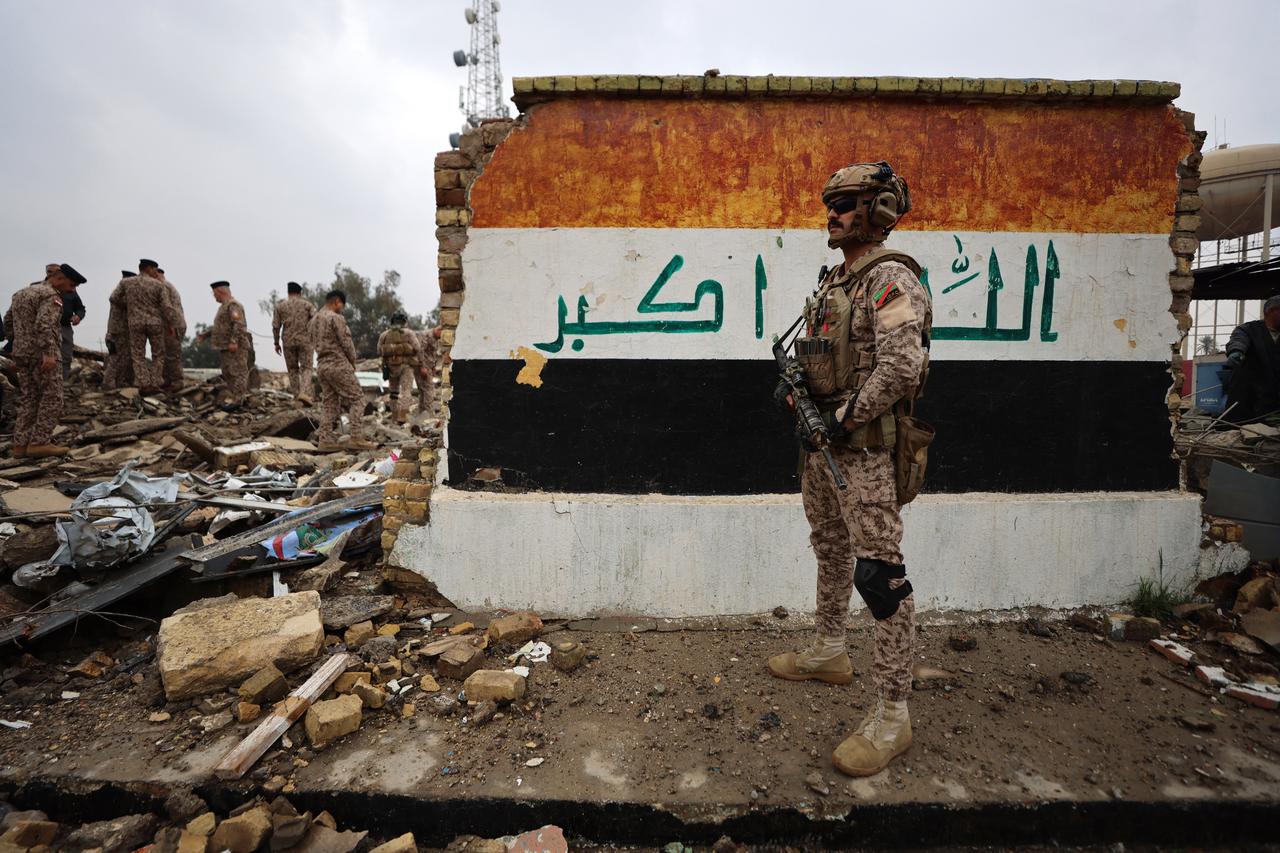


Since the 2017 victory in Iraq’s second-largest city, Mosul, the country has been living on borrowed time.
Baghdad lurches between a desperate hope for peace and the crushing weight of a region that won't stop fighting.
The dream was simple. Turn the region into a neutral zone where the world’s power players sit down to end wars.
Think of it as a Switzerland between the Tigris and Euphrates, if you will.
But the 2026 U.S.-Israel war on Iran shattered that dream. It caught Iraq’s militias off guard. Some of the militia leaders have turned into tie-wearing, pragmatic politicians interested in wealth-sharing, not in fighting the Americans who were no longer in Iraq’s Arab-majority areas.
Earlier in 2026, U.S. forces had withdrawn from areas under the control of the federal government in Baghdad, with a small contingent in different parts of the autonomous Kurdistan Regional Government (KRG) in the north.
Now, the U.S.-Israel war on Iran is pushing Iraq to the edge. If the pressure bursts, the country could collapse. It risks becoming the next Syria or Lebanon—fractured along not only sectarian but also armed militia lines.
Following parliamentary elections in November, various Iraqi parties have failed to pick a president and prime minister.
While the incumbent prime minister, Mohammed Shia al-Sudani, has good relations with various Iraqi actors and regional stakeholders, Nouri al-Maliki, best known for unwittingly enabling the rise of Daesh during his second term as premier, wanted a comeback as the candidate for the country’s largest Shiite bloc, the Coordination Framework.
However, Maliki is unlikely to move forward with a third term given the U.S. pressure.
That political vacuum has made it easier for the U.S., Israel, Iran and Iran-backed Iraqi militias to settle scores across Iraq’s territory.
Since the recent war started on Feb. 28, the U.S. and Israel have conducted airstrikes against the Iraqi military and Iran-aligned Popular Mobilization Forces (PMF) bases, killing over 60 and injuring more, according to Badr Organization Secretary-General Hadi al-Amiri.
Iran has launched missiles and rockets at U.S. troops in the KRG, killing six Kurdish Peshmerga near Erbil on Tuesday.
Meanwhile, hardline pro-Iran groups such as Kataib Hezbollah and the Nujaba Movement have attacked U.S. diplomatic compounds, forcing the Americans to evacuate their missions.
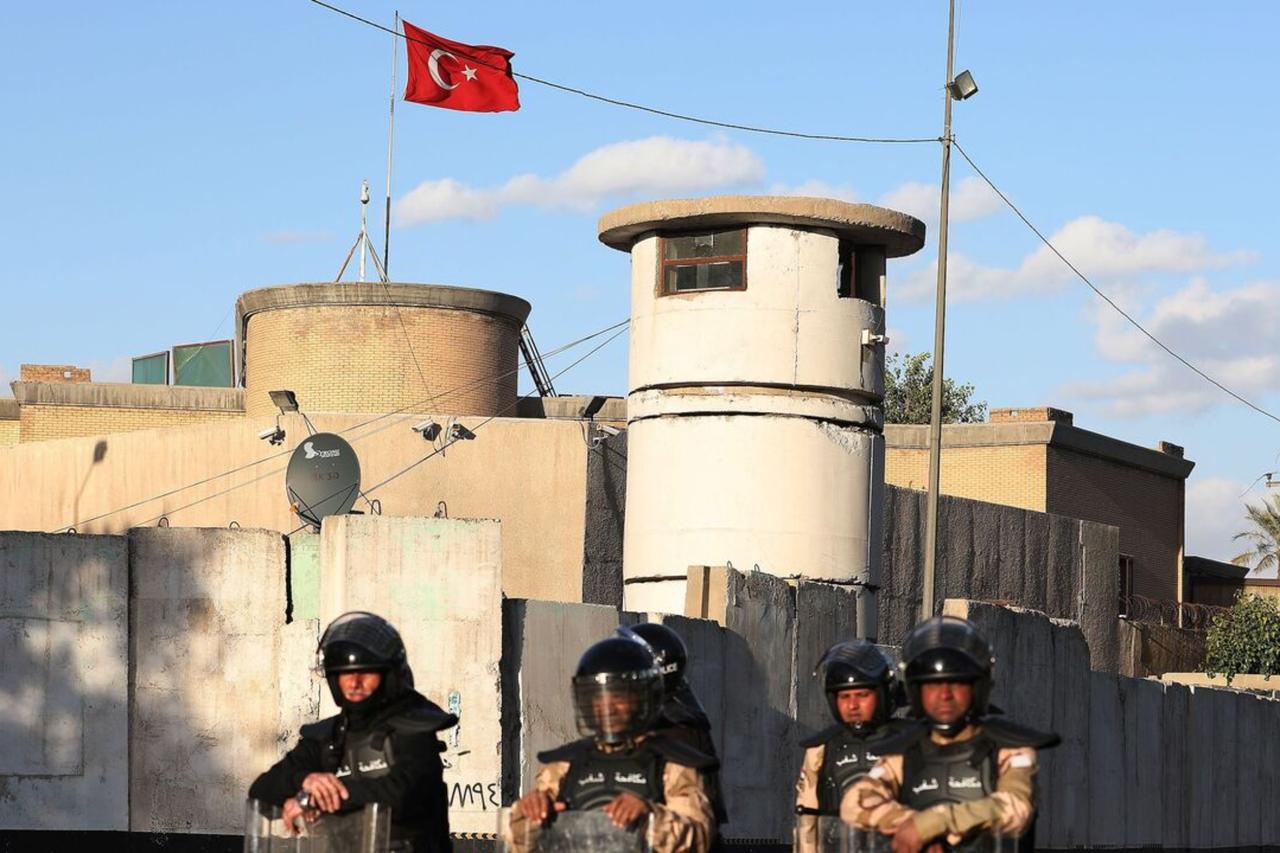
The NATO mission in Iraq, which includes Türkiye, has also left the country, evacuating an unspecified number of soldiers from Baghdad.
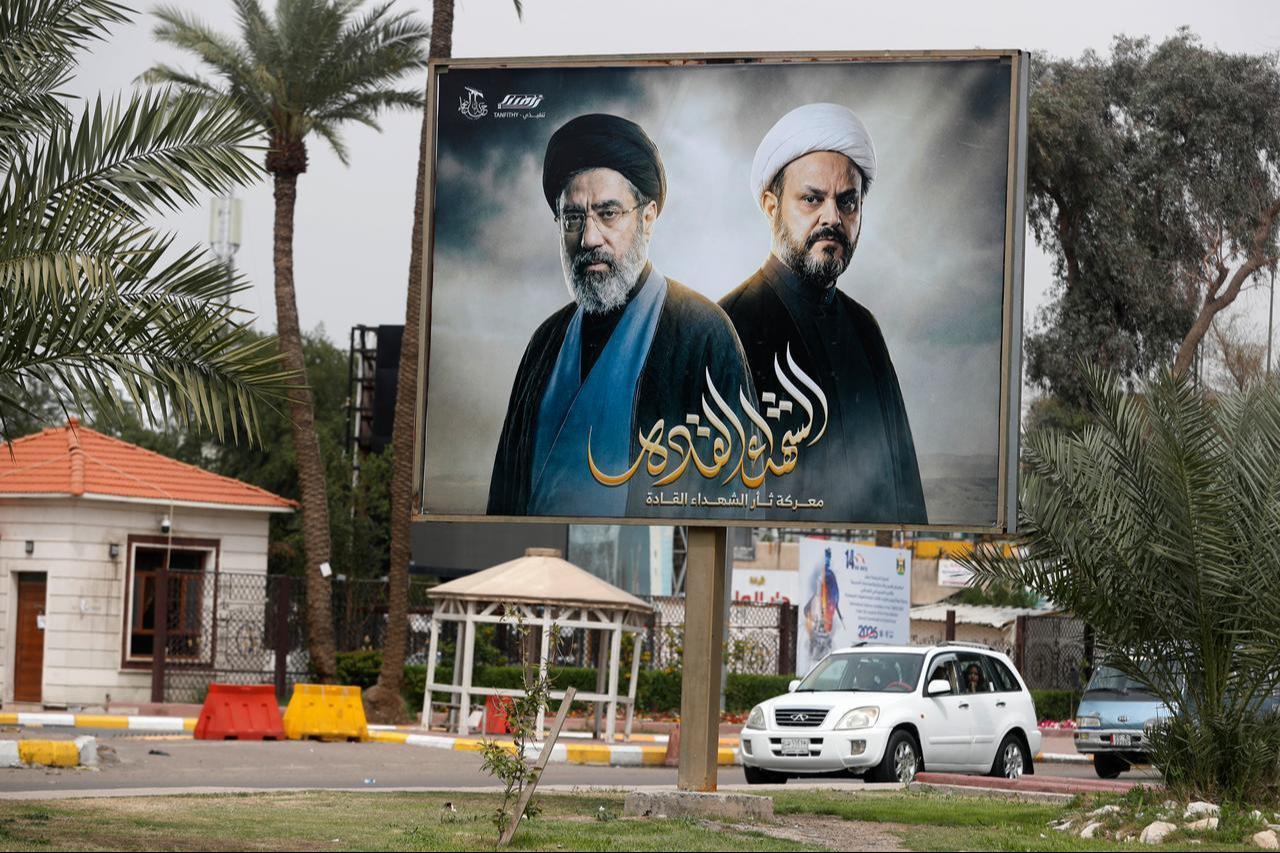

In response, the Iraqi Ministerial Council for National Security, chaired by Sudani, announced that all Iraqi military units, including the PMF, are “authorized to respond to attacks,” but warned them to refrain from attacking “security institutions, citizens’ interests, and diplomatic missions.”
The council also noted that the Iraqi state “holds the sole decision on war and peace and will not allow any entity or individual to usurp this right, (and) that legal measures will be taken against any party acting otherwise,” per Qatar News Agency.
According to one of Türkiye’s leading Iraq experts, Mehmet Alaca, the Iraqi council’s announcement betrayed Sudani’s relative political weakness.
In an interview with the journalist Hediye Levent, Alaca said, “The decision was meant to placate the PMF… But the emphasis on the war declaration powers underlined the Iraqi state’s inability to control militia groups.”
Alaca added that while Iran has used its proxies (including its allies in Iraq) to “horizontally expand” the war and incur more damage on the U.S., Israel, and Gulf Arab countries, it has also hurt Iraq’s regional standing.
In fact, if the war drags on, Iran could use its Iraqi partners to attack more pro-Western interests in Iraq and neighboring countries such as Kuwait and Jordan.
Kuwait would be the wildcard. While the Kuwaiti military has shown its vigilance at the beginning of the war by shooting down three U.S. Air Force F-15 fighter jets in a “friendly fire” incident, asymmetrical attacks by Iran and Iran-aligned groups may not be thwarted so easily.
In turn, U.S. retaliation could damage not only Iraq’s fragile economy—oil exports constitute 90% of the Iraqi state budget and about half of its gross domestic product (GDP)—but also its fragile internal peace.
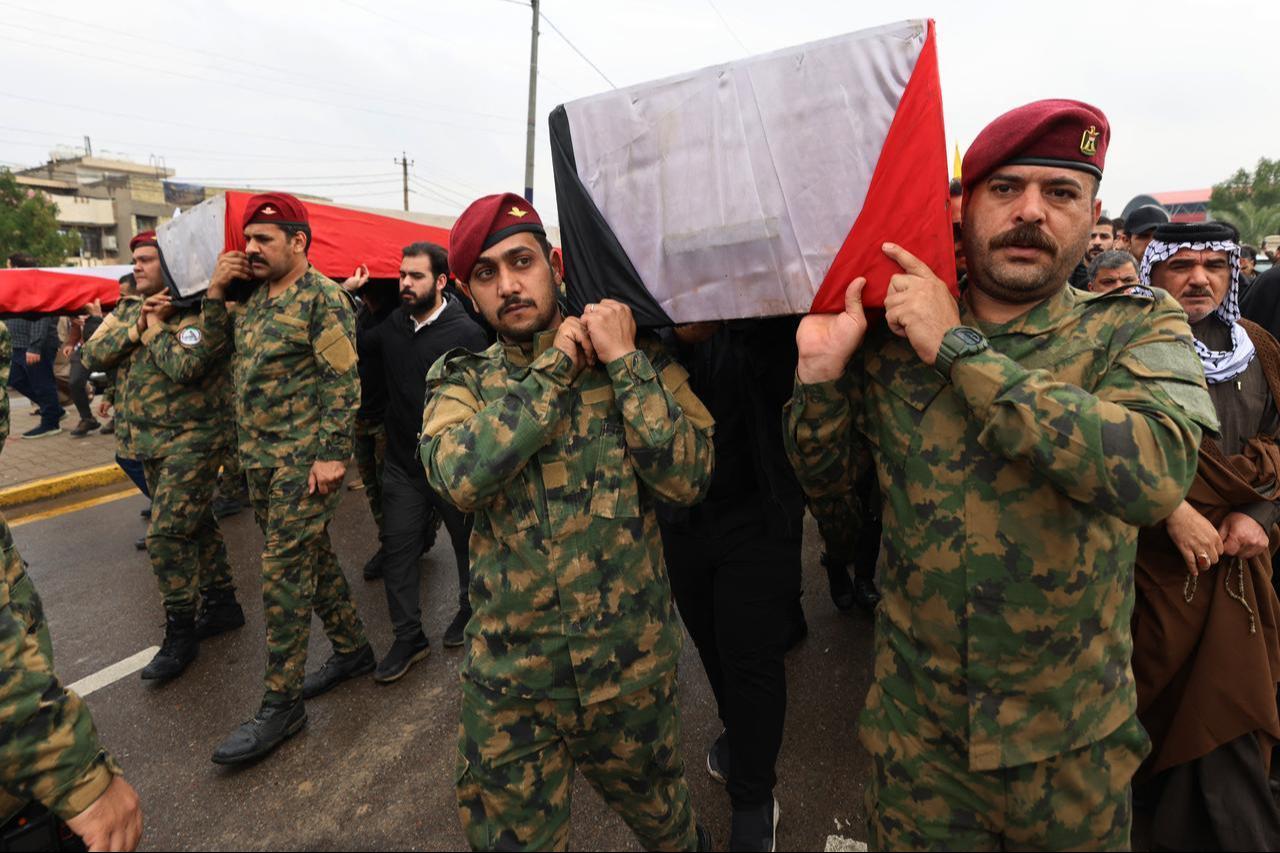
There is a small but significant silver lining in all this. For one, the Iraqi government is unlikely to tolerate prolonged trouble between the militias and its neighbor, especially Kuwait.
Following the U.S. invasion in 2003, the new Iraqi state paid Kuwait the reparations that Saddam Hussein had owed for his 1990 invasion. It took $52.4 billion and 19 years for Baghdad to close that debt, with the last installment paid in 2022.
In addition, as Alaca pointed out, since Feb. 28, some leading PMF groups have remained quiet despite occasionally being targeted by the Americans and the Israelis.
 1 min read
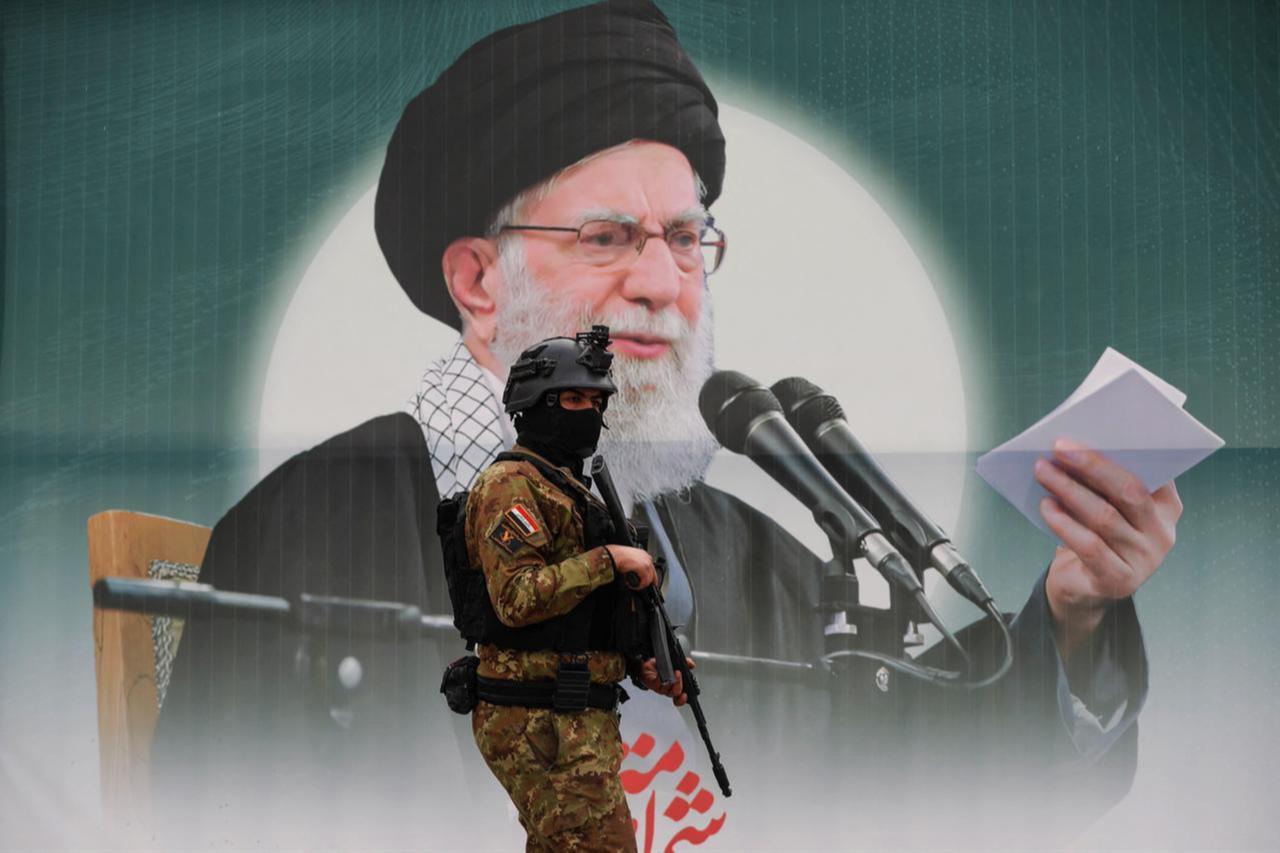
In recent years, many PMF leaders have refrained from lashing out against the U.S., signaling greater interest in politics and sharing state resources rather than fighting their fellow Iraqis or foreigners.
“Some Iraqis now joke that militia members would walk around in such posh Baghdad neighborhoods as Mansour with weapons and military fatigues. Now, they walk around in suits and neckties,” Alaca said.
Still, he said, Iraq would have to make at least two tough choices once the ongoing war ends. One of them is to find a way to turn PMF militias into properly integrated units with the country’s national security and military command and control structures.
“More broadly,” he said, “Baghdad will have to decide whether it will gravitate toward Iran or integrate with the regional order.”
That will determine whether Iraq reaches its goal to become the Middle East’s neutral, peaceful, and prosperous Switzerland or Austria, or another Lebanon or Syria—fractured polities run by militia groups and weak central authorities.


 Set as preferred source
 Set as preferred source


 1 min read