Newsletters


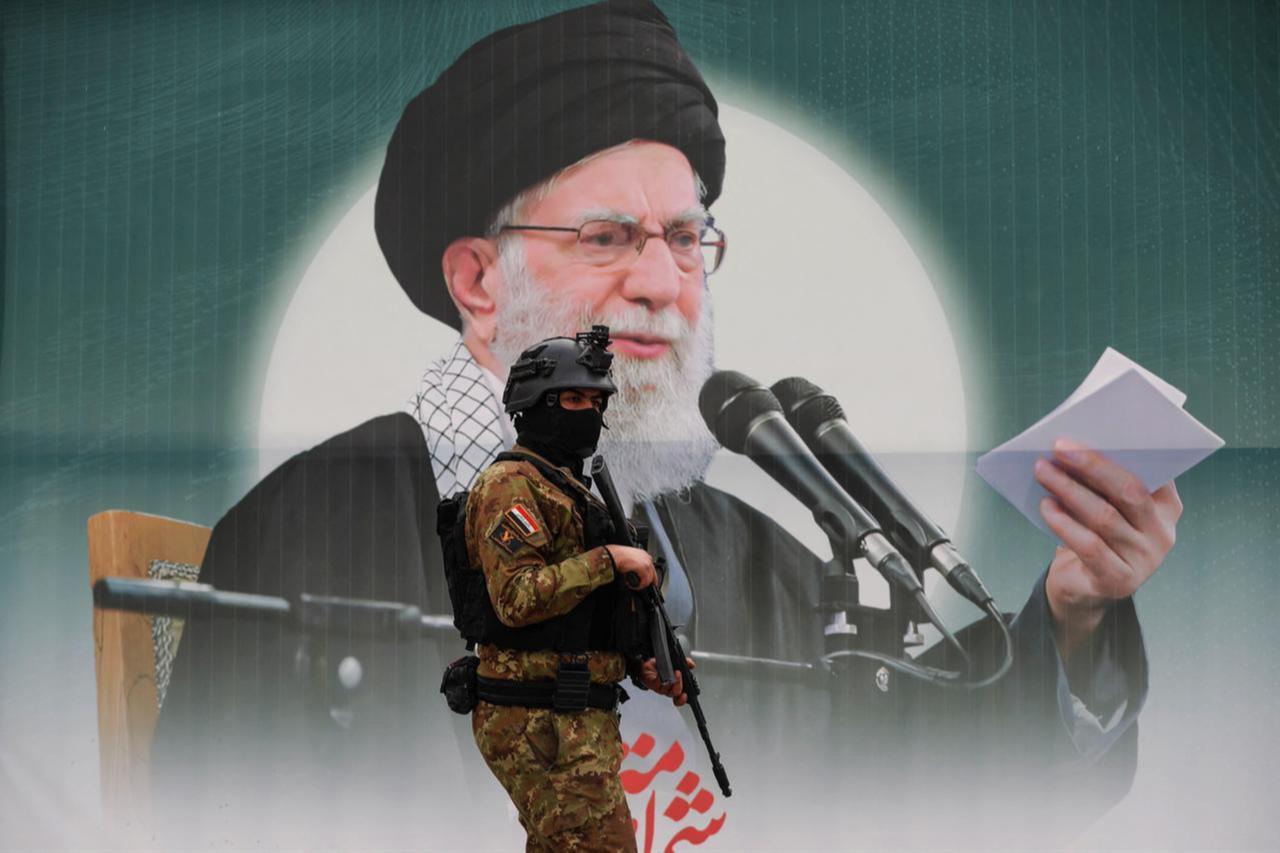


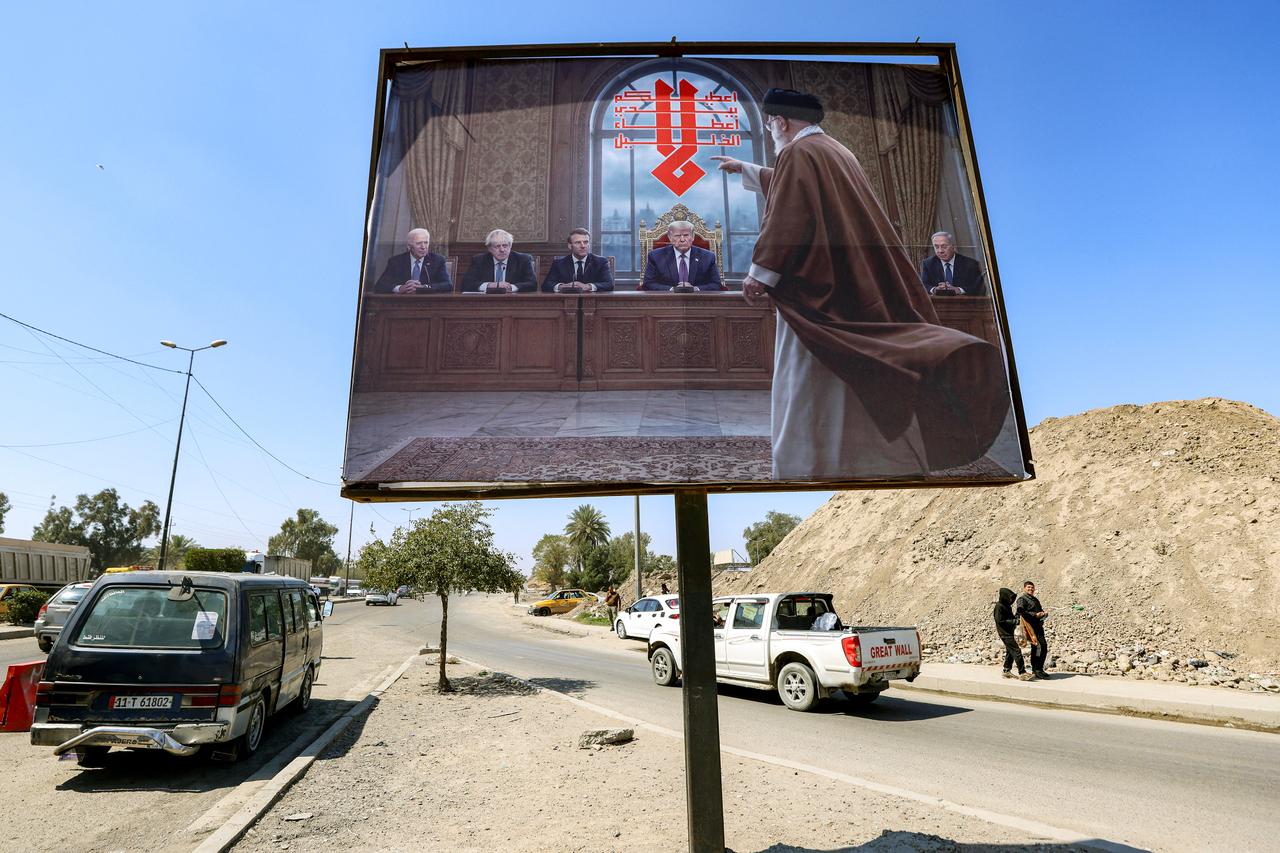
Iraq's National Security Council has authorized the Popular Mobilization Forces (PMF), the country's powerful umbrella coalition of mostly Iran-backed Shi'ite armed groups, to exercise the right of self-defense and respond to any attacks targeting their positions.
The decision, which came after U.S.-Israeli airstrikes killed at least 15 PMF fighters in western Iraq, might lead some to falsely assume that Baghdad formally sided with Tehran in the wider regional war.
The authorization followed airstrikes on a regional PMF headquarters in Iraq's western province of Anbar that killed at least 15 fighters, including provincial operations commander Saad al-Baiji, and wounded at least 30 others during a meeting of senior commanders.
A separate strike targeted a residence belonging to PMF leader Falih al-Fayadh in Mosul, though he was not present.
Iraq's military called it a "U.S.-Zionist airstrike," the first time Baghdad has formally accused Israel alongside the United States of bombing the PMF.
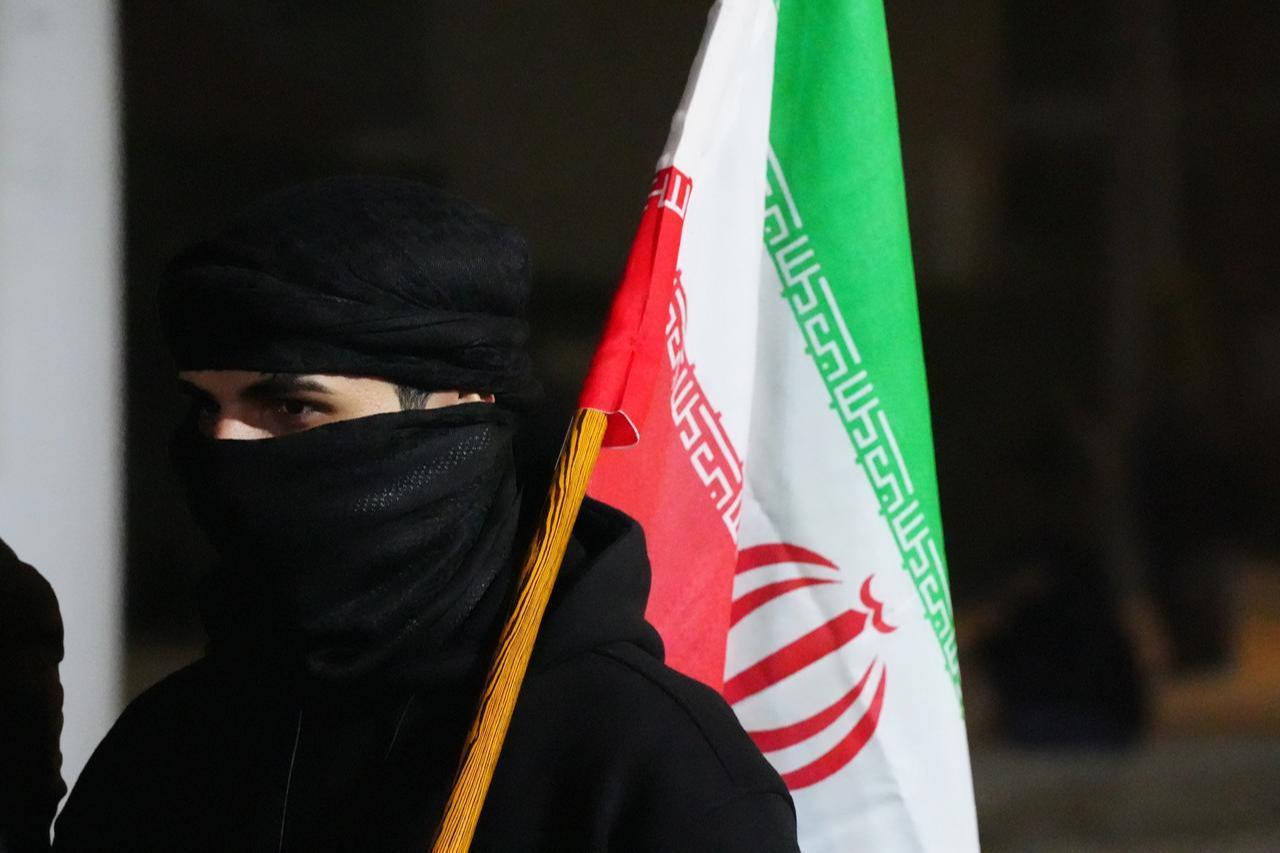

The self-defense authorization is carefully limited. It invokes the language of self-defense, not offensive operations, and applies specifically to attacks on PMF positions.
Baghdad is not ordering the PMF to launch strikes on U.S. forces or to coordinate with Tehran's war effort.
The PMF is not a rogue militia. It was formally integrated into Iraq's state security apparatus under a 2016 law passed by parliament, meaning its fighters are government employees drawing state salaries.
Prime Minister Mohammed Shia al-Sudani has spent his tenure navigating between Washington and Tehran, two powers with deep and competing interests in Iraq.
He came to office with backing from the Iran-aligned Coordination Framework but has simultaneously maintained productive relations with the United States on counter-terrorism and energy.
That balancing act has grown exponentially harder since the U.S. and Israel launched their war on Iran on Feb. 28, with Tehran-backed groups launching hundreds of attacks on U.S. bases in Iraq and American strikes hitting Iraqi soil in response.
The actual risk is not that Iraq has declared war but that the authorization could be exploited by PMF factions that operate beyond Baghdad's control.
The force comprises over 60 groups, several designated as terrorist organizations by Washington, and factions like Kata'ib Hezbollah have long taken direction from Tehran rather than from Iraq's prime minister.
A self-defense mandate could provide political cover for groups already inclined to escalate.


 Set as preferred source
 Set as preferred source


 1 min read
 1 min read