Newsletters


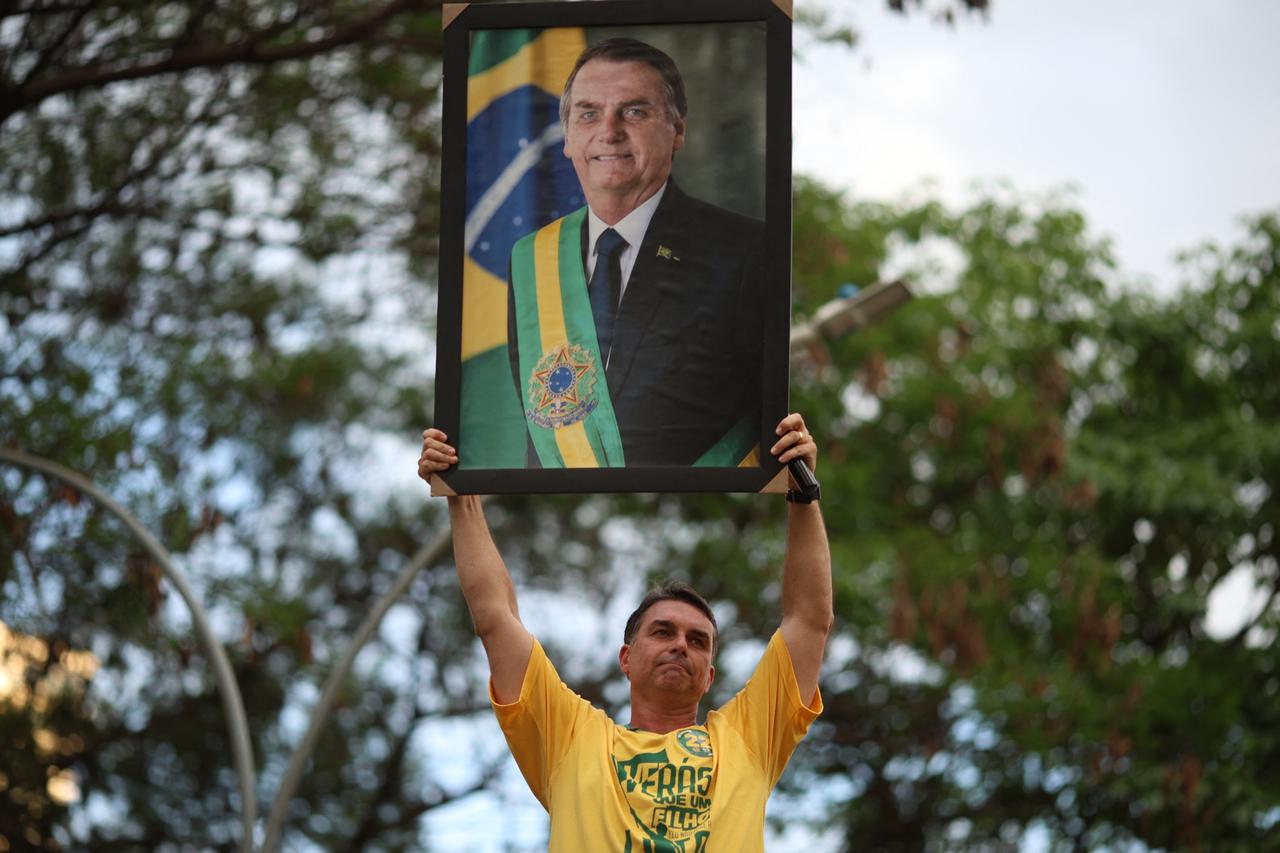


For years, it was taken for granted that Bolsonarism was a personality-driven phenomenon. Without Jair Bolsonaro—who is in prison and has been convicted of attempting a coup—the movement would lose momentum.
The first round of voting on Oct. 4 disproves that theory. His son Flavio, a 45-year-old senator, won nearly 47% of the vote—more than 56 million—compared to Lula’s 45%—about 53.7 million—with neither candidate securing an absolute majority.
The presidency will be decided in a runoff election on Oct. 25.
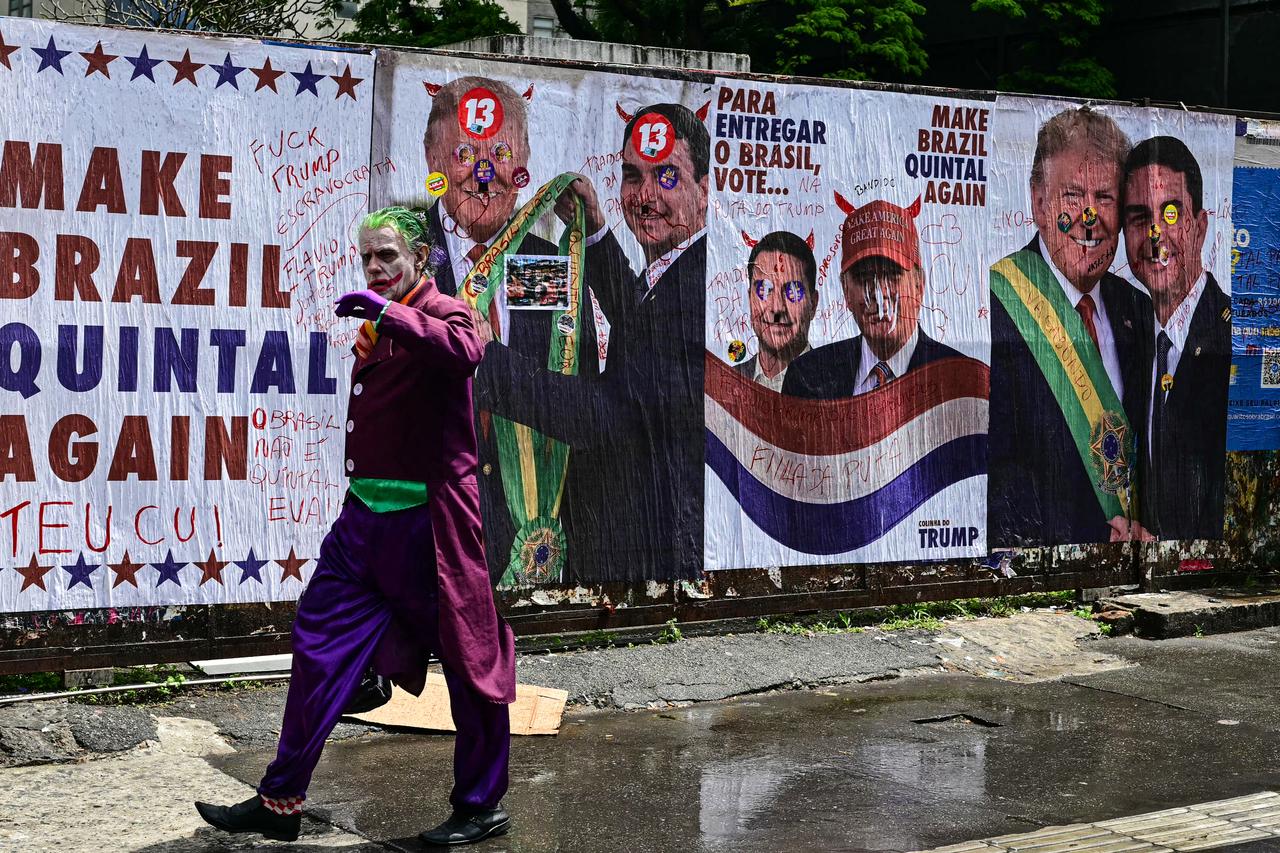

All the polls underestimated Bolsonaro’s vote share. In its latest poll, Quaest had him just one point behind Lula in the first round, while other polling firms gave Lula a larger lead. Datafolha gave Lula a three-point lead in a hypothetical runoff.
The actual result not only reverses the expected order but also changes the narrative: Lula enters the runoff as the underdog, not the favorite.
Analysts consulted by Reuters argue that Bolsonaro received “protest votes” from voters who were voting against Lula and who were expected to save their support for the runoff.
If that interpretation is correct, part of that vote is more volatile than the headline suggests. But the political reality remains: opposition to Lula mobilized more voters than fear of another Bolsonaro.
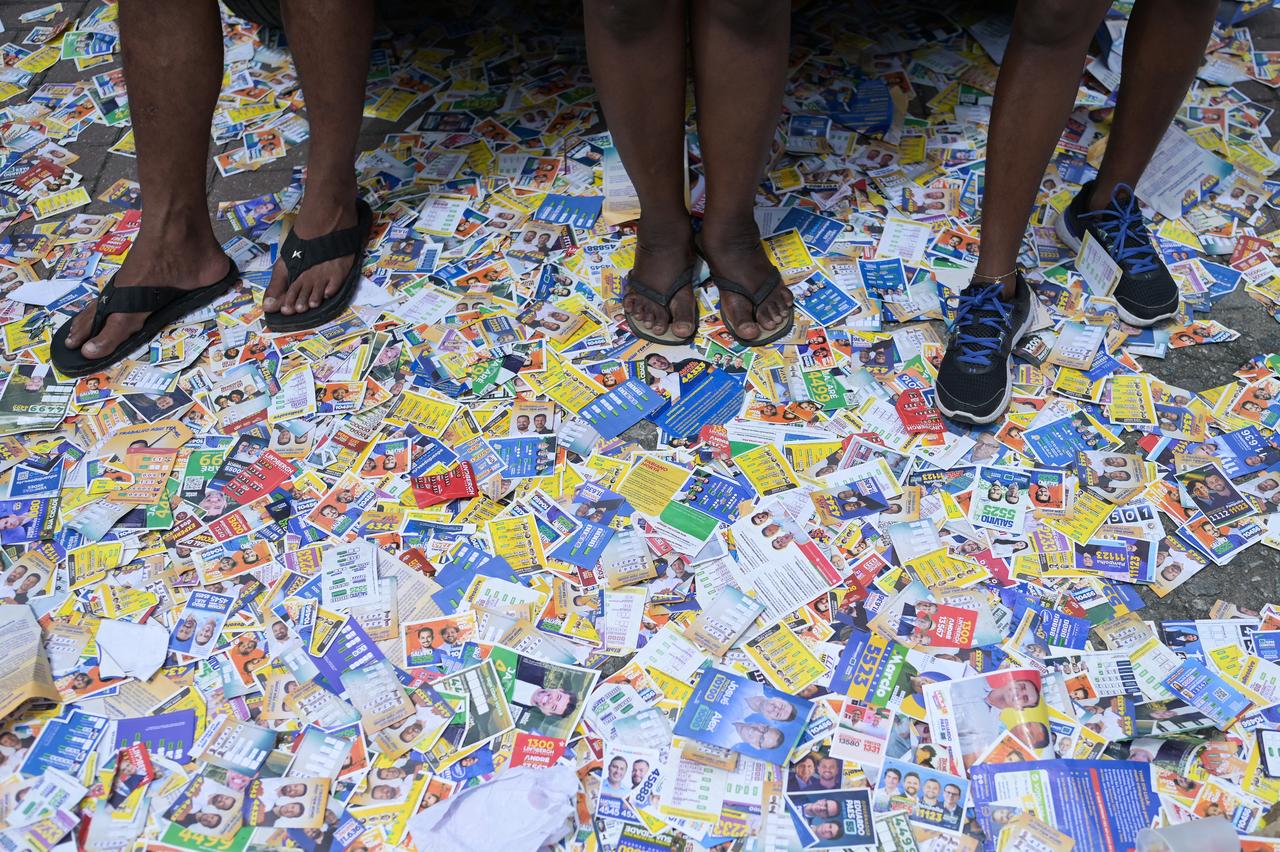
The geography of the vote is a problem for the ruling party. Bolsonaro’s Liberal Party won at least five governorships in the first round, and the Republicans won another three, including Sao Paulo and Minas Gerais—the country’s two largest electoral districts.
Minas Gerais has backed the winner of every presidential election since 1985. AtlasIntel had already warned that Bolsonaro would win there in a runoff.
In Sao Paulo, Governor Tarcisio de Freitas, a former minister under Jair Bolsonaro, was reelected in the first round, giving the right a strong platform for the coming weeks.
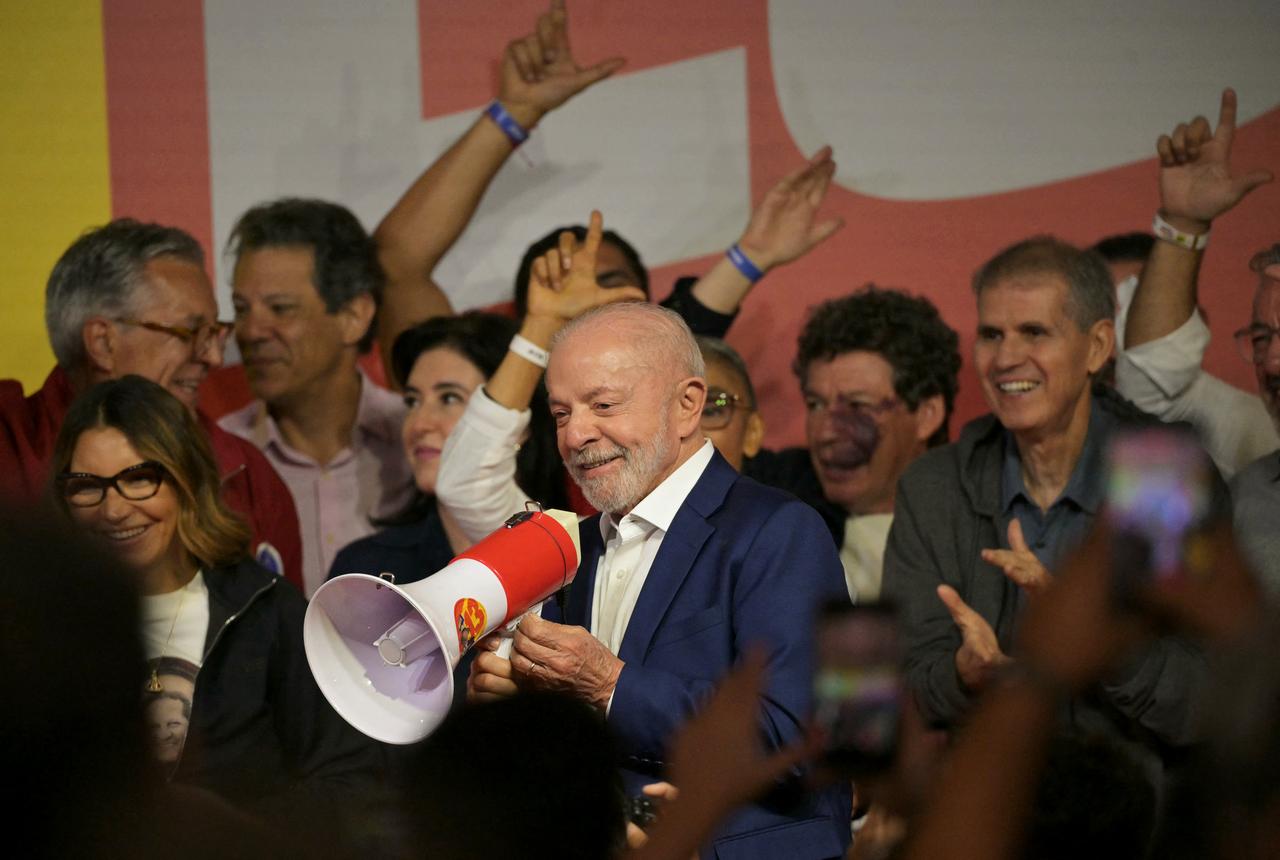
Lula is 80 years old and is seeking a fourth term. He admitted he was convinced he would win in the first round and announced that “a new campaign” would begin on Monday. In the final stretch, his team bet on stoking fear of Bolsonaro to wrap up the election immediately—and it didn’t work. Lula will now try to focus on the future, while accusing his rival of having a “shady past.”
Bolsonaro, for his part, presents himself as a more neutral and liberal version of his father. That moderation is both his greatest asset and his greatest risk. If he overdoes it, he alienates his hard-core base; if he abandons it, he loses the centrist voters he needs.
The eliminated candidates—Cury, Santos, and Caiado—could contribute nearly 8% to his total, but that support is not uniform. A poll by Le Grand Continent found that among Augusto Cury’s voters, 57% preferred Lula in the runoff and 43% preferred Bolsonaro. The center, in other words, is up for grabs.
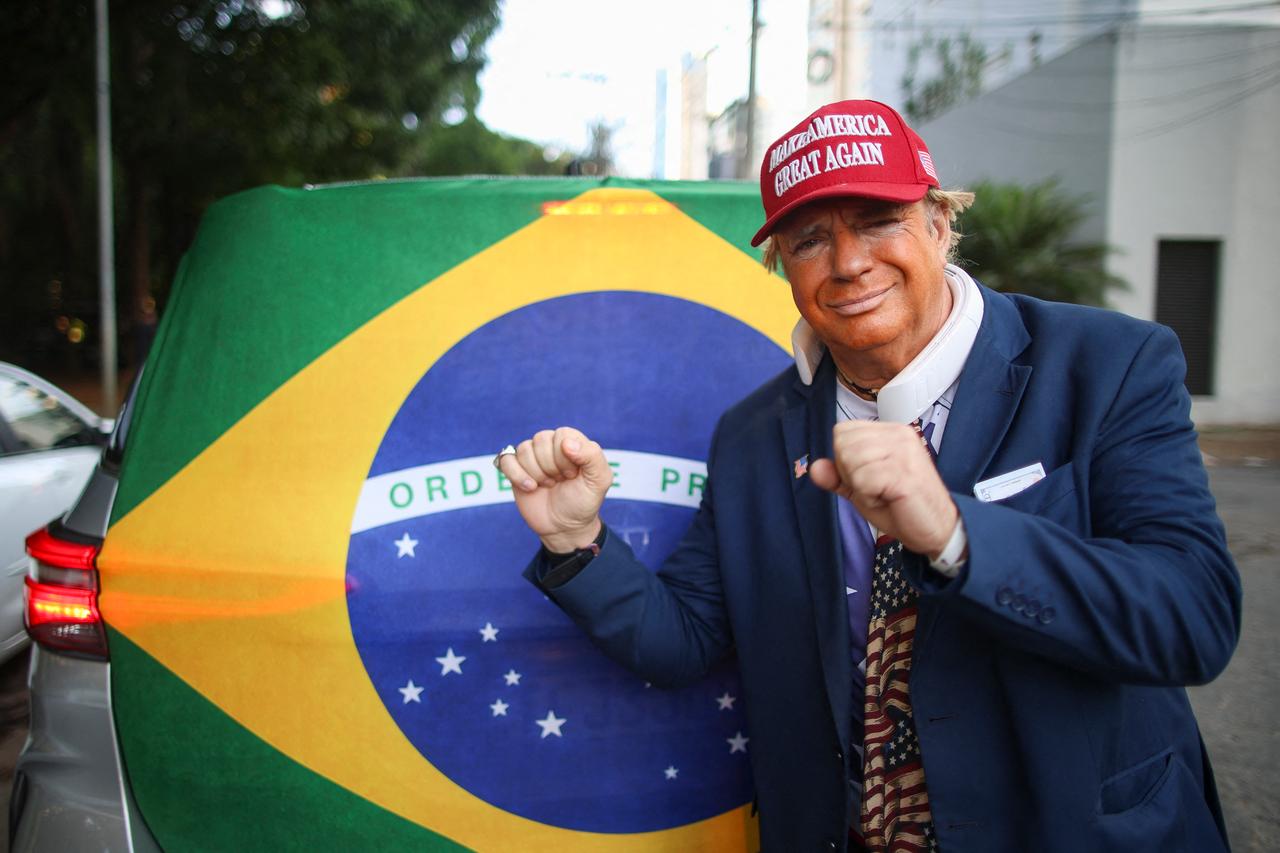
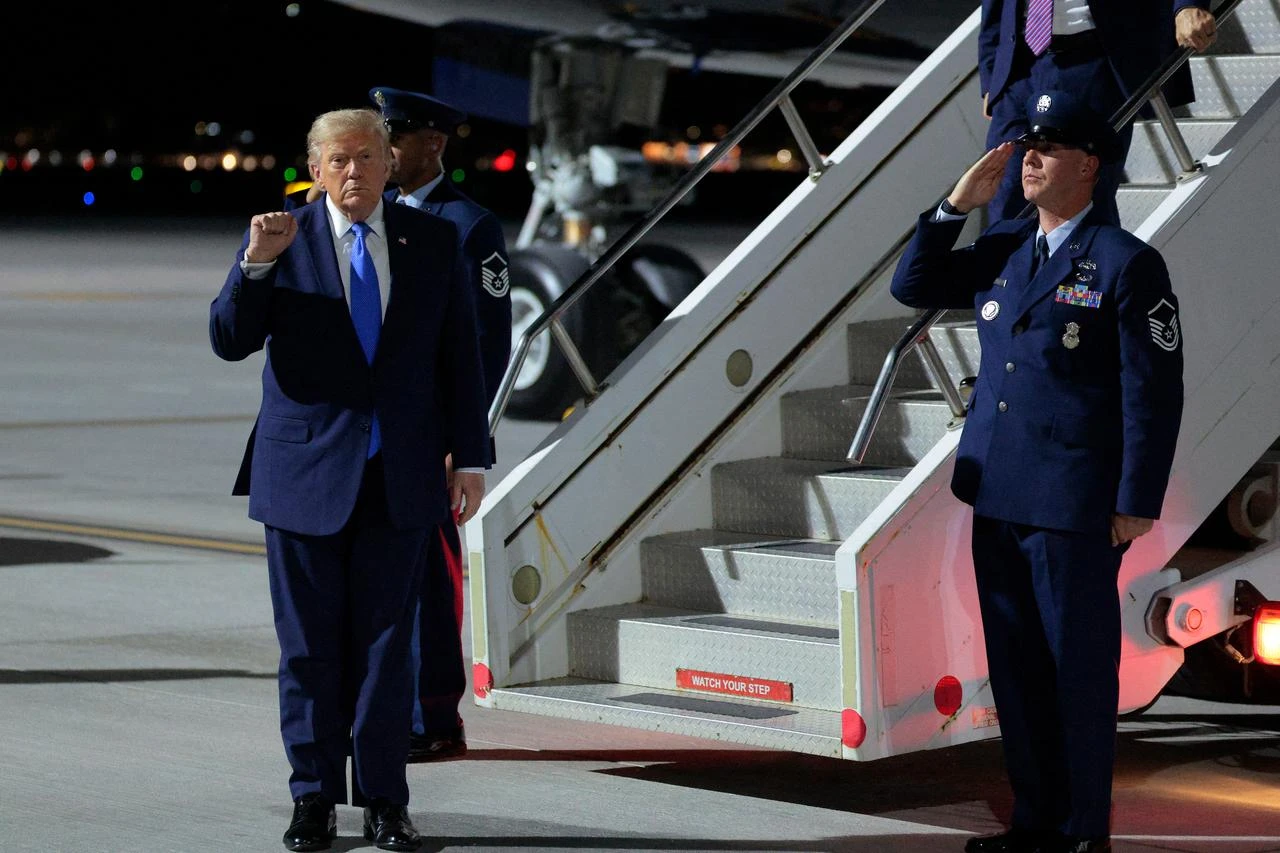
The race has an international dimension that is hard to ignore. Bolsonaro is an ally of U.S. President Donald Trump, and the campaign was marked by accusations of foreign interference.
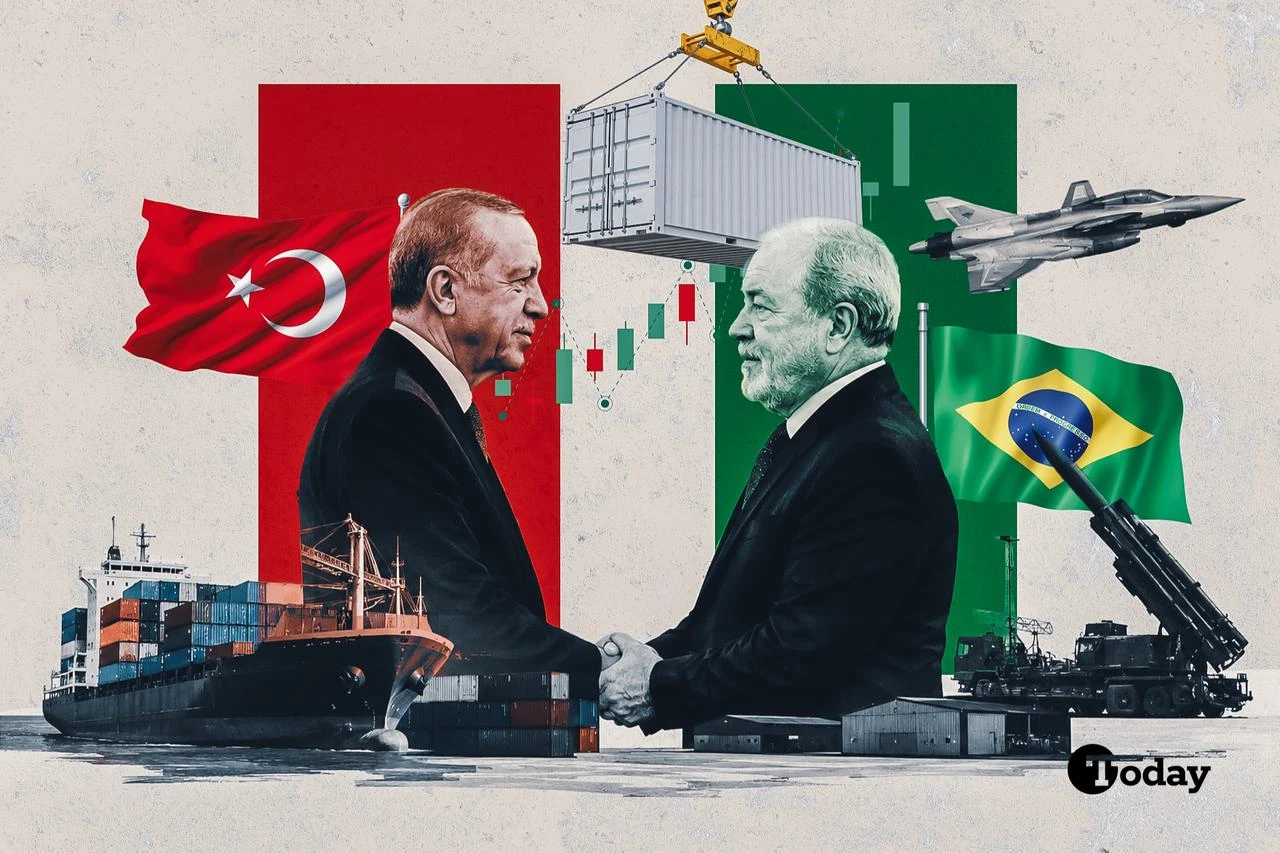
According to an AP analysis, a victory for Bolsonaro would bring Brasilia closer to Washington, while a win for Lula would widen the gap with the White House and deepen ties with China. For a country that is simultaneously a member of BRICS, an agricultural powerhouse, and a key player in climate geopolitics, this dilemma matters far beyond the continent.
NPR describes a first round that failed to fully energize voters and sets the stage for an even more polarized runoff. That fatigue is perhaps the least visible factor. Brazil has been caught in a cycle of confrontation for more than a decade, in which every election is experienced as a referendum on democracy itself. Lula has framed this contest as a choice between democracy and barbarism.
Bolsonaro responds with the promise of a modern government and change. Both narratives, through sheer repetition, run the risk of leaving part of the electorate indifferent.
The runoff will not be a repeat of the first round. Three variables will carry more weight than any others. The first is voter turnout, especially in the northeast—a Lula stronghold—where the vote count came in later and where Lula needs wide margins.
The second is the behavior of those who voted for minor-party candidates, who will not necessarily follow their leaders’ instructions.
The third is the day-to-day economy: food prices and employment will continue to carry more weight than any debate about the past.
One additional factor deserves attention: the outcome. In 2022, Lula won by the narrowest margin in Brazil’s democratic history. If the race on Oct. 25 is close again, confidence in electoral institutions will once more be put to the test—this time with both sides mobilized and the memory of the coup attempt still fresh.
That voice has also been heard in the Middle East. In 2024, Lula declared that what is happening in Gaza is not a war but genocide, and Israel responded by declaring him persona non grata. Brazil recalled its ambassador to Tel Aviv and backed South Africa’s case before the International Court of Justice.
Few leaders of a country of Brazil’s size have gone this far in their relations with a Western ally. Bolsonarism, on the other hand, has historically cultivated close ties with Israel, and Jair Bolsonaro even waved the Israeli flag at a mass rally.
That is why the outcome matters in capitals such as Ankara, Pretoria, and Bogota: whether Brazil remains a major country in the Global South that openly criticizes Israel, or whether it aligns more closely with Washington. With a Trump-aligned candidate in the race, the difference between these two paths is clear.
Brazil faces three decisive weeks. The outcome will shape the agenda for Latin America and the balance of power in a world that is watching closely.


 Set as preferred source
 Set as preferred source


 2 min read
 1 min read