

 Newsletters


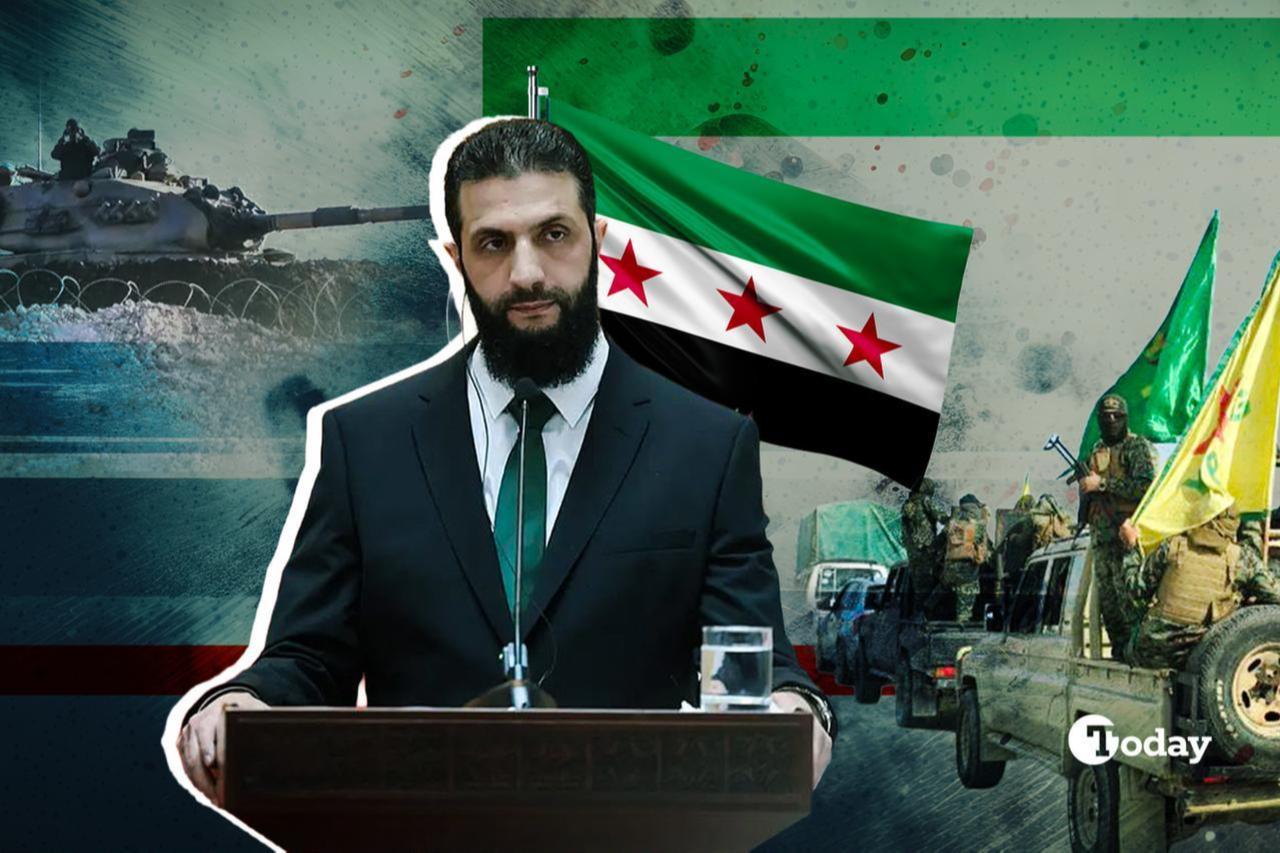


The early first month of this year showed an intensive escalation of violence between the Syrian government forces and the YPG-dominated SDF in northeastern Syria.
Following a rapid military victory by Damascus, the SDF alliance collapsed, and the remaining YPG elements struck a deal to integrate into the Syrian state in their remaining areas of control, which are mostly Kurdish.
Since then, almost three months have passed. Where do we stand in the integration process?
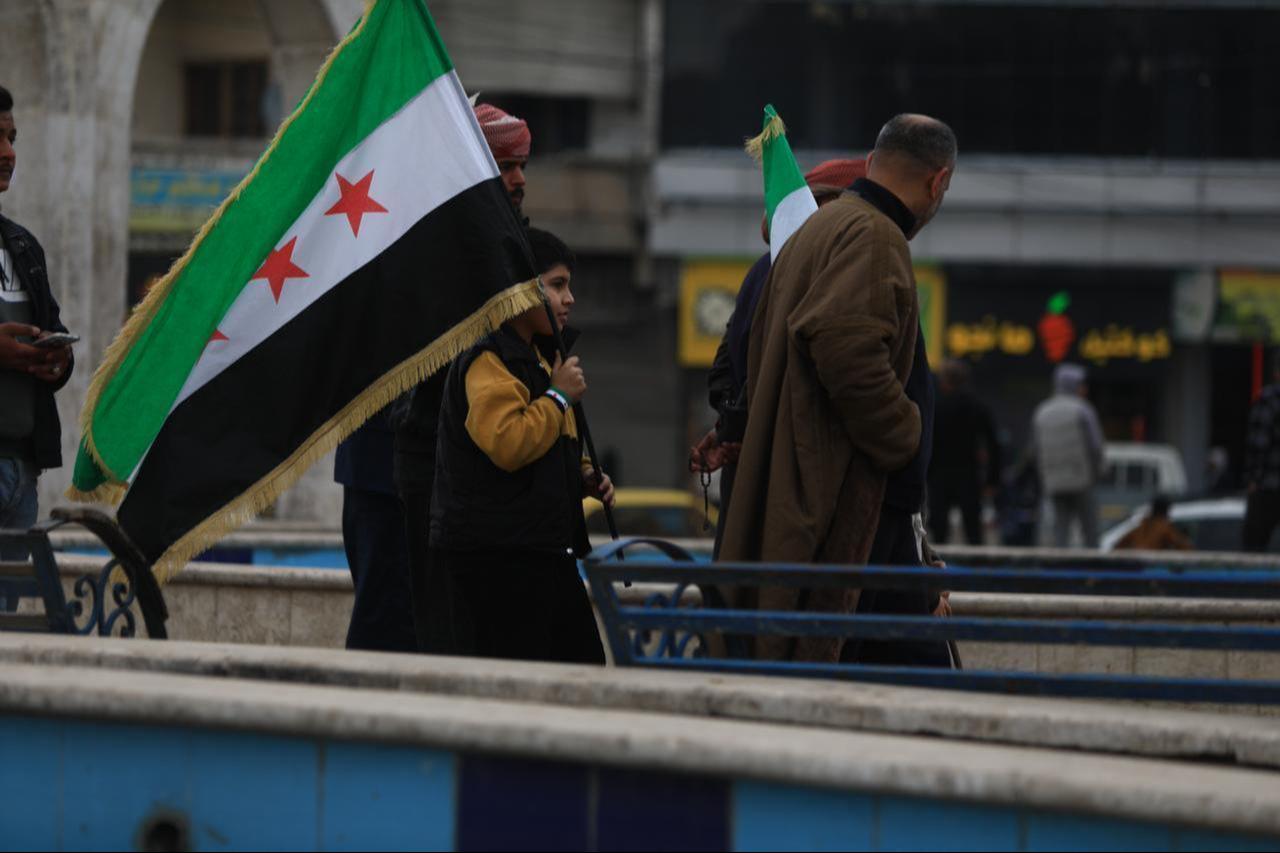

The Syrian government is demonstrating excellent flexibility and pragmatism when it comes to the integration of the SDF into the Syrian state. The SDF, for its part, is more and more owning the process and showing a clear intention to move forward.
The visit of Sipan Hemo, senior SDF commander who was appointed as the deputy defense minister for eastern Syria, to Fehim Issa, former Turkmen SNA commander who was appointed as the deputy defense minister for northern Syria, is nothing ordinary.
The SDF and the former SNA were fierce enemies, and Fehim Issa—the most trusted commander by the Turkish government—was one of their biggest enemies.
These two deputy defense ministers together are a very positive sign that military integration will really occur.
On the administrative level, Damascus is giving the YPG cadres official positions in Kurdish areas, but on its own terms. Almaz Rumi, former ecology head of the AANES, was appointed as mayor of Ayn al Arab (Kobane).
Instead of the co-chair system by the YPG, Damascus appoints a president and a vice-president simultaneously. By incorporating them into official structures, Damascus lays out the foundation of the integration process.
More importantly than all of this is the social level. When Syrian Kurds began to get their official documents from the Syrian government, many Kurds opposed the official term of “Syrian Arab” in the documents.
This was a decades-old issue the Kurds had in Syria. Now, instead of “Syrian Arab," official documents say "Syrian."
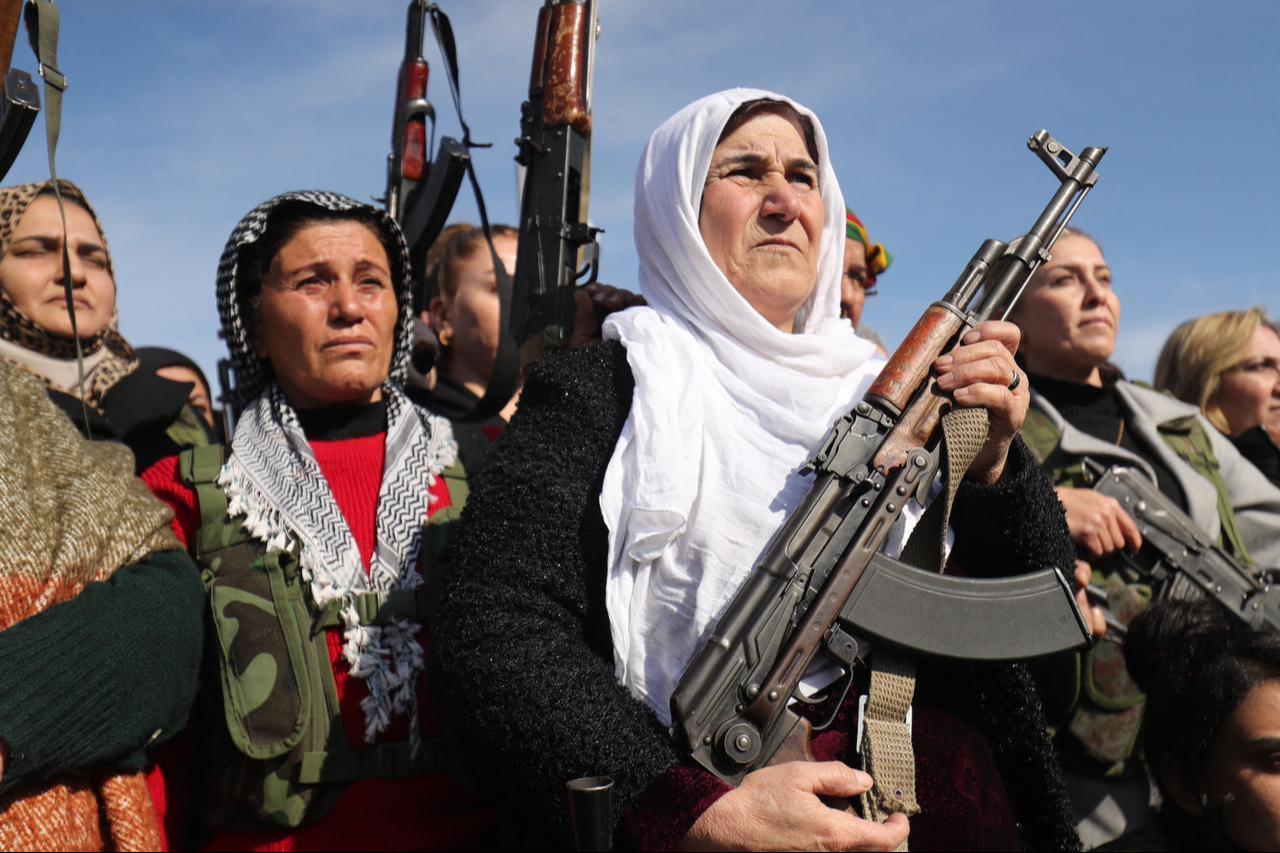
Despite the positive momentum and the undeniable progress, some major hurdles remain, and the most significant might be the women's branch of the YPG, the YPJ.
Damascus rejects the integration of the YPJ into the security apparatus and asks for their disarmament. The YPJ, on the other hand, wants to maintain its organizational structure and hierarchy.
But such a demand is almost impossible for Damascus to implement, as it would mean that there is an autonomous military structure that has its own ideology, command structure and identity.


 Set as preferred source
 Set as preferred source


 1 min read
 1 min read


